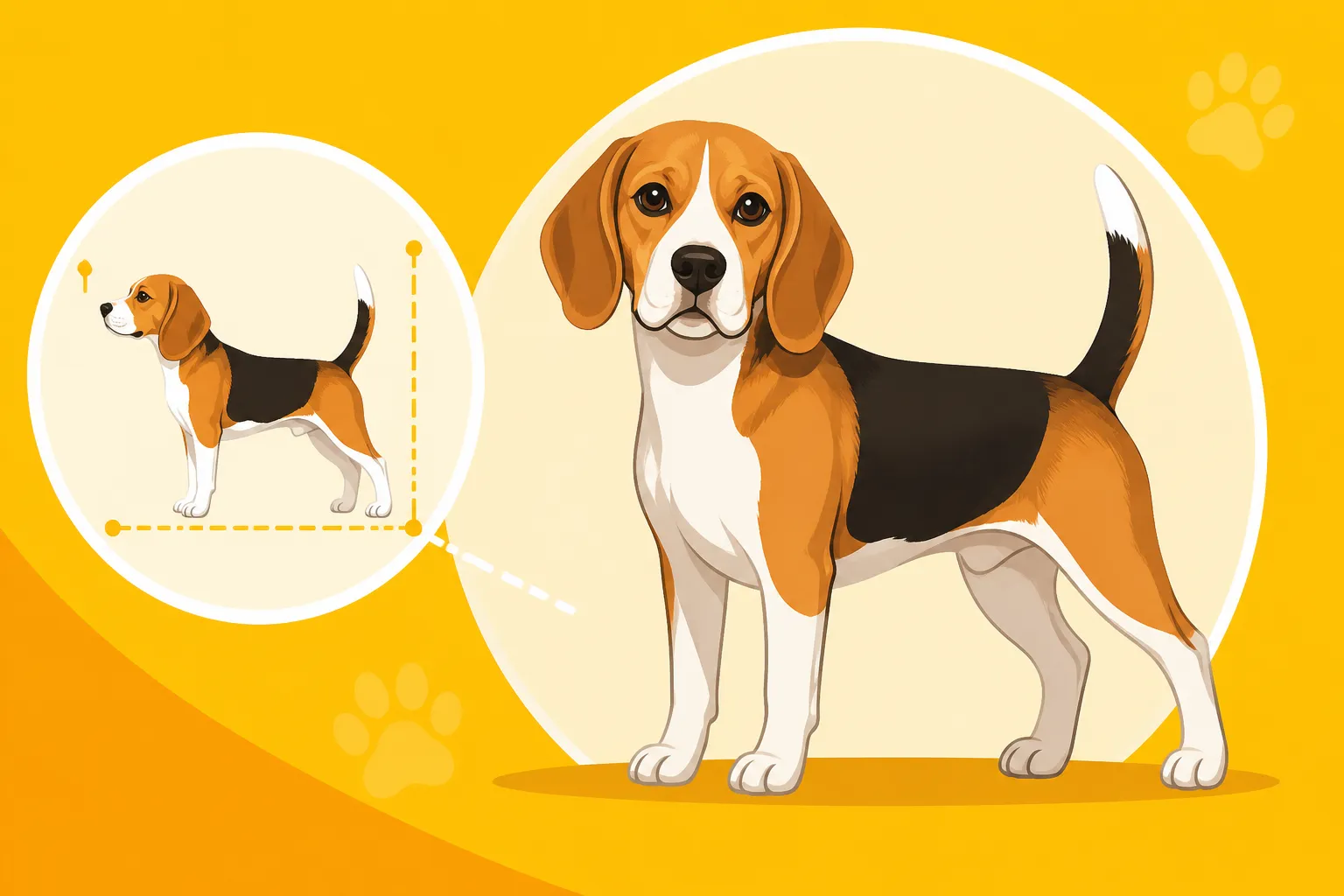
The Thirteen Inch Beagle Variety
It's incredibly common for folks new to Beagles to stumble upon the idea of "thirteen-inch" and "fifteen-inch" varieties and feel a bit lost. Are they completely different dogs? Does one bark more? Is one healthier? This guide is here to walk you through everything you need to know about the charming thirteen-inch Beagle, from its historical roots and physical traits to how its smaller stature might fit into your home and lifestyle.
Understanding the Thirteen-Inch Beagle Standard
When we talk about the thirteen-inch Beagle, we're referring to a specific size classification within the breed standard. It's not a separate breed, but rather a descriptor for a Beagle that, at the shoulder, measures no more than 13 inches tall. This distinction is primarily for show purposes, but it definitely has practical implications for owners in terms of living space, exercise, and overall daily management.
Historical Context of Beagle Varieties
The history of the Beagle is rich and goes back centuries, with various types of small hounds used for hunting hare and rabbit in England. These early hounds weren't as standardized as today's Beagles, and there was a great deal of variation in size. What we now recognize as the thirteen-inch variety is actually closer to some of the smaller, older strains that were once called "Pocket Beagles" – though true pocket Beagles (small enough to fit in a saddlebag) are largely a thing of the past. As the breed developed, particularly in America in the late 19th and early 20th centuries, two primary size categories emerged and were formally recognized by kennel clubs to standardize judging in the show ring. The thirteen-inch variety represents the more compact end of the spectrum, appealing to those who wanted a quintessential Beagle in a slightly daintier package. You can learn more about how the breed evolved in The Beagle From English Rabbit Packs to American Homes.
Physical Characteristics of the Thirteen-Inch Beagle
A thirteen-inch Beagle embodies all the classic Beagle traits – that merry expression, those long, velvety ears, the deep chest, and the ever-present desire to follow its nose. The key difference, of course, is its height. Standing at 13 inches or less at the shoulder, these Beagles have a compact build that makes them agile and often surprisingly sturdy for their size. Their bone structure is well-proportioned, not delicate, ensuring they can still handle vigorous activity. Their eyes are typically brown or hazel, conveying that intelligent, pleading look we all adore. Their coats are smooth, dense, and weather-resistant, coming in all the traditional Beagle colors like tri-color (black, white, and tan), lemon and white, or red and white, often with a white-tipped tail that stands up like a flag, a crucial trait for hunters trying to spot them in tall grass.
Weight and Build for the Smaller Variety
While the height standard is very clear – strictly no more than 13 inches – the weight range for a thirteen-inch Beagle can vary a bit. Generally, a healthy adult thirteen-inch Beagle will weigh somewhere between 18 to 25 pounds. It's important to remember that this weight should be proportionate to their frame; they should be lean and muscular, not chunky. You should be able to easily feel their ribs without them being visually prominent, and they should have a discernible waist when viewed from above. An owner might be tempted to let their smaller Beagle carry a little extra weight, thinking "it's just a few pounds," but those few pounds on a smaller frame can have a disproportionately negative impact on their joints and overall health. We'll delve deeper into appropriate sizing in Beagle Weight by Variety. Maintaining a healthy weight is crucial, especially considering their strong food drive.
How the Thirteen-Inch Differs from the Fifteen-Inch
For many potential Beagle owners, the choice between a thirteen-inch and a fifteen-inch Beagle can feel like a big decision. In reality, the core Beagle temperament and needs are very much the same, but the size difference does bring some subtle distinctions worth considering.
The Key Distinctions in Height and Weight
The most obvious difference, as the names suggest, is the height at the shoulder. A thirteen-inch Beagle will measure up to 13 inches, while a fifteen-inch Beagle will be over 13 inches but no more than 15 inches tall. This difference of up to two inches in height can translate to a few extra pounds in weight as well, with fifteen-inch Beagles typically weighing between 25 to 35 pounds or even a bit more. When you see them side-by-side, the fifteen-inch often looks noticeably more substantial, a little longer in the leg and body. This isn't just a cosmetic difference; it impacts how much space they take up on your couch, in your car, or even how easily they can navigate stairs. You can find more detail on measurement specifics in Measuring a Beagle to Decide Its Variety.
| Feature | Thirteen-Inch Beagle | Fifteen-Inch Beagle |
|---|---|---|
| Height | Up to 13 inches at the shoulder | Over 13 inches, up to 15 inches |
| Weight | Typically 18-25 pounds | Typically 25-35 pounds |
| Appearance | More compact, slightly daintier | More substantial, slightly leggier |
| Energy | High, typical Beagle drive | High, typical Beagle drive |
| Temperament | Merry, scent-driven, friendly | Merry, scent-driven, friendly |
Implications for Living Space and Exercise
While both varieties are energetic hounds, a thirteen-inch Beagle might feel a little more comfortable in slightly smaller living spaces, like an apartment or a smaller house. They can navigate tight corners with more ease and may be less prone to accidentally knocking things over with a wagging tail. That being said, don't mistake "smaller" for "less active." A thirteen-inch Beagle still needs a good amount of exercise and mental stimulation, just like its larger cousin. They thrive on long walks where they can sniff to their heart's content, and interactive play sessions. The main implication for exercise is often how easily you can manage them on a leash; a smaller dog might feel less overwhelming to handle if they suddenly get a strong pull after a scent. For detailed information on their energy needs, check out Beagle Exercise Needs at Every Age.
Temperamental Nuances, if Any
In terms of temperament, there's very little to distinguish between the two varieties. Both the thirteen-inch and fifteen-inch Beagles possess that classic "merry" and endlessly curious Beagle personality. They are typically good-natured, friendly, and social, making them wonderful family pets. They are driven by their incredible sense of smell, which means both sizes are prone to wandering off if given the chance and require diligent training and secure containment. Neither size is inherently more "stubborn" or "vocal" than the other; these traits are characteristic of the breed as a whole. Both will bay with gusto when they catch an interesting scent or want to announce something important. Whether you have a smaller or larger Beagle, understanding the breed's core traits, as outlined in Beagle Temperament and Why the Breed Suits Families, is far more important than any subtle size-related behavioral differences.
Daily Life with a Compact Hound
Living with a thirteen-inch Beagle is a joy, filled with curious sniff-fests, hilarious antics, and plenty of snuggles. Their compact size makes them manageable, but their hound nature means they come with specific needs that every owner should be prepared for.
Managing Exercise Needs in a Smaller Package
Despite their smaller stature, thirteen-inch Beagles are not lap dogs. They were bred for endurance and scent work, and they retain that drive. You'll need to commit to regular, engaging exercise to keep them happy and healthy. This isn't just about physical exertion; it's about mental stimulation too. Daily walks, ideally 30-60 minutes long, where they can sniff and explore, are essential. Consider adding in off-leash (in a secure, fenced area, of course!) time or using a long line in open spaces to let them stretch their legs and really engage that powerful nose. Remember, a tired Beagle is a good Beagle! Without adequate exercise, even a smaller Beagle can become destructive or excessively vocal. Regular play with toys, fetch, or even enrolling in scent work classes can provide excellent outlets for their energy and instincts.
Adapting Training for the Thirteen-Inch Beagle
Training a Beagle, regardless of size, requires patience, consistency, and a good sense of humor. Their intelligence is undeniable, but it's often overshadowed by their intense focus on scent. Food is usually a powerful motivator, which can be an advantage when training. Use high-value, small treats to keep their attention. Recall training, in particular, is absolutely critical. Because their nose can lead them miles away, teaching a reliable "come" cue could literally save their life. Start indoors, then move to a securely fenced yard, and only progress to open spaces with a long line. Even the most well-trained Beagle should never be trusted off-leash in an unfenced area, as discussed in Why a Beagle Should Never Be Off Leash Unfenced. Their compact size doesn't make them less likely to run; it just means they might look smaller in the distance!
Living in Smaller Homes or Apartments
One of the great advantages of the thirteen-inch Beagle is its suitability for smaller living environments. They definitely fall into the category of "apartment-friendly" dogs, provided their exercise needs are consistently met. A smaller footprint means they take up less space, making apartment living more feasible than with a larger breed. However, potential apartment dwellers must still contend with the Beagle's notorious vocalizations. Their baying and howling, while charming to some, can be problematic for close neighbors. Early training to manage barking and providing plenty of enrichment to prevent boredom-induced howling (a common symptom of Beagle Separation Anxiety in a Pack Breed) is crucial. Soundproofing solutions or simply talking to your neighbors about your vocal companion can also help. Many Beagles thrive in apartments if they get their daily dose of sniffing walks and playtime. For more on this, you might find Beagles in Apartments Against Beagles in Houses helpful.
Health and Care for the Smaller Beagle
Just like any purebred dog, thirteen-inch Beagles have certain health and care considerations unique to their breed. Being smaller doesn't make them exempt from these, and in some cases, can even influence how you approach their care.
Feeding Guidelines and Weight Management
Beagles, across both varieties, are renowned for their insatiable appetites. They truly believe every meal is their last and every crumb is a treasure! This strong food drive, while excellent for training, makes them incredibly prone to obesity. For a thirteen-inch Beagle, maintaining a healthy weight of 18-25 pounds is paramount. Even a few extra pounds can put undue strain on their joints and contribute to serious health issues like Beagle Arthritis Arriving in Middle Age or Beagle Diabetes and Blood Sugar Control.
You'll need to be meticulous about measuring their food and limiting treats. Don't free-feed; stick to two measured meals a day. When it comes to choosing food, many high-quality kibbles are available, and you might even consider brands that offer smaller-sized kibble bits. Products from reputable retailers like Chewy can be a great place to compare different types of food and read reviews. Always follow feeding guidelines on the package, adjusting based on your individual Beagle's activity level and body condition. If you're using treats for training, factor those calories into their daily allowance. Remember, a lean Beagle is a healthier, happier Beagle. You can check out Daily Calories for a 13-Inch Against a 15-Inch Beagle for more specific guidance.
Common Health Concerns in the Thirteen-Inch Variety
While their size doesn't inherently make them prone to entirely different ailments than their larger counterparts, thirteen-inch Beagles are still Beagles and share the breed's common health predispositions. These include:
- Ear Infections: Those long, floppy ears are adorable, but they also trap moisture and debris, creating a perfect breeding ground for bacteria and yeast. Regular cleaning is essential.
- Obesity: As mentioned, their love of food means they're always at risk.
- Hypothyroidism: An underactive thyroid can lead to weight gain, lethargy, and skin issues.
- Epilepsy: Idiopathic epilepsy is unfortunately common in the breed.
- Eye Conditions: Beagles can be prone to conditions like cherry eye and glaucoma.
- Intervertebral Disc Disease (IVDD): While not exclusive to Beagles, their slightly longer backs can make them susceptible to disc problems.
Routine veterinary check-ups are crucial for catching these issues early. Discuss breed-specific health screenings with your vet, especially if you got your Beagle from a breeder who performs Beagle Health Testing Under CHIC. Being proactive about preventive care is the best way to ensure your smaller Beagle lives a long, full life.
Grooming and Maintenance for Their Size
Grooming a thirteen-inch Beagle is relatively straightforward. Their short, dense coat sheds year-round, with heavier shedding in spring. Regular brushing (2-3 times a week) with a rubber curry brush or a shedding blade will help manage the loose hair and keep their coat healthy and shiny. You might find a good selection of grooming tools on Chewy to help with this.
Bathing is only needed when they're truly dirty, which, given their love for sniffing out interesting smells (and rolling in them!), might be more often than you'd like! Focus on proper ear care; those long ears need weekly checks and cleanings to prevent infections. Nail trims are also important, typically every 3-4 weeks, or more often if their nails aren't naturally worn down by walks. Given their smaller size, nail trimming might feel a bit easier than on a larger, stronger dog, but it still requires consistency.
Deciding if the Thirteen-Inch Beagle is Right for You
Bringing any dog into your life is a big commitment, and choosing a Beagle variety that truly fits your lifestyle can make all the difference. The thirteen-inch Beagle offers a lot to love, but it's important to weigh both the advantages and potential challenges.
Advantages of the Smaller Size
For many, the compact nature of the thirteen-inch Beagle is a significant draw. They are:
- More Portable: Their smaller size makes them easier to transport, whether in a car, on public transit, or even flying in a carrier under an airline seat (always check airline regulations, of course!). This can open up more travel opportunities and make vet visits or trips to friends' houses less of a logistical challenge.
- Manageable in Smaller Spaces: As discussed, they can adapt well to apartments or smaller homes, provided their exercise and mental stimulation needs are met. They simply take up less physical space than a fifteen-inch Beagle or a larger hound breed.
- Easier to Physically Handle: Their lighter weight can be a plus if you need to lift them (e.g., into a car, onto a grooming table, or up stairs if they develop back issues later in life). This can be especially beneficial for older owners or those with physical limitations.
- Less Food, Less Mess (Relatively): While they are still enthusiastic eaters, their smaller size generally means they consume less food than a larger dog, which can translate to slightly lower food costs. Of course, this is relative, as any Beagle can make a surprising amount of mess!
Potential Challenges to Consider
No dog is perfect, and even the compact thirteen-inch Beagle comes with a few things to keep in mind:
- Same Big Beagle Personality: Don't let their smaller size fool you; they are still full-fledged Beagles with all the energy, vocalizations, and scent drive of their larger cousins. You're not getting a "mini" version of the personality, just the package. This means they still need significant exercise, robust training, and a securely fenced yard.
- Vocalization Concerns: Their baying and howling can be loud, regardless of their size. This is a characteristic of the breed and can be a challenge in close-living situations, such as apartments or neighborhoods with sensitive neighbors.
- Stubbornness and Scent Drive: Their powerful nose and independent nature mean training can sometimes feel like an uphill battle. They will follow a scent over almost anything else, making off-leash reliability a constant endeavor, if not an impossibility outside of controlled environments.
- Counter Surfing, Despite Height: While they might not be able to reach every counter, Beagles are remarkably resourceful when food is involved. A chair, a step stool, or simply a well-timed leap can get them where they want to go. You still need to be diligent about food safety and "Beagle-proofing" your home. Chewy even sells elevated food bowls and various types of secure storage to help manage their relentless pursuit of snacks.
Questions to Ask a Breeder or Rescue
If you're considering a thirteen-inch Beagle, whether from a breeder or a rescue organization, be prepared with questions. For breeders, ask about the parents' heights, health clearances (like those required for Beagle Hip Dysplasia and Everyday Joint Wear and Musladin-Lueke Syndrome and the Beagle DNA Test), and their general temperament. A good breeder will be transparent about the potential size of their puppies and can often give you a good estimate of whether a pup will fall into the thirteen-inch or fifteen-inch category based on their lines.
If adopting from a rescue, inquire about the Beagle's estimated adult size, its background (if known), and any behavioral quirks they've observed. Rescues often have a great understanding of their dogs' personalities and can match you with a Beagle whose size and temperament are a good fit for your home. Regardless of where your thirteen-inch Beagle comes from, an informed decision leads to a happier, healthier companionship for years to come.
Disclaimer
This article is for general informational purposes only and does not constitute professional advice. Laws, prices and regulations vary by location and change over time. Consult a qualified professional for guidance on your specific situation.