Honeywood’s Ten Inch White Beagles
When we think of Beagles today, we often picture a compact, sturdy hound, usually tricolored or lemon and white, with an undeniable talent for sniffing out every interesting thing. But if you could step back in time to the early to mid-19th century in England, you might be surprised by some of the Beagles running in packs then, especially the diminutive, often pure white hounds championed by figures like Reverend Phillip Honeywood. This guide dives into the fascinating history of Honeywood's ten-inch white Beagles, exploring their unique characteristics and how they fit into the evolving story of this beloved breed.
The Formative Years of the Beagle Breed
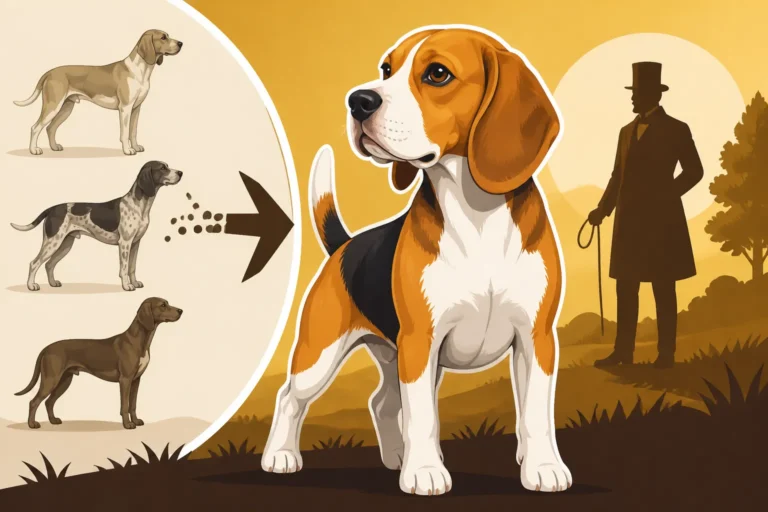
Before Reverend Phillip Honeywood made his mark, the "Beagle" as we know it wasn't a standardized breed with a uniform appearance. Instead, it was more of a type – a small hound used for hunting hare on foot, an accessible sport for those who couldn't afford horses. These early Beagles were incredibly diverse, varying widely in size, coat color, and even ear length. It was a fluid landscape of local packs, each bred for specific hunting conditions and individual preferences.
A Tapestry of Early Scent Hounds
Imagine the English countryside hundreds of years ago, dotted with various small hounds. We're talking about a time when dog breeding wasn't about Kennel Club standards, but rather about utility. Farmers, squires, and even royalty had their own lines, all loosely falling under the umbrella of "beagle-type" dogs. These dogs were primarily valued for their noses and their ability to follow a scent trail persistently. Different regions had their favored types, influenced by the local terrain and the size of the game they pursued. The larger, slower The Southern Hound and Its Slow Deliberate Trail was one such ancestor, and many believe the now-extinct The Talbot Hound in a Beagle's Ancestry also played a role. These were working dogs, and their appearance was secondary to their effectiveness in the field.
The Rise of Rabbit and Hare Hunting
While larger hounds like Foxhounds chased foxes, Beagles found their niche in hunting smaller game: rabbits and hares. This was a sport that could be enjoyed on foot, making it popular across various social strata. A smaller, more agile dog was ideal for navigating hedgerows, thickets, and rough terrain where rabbits often hid. The hunts were often elaborate affairs, with packs of Beagles working together, their musical cries echoing across the fields as they unraveled a scent. This demand for a specialized small hunting hound naturally led to breeders focusing on dogs that could excel in these particular conditions, often prioritizing traits like endurance, a keen nose, and a manageable size for following on foot. It wasn't just about catching the game; it was about the chase, the sound, and the teamwork of the pack.
Reverend Phillip Honeywood's Enduring Legacy
Reverend Phillip Honeywood, a clergyman from Essex, England, is often credited as one of the most influential figures in the early development of the modern Beagle. His meticulous breeding practices and the distinct pack he maintained left a significant, if somewhat ephemeral, imprint on the breed's history. He wasn't just breeding dogs; he was curating a specific vision of what a Beagle could be.
The Esteemed Essex Pack
Honeywood's pack, famously known as the Essex pack, was renowned throughout England in the early 19th century. What set his Beagles apart was their remarkably consistent type and their diminutive size. While many packs still exhibited a wide range, Honeywood focused on creating a uniform line of small hounds, believing this specialized size made them superior for the type of foot hunting he preferred. He was a keen huntsman and understood the practical advantages of a compact dog. His Beagles were known for their excellent scenting abilities and their tireless work ethic, qualities that were highly prized in the field. Indeed, his influence was so significant that many of the Beagles we see today can trace some lineage back to his careful selections.
Focusing on Small, Pure White Hounds
What truly distinguished Reverend Honeywood's Beagles was his particular emphasis on breeding for smaller hounds, often as diminutive as ten inches at the shoulder, and a striking preference for pure white coats. While modern Beagles are predominantly tricolor or lemon and white, Honeywood's vision was different. The pure white coloration, in particular, was a notable characteristic of his line. It's believed this might have been a deliberate choice for aesthetic reasons, or perhaps for easier visibility in dense undergrowth during a hunt, though the latter is often debated.
These "Pocket Beagles" or "Glove Beagles," as smaller hounds were sometimes called, were not just a novelty; they represented a pinnacle of selective breeding for a specific purpose. They were dainty, agile, and possessed the same incredible nose as their larger cousins. It's a testament to Honeywood's dedication that he was able to establish such a distinct and recognizable type within the broader, more varied Beagle population of the time. The dedication to size and color set his pack apart and cemented his place in Beagle history.
The Distinctive Traits of Honeywood's Ten-Inch Beagles
The Beagles bred by Reverend Phillip Honeywood were far more than just small dogs; they were a marvel of focused breeding, embodying traits that were both functional for hunting and aesthetically pleasing to their owner. Understanding these characteristics gives us a window into the breed's diverse past.
Size and Structure: A Diminutive Powerhouse
The defining characteristic of Honeywood's Beagles was their remarkable size – often standing at just ten inches at the shoulder. To put that into perspective, the smallest modern AKC Beagle variety (the 13-inch) is still a full three inches taller. These were truly pint-sized hounds, making them incredibly agile and able to navigate dense brush and follow scent trails in tight spaces. Despite their small stature, they were not fragile. They possessed the same sturdy bone structure and muscular build inherent in all Beagles, bred for endurance and perseverance. This combination of small size and robust constitution made them exceptionally effective for foot-based hare hunting, where the hunter could keep pace with the dogs on foot rather than relying on a horse. They were nimble, able to turn on a dime, and had an uncanny ability to worm their way through cover that would hinder a larger hound. Their proportions were harmonious, maintaining the classic Beagle silhouette, just scaled down considerably.
The Striking White Coat
While the vast majority of Beagles today are recognized for their iconic tricolor, lemon and white, or blue tick coats, Honeywood's preferred coloration was pure white. This was a striking difference from many other packs of the era, which already featured a broader spectrum of hound colors. The reason for this specific preference is subject to some historical speculation. Perhaps it was simply a personal aesthetic choice, a desire for a uniform and elegant appearance in his pack. Or, it might have been a practical consideration; a pure white dog would certainly stand out against a green field or dark undergrowth, making them easier for the hunter to keep track of, especially when moving through dense cover. Whatever the motivation, the visual impact of a pack of ten-inch, pure white Beagles must have been quite something to behold. It underscored a particular type of beauty and utility that was highly prized by their dedicated breeder.
Temperament and Hunting Prowess
Even in their miniature form, Honeywood's Beagles retained the quintessential Beagle temperament that we still adore today: merry, determined, and utterly driven by their noses. These were not pampered lapdogs; they were working hounds through and through. Their small size didn't diminish their incredible scenting ability or their relentless drive to follow a trail. Owners of modern Beagles understand Why a Beagle Walks With Its Nose to the Ground – it's an instinct that runs deep in the breed's history. Honeywood’s pack would work tirelessly, their voices, likely a somewhat higher-pitched bay given their size, ringing through the fields as they pursued their quarry. They were intelligent, cooperative within the pack structure, and possessed the famous Beagle 'stubbornness' that is really just an intense focus on scent. Their small size made them perhaps even more tenacious, needing to exert extra effort to keep up and push through obstacles. Their dedication to the hunt was unwavering, a trait inherited from generations of working hounds.
The Decline and Enduring Influence of the Pocket Beagle
While Honeywood's ten-inch white Beagles were celebrated in their time, their specific type eventually faded from prominence. The breed continued to evolve, driven by changing hunting practices and the emergence of formalized breed standards. Yet, their legacy isn't entirely lost; elements of their history inform the modern Beagle in subtle ways.
The Shift in Hunting Preferences
The gradual decline of the truly diminutive Beagle types, including Honeywood's ten-inch wonders, can largely be attributed to a shift in hunting practices. As the 19th century progressed, hunting on horseback, often for fox, gained more widespread popularity among the gentry. While Beagles were primarily foot hounds for hare, even hare hunting itself started to favor slightly larger, more robust dogs that could cover ground more quickly and had stronger voices that carried further. A ten-inch dog, no matter how tenacious, simply couldn't keep pace with a mounted hunter or push through heavy cover as efficiently as a slightly larger Beagle or Harrier-type hound. The practical advantages of extreme smallness for foot hunting began to be outweighed by the desire for more speed and presence in the field. This evolution meant that breeders naturally started selecting for slightly larger dogs, moving away from the "pocket" variety.
The Rise of Standardized Breed Types
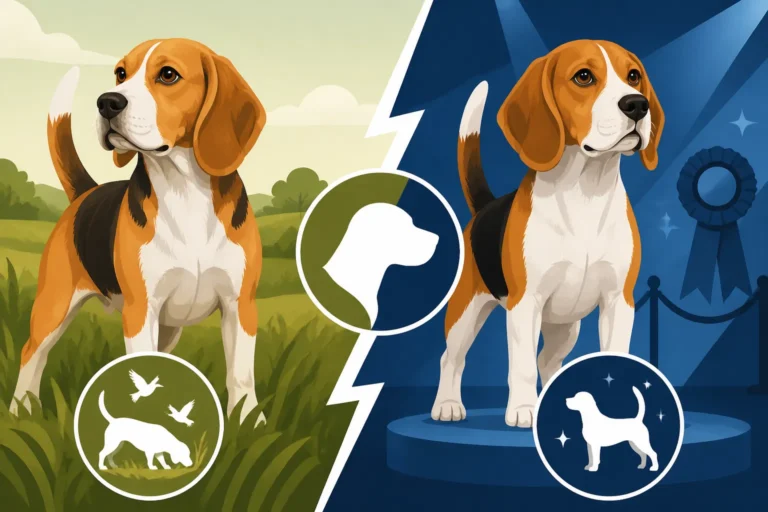
Perhaps the most significant factor in the fading of specific types like Honeywood's was the eventual push for breed standardization. In the latter half of the 19th century, with the formation of kennel clubs and the establishment of written breed standards, the focus shifted from individual pack preferences to creating a uniform ideal. The National Beagle Club and Its 1887 Founding played a crucial role in defining what a "Beagle" should look and act like. These standards typically outlined a range of acceptable heights, usually between 13 and 15 inches, and defined coat colors that were more common in the broader Beagle population, such as tricolor. There was no specific provision for a ten-inch, pure white Beagle. While these smaller hounds certainly existed as ancestors, they didn't fit the emerging mold of the show ring or the more common hunting styles. Breeders, eager to conform to the new standards and win accolades, naturally began to select against traits that deviated, leading to the gradual disappearance of these unique, historically significant types.
A Lingering Genetic Echo
Despite their official disappearance, the genetic contributions of Honeywood's Beagles, and other similar small hounds, are undoubtedly woven into the fabric of the modern breed. While you won't commonly find a ten-inch pure white Beagle today, the breed's inherent ability for selective breeding to achieve specific sizes and temperaments is a direct echo of historical efforts like Honeywood's. Occasionally, a smaller-than-average Beagle might appear in a litter, a whisper from generations past. Furthermore, the commitment to the "merry" temperament and the exceptional nose, traits that Honeywood prized, remain cornerstones of the breed. Even if the visual specificities faded, the essence of the Beagle's character and working drive persevered. Understanding this history helps us appreciate the journey The Beagle From English Rabbit Packs to American Homes has taken and the rich tapestry of its genetic background.
Honeywood's Beagles in Historical Context
To truly appreciate the significance of Reverend Phillip Honeywood's pack, we need to place them within the broader historical narrative of dog breeding and societal changes. His efforts were part of a larger movement to refine and specialize various hound breeds.
Before Official Breed Standards
It's easy to forget that the concept of a "breed standard" is a relatively modern invention. For centuries, dogs were bred for function, and their appearance was secondary. If a dog could hunt effectively, that was its primary value. Therefore, before the advent of kennel clubs and dog shows, variation within what we now call a "breed" was immense. Honeywood's Beagles flourished in an era where individual breeders had the freedom to pursue their own ideals without strict guidelines. This allowed for tremendous creativity and specialization, resulting in a wide array of regional types, each adapted to local conditions and preferences. His ten-inch white Beagles were a perfect example of this pre-standardization diversity, a testament to a breeder's personal vision for canine excellence.
What John Mills Wrote About Beagles
Writers and naturalists of the time often documented the various dog types, providing invaluable glimpses into this period. John Mills, in his influential 1845 work, "The Sportsman's Library," made specific mention of Beagles. His writings, along with those of other contemporary authors, helped to catalog the existing varieties and to understand the characteristics that were most highly valued. While specific details about Honeywood's exact pack might have varied between observers, the overall description of small, highly scent-driven hounds for hare hunting was consistent. Mills' accounts, like many others, emphasized the Beagle's exceptional nose, its perseverance, and its melodious voice – qualities that transcend specific size or color variations but were certainly present in Honeywood's line. These early written records are critical for understanding how the Beagle type was perceived and developed during this pivotal century. For any modern Beagle owner looking to understand the roots of their dog's enthusiasm, examining these historical texts offers fascinating insights.
The Role of Beagles in Society
Beagles, in their various forms, played a significant role in British society, far beyond just hunting. They were companions, symbols of sporting prowess, and contributors to a vibrant rural culture. Their manageable size and good-natured temperament made them more accessible to a wider range of people compared to larger, more intimidating hounds. They represented an enjoyable pastime that fostered community and provided food. Honeywood's Beagles, with their distinct appearance, would have been a topic of conversation among huntsmen and dog enthusiasts, adding to the rich tapestry of sporting life. The presence of these specialized packs reinforced the Beagle's identity as a dedicated, cheerful hunting dog, a reputation that continues to this day. Even if we're not hunting hare ourselves, the breed's historical purpose shapes everything from their desire to follow a scent trail on a walk to their inherent pack mentality, often seen in their desire for companionship.
Caring for a Modern Beagle: Lessons from History
While Honeywood's specific ten-inch white Beagles are a thing of the past, the underlying principles of what makes a Beagle thrive remain surprisingly consistent. Modern Beagle care, though benefiting from advanced understanding and products, still harks back to the core needs of this ancient breed.
Understanding the Beagle's Drive
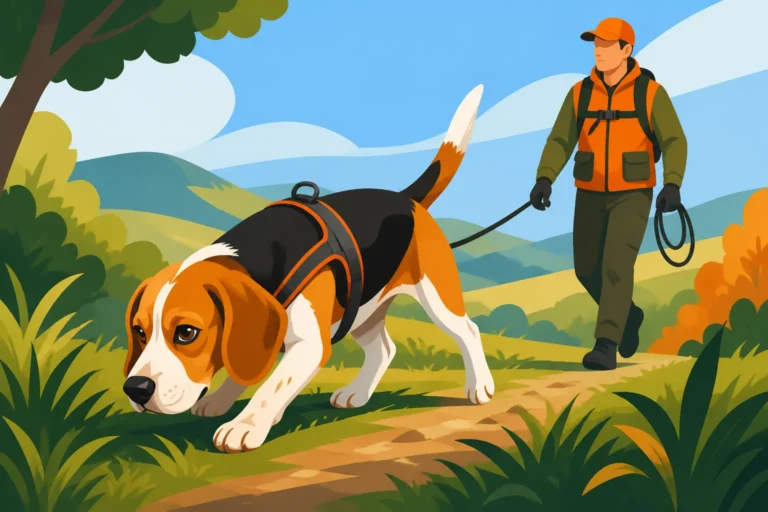
The most crucial lesson from historical Beagles, including Honeywood's, is to deeply understand their inherent drive. These dogs were bred for hundreds of years to follow a scent. This isn't just a hobby for them; it's a fundamental aspect of their being. For modern owners, this means embracing the nose. Sniffing walks, where your Beagle is allowed to investigate every interesting smell, are far more enriching and tiring than a brisk walk on a tight leash. Interactive Beagle Toys and Puzzle Feeders Worth Buying that engage their problem-solving and scenting abilities are essential. You can find a huge variety of these at places like Chewy, helping to keep their minds engaged. Ignoring this deep-seated drive often leads to frustration for both dog and owner, manifesting as undesirable behaviors like digging or counter-surfing. Providing appropriate outlets for their natural instincts is the key to a happy and well-adjusted Beagle.
Meeting Exercise Needs, Past and Present
Honeywood's Beagles were tireless workers, covering miles of ground during a hunt. While most modern Beagles aren't out chasing hare for hours, their need for substantial exercise hasn't diminished. They are not content with a quick trot around the block. A good, long walk, ideally in a safe, fenced area where they can explore (or on a The Long Line Length a Beagle Actually Needs if not fenced), is crucial. Running and Hiking With a Beagle can be great, but always remember their low-to-the-ground build and potential for back issues. For their physical and mental well-being, regular, vigorous exercise is paramount. This could be multiple daily walks, playtime in a securely fenced yard, or even participating in organized canine sports like scent work or agility, which taps into their natural talents. Without adequate exercise, a Beagle can become bored, restless, and destructive – a far cry from the merry hound Honeywood admired.
Modern Nutrition and Health Considerations
Though Honeywood's Beagles likely ate whatever scraps were available or their quarry, modern Beagles benefit from carefully formulated diets. Their strong food drive means Feeding a Beagle That Would Happily Eat All Day requires careful portion control to prevent obesity, a common issue in the breed. A good quality dog food, appropriate for their age and activity level, is key. Many excellent brands are available, often with convenient delivery options from retailers like Chewy. Beyond diet, understanding common health concerns, such as Beagle Ear Infections Under Those Long Ears or Beagle Hip Dysplasia and Everyday Joint Wear, allows owners to be proactive. Regular vet check-ups, appropriate vaccinations, and parasite prevention are essential for ensuring a long and healthy life for your Beagle. While we don't know the specific health challenges faced by Honeywood's pack, we can infer that robust health and stamina were critical for their demanding lifestyle.
The Beagle's Enduring Appeal Across Generations
From the ten-inch white Beagles of Reverend Honeywood's pack to the tricolored hounds sniffing out contraband at airports, the Beagle has consistently captured hearts. Its core qualities—its scenting prowess, its cheerful disposition, and its unwavering loyalty—have ensured its enduring popularity through the centuries.
A Breed Transformed by Time and Purpose
The transformation of the Beagle from a diverse collection of small hunting dogs to a recognized, standardized breed is a testament to its adaptability and inherent appeal. While the specific appearance of Honeywood's ten-inch white Beagles may have been selectively bred out, their spirit lives on. The breed has proven versatile enough to transition from an exclusive hunting companion to a cherished family pet, a working detection dog (like the famous USDA The USDA Beagle Brigade at the Airport), and even a pop culture icon. This journey reflects not only changing human preferences but also the Beagle's remarkable ability to thrive in various roles, always maintaining that distinctive charm and keen nose. Every time you see a Beagle joyfully following a scent, you're witnessing an echo of those historical packs, including the meticulous work of breeders like Reverend Honeywood.
The Merry Hound of Today
Today's Beagle, whether a compact 13-inch or a slightly larger 15-inch variety, embodies the "merry hound" temperament that has been cherished for generations. They are affectionate, playful, and wonderfully expressive. While they might not be pure white or quite as tiny as Honeywood's pack, their lineage connects them directly to those early working dogs. The same irresistible urge to follow a scent, the enthusiastic bay, and the desire for companionship remain defining characteristics. Modern Beagles continue to bring joy to families around the world, whether they're competing in scent work trials, snuggling on the couch, or simply enjoying a long sniff-filled walk in the park. Finding suitable gear, from durable harnesses to engaging toys, is easier than ever, with many options available at retailers such as Chewy, catering to every Beagle's need. The breed's ability to retain its core characteristics while adapting to new environments is a key reason for its continued success.
Honoring the Past to Guide the Future
Understanding the history of the Beagle, including fascinating chapters like Reverend Honeywood's ten-inch white Beagles, isn't just an academic exercise. It enriches our appreciation for the breed and helps us be better owners. It reminds us that our Beagles, with all their quirks and charms, are products of a long and rich lineage, specifically bred for certain traits. This knowledge helps us respect their instincts, understand their needs, and provide them with a fulfilling life that honors their heritage. Whether you're considering What a First-Time Owner Gets Wrong With a Beagle or simply deepening your bond with your current companion, a grasp of their history provides valuable context. The story of Honeywood's pack is a vibrant thread in the grand tapestry of the Beagle breed, reminding us of the enduring power of selective breeding and the remarkable diversity that once existed, and still subtly influences, our beloved Beagles.
| Feature / Trait | Reverend Honeywood's Ten-Inch Beagles (Early 19th Century) | Modern Beagles (AKC Standard) |
|---|---|---|
| Height (at shoulder) | Approximately 10 inches | 13 inches or under, and over 13 but not exceeding 15 inches |
| Primary Coloration | Often pure white | Tricolor (black, white, tan), lemon & white, blue tick, etc. |
| Purpose | Primarily for foot-based hare hunting | Companion, show dog, scent work, hunting (less common) |
| Prevalence | Specific to Honeywood's pack, eventually faded | One of the most popular breeds worldwide |
| Temperament | Merry, tenacious, strong scent drive | Merry, curious, friendly, strong scent drive |
| Breeding Focus | Individual breeder's vision (small size, specific color) | Conforming to established breed standards |
Disclaimer
This article is for general informational purposes only and does not constitute professional advice. Laws, prices and regulations vary by location and change over time. Consult a qualified professional for guidance on your specific situation.