Beagle Agility and the Impact on Joints
It’s wonderful to see more and more Beagle owners looking for active, engaging ways to channel their dog’s incredible energy and intelligence. Agility can seem like the perfect outlet, offering mental stimulation, physical challenge, and a fantastic bonding experience. However, it's completely natural to feel a knot of worry about the impact all that jumping, weaving, and quick turns might have on your Beagle's joints and long-term health. This guide is here to walk you through how to approach agility with your Beagle safely, minimizing risks, and ensuring a healthy, happy canine athlete.
Understanding the Appeal of Agility for Beagles
Beagles, with their boundless energy and keen intelligence, might seem like a natural fit for agility courses. They love to learn, they're incredibly food-motivated, and they thrive on having a "job" to do, even if that job is just zipping through a tunnel or over a jump. For many Beagle owners, agility offers a structured way to harness that famous scent drive and transform it into focused athleticism.
The Beagle's Drive to Work and Play
Let's be honest, a bored Beagle is a destructive Beagle. Their historical role as scent hounds means they were bred to work tirelessly, following a trail for hours. This inherent drive translates beautifully into activities like agility, where they can expend physical energy and engage their minds. While their noses might constantly be drawn to interesting smells on the ground, the fast-paced nature of agility, with its quick cues and rewarding finishes, can often keep them engaged and focused on the task at hand. It's a fantastic way to build confidence and reinforce that special connection you share, transforming that independent hunter into a responsive, joyful partner. Many owners report that agility training significantly improves their Beagle's obedience and focus in everyday life, not just on the course.
The Mental and Physical Benefits
Beyond just burning off steam, agility provides a comprehensive workout for your Beagle. Physically, it builds muscle tone, improves coordination, and enhances cardiovascular health. Mentally, it challenges them to problem-solve, learn sequences, and respond quickly to commands. This kind of enrichment is crucial for a breed as smart as the Beagle. It can help prevent boredom-related behaviors like excessive barking, destructive chewing, or digging. For a dog that might otherwise be prone to Beagle Obesity and Arthritis Arriving Together later in life, a consistent and appropriate agility regimen, combined with a sensible diet, can be a game-changer for long-term health. It’s not just about the fancy tricks; it's about giving your Beagle a purpose and keeping their body and mind sharp.
Beagle Anatomy and Potential Agility Risks
While Beagles can excel in agility, it's crucial to understand their unique physical structure and how it might interact with the demands of the sport. They aren't built like Border Collies or Shelties, breeds traditionally associated with high-impact agility. A Beagle's body, with its slightly longer back and sturdy build, needs careful consideration to prevent injury.
The Beagle's Back and Disc Health
One of the primary concerns for Beagles in agility is their back. Beagles possess a relatively long body compared to their leg length, which, while giving them that adorable low-to-the-ground profile, can make them more susceptible to certain back problems. Intervertebral Disc Disease (IVDD) is a significant concern for breeds with longer backs, and while Beagles might not be as notoriously prone as Dachshunds, the risk is still there. Repetitive jumping, weaving through poles, and sudden turns can put considerable strain on the discs in their spine. Each time they land from a jump, twist quickly, or contort their body around a pole, those discs absorb impact. Over time, this cumulative stress can lead to inflammation, bulging, or even rupture of the discs, causing pain, nerve damage, and in severe cases, paralysis. Owners must be vigilant for Beagle Back Pain Warning Signs and understand that prevention is key.
Joint Health: Hips, Elbows, and Knees
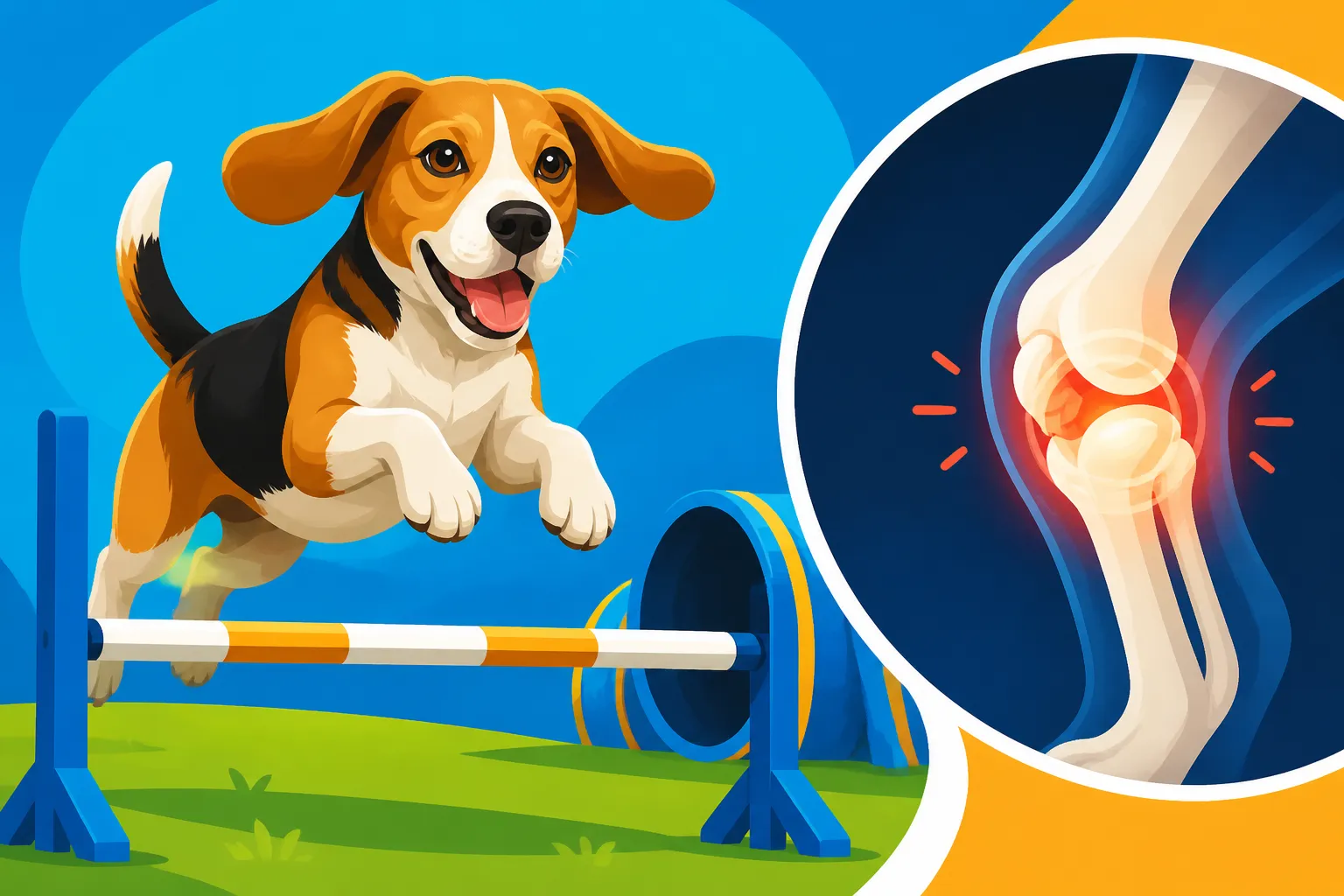
Beyond the back, a Beagle's other major joints – hips, elbows, and knees – are also subjected to increased stress during agility. While Beagles are generally a hardy breed, conditions like Beagle Hip Dysplasia and Everyday Joint Wear can occur, and high-impact activities can exacerbate existing predispositions or accelerate wear and tear. Fast starts and stops, sharp turns, and the impact of landing from jumps all put pressure on these joints. For a breed that loves to throw itself into everything, careful attention to conditioning and form is paramount. An undiagnosed mild hip or elbow dysplasia could worsen significantly with the repetitive strain of agility, leading to premature Beagle Arthritis Arriving in Middle Age. It's not about avoiding exercise, but about ensuring the exercise is appropriate and supports their long-term joint integrity.
Considering Weight and Conformation
A Beagle's weight plays a huge role in joint health. Even a few extra pounds can dramatically increase the load on their spine and joints, multiplying the risk of injury during agility. An overweight Beagle attempting agility is an accident waiting to happen. Before even considering agility, ensure your Beagle is at a healthy, lean weight. You should be able to easily feel their ribs without seeing them prominently, and they should have a discernible waistline. Factors like specific conformation – such as a slightly straighter rear angulation or a less athletic build – can also affect their suitability for high-impact sports. It's vital to have an honest assessment from your veterinarian or a canine sports medicine specialist about your individual Beagle's physical readiness.
Smart Agility Training for Joint Protection
Entering the world of agility with a Beagle should be a thoughtful, progressive journey, not a sprint. The goal is to build strength, confidence, and skill while safeguarding their precious joints. This means prioritizing proper technique, appropriate equipment, and a gradual approach.
Gradual Progression and Proper Conditioning
Think of agility as building an athlete, not just teaching tricks. Your Beagle needs a solid foundation of physical fitness before tackling complex courses. Start with basic obedience and body awareness exercises. Introduce obstacles one at a time, focusing on correct form rather than speed. For instance, begin with low jumps, teaching them to clear the bar cleanly rather than crashing through it. Gradually increase height and complexity as their strength and coordination improve. It's vital to avoid overtraining, especially in young, still-developing Beagles. Their growth plates are not fully closed until around 12-18 months of age, and pushing them too hard before then can lead to permanent damage. A good agility instructor will understand these developmental stages and guide you through safe progression. Regular, varied exercise outside of agility, such as consistent walks and controlled playtime, contributes significantly to their overall fitness without the high impact. Exercise That Actually Burns Beagle Calories will also help maintain optimal body weight, reducing joint stress.
Equipment and Technique Adjustments for Beagles
Because Beagles aren't typically the fastest dogs in agility, and they have a unique body structure, equipment adjustments are often beneficial.
- Jump Heights: Most agility organizations have height divisions, and Beagles will typically compete in lower categories. However, even within those, you can start even lower. Ensure the jump bars are easily dislodged to prevent injury if they hit them.
- A-Frame and Dog Walk: Focus on teaching a controlled contact-zone performance rather than a flying dismount. This reduces the impact on their shoulders and wrists. You want them to "walk" down the contacts, not leap off the end.
- Weave Poles: Introduce weave poles slowly, perhaps starting with offset poles before moving to a straight line. The twisting motion through weaves can be particularly strenuous on the back if done improperly or too quickly. Building core strength through targeted exercises can support their spine.
- Tunnels: Tunnels are generally low-impact and often a Beagle favorite! Just ensure they are secure and don't collapse on your dog.
Always use a well-fitting, comfortable harness (avoiding anything that restricts shoulder movement or puts pressure on the throat) and a long lead during training. Never force your Beagle or punish them for mistakes; keep it fun and positive. If you're looking for quality agility equipment or training aids, both Chewy and Amazon offer a wide range of products suitable for home practice, from adjustable jump sets to collapsible tunnels.
Supporting Your Beagle's Joint Health Through Agility
Agility can be incredibly rewarding, but it’s a commitment to proactive joint care. From diet to regular check-ups, supporting your Beagle’s body is a continuous effort that will allow them to enjoy the sport for years to come.
Nutrition and Supplements for Joint Support
A high-quality, balanced diet is the cornerstone of joint health. Look for dog foods with excellent protein sources and appropriate fat levels to maintain a lean body condition. Some premium kibbles or fresh food diets, like those offered by Ollie, are formulated with ingredients that naturally support joint health, such as omega-3 fatty acids from fish oil.
Beyond diet, joint supplements can play a crucial role, especially for an active Beagle. Ingredients commonly recommended include:
- Glucosamine and Chondroitin: These are natural components of cartilage and can help with its repair and maintenance.
- MSM (Methylsulfonylmethane): An organic sulfur compound believed to have anti-inflammatory and pain-reducing properties.
- Omega-3 Fatty Acids: Often sourced from fish oil, these are powerful anti-inflammatories that can help reduce joint pain and stiffness.
- Green-lipped Mussel: A natural source of glucosamine, chondroitin, and omega-3s, with strong anti-inflammatory benefits.
It's always best to discuss specific supplement choices and dosages with your veterinarian. You can find a vast selection of reputable Joint Supplements That Help an Aging Beagle on platforms like Chewy or Amazon, but always prioritize products with verifiable quality and ingredient sourcing.
Warm-ups, Cool-downs, and Rest Days
Just like human athletes, Beagles need proper preparation and recovery.
- Warm-ups: Before any agility session, dedicate 5-10 minutes to a gentle warm-up. This could include a brisk walk, some light stretching (like play bows or gentle leg stretches you guide), and basic obedience commands to get their muscles primed and blood flowing. A warm-up helps increase flexibility and reduces the risk of muscle strains.
- Cool-downs: After agility, a cool-down is just as important. A slow, relaxed walk for 10-15 minutes helps bring their heart rate down, prevents muscle soreness, and allows their body to gradually return to a resting state. Gentle massage can also be beneficial.
- Rest Days: These are non-negotiable. Agility is demanding, and your Beagle needs time for their muscles and joints to recover. Incorporate active rest days with low-impact activities like scent work in the yard (a Beagle favorite!) or leisurely sniff walks, which are fantastic for mental enrichment without stressing the body. Remember, it's about quality over quantity.
Recognizing and Addressing Joint Issues in an Agile Beagle
Even with the best preventative measures, sometimes issues can arise. Knowing what to look for and acting quickly is essential for your Beagle's well-being and their continued participation in activities they love.
Early Warning Signs of Joint Discomfort
Beagles are notoriously stoic, often hiding pain until it becomes significant. This means you need to be an attentive observer. Here are some subtle signs that might indicate joint discomfort or a brewing injury:
- Changes in Gait: A slight limp, stiffness, a refusal to bear weight on a limb, or a subtle change in how they move – perhaps favoring one side. You might notice Hind Leg Weakness in a Middle-Aged Beagle if arthritis is setting in.
- Reluctance to Perform: Hesitation at jumps, slower weaving, unwillingness to go through tunnels, or a general decrease in enthusiasm for agility activities. This is often the first sign for an otherwise eager Beagle.
- Behavioral Changes: Increased irritability, snapping when touched, guarding a specific area of their body, excessive licking or chewing at a joint, or withdrawing from interaction.
- Physical Manifestations: Swelling around a joint, warmth to the touch, or muscle wasting in a limb.
- Postural Changes: A hunched back, a head held low, or difficulty getting up or lying down. A Beagle That Suddenly Will Not Jump on the Couch can be a major red flag for back pain.
- Vocalization: Whining, yelping, or crying when moving or being handled.
Don't dismiss these subtle cues. Early intervention can make a significant difference in outcome.
When to Consult a Veterinarian
If you notice any of the warning signs, or if your Beagle experiences a sudden lameness or injury during agility, it’s time to call your veterinarian immediately. Don't try to self-diagnose or wait to see if it improves on its own. A prompt professional assessment is crucial. Your vet can perform a physical examination, and depending on their findings, may recommend diagnostics such as X-rays, blood tests, or in some cases, advanced imaging like an MRI, particularly if a spinal issue like Beagle Disc Disease and That Slightly Long Back is suspected.
They can help you determine if the issue is a temporary strain, an acute injury, or the onset of a chronic condition like arthritis. Based on the diagnosis, they might recommend:
- Rest: Often the first step in recovery.
- Medication: Anti-inflammatory drugs, pain relievers, or muscle relaxants.
- Physical Therapy: Canine rehabilitation specialists can provide tailored exercises to strengthen muscles, improve range of motion, and reduce pain. Beagle Physical Therapy After a Back Injury is incredibly effective for recovery.
- Weight Management: If How Extra Weight Raises Beagle Disc Pressure is a factor, your vet will help you create a weight loss plan.
- Supplements: Reinforcing joint support.
- Surgery: In severe cases, such as a ruptured disc or certain ligament tears, surgery might be necessary.
Remember, your veterinarian is your primary partner in keeping your agility Beagle healthy. Regular Beagle Vet Visit Frequency After the Age of Ten becomes even more important for a dog engaged in sports to monitor their joint health and catch any issues early.
Disclaimer
This article is for general informational purposes only and does not constitute professional advice. Laws, prices and regulations vary by location and change over time. Consult a qualified professional for guidance on your specific situation.