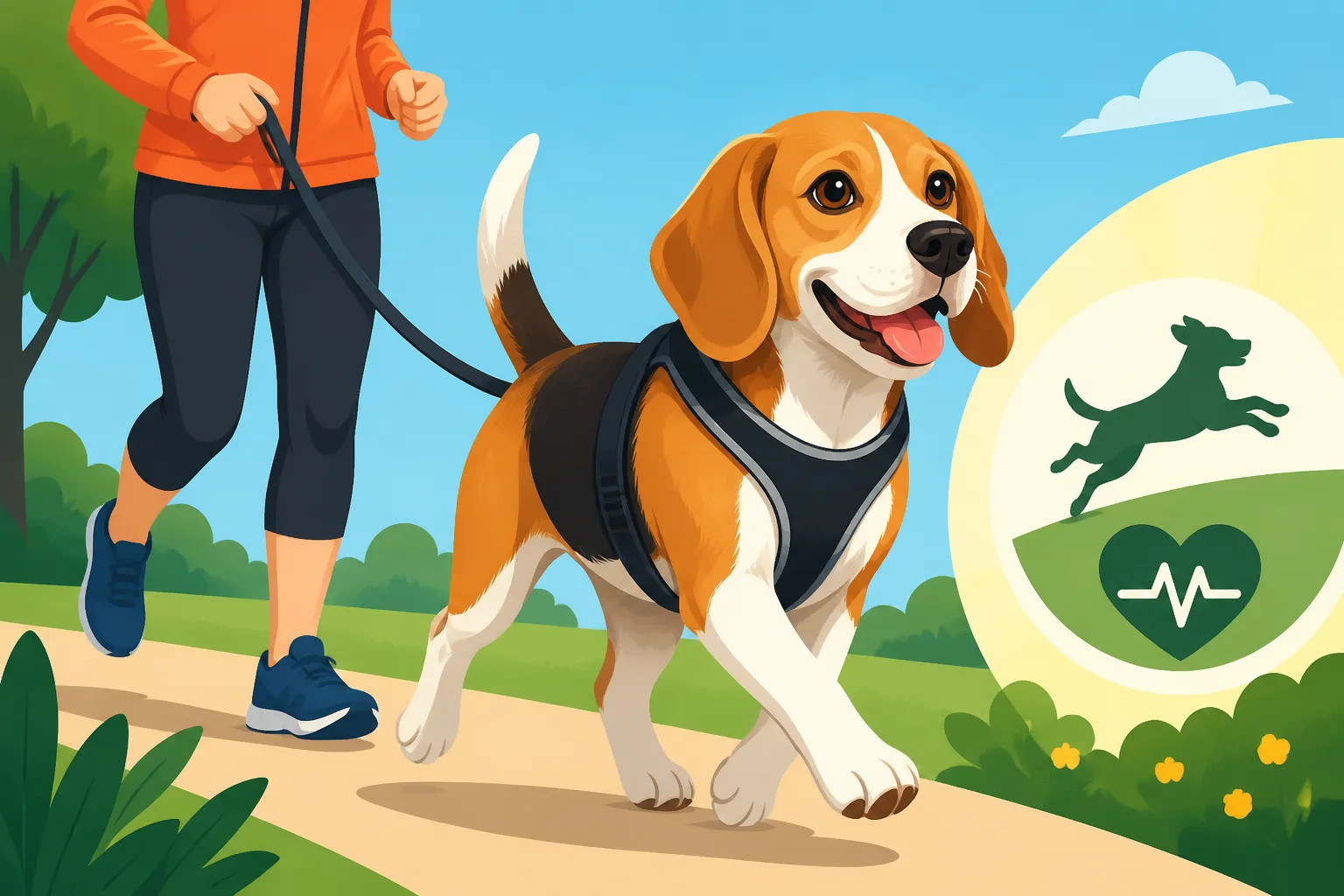
Exercising a Beagle Past Ten Years Old
It can be heartbreaking to watch your once-energetic Beagle start to slow down as they reach their senior years. The joyful, tireless pursuit of scents often gives way to slower walks and more naps, leaving many of us wondering how to keep our beloved hounds active without causing them pain or overexertion. This guide will walk you through adapting your Beagle's exercise routine as they age past ten, helping you maintain their physical and mental well-being for as long as possible.
Understanding the Changes in Your Senior Beagle
When your Beagle hits that double-digit age mark, it's natural for things to shift. They're not the same whirlwind of energy they were as a puppy or even in their prime adult years. Recognizing these changes isn't about giving up on exercise; it's about understanding and adjusting, ensuring their comfort and health remain the top priority.
The Natural Slowdown: What to Expect
Just like us, Beagles experience a natural decline in physical capabilities as they age. Their joints might not be as flexible, their muscles might lose some mass and strength, and their stamina simply won't be what it once was. You might notice they're less enthusiastic about long hikes or that they tire more quickly after a vigorous game of fetch. This isn't laziness; it's a physiological reality.
Their metabolism also slows down, making weight management even more critical. An overweight senior Beagle puts extra strain on already aging joints and organs, exacerbating any existing health conditions. Keeping an eye on their body condition is paramount. You can learn more about this by checking out Beagle Obesity Treated as a Health Problem. It's a gradual process, but observing these subtle shifts early can help you proactively adjust their lifestyle.
Beyond the physical, you might also notice changes in their cognitive function. They might seem a little more confused at times, or perhaps they don't respond to commands with the same lightning speed. While these are often normal parts of aging, they highlight the need for mental engagement in their daily routine, even if physical activity is reduced.
Common Health Issues Affecting Mobility
Unfortunately, with age often come a few more bumps in the road health-wise that can directly impact your Beagle's ability and desire to exercise. These aren't just minor aches; they can be significant factors that require careful management and veterinary consultation.
One of the most prevalent issues is arthritis, or osteoarthritis, which can develop in any joint but is commonly seen in hips, elbows, and the spine. Imagine trying to run or jump with stiff, aching joints – it's no wonder your senior Beagle might be hesitant. This chronic condition causes pain and inflammation, limiting their range of motion and making once-simple movements challenging. You can dive deeper into this topic with Beagle Arthritis Arriving in Middle Age.
Another concern for Beagles is intervertebral disc disease (IVDD) or other Beagle Back Problems and Intervertebral Disc Disease. Their slightly longer backs can make them prone to disc issues, which can range from mild discomfort to severe pain and even paralysis. A bulging or herniated disc can make even walking agonizing, and jumping off furniture or going up stairs can aggravate it significantly. Always be mindful of any stiffness, reluctance to move, or changes in gait.
Beyond joint and back problems, conditions like Beagle Hip Dysplasia and Everyday Joint Wear can worsen with age, making movement uncomfortable. Even heart conditions, such as Beagle Heart Disease and Murmurs, can limit their ability to sustain activity, as their heart simply can't keep up with the demands of intense exercise. Regular veterinary check-ups become even more crucial as they age to identify and manage these conditions early. For more on this, consider reading Beagle Vet Visit Frequency After the Age of Ten.
Adapting Exercise Routines for an Older Beagle
Once you understand the physical and health changes your senior Beagle is experiencing, the next step is to adapt their exercise routine. It's not about stopping activity altogether, but rather about modifying it to ensure it's beneficial, comfortable, and safe. The goal is to maintain muscle mass, joint flexibility, and mental sharpness without causing undue stress or pain.
Shorter, More Frequent Walks
Gone are the days of marathon sniff-a-thons and hour-long adventures, at least for most senior Beagles. Instead of one long walk, consider breaking it up into several shorter, gentler strolls throughout the day. For example, instead of a 45-minute trek in the morning, try three 15-minute walks: one in the morning, one at lunchtime, and one in the early evening. This allows them to stretch their legs, eliminate waste, and get their sniff on without becoming overly fatigued.
The pace should also be adjusted. Let your Beagle set the speed. If they want to dawdle and investigate every single blade of grass, let them. Their nose is still a powerful tool, and mental stimulation from sniffing is just as important as physical exertion. These walks are less about covering ground and more about gentle movement and sensory enrichment. A slower pace also reduces the impact on their joints, which is especially important if they have Beagle Arthritis Arriving in Middle Age.
These frequent, brief outings also help keep their bladder and bowels regular, which can be an issue for older dogs. Always carry water, especially on warmer days, and keep an eye out for signs of fatigue like lagging behind, heavy panting, or seeking shade. Remember, consistency is more important than intensity when it comes to senior Beagle exercise.
Gentle Play and Mental Stimulation
While physical activity might decrease, your senior Beagle's need for mental engagement remains. A bored Beagle, even an old one, can still find mischief or become restless. Gentle play sessions are fantastic for both physical and mental stimulation. Instead of high-impact games like jumping for a frisbee, opt for low-key activities.
Think about games that encourage sniffing and problem-solving. A snuffle mat where you hide treats can keep their nose and brain active for a good 15-20 minutes. Puzzle toys, especially those made by brands available on sites like Chewy or Amazon, where they have to manipulate parts to get a reward, are also excellent. These engage their keen sense of smell and cognitive abilities without putting strain on their body.
Indoor games can also be beneficial, especially on days when the weather isn't cooperating. A gentle game of hide-and-seek with a favorite toy or a hidden treat can be great fun. If they are still interested in fetch, roll the ball along the floor instead of throwing it high, or use a soft toy that's easy to pick up without straining their neck. These activities keep their spirits up and prevent boredom, which can lead to destructive behaviors or lethargy.
Incorporating Low-Impact Activities
For many senior Beagles, traditional vigorous exercise needs to be replaced with activities that are gentler on their aging bodies. Low-impact options can provide excellent physical benefits without the wear and tear.
Swimming, if your Beagle enjoys it and has access to a safe, shallow pool, can be a fantastic full-body workout that's incredibly gentle on their joints. The buoyancy of the water takes all the pressure off their hips and spine, allowing them to move freely and build muscle without impact. Always supervise them closely and consider a doggy life vest, especially if they are not strong swimmers or have reduced stamina.
Another excellent option is controlled leash walking on soft surfaces. Instead of pavement, seek out grassy fields, dirt paths, or even soft sand if you're near a beach. These surfaces provide more cushioning for their joints. Exploring new, safe environments on lead offers both physical and mental enrichment without overdoing it. Consider short, flat trails in local parks where the ground is softer and the scents are abundant.
Even gentle range-of-motion exercises, recommended by your vet or a certified canine physical therapist, can be integrated into their daily routine. Simple stretches or controlled movements can help maintain flexibility and blood flow to stiff joints. These might feel more like therapy than play, but they are crucial for long-term comfort and mobility.
Supporting Your Senior Beagle's Mobility
Exercise is just one piece of the puzzle when it comes to keeping your senior Beagle moving comfortably. A holistic approach that includes proper nutrition, supportive equipment, and consistent veterinary care is essential. You're not just managing their physical activity; you're nurturing their entire well-being.
The Role of Nutrition and Supplements
What goes into your Beagle's bowl plays a huge role in how well their body can handle activity. For senior Beagles, nutrition needs to be tailored to their slower metabolism and potential health issues. High-quality dog food designed for senior dogs often has fewer calories to prevent weight gain, and sometimes includes ingredients beneficial for joint health. Brands like Ollie offer fresh, pre-portioned meals that can be great for precise calorie control and providing optimal nutrients.
Joint supplements are often a game-changer for older dogs, especially those with arthritis or other mobility issues. Ingredients like glucosamine, chondroitin, MSM, and Omega-3 fatty acids (like fish oil) can help reduce inflammation, support cartilage health, and lubricate joints. Many owners report a noticeable improvement in their dog's comfort and willingness to move after starting a joint supplement regimen. Your vet can recommend the best option for your individual Beagle's needs. For more on this, see Joint Supplements That Help an Aging Beagle.
It's crucial to discuss any dietary changes or supplements with your veterinarian. They can help you choose the right food and supplements, ensuring they don't interact negatively with any medications your Beagle might be taking and that they are appropriate for their specific health profile. Remember, preventing weight gain is critical, as every extra pound adds stress to aging joints.
Equipment to Aid Movement and Comfort
Sometimes, our Beagles need a little extra help to navigate their world comfortably. Thoughtful equipment choices can make a significant difference in their daily mobility and prevent further injury.
Ramps and steps are invaluable for protecting your senior Beagle's back and joints, especially if they love to jump on furniture or into the car. Instead of letting them repeatedly leap off the couch or bed, which can be incredibly hard on their spine and hips, teach them to use a ramp or set of sturdy steps. This small change can prevent serious injuries and reduce daily strain. You can find many options on Amazon or Chewy, from lightweight car ramps to cushioned furniture steps. See Ramps for a Beagle's Bed and Car for more ideas.
A well-fitting harness, rather than a collar, is always recommended for Beagles, but especially for seniors. It distributes pressure evenly across their chest and shoulders, avoiding strain on their neck and throat, which is vital if they have any neck or spine issues. If your Beagle still pulls on the leash, a front-clip harness can help gently redirect them without causing discomfort.
Supportive bedding is another critical item. Investing in an orthopedic dog bed can provide cushioning and support for their aching joints, reducing pressure points and offering them a more comfortable resting place. Look for beds with memory foam that conform to their body. Placed in a quiet, warm spot, a good bed can significantly improve their quality of rest and recovery between activities.
Regular Vet Check-ups and Pain Management
As your Beagle ages, those routine vet visits become even more important. They aren't just for vaccinations anymore; they're comprehensive health assessments aimed at catching and managing age-related issues early.
During these check-ups, your veterinarian can closely monitor their joint health, evaluate any changes in gait or mobility, and discuss appropriate pain management strategies. This might include anti-inflammatory medications, cold laser therapy, acupuncture, or other interventions designed to improve their comfort and quality of life. Don't assume your Beagle is "just old" and has to live with pain; there are often many ways to help. Your vet is your best resource for understanding Senior Beagle Care After the Age of Ten.
Early detection of conditions like Beagle Hypothyroidism and the Weight It Puts On or Beagle Diabetes and Blood Sugar Control can also be made during these visits. Managing these underlying health problems can indirectly improve their energy levels and willingness to exercise. Being proactive with their healthcare means you can adjust their routine and support their body before discomfort becomes severe. Always be open and honest with your vet about any changes you've noticed in your senior Beagle's behavior or movement, no matter how small.
Recognizing When to Rest Your Senior Beagle
Even with the best intentions and carefully adapted routines, there will be times when your senior Beagle needs more rest than exercise. Learning to read their cues and respecting their limits is a hallmark of responsible senior pet ownership. Pushing them too hard can do more harm than good, potentially worsening existing conditions or causing new injuries.
Signs of Overexertion and Discomfort
It's easy to assume our Beagles will tell us when they've had enough, but sometimes their desire to please us, or their ingrained drive to follow a scent, can push them beyond their limits. As their owner, you need to be vigilant for subtle signs of overexertion or discomfort.
Look for excessive panting that doesn't quickly subside, even after a short walk. Lagging behind on a walk, a reluctance to stand up after resting, or difficulty lying down are all red flags. Stiffness or limping after exercise that wasn't present before is a clear sign they've done too much. Changes in their usual demeanor, such as increased irritability, withdrawn behavior, or a lack of interest in food or treats, can also indicate they are in pain or overly tired.
Subtler signs might include changes in their posture – perhaps they're holding their head lower, or arching their back more. They might lick their paws excessively, which can be a self-soothing behavior for pain. If you notice any of these signs, it's time to cut back on activity and allow for more rest. When in doubt, it’s always better to err on the side of caution.
The Importance of Rest and Recovery
Rest is not a sign of weakness for a senior Beagle; it's a critical component of their health and well-being. Just like an athlete, their body needs time to recover, repair, and recharge. Without adequate rest, chronic pain can worsen, inflammation can increase, and their overall energy levels will plummet.
Ensure your Beagle has a quiet, comfortable, and easily accessible place to rest. Their orthopedic bed should be in a low-traffic area where they won't be constantly disturbed. Senior Beagles often need more sleep than their younger counterparts, and honoring this need is crucial for their physical and mental health. They might nap more frequently throughout the day, and their nighttime sleep might be longer.
Creating a routine that balances gentle activity with plenty of rest will serve your senior Beagle best. Understand that some days they might feel better than others. There will be days when a short trip to the backyard is all they can manage, and that's perfectly okay. Flexibility and empathy are key here. Don't feel guilty about their reduced activity; celebrate the quality of the activity they can still enjoy.
Maintaining Quality of Life Through Appropriate Activity
Ultimately, the goal of exercising a senior Beagle is to enhance and maintain their quality of life, not to push them back to their younger self. A Beagle's happiness isn't solely tied to how fast or far they can run. It's about companionship, mental engagement, comfortable movement, and the joy of simple pleasures.
Continue to offer opportunities for enrichment that suit their abilities. Sniffing games, gentle grooming sessions, short car rides (if they enjoy them), and just quiet time cuddling on the couch are all ways to bond and keep them feeling loved and engaged. If their vision or hearing is declining, which often happens in old age, adapt your communication methods. See Vision Loss in a Beagle Past Twelve and Beagle Hearing Loss and Hand Signals for more information on managing these changes.
Focus on what your Beagle can still do, rather than what they can't. If they still enjoy a slow potter around the block, cherish those moments. If they love a puzzle toy, make sure they have access to one daily. By being observant, patient, and loving, you can ensure your senior Beagle continues to enjoy a rich, fulfilling life, full of appropriate activity and comfort, right through their golden years.
| Activity Type | Suitable for Senior Beagles? | Benefits | Considerations |
|---|---|---|---|
| Short, Leashed Walks | Yes | Gentle movement, mental stimulation via sniffing, potty breaks | Keep pace slow, avoid harsh surfaces, multiple times a day instead of one long walk |
| Sniffing Games/Puzzle Toys | Yes | Mental stimulation, nose work engagement, low physical impact | Use high-value treats, ensure toys are safe and appropriate for their chewing ability |
| Gentle Fetch (Rolled Ball) | Yes | Play, interaction, light physical activity | Roll ball along ground, use soft toy, keep sessions short |
| Swimming | If comfortable | Non-impact full-body exercise, builds muscle without joint strain | Supervise closely, use life vest, ensure water is warm and safe, gradual introduction |
| Canine Massage/Stretching | Yes (vet approved) | Improves circulation, flexibility, reduces stiffness and pain | Learn proper techniques from a professional, be gentle, stop if pain is observed |
| Light Obedience Practice | Yes | Mental engagement, reinforces bond, maintains cognitive function | Keep sessions short, use positive reinforcement, avoid complex commands or strenuous positions |
| Hiking/Running | No (generally) | Risk of overexertion, injury to joints and back | Avoid unless specifically cleared by vet and only for very short, gentle bursts on soft ground |
Disclaimer
This article is for general informational purposes only and does not constitute professional advice. Laws, prices and regulations vary by location and change over time. Consult a qualified professional for guidance on your specific situation.