Whether a Beagle Can Ever Be Too Thin
It’s easy to get caught up in the constant worry about Beagle obesity – and let's face it, our food-motivated hounds make it a very real concern! But what about the other end of the spectrum? Many Beagle owners might overlook the possibility, but a Beagle can absolutely be too thin, and it can be just as detrimental to their health as carrying too much weight. This guide will help you understand how to assess your Beagle's body condition, identify potential reasons for being underweight, and outline the steps you can take to help your beloved hound return to a healthy, thriving state.
Understanding What "Too Thin" Means for a Beagle
When we think about a healthy Beagle, we often picture that sturdy, compact build, full of energy and ready to follow a scent trail for miles. But there's a fine line between a lean, fit Beagle and one that's simply not getting enough nutrition. Knowing how to properly assess your dog's body condition is the first crucial step.
The Beagle Body Condition Score (BCS)
The Body Condition Score (BCS) is a universally accepted tool veterinarians use, and it's something every Beagle owner should familiarize themselves with. It helps you objectively evaluate your dog’s fat reserves by feeling, not just by looking. For a Beagle, with its famously dense double coat, feeling is often more reliable than simply glancing. You’re looking for a score between 4 and 5 on a 9-point scale, where 1 is emaciated and 9 is morbidly obese.
A Beagle at a healthy weight should have ribs that are easily felt without pressing hard, but not visibly sticking out. When you run your hands along their sides, you should feel a subtle ripple of the ribs beneath a thin layer of fat and muscle. Their spine should also be palpable but not sharp or protruding, and you should be able to feel their hip bones, but they shouldn't be bony or angular. The waist should be discernible when viewed from above, and there should be a slight tuck-up in the abdomen when viewed from the side, but nothing dramatic. You can learn more about this in Body Condition Scoring a Beagle Under a Thick Coat. If you're comparing your dog against the ideal, an underweight Beagle will feel starkly different.
Visual Cues of an Underweight Beagle
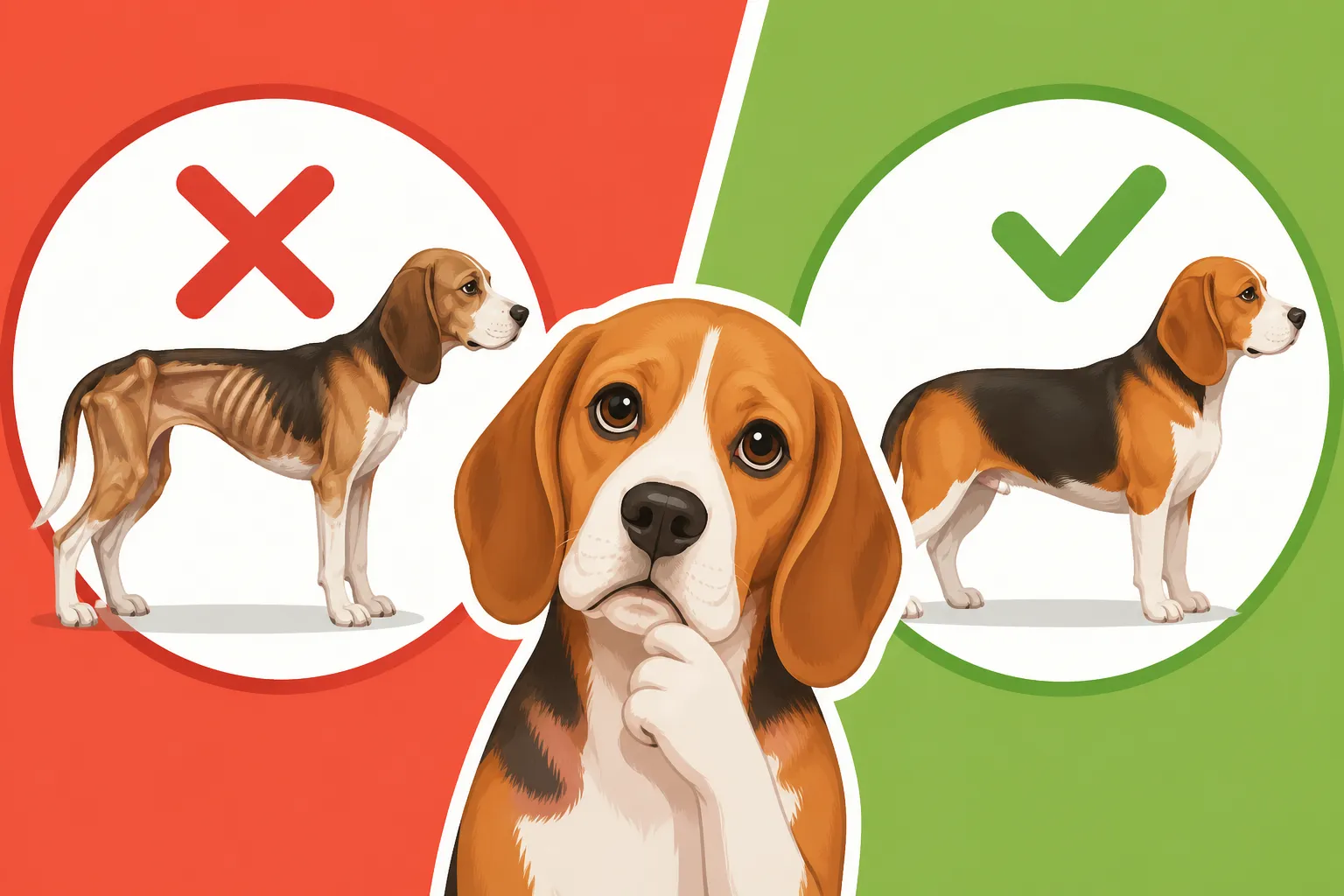
While feeling is paramount, there are visual cues that can signal your Beagle might be too thin, even with that thick coat trying to hide things. A very noticeable waist tuck, where the abdomen severely indents after the rib cage, is a strong indicator. From above, their body might look severely hourglass-shaped, with the hips appearing much narrower than the rib cage.
Another tell-tale sign is the prominence of bones that should ideally be covered by a slight layer of fat and muscle. You might see their ribs quite clearly, especially when they move or stretch. Their hip bones can stick out, almost forming sharp points, and the vertebrae along their spine might be visibly defined, resembling a washboard rather than a smooth curve. In some severe cases, you might even notice their shoulder blades or the bones at the base of their tail becoming very apparent. It's important to remember that puppies and young, very active Beagles might naturally be leaner, but even then, their bones shouldn't be sharply protruding.
The Difference Between Lean and Underweight
It’s crucial to distinguish between a lean, fit Beagle and one that's genuinely underweight. A lean Beagle is typically one that's getting plenty of exercise, perhaps participating in scent work, hiking, or even running alongside you. Their muscles are well-defined, they have boundless energy, and while you can feel their ribs easily, they aren't jutting out, and there’s still a healthy covering over their bones. Their coat is shiny, their eyes are bright, and they exhibit all the signs of a vibrant, healthy hound.
An underweight Beagle, on the other hand, often looks a bit "hollow" or gaunt. Their energy levels might be lower than usual, their coat might be dull, and they may appear less engaged or enthusiastic. This isn't just about aesthetics; being underweight means they lack the necessary fat reserves to sustain them during illness or injury, and their immune system might be compromised. They may also struggle to maintain body temperature, especially in colder climates. It’s a health concern that requires attention, much like obesity is. Remember, there's a sweet spot for a Beagle's weight, and it's not always easy to hit, especially considering their strong food drive can lean them towards the opposite problem.
Common Reasons a Beagle Might Be Underweight
When your typically robust Beagle starts looking a little too slender, it's natural to jump to conclusions or feel a pang of worry. There are several reasons why a Beagle might become underweight, ranging from simple oversight to more complex medical issues. Pinpointing the cause is essential for effective intervention.
Insufficient Calorie Intake
Sometimes, the simplest explanation is the right one: your Beagle isn't consuming enough calories for their energy needs. This can happen for a few reasons. Perhaps their food portions aren't accurate – many owners scoop by eye rather than measuring properly. A high-quality kibble or fresh food diet is carefully formulated, and adhering to the manufacturer's guidelines for your dog's ideal weight (not current weight) is important. You can refer to The Daily Calorie Target for a Twenty Pound Beagle for guidance.
Another factor might be the quality of the food itself. Not all dog foods are created equal; some may contain fillers that offer little nutritional value, even if the bowl looks full. If you've recently switched foods, your Beagle might not be absorbing nutrients effectively, or they might simply not like the taste, leading to reduced consumption. An active Beagle, one who is always out exploring with their nose to the ground, requires more calories than a couch potato. If their activity level has increased without a corresponding bump in their food intake, they can easily burn more calories than they consume. Think about those long scent walks or intensive training sessions – they really do burn a lot of energy!
Underlying Health Issues
Unfortunately, being underweight can often be a red flag for an underlying health problem that's impacting your Beagle's ability to absorb nutrients or utilize calories.
- Parasites: Intestinal worms are a common culprit, especially in younger Beagles or those who spend a lot of time sniffing and scavenging outdoors. These unwelcome guests can steal vital nutrients from your dog, leading to weight loss despite a seemingly normal appetite. Regular deworming and yearly fecal checks, as discussed in Beagle Worms and Why They Need Yearly Fecal Checks, are crucial.
- Dental Disease: Imagine trying to eat with a throbbing toothache! Severe dental pain, gum disease, or even broken teeth can make eating incredibly painful, causing your Beagle to reduce their food intake. Sometimes, it’s not obvious from a quick glance, but a vet can perform a thorough oral examination. Beagle Dental Disease and Tartar Buildup is a good read if you suspect dental issues.
- Malabsorption Issues: Conditions like Inflammatory Bowel Disease (IBD) or Exocrine Pancreatic Insufficiency (EPI) can prevent your Beagle's digestive system from properly absorbing nutrients from their food. They might eat heartily but still lose weight because their body isn't getting what it needs.
- Chronic Diseases: Kidney disease, liver disease, certain types of cancer, or even uncontrolled diabetes can lead to weight loss as the body struggles to cope with the illness. Even a condition like hyperthyroidism (though less common than hypothyroidism in Beagles) can cause increased metabolism and weight loss.
- Stress and Anxiety: Just like humans, dogs can lose their appetite and subsequently lose weight when under significant stress or experiencing anxiety. A major change in routine, a new pet, or even severe separation anxiety (something Beagles are prone to) can take a toll on their eating habits.
Environmental and Behavioral Factors
Sometimes, the reason for weight loss isn't purely medical or dietary but stems from their environment or learned behaviors.
- Competition with Other Pets: If you have multiple dogs, especially if one is more assertive at meal times, your underweight Beagle might not be getting their fair share. Even if you feed them in separate bowls, a faster eater might finish first and then muscle in on another dog's meal. Observe meal times carefully, or consider feeding them in separate rooms or crates to ensure each dog can eat at their own pace without stress.
- Picky Eating: While Beagles are notoriously food-driven and rarely turn down a meal, some individuals can be pickier than others, especially if they’ve been offered a wide variety of human foods or treats. If they're holding out for something "better," they might not consume enough of their regular, balanced diet. This is less common in the breed but certainly possible.
- Changes in Routine or Environment: Beagles thrive on routine. A sudden change in your household, a move to a new home, or even a prolonged absence of a family member can throw them off their eating schedule. Stress or discomfort can lead to a temporary loss of appetite, and if not addressed, can result in sustained weight loss.
Practical Steps to Help Your Underweight Beagle
Discovering your Beagle is too thin can feel concerning, but thankfully, there are many actionable steps you can take. The key is to approach it systematically, starting with the most important step: a visit to your trusted veterinarian.
Consulting Your Veterinarian
Before you change anything about your Beagle's diet or routine, schedule a comprehensive check-up with your vet. This step is absolutely non-negotiable. Self-diagnosing and trying to "fatten up" your Beagle without knowing the underlying cause could potentially mask a serious medical condition or even worsen it. Your vet will perform a thorough physical examination, including feeling their body condition, checking their teeth, and listening to their heart and lungs.
They might recommend diagnostic tests such as:
- Fecal examination: To check for intestinal parasites.
- Blood work: A complete blood count (CBC) and chemistry panel can reveal issues with organs like the kidneys, liver, or thyroid, as well as indicate infections or inflammation.
- Urinalysis: To assess kidney function and check for urinary tract infections.
- Specific tests: Depending on the initial findings, your vet might suggest more specialized tests, such as tests for pancreatic function or imaging like X-rays or ultrasound, to investigate deeper digestive or internal organ issues.
It’s about ruling out serious health problems first. If your Beagle is dealing with a chronic condition, your vet will work with you to develop a treatment plan that addresses both the illness and the weight loss. This could involve medication, prescription diets, or other supportive care. Only once medical causes have been ruled out or are being managed can you confidently focus on dietary adjustments.
Adjusting Their Diet and Feeding Routine
Once your vet has given the green light, or if an underlying medical issue is being managed, you can turn your attention to their diet. The goal here isn't just to add weight, but to add healthy weight.
- Gradual Increase in Calories: Don't drastically increase food overnight. This can upset their stomach and lead to diarrhea, hindering progress. Instead, incrementally increase their daily food intake over several days or a week. Start by adding about 10-15% more food to each meal.
- Opt for High-Quality, Calorie-Dense Food: Choose a premium dog food that is rich in easily digestible proteins and healthy fats. Look for foods specifically formulated for "active dogs," "all life stages," or "performance" as these often have higher calorie counts per serving. Brands like Ollie (if you're considering fresh food) or reputable kibble brands available on Chewy often offer excellent nutritional profiles. Always check the label for ingredient quality and caloric content, as discussed in Reading the Label on a Bag of Beagle Food.
- Add Healthy Toppers: If your Beagle is still reluctant to eat more of their kibble, or you want to boost calories without increasing bulk too much, consider healthy toppers. This could include a spoonful of plain canned pumpkin (not pie filling), cooked lean meat (chicken or turkey), cottage cheese, or a drizzle of omega-3 oil. These not only add calories but can also entice pickier eaters. Supplements aimed at joint health, like those mentioned in Supplements Aimed at a Beagle Back and Joints, can also contain beneficial oils that add healthy fats.
- Increase Meal Frequency: Instead of two large meals, consider offering three or four smaller meals throughout the day. This can be easier on their digestive system and ensure a more continuous uptake of nutrients. Beagles are often eager eaters, so this usually isn't a hard sell!
- Minimize Stress During Meals: Create a calm, quiet environment for your Beagle to eat. If you have other pets, feed them separately to prevent competition. Ensure they have fresh water available at all times.
Monitoring Progress and Maintaining a Healthy Weight
Gaining weight safely and effectively takes time and consistency. It's not a race; slow and steady wins the prize for your Beagle's health.
- Regular Weigh-ins: Weigh your Beagle weekly at home, if possible, or use your vet's scale. Keep a log of their weight to track progress. This objective data will help you determine if your dietary adjustments are working or if further tweaks are needed.
- Body Condition Checks: Continue to perform weekly or bi-weekly body condition checks. Feel their ribs, spine, and hip bones. Your goal is to feel that thin layer of fat and muscle starting to return, rather than sharp protrusions. You want to see that subtle waist tuck, not a dramatic indentation.
- Adjust as Needed: If your Beagle isn't gaining weight after a couple of weeks, you might need to increase their food portions slightly more. If they're gaining too quickly, or starting to look a little plump, scale back a bit. It’s an ongoing dance of adjustment. Unlike an overweight Beagle where the aim is to reduce pressure on the spine (as discussed in How Extra Weight Raises Beagle Disc Pressure), an underweight Beagle needs a careful approach to add healthy bulk.
- Long-Term Management: Once your Beagle reaches a healthy weight, the job isn't over. You'll need to maintain their new feeding routine and continue monitoring their body condition. Beagles are prone to weight fluctuations, so staying vigilant is key. Be aware of signs like Why an Overweight Beagle Still Looks Normal and apply the opposite logic – you want to feel those ribs, but not see them too much.
Healthy Weight vs. Underweight Beagle Signs
To help you quickly identify if your Beagle might be too thin, here's a comparison of key indicators:
| Feature | Healthy Weight Beagle (BCS 4-5/9) | Underweight Beagle (BCS 1-3/9) |
|---|---|---|
| Ribs | Easily felt without pressing hard, but not visibly prominent. | Ribs very easily felt and often visible. Little to no fat covering. |
| Spine & Hip Bones | Palpable but not sharp or protruding; covered by muscle. | Spine and hip bones very prominent, often visibly sticking out, bony. |
| Waist | Clearly discernible tuck behind the ribs when viewed from above. | Severe hourglass shape, very narrow waist, often sunken flanks. |
| Abdominal Tuck | Slight tuck-up from the side, graceful curve. | Dramatic tuck-up, abdominal area appears "hollow" or "tucked high." |
| Muscle Mass | Good muscle definition, firm to the touch. | Noticeable loss of muscle mass, feeling thin and weak. |
| Energy Levels | Typically energetic, playful, and enthusiastic. | May be lethargic, less enthusiastic, tires easily. |
| Coat & Skin | Shiny, healthy coat; skin is supple. | Dull, dry coat; skin may appear less elastic. |
| Appetite | Eager eater (often too eager!), finishes meals readily. | May eat less, be picky, or eat normally but still lose weight (due to malabsorption). |
Remember, this table is a guide, and individual Beagles can vary slightly. If you're concerned about A Beagle Vomiting After Eating Something Outside or other gastrointestinal distress alongside weight loss, always consult your vet promptly.
Ultimately, a healthy Beagle is a happy Beagle, and maintaining a proper weight is a cornerstone of their well-being throughout their Beagle Lifespan and the Twelve to Fifteen Year Range. Whether it's avoiding obesity or addressing being too thin, being attentive to their body condition and working with your vet will ensure your cheerful hound lives its best life.
Disclaimer
This article is for general informational purposes only and does not constitute professional advice. Laws, prices and regulations vary by location and change over time. Consult a qualified professional for guidance on your specific situation.