Supplements Aimed at a Beagle Back and Joints
It’s a heartbreaking sight when your once-bouncy Beagle starts to hesitate before jumping onto the couch, or perhaps you notice a stiffness in their gait after a long walk that wasn't there before. Our Beagles are such joyful, active companions, and when their mobility begins to wane due to joint or back discomfort, it can truly impact their quality of life, and ours, as we watch them struggle. This guide is here to walk you through the world of supplements specifically aimed at supporting a Beagle’s back and joints, helping you understand what to look for and how to best support your beloved hound as they age or face specific health challenges.
Why Your Beagle Might Need Joint and Back Support
Beagles, with their sturdy build and endless enthusiasm for exploring, often put a lot of strain on their bodies throughout their lives. It's not just about old age; sometimes, younger Beagles can show signs of joint issues, especially if they've been particularly active or have certain predispositions. Understanding why these issues arise can help you be proactive in their care.
The Everyday Wear and Tear on a Beagle's Active Body
Think about a typical Beagle's day. It often involves bursts of exuberant running, sudden stops to follow an intriguing scent, enthusiastic jumping on and off furniture, and maybe even a bit of digging or twisting while investigating a fascinating burrow. All of this activity, while essential for their physical and mental well-being, places repetitive stress on their joints – hips, elbows, knees – and their spine. Over months and years, this constant motion can lead to the gradual breakdown of cartilage, the protective cushioning between bones, and strain on the ligaments and muscles that support their back. It’s like a well-loved pair of shoes; eventually, the soles start to wear thin. For a Beagle, their joints are their "soles," constantly in use. Even a simple, daily walk, if it involves pulling on the leash, can put undue pressure on their neck and spine.
Furthermore, many Beagles tend to be on the heavier side, given their incredible food drive. How Extra Weight Raises Beagle Disc Pressure is a real concern, as those extra pounds significantly increase the load on their joints and spine. This added stress can accelerate wear and tear, making them more susceptible to problems like arthritis and disc issues even at a younger age. We all know how hard it is to resist those pleading Beagle eyes at dinner time, but maintaining a healthy weight is one of the single most impactful things you can do to protect their long-term joint health.
Understanding Common Beagle Back and Joint Concerns
While Beagles are generally a healthy, hardy breed, they aren't immune to orthopedic challenges. One of the most common issues you might encounter, especially as they reach middle age, is Beagle Arthritis Arriving in Middle Age. This degenerative joint disease can affect any joint but is frequently seen in hips, elbows, and knees, leading to pain, stiffness, and reduced mobility. You might notice your Beagle moving more slowly, struggling to get up after resting, or even limping. The subtle signs can be tricky to spot, especially if your Beagle is stoic, but paying attention to their routine movements can offer clues.
Another concern, particularly given their slightly longer backs, is Beagle Back Problems and Intervertebral Disc Disease (IVDD). This condition involves the discs between the vertebrae in their spine either bulging or rupturing, pressing on the spinal cord and causing pain, weakness, or even paralysis. While not as prevalent in Beagles as in some other long-backed breeds, it's a possibility that active Beagles, especially those who jump a lot or carry extra weight, could face. Recognizing Beagle Back Pain Warning Signs early, like a reluctance to jump or a head held low, is crucial. Then there are conditions like hip dysplasia, where the hip joint doesn't form correctly. While often associated with larger breeds, Beagles can indeed be affected, and proper Beagle Hip Screening by OFA or PennHIP is recommended for breeding dogs. These health challenges aren't inevitable, but knowing they can occur helps us prepare and provide the best preventative and supportive care.
Key Ingredients to Look for in Joint and Back Supplements
When you start looking at joint supplements, the sheer number of options can feel overwhelming. It's like walking into a pet store and seeing a wall of different brands, all promising the moon. To make an informed choice, it helps to know what the most effective ingredients are and what they actually do for your Beagle's body.
Glucosamine and Chondroitin: The Foundation Builders
If you've heard of joint supplements before, chances are you've heard of glucosamine and chondroitin. These two are the power couple of joint health, and for good reason. They are naturally occurring compounds found in healthy cartilage.
-
Glucosamine acts as a building block for cartilage. Think of it like the raw materials needed to repair and maintain the cushion between your Beagle's bones. As dogs age, or when their joints are stressed, their natural production of glucosamine can slow down. Supplementing with glucosamine helps to stimulate the production of new cartilage and synovial fluid, which lubricates the joints. This can improve joint function and reduce pain associated with arthritis. Many owners report a noticeable difference in their Beagle's willingness to move and play after a consistent period on a glucosamine supplement. It’s not an overnight fix, but rather a long-term investment in cartilage health.
-
Chondroitin sulfate works hand-in-hand with glucosamine. It's responsible for the elasticity and water-retention properties of cartilage, which is vital for shock absorption. Chondroitin also helps inhibit the enzymes that can break down cartilage, essentially playing defense against further damage. By pulling water into the cartilage, it keeps it hydrated and spongy, allowing joints to glide smoothly. When these two ingredients are combined, they create a synergistic effect, meaning they are more effective together than they would be alone. Many high-quality supplements available on platforms like Chewy or Amazon will feature these two ingredients prominently.
Omega-3 Fatty Acids: Fighting Inflammation Naturally
Beyond structural support, managing inflammation is a huge part of alleviating joint pain. That's where omega-3 fatty acids, particularly EPA (eicosapentaenoic acid) and DHA (docosahexaenoic acid), come into play. These are primarily found in fish oil and certain algal oils.
Unlike glucosamine and chondroitin, which focus on cartilage repair, omega-3s are powerful anti-inflammatories. Chronic inflammation is a major culprit behind the pain and stiffness associated with arthritis and other joint conditions. By reducing this inflammation, omega-3s can significantly improve comfort and mobility for your Beagle. Imagine a creaky, rusty hinge; glucosamine and chondroitin are like the new parts, and omega-3s are the oil that stops the squeaking and makes it move smoothly.
The benefits extend beyond just joints, too. Omega-3s are fantastic for skin and coat health, boosting the immune system, and even supporting brain function. When looking for an omega-3 supplement, check for the EPA and DHA content rather than just "fish oil." Higher concentrations mean more effective relief. Some fresh food delivery services, like Ollie, incorporate these beneficial fatty acids directly into their recipes, which can be a convenient way to ensure your Beagle is getting a consistent dose. Just be sure to check the exact nutritional breakdown if you're comparing supplements or food.
Other Beneficial Ingredients: MSM, Hyaluronic Acid, and More
While glucosamine, chondroitin, and omega-3s are the stars, several other ingredients can offer additional support for your Beagle's back and joints.
-
MSM (Methylsulfonylmethane): This is a natural sulfur compound that also has anti-inflammatory properties and helps with pain relief. It’s often included in joint supplements because it can reduce muscle spasms around affected joints and enhance the benefits of glucosamine and chondroitin. It works by supporting the connective tissues, including cartilage, ligaments, and tendons. Many owners find that adding MSM provides an extra layer of comfort, especially for Beagles with more pronounced stiffness.
-
Hyaluronic Acid (HA): A component of synovial fluid, HA acts as a lubricant and shock absorber within the joint. Think of it as enhancing the natural "oil" in your Beagle’s joints, making movement smoother and less painful. It can also play a role in cartilage health and wound healing. While often administered via injection in veterinary settings for severe cases, oral supplements containing HA are available and can contribute to overall joint fluid health.
-
Green-Lipped Mussel (GLM): Hailing from New Zealand, GLM is a potent natural source of glucosamine, chondroitin, omega-3 fatty acids, and other beneficial nutrients. It’s a powerful all-in-one ingredient that has gained popularity for its comprehensive joint support and anti-inflammatory effects. If you see GLM listed in a supplement, it’s a good sign it’s a robust formulation.
-
Antioxidants (e.g., Vitamin E, Vitamin C): These vitamins help combat oxidative stress in the body, which can contribute to cellular damage, including in the joints. By reducing free radical damage, antioxidants help protect joint tissues and support overall health. They're often included in broader joint health formulations to provide holistic support.
When evaluating supplements, it’s not always about having every single ingredient, but rather a thoughtful combination that targets your Beagle’s specific needs. Your veterinarian can help you decipher which blend might be most beneficial.
Choosing the Right Supplement for Your Beagle
Navigating the world of pet supplements can feel like a maze. With so many choices, how do you pick the one that's genuinely going to make a difference for your furry friend? It comes down to understanding the different forms, the quality of the brands, and, most importantly, involving your vet in the decision-making process.
Forms of Supplements: Chews, Powders, and Liquids
Joint and back supplements come in a variety of forms, and the best choice often depends on your Beagle's preferences and how easily you can administer it.
-
Soft Chews: These are incredibly popular because most Beagles gobble them up like treats. They're often flavored with things like chicken or beef, making them palatable. This form can be great for consistency, as administering them feels less like giving medicine and more like a reward. However, always be mindful of the calorie content if your Beagle is prone to weight gain, and ensure they don't eat too many at once! Many top brands offer their formulations in tasty soft chew options.
-
Tablets/Pills: These are a more traditional form and can be given directly, hidden in a pill pocket, or crushed and mixed with food. For some Beagles, especially those who are picky about chews, this might be a more reliable method. The downside is that some Beagles are exceptionally good at finding and spitting out pills, making administration a daily challenge.
-
Powders: Powders can be easily mixed into your Beagle's regular meal. This is a fantastic option for Beagles who are wary of chews or pills, as the supplement often gets disguised by their food. The key is ensuring your Beagle eats the entire meal so they get the full dose. Products available on Amazon, for example, often include powdered forms of supplements that can be sprinkled over kibble.
-
Liquids: Liquid supplements are usually added directly to food or administered with a dropper. They offer precise dosing and can be absorbed quickly. For Beagles with very sensitive stomachs or those who are extremely picky, a liquid might be easier to hide in a small amount of their favorite wet food or broth. However, they can sometimes be messier to administer.
When deciding, consider your Beagle's usual eating habits. Is he a chowhound who devours everything? A soft chew might be perfect. Is he a discerning eater who picks out anything new? A powder or liquid mixed into a favorite meal might be better. Consistency is more important than the form itself, so choose what you know you can stick with every day.
Navigating Brands and Quality: What to Consider
With so many brands on the market, how do you know which ones are trustworthy and actually contain what they claim? This is where a little investigative work and skepticism come in handy.
-
Reputation and Transparency: Look for established brands with good reputations. Do they readily provide information about their sourcing, manufacturing processes, and quality control? Companies that are transparent about their ingredients and testing are generally more reliable. Be wary of brands that make grand, unsubstantiated claims or that are difficult to find information about online.
-
Third-Party Testing: This is a big one. Since pet supplements aren't regulated in the same way human medications are, third-party testing provides an independent verification that the product contains the ingredients listed on the label and is free from contaminants. Look for seals of approval or statements indicating third-party analysis. This step ensures you're getting what you pay for.
-
Ingredient Quality and Concentration: Check the label for the specific types and amounts of active ingredients. For example, some glucosamine products might use cheaper forms that are less bioavailable. Look for high-quality sources, and ensure the concentration of active ingredients is sufficient for your Beagle's size and needs. A supplement might be cheaper, but if the active ingredients are too low, it won't be effective.
-
Customer Reviews and Vet Recommendations: While customer reviews can offer anecdotal evidence of effectiveness, remember every dog is different. Take them with a grain of salt but use them to gauge general satisfaction. More importantly, listen to your veterinarian's recommendations. They see a wide range of products and understand what works best for different conditions. Brands like Nutramax's Dasuquin or Cosequin are often vet-recommended and widely available from reputable pet suppliers like Chewy.
Consulting Your Vet Before Starting Any Supplement
This is arguably the most crucial step. Before you introduce any new supplement into your Beagle's diet, have a conversation with your veterinarian.
-
Accurate Diagnosis: Joint stiffness or back pain can be symptoms of various underlying conditions, some of which require medical intervention beyond supplements. Your vet can accurately diagnose the cause of your Beagle's discomfort through a physical exam, and potentially X-rays or other diagnostics. Without a proper diagnosis, you might be treating the wrong problem or delaying necessary treatment. For instance, Beagle Hip Dysplasia and Everyday Joint Wear might need more than just supplements, and Beagle Disc Disease and That Slightly Long Back could require specific care plans.
-
Dosage and Interactions: Your vet can advise on the correct dosage for your Beagle's weight and specific condition. More importantly, they can check for potential interactions with any other medications your Beagle is currently taking. Some supplements can interfere with prescription drugs, leading to reduced effectiveness or adverse reactions. They can also help you understand if a supplement is even appropriate for your Beagle's health profile, especially if they have conditions like Beagle Diabetes and Blood Sugar Control or Beagle Kidney Disease in an Old Beagle.
-
Realistic Expectations: Your vet can help set realistic expectations for what a supplement can achieve. While supplements can significantly improve comfort and slow down degeneration, they are generally not a cure. They are part of a broader management plan that often includes appropriate exercise, weight management, and sometimes even prescription pain relief or anti-inflammatory medications. They can tell you what to look for in terms of improvement and when to schedule a follow-up if improvements aren't seen.
Taking the time for this veterinary consultation ensures you're making the safest and most effective choices for your Beagle's long-term health and comfort.
Integrating Supplements into Your Beagle's Daily Routine
Once you've chosen the right supplement with your vet's guidance, the next step is successfully incorporating it into your Beagle's life. It's not just about giving the pill; it's about making it a seamless, consistent part of their care, and often, combining it with other supportive strategies.
Consistency is Key: Making it a Habit
The biggest factor in a supplement's effectiveness is consistency. Joint and back supplements aren't like pain relievers that offer immediate relief; they work cumulatively over time, building up in your Beagle's system to support cartilage, reduce inflammation, or lubricate joints. Missing doses regularly will undermine their potential benefits.
Think of it like watering a plant: sporadic watering won't help it thrive, but consistent care will. For many supplements, it can take anywhere from a few weeks to a couple of months to see noticeable results. This waiting period can be frustrating, especially when you're eager to see your Beagle feeling better, but patience and diligence are crucial.
Here are a few tips to make consistency easier:
- Set a Reminder: Use a daily alarm on your phone or mark it on your calendar.
- Integrate with Meals: Most supplements are given with food. Make it a habit to administer the supplement at the same time as one of their regular meals each day. If using a powder, sprinkle it over their morning kibble. If it's a chew, give it right after their dinner.
- Designate a Spot: Keep the supplements in a consistent, easily accessible spot (but out of your Beagle’s reach!), so you don't forget where they are.
- Track Progress: Consider keeping a simple diary or notes on your phone. Jot down when you started the supplement, and any small changes you observe in your Beagle's mobility, energy levels, or comfort. This can help you and your vet assess its effectiveness over time.
This consistent, daily effort will provide the best chance for the supplements to do their job and help your Beagle feel their best.
Combining Supplements with Other Care Strategies
Supplements are a powerful tool, but they work best as part of a comprehensive approach to joint and back health. They complement, rather than replace, other important care strategies.
-
Weight Management: As we've discussed, extra weight puts enormous strain on joints and the spine. Even the best supplements will struggle to overcome the negative impact of obesity. Work with your vet to ensure your Beagle maintains a healthy weight. This might involve carefully measuring their food, opting for Treat Budgets for Beagle Scent Training rather than large, high-calorie snacks, and increasing appropriate exercise. Beagle Obesity Treated as a Health Problem is a critical step in their overall care.
-
Appropriate Exercise: While vigorous activity can sometimes exacerbate joint issues, regular, controlled exercise is vital for maintaining muscle strength, flexibility, and healthy circulation around the joints. Low-impact activities like leash walks on soft surfaces, gentle swimming (if your Beagle enjoys it and is supervised with a life jacket), or short, frequent scent walks are often ideal. Avoid high-impact jumping or twisting activities, especially if your Beagle has a known back issue. Exercising a Beagle Enough to Settle It means quality over quantity, especially as they age.
-
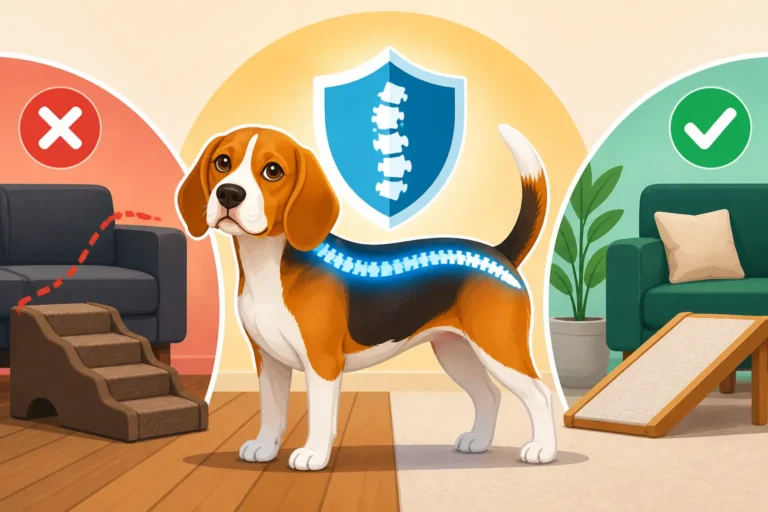
Environmental Modifications: Simple changes around the house can make a huge difference. Providing Ramps for a Beagle's Bed and Car can prevent harmful jumps on and off furniture or in and out of vehicles, protecting their back and hips. Non-slip rugs on slick floors can help prevent slips and falls that can cause injury. A comfortable, orthopedic dog bed can also provide better support for aching joints during rest.
-
Physical Therapy/Massage: In some cases, your vet might recommend canine physical therapy or regular gentle massage. These can help improve range of motion, strengthen supporting muscles, and reduce pain. A certified canine rehabilitation therapist can develop a tailored program for your Beagle.
-
Regular Vet Check-ups: Ongoing monitoring by your veterinarian is essential. They can adjust dosages, suggest new supplements, or recommend additional treatments as your Beagle's needs change. They’ll also be able to catch any new issues early. For Senior Beagle Care After the Age of Ten, these regular check-ups become even more critical.
By taking a holistic approach and combining carefully chosen supplements with these other care strategies, you can provide your Beagle with the best possible support for a comfortable, active life, full of joyful sniffing and happy tail wags.
| Supplement Ingredient | Primary Benefit | How It Helps a Beagle | Typical Forms Available |
|---|---|---|---|
| Glucosamine | Cartilage repair & maintenance | Builds new cartilage, improves joint fluid | Chews, powders, tablets |
| Chondroitin | Cartilage elasticity & shock absorption | Hydrates cartilage, inhibits breakdown | Chews, powders, tablets |
| Omega-3 Fatty Acids | Anti-inflammatory | Reduces joint pain and swelling | Liquid, softgels, chews |
| MSM | Pain relief & anti-inflammatory | Reduces muscle spasms, supports tissues | Chews, powders, tablets |
| Hyaluronic Acid | Joint lubrication & cushioning | Enhances natural joint fluid | Liquid, chews, tablets |
| Green-Lipped Mussel | Comprehensive joint support & anti-inflammatory | All-in-one source of joint nutrients | Powders, chews |
Disclaimer
This article is for general informational purposes only and does not constitute professional advice. Laws, prices and regulations vary by location and change over time. Consult a qualified professional for guidance on your specific situation.