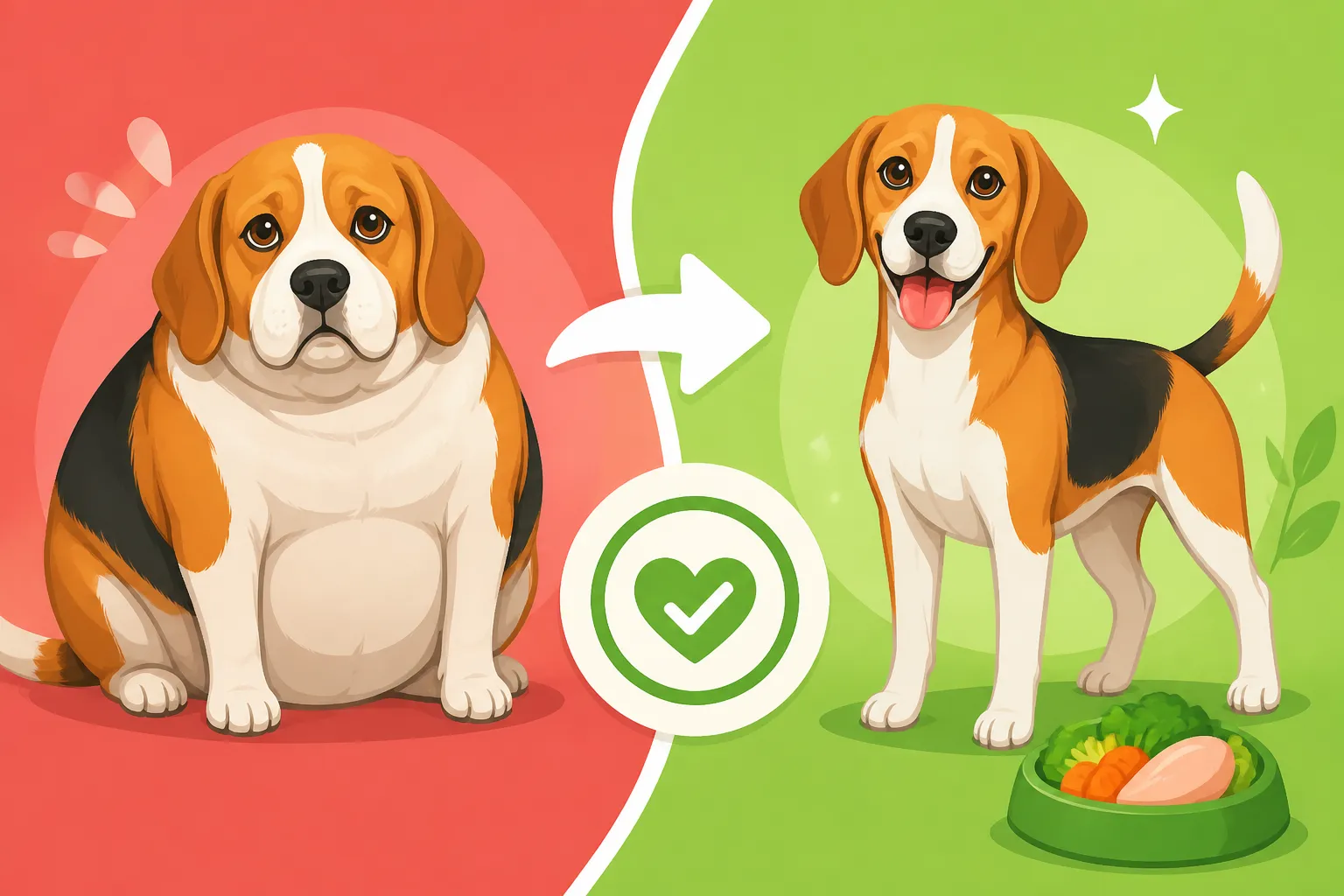
Safe Weekly Weight Loss for an Overweight Beagle
It’s a common scenario: you love your Beagle fiercely, and that means showering them with affection, and perhaps, a few too many treats. Before you know it, those adorable chunky rolls have become a health concern, putting your beloved hound at risk. Helping an overweight Beagle shed those extra pounds isn't just about vanity; it's about extending their healthy lifespan and improving their quality of life. This guide is here to help you navigate the tricky waters of safe, sustainable weight loss, ensuring your Beagle can return to their merry, active self.
Understanding the Health Risks of an Overweight Beagle
It's easy to dismiss a few extra pounds as "just a little cuddly," especially with a breed as endearing and food-motivated as a Beagle. However, that excess weight is more than just cosmetic; it's a silent, persistent burden on their entire system. Ignoring it can lead to a cascade of serious health problems that significantly diminish their comfort and longevity.
The Silent Burden on Joints and Spine
One of the most immediate and painful consequences of obesity in Beagles is the strain it places on their musculoskeletal system. Beagles are already prone to certain joint and back issues due to their build and genetics, and added weight makes these problems far worse, far faster. Imagine carrying a heavy backpack all day, every day – that's what your overweight Beagle experiences.
Excess weight directly contributes to conditions like Beagle Arthritis Arriving in Middle Age. The constant pressure grinds down cartilage, leading to inflammation, pain, and reduced mobility. What starts as a slight stiffness after a nap can progress to chronic, debilitating pain that limits their ability to run, jump, and even walk comfortably. Similarly, while Beagles aren't as high-risk as some larger breeds, Beagle Hip Dysplasia and Everyday Joint Wear can be exacerbated by obesity, leading to premature breakdown and discomfort in their hip joints.
Furthermore, Beagles have a distinctive, slightly longer back, which makes them susceptible to Beagle Disc Disease and That Slightly Long Back. Each extra pound your Beagle carries increases the compressive forces on their intervertebral discs. These discs act as cushions between the vertebrae, and excessive pressure can cause them to bulge or rupture, leading to immense pain, nerve damage, and potentially paralysis. You might notice your once-agile Beagle now hesitates before jumping on the couch, or even refuses stairs, holding their head low because of neck pain. These are critical warning signs that their spine is under duress.
Beyond Joint Pain: Systemic Health Concerns
The impact of obesity extends far beyond just stiff joints. Excess fat tissue is not inert; it's metabolically active, releasing hormones and inflammatory chemicals that can disrupt normal bodily functions and contribute to a host of systemic diseases. It's like a tiny, harmful factory running inside their body.
One of the most concerning systemic risks is the development of Beagle Diabetes and Blood Sugar Control. Obesity leads to insulin resistance, meaning the body's cells don't respond properly to insulin, causing blood sugar levels to rise. This can necessitate daily insulin injections and a strict diet for the rest of their lives, drastically changing your routine and your Beagle's health outlook. Additionally, overweight Beagles are at a higher risk of developing High Blood Pressure in an Overweight Beagle, which can damage organs like the kidneys, heart, and eyes over time.
Their cardiovascular system also takes a hit. The heart has to work harder to pump blood throughout a larger body, and excess fat can accumulate around the heart itself. This increased strain can worsen existing heart conditions or even contribute to new ones, making Beagle Heart Disease and Murmurs a greater concern. Beyond these, obesity can compromise respiratory function, especially in warmer weather, making it harder for your Beagle to cool down and breathe easily. It can also weaken their immune system, making them more susceptible to infections, and even increase the risk of certain types of cancer. Clearly, those extra pounds are a heavy price to pay for your Beagle's overall health.
Setting Realistic Weight Loss Goals for Your Beagle
Embarking on a weight loss journey for your Beagle isn't about drastic changes overnight; it's about a measured, veterinarian-guided approach that prioritizes their health and well-being. Thinking about it like a marathon, not a sprint, is key to success and avoiding setbacks.
How Much Weight is Too Much?
Determining how much weight your Beagle needs to lose starts with understanding their current body condition and their ideal weight. It's easy to misjudge when you see them every day, so objective assessment is crucial. The goal isn't necessarily to get them to a specific number on the scale right away, but to achieve a healthy body condition.
Veterinarians typically aim for a safe and sustainable weight loss of about 1-2% of the dog's total body weight per week. For a Beagle that weighs, say, 35 pounds, this translates to losing just 0.35 to 0.7 pounds a week. That might not sound like much, but it's a healthy, steady pace that allows their body to adjust and helps you establish new, sustainable habits. Rapid weight loss can be dangerous, leading to muscle loss, nutritional deficiencies, and other complications. Slow and steady truly wins the race when it comes to canine weight management.
A great way to assess your Beagle's current weight is through Body Condition Scoring a Beagle Under a Thick Coat. You should be able to easily feel their ribs when you run your hands along their side without pressing hard. They should also have a noticeable waist when viewed from above, and a tuck-up in their abdomen when viewed from the side. If you can't feel ribs easily, if they look like a furry barrel, or if their waistline is absent, then they are likely overweight and it's time to take action.
Collaborating with Your Veterinarian
This isn't a journey you should undertake alone. Your veterinarian is your most valuable partner in your Beagle's weight loss success. They can provide a professional, unbiased assessment and help you create a personalized plan tailored to your Beagle's specific needs, health status, and lifestyle.
The first step with your vet will be a thorough physical examination to rule out any underlying medical conditions that might be contributing to weight gain or making weight loss difficult. For example, a common culprit can be Beagle Hypothyroidism and Sudden Weight Gain, a condition where the thyroid gland doesn't produce enough hormones, leading to a slowed metabolism. If such a condition is present, treating it will be crucial to any successful weight loss efforts.
Your vet will help you determine your Beagle's ideal target weight and calculate the appropriate daily caloric intake needed to achieve that safe 1-2% weekly weight loss. They might recommend specific types of food, such as Prescription Weight Loss Diets Made for a Beagle. These diets are specially formulated to be lower in calories but still provide all essential nutrients, often incorporating higher fiber content to help your Beagle feel full. Regular follow-up visits for weigh-ins and adjustments to the plan are also vital. Your vet can track progress, celebrate successes, and tweak the diet or exercise regimen if your Beagle hits a plateau, ensuring the plan remains effective and safe.
Implementing a Daily Plan for Gradual Weight Loss
Once you've teamed up with your veterinarian and have a clear goal in mind, the real work begins: establishing a consistent daily routine centered around careful calorie control and appropriate exercise. This structure might feel a bit rigid at first, especially if your Beagle has been used to a more flexible feeding schedule, but consistency is the key to gradual, lasting success.
Calorie Control and Food Choices
The absolute bedrock of any successful weight loss plan for a Beagle is meticulous calorie control. It's often where the "hidden" pounds creep in, particularly with a breed renowned for its insatiable appetite. You simply cannot out-exercise a bad diet, especially not with a Beagle.
This means you need to be incredibly precise with how much your Beagle eats. Gone are the days of free-feeding or guessing scoop sizes. Instead, you'll want to be Measuring Beagle Food by Weight Rather Than Cups. A kitchen scale is an invaluable tool for this, as cup measurements can vary wildly depending on density and how tightly the food is packed. Stick to the exact caloric recommendation given by your vet. If your vet has recommended a specific weight loss formula, like those found at Chewy or your local pet supply store, adhere to the serving size instructions carefully.
Don't forget about treats! Every single calorie counts. Many owners underestimate how many calories are in daily treats. If you need treats for training or just to share some love, choose tiny, low-calorie options or use small pieces of their regular kibble from their daily allowance. Consider alternatives for adding bulk to their meals without adding excessive calories. Things like plain steamed green beans, baby carrots, or a spoonful of canned pumpkin (make sure it's 100% pumpkin, not pie filling!) can help your Beagle feel fuller and more satisfied. This is a great way of Bulking Out a Beagle Bowl With Low-Calorie Food, tricking their tummy into feeling more content. Brands like Ollie also offer fresh, pre-portioned meals which can be a fantastic way to control calories precisely, but always discuss with your vet before making a major dietary switch.
Exercise: Quality Over Quantity (Initially)
While diet is paramount, exercise plays a crucial role in burning calories, building lean muscle, and supporting overall health. However, for an overweight Beagle, you can't just jump into an intense running regimen. Their joints and cardiovascular system need a gentle introduction and a gradual increase in activity.
Start with consistent, moderate exercise. Short, frequent walks are much better than one long, exhausting one. Focus on low-impact activities initially. Sniffy walks are particularly excellent for Beagles. Allowing them to follow their nose and explore scents is not only physically tiring but also incredibly mentally stimulating. Why a Scent Walk Tires a Beagle Faster Than Running is a concept many owners underestimate – their powerful noses and active brains burn a lot of energy tracking down invisible trails. Aim for 2-3 shorter walks a day (15-20 minutes each) rather than a single long one.
As your Beagle loses weight and their stamina improves, you can gradually increase the duration and intensity of their exercise. Introduce gentle inclines, longer routes, or even short bursts of play. Just make sure to listen to your Beagle and never push them to the point of exhaustion or pain. If the weather isn't cooperating for outdoor adventures, indoor enrichment is vital. Engaging them with puzzle toys or interactive games can still provide mental and some physical stimulation. You can find a wide variety of these on Amazon or Chewy, designed to keep their minds busy and encourage movement. Remember, Exercise That Actually Burns Beagle Calories will be a critical component of their plan, but it must be tailored to their current physical capabilities.
Monitoring Progress and Making Adjustments
Consistency and patience are your best friends in this journey. Weight loss in dogs, just like in humans, isn't always a straight line. There will be good weeks and weeks where the scale barely budges. Regular monitoring helps you stay on track and allows you and your vet to make informed adjustments.
Schedule regular weigh-ins, ideally weekly or bi-weekly at your vet's office, or with a reliable scale at home. Keep a detailed log of their weight, their food intake (including all treats!), and their exercise for the day. This simple practice can reveal patterns, highlight where extra calories might be sneaking in, and help you identify if a plateau is emerging. If your Beagle's weight loss stalls for more than a couple of weeks, it's time to check back in with your vet. They might suggest a slight reduction in calories or an increase in activity.
It's also important to manage expectations and celebrate small victories. Losing half a pound in a week might not seem like much, but it's progress! Focus on the positive changes you observe in your Beagle: increased energy, more enthusiasm for walks, better mobility. Be patient; Safe Weekly Weight Loss for an Overweight Beagle is a long-term commitment that yields significant health benefits. Finally, remember to involve all family members in the plan. One well-meaning person slipping extra table scraps can derail weeks of hard work. Clear communication about the diet plan is essential for everyone in the household.
Strategies for Managing a Beagle's Appetite During Dieting
Ah, the Beagle appetite. It's legendary, isn't it? One of the biggest hurdles in any Beagle weight loss plan is their seemingly endless hunger and unwavering determination to find food. It can feel like an uphill battle, but with the right strategies, you can manage their food drive without feeling guilty or giving in.
The Ever-Hungry Beagle Persona
Let's be honest, Beagles are essentially walking noses attached to stomachs. They were bred for scent work, which means they are highly motivated by food and have an incredibly efficient ability to seek it out. This isn't "bad behavior" in the human sense; it's deeply ingrained instinct. Your Beagle isn't trying to manipulate you; they are simply following their genetic programming. Validating this reality can help you approach the challenge with more empathy and less frustration.
Because of this intense food drive, you'll need to be smarter than your Beagle when it comes to food access and meal presentation. Instead of giving them one large meal, consider splitting their daily caloric allowance into two or even three smaller meals. This can help them feel less deprived and spreads out their "full" moments throughout the day. Investing in a slow feeder bowl, available from stores like Chewy or Amazon, can make a huge difference. These bowls have obstacles that force your Beagle to eat more slowly, making their meal last longer and reducing the risk of gulping air or immediately feeling hungry again.
Furthermore, consider adding fiber to their diet, as discussed earlier with green beans or pumpkin. Fiber creates a feeling of fullness without adding many calories. Another excellent strategy is to leverage their food drive for good: use their daily kibble allowance as rewards during training sessions or incorporate it into interactive toys.
Countering Counter-Surfing and Trash Raiding
The Beagle's nose isn't just for tracking rabbits; it's a finely tuned instrument for detecting any crumb or discarded snack. This often translates into notorious counter-surfing and trash-raiding habits. When your Beagle is on a diet, these behaviors can become even more pronounced as they actively seek out any available calorie. Beagle Counter Surfing and Trash Raiding are common frustrations for Beagle owners, and during a diet, they pose a direct threat to your weight loss efforts.
The best defense is a good offense: Beagle-proof your home. This means ensuring all food, even seemingly harmless items, is put away and out of reach. Clear counters after cooking, secure pantry doors, and invest in sturdy, Beagle-proof trash cans with locking lids. If your Beagle is particularly adept, consider installing child locks on lower cabinets where food might be stored.
Training a strong "leave it" cue is also incredibly important. Practice this cue diligently, starting with low-value items and gradually increasing the difficulty. When your Beagle successfully leaves a tempting item, reward them with a small piece of their diet-appropriate kibble or a vet-approved low-calorie treat. This teaches them that listening to you can lead to a positive outcome, even when their instincts are screaming "eat it!" Remember, every "stolen" calorie sets back their progress and puts them at risk of Beagle Obesity and the Diseases It Brings On.
Maintaining Motivation and Consistency
Weight loss can be a slow process, and it's easy to get discouraged, especially when your Beagle gives you those classic, pleading "feed me" eyes. It's crucial to maintain your motivation and consistency for their sake. Remember why you started this journey: for a healthier, happier, more active Beagle.
Celebrate every small victory. Did they lose half a pound this week? Great! Did they walk an extra five minutes without stopping? Fantastic! These small successes add up and can keep your spirits high. Focus on the positive changes you're seeing: more energy, easier movement, and a generally brighter demeanor.
Involve your entire family in the process. Designate one person as the "food boss" or ensure everyone understands and adheres to the feeding plan. A shared commitment prevents accidental overfeeding and mixed messages for your Beagle. If you find yourself struggling, don't hesitate to reach back out to your veterinarian. They can offer encouragement, suggest new strategies, or re-evaluate the plan if necessary. Remember, the bond you share with your Beagle is strengthened by your commitment to their well-being. A healthier weight means more years of happy sniffing, exploring, and cuddling with your beloved hound.
| Assessment Area | Healthy Beagle | Overweight Beagle |
|---|---|---|
| Ribs | Easily felt without pressing hard | Difficult to feel under a layer of fat |
| Waistline (Top) | Clearly visible tuck behind the ribs | Absent or only slightly discernible |
| Tuck-up (Side) | Abdomen tucked up from chest to hind legs | Flat or bulging abdomen |
| Energy Level | Eager for walks, plays actively | Lethargic, less interested in play, tires easily |
| Movement | Agile, jumps easily, comfortable on stairs | Stiff, hesitant to jump, struggles with stairs |
| Breathing | Even and quiet at rest | May pant more, heavier breathing, snorts |
Disclaimer
This article is for general informational purposes only and does not constitute professional advice. Laws, prices and regulations vary by location and change over time. Consult a qualified professional for guidance on your specific situation.