Beagle Ear Infections Under Those Long Ears
If you're a Beagle parent, chances are you've already experienced the head shaking, the incessant scratching, or that tell-tale "funky" smell emanating from your beloved pup's ears. It's a frustrating, often messy, and sometimes painful ordeal for both you and your furry family member. This comprehensive guide is here to shed light on why Beagles are so prone to ear infections and, more importantly, how you can prevent, identify, and effectively treat them.
Understanding Why Beagles Are Prone to Ear Infections
It’s no secret that Beagles have those wonderfully long, floppy ears that just beg for a gentle rub. But while they add to their charming appeal, they also create a perfect storm for ear infections. It’s an anatomical quirk that we, as Beagle lovers, simply have to manage.
The Anatomy of a Beagle's Ear
Unlike breeds with upright ears, a Beagle's long ear flaps, known as pinnas, hang down, effectively covering the ear canal. This design is fantastic for keeping debris out when they're sniffing through tall grass or tracking a scent, but it comes with a significant downside. Beneath those adorable, velvety ears lies a winding, L-shaped ear canal that runs deep into their head. This narrow, somewhat tortuous path makes it difficult for air to circulate freely and for moisture and debris to escape naturally. It creates a warm, dark, and humid environment – essentially a cozy little incubator where bacteria and yeast thrive. Imagine trying to air out a deep, narrow cave that’s covered by a heavy curtain; it’s a similar situation inside your Beagle’s ear.
Moisture and Warmth: A Perfect Breeding Ground
Because those long ear flaps essentially seal off the ear canal, any moisture that gets trapped inside tends to stay there. This is especially true after baths, swims, or even just walks in damp weather. That warm, moist environment is exactly what opportunistic pathogens like bacteria and yeast need to multiply rapidly. What might be a minor imbalance in an open-eared dog can quickly escalate into a full-blown infection in a Beagle. We often think of our Beagles as rugged outdoor dogs, but even a simple romp through dewy grass can introduce moisture that, without proper drying, becomes a problem. This constant struggle against dampness is a primary reason why Why Beagle Ears Trap Moisture So Well is such an important topic for every Beagle owner to understand.
Allergies and Their Role
Beyond the anatomical predispositions, many Beagles suffer from underlying allergies that significantly contribute to recurrent ear infections. Both environmental allergies (like pollen, dust mites, or mold) and food allergies can manifest as inflammation and itching throughout the body, with the ears often being a primary target. When a Beagle’s immune system reacts to an allergen, it triggers an inflammatory response. This inflammation causes the lining of the ear canal to swell, further narrowing the passage and increasing moisture production. The itchy skin that accompanies allergies often leads to excessive scratching and head shaking, which can traumatize the ear canal and break the skin, creating entry points for bacteria. It’s a vicious cycle where allergies weaken the ear's natural defenses, making it much more susceptible to infection, and can be a common reason for Beagle Skin Allergies and Constant Itching showing up as ear issues.
Common Types of Beagle Ear Infections
Understanding the different types of ear infections your Beagle might face can help you identify symptoms more accurately and work with your vet to find the right treatment. It's not always a one-size-fits-all situation, and different culprits require different approaches.
Bacterial Infections: The Usual Culprits
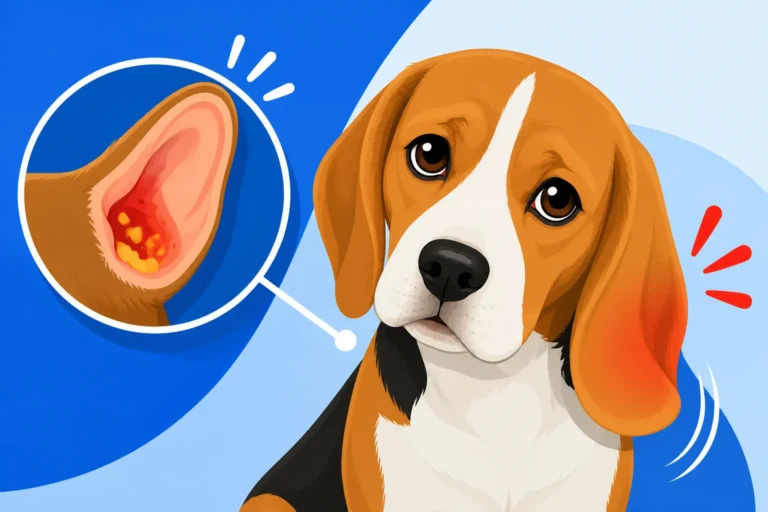
Bacterial infections are arguably the most common type of ear infection in Beagles. These often present with a significant amount of discharge, which can range from yellowish to greenish, sometimes with a strong, unpleasant odor. Your Beagle might be in considerable pain, showing extreme sensitivity when you touch their ears, constantly shaking their head, or scratching frantically. Common bacteria responsible include Staphylococcus and Pseudomonas. These bacteria thrive in the warm, moist environment of a Beagle's ear canal, especially when the natural balance is disrupted by moisture or underlying allergies. If you notice a sudden onset of severe symptoms, a bacterial infection is often the prime suspect, and it typically requires a vet-prescribed antibiotic to clear up.
Yeast Infections: That Distinct Funky Smell
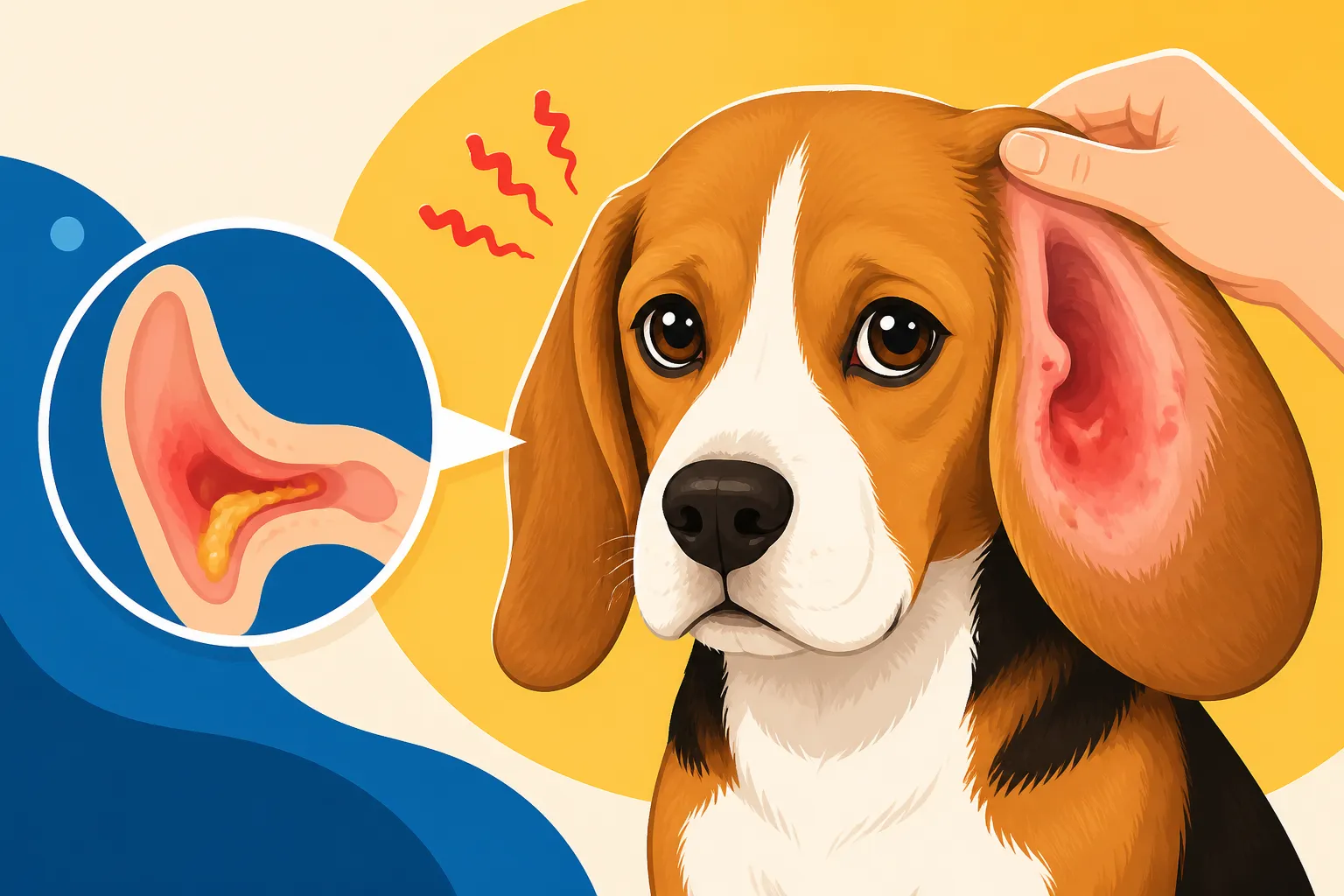
If you've ever thought your Beagle's ears smelled like stale bread, corn chips, or just generally "funky," you're likely dealing with a yeast infection. The most common culprit is Malassezia pachydermatis, a type of yeast that naturally lives on a dog's skin and in their ears but can overgrow when conditions are right. Yeast infections often result in a dark, brownish-black waxy discharge that can be greasy. The ears might appear red and inflamed, and your Beagle will be itchy, leading to more scratching and head shaking. Unlike bacterial infections, yeast infections tend to have a more distinct smell. They are often a secondary issue, flaring up when the ear's environment is compromised by allergies or excessive moisture. This is especially prevalent during humid months, making Beagle Yeast Ear Infections Through Summer a common complaint.
Ear Mites: Less Common in Adults, But a Possibility
While more commonly seen in puppies or dogs who have been exposed to other infested animals, ear mites (Otodectes cynotis) can still affect adult Beagles. These tiny parasites live inside the ear canal and feed on skin debris. The presence of mites causes intense itching, leading your Beagle to scratch vigorously at their ears and shake their head almost constantly. The characteristic sign of ear mites is a dark, dry, crumbly discharge that resembles coffee grounds. This discharge is actually a mixture of ear wax, blood, and mite feces. It's highly contagious among pets, so if one of your Beagles has mites, any other pets in the household should also be checked and treated. Although less frequent in well-cared-for adult Beagles, it's always worth considering, especially if your dog has recently interacted with other animals.
Recognizing the Early Signs of an Ear Infection
Catching an ear infection early can make a huge difference in your Beagle's comfort and the ease of treatment. Because Beagles are so stoic, they might not always make it obvious they’re in pain until an infection is quite advanced. Learning to spot the subtle cues is key.
Behavioral Clues: Head Shaking, Scratching, Sensitivity
One of the first and most obvious signs that something is amiss with your Beagle’s ears is a change in their behavior. You might notice them shaking their head more frequently or vigorously than usual. This isn't just a casual shake after a bath; it's often persistent and sometimes accompanied by a visible flinch or discomfort. Another tell-tale sign is incessant scratching at one or both ears, often with a hind paw. They might rub their ears against furniture or the carpet, desperate to relieve the itch. When you try to pet or scratch their head, they might pull away, yelp, or show signs of pain when you approach their ears, indicating sensitivity. Sometimes, they might hold one ear lower than the other, or seem generally lethargic or withdrawn due to the discomfort. These behavioral changes are often the earliest indicators, even before you see any discharge. Paying attention to these subtle shifts can help you intervene quickly, before the problem escalates to the point of Beagle Ear Hematomas Caused by Head Shaking or more severe pain.
Visual and Olfactory Indicators: Redness, Discharge, Odor
Beyond the behavioral changes, a physical inspection of your Beagle's ears can reveal more explicit signs of an infection. Gently lift their ear flap and look inside the ear canal. Is the skin unusually red or swollen? Does it look inflamed compared to its normal healthy pink? Healthy ear canals should be clean and pale. You might also see visible discharge, which can vary in color and consistency. It could be dark brown and waxy (often yeast), yellow or green and pus-like (bacterial), or a dry, crumbly black substance (mites). And then there’s the smell. A healthy Beagle ear should have little to no odor. If you detect a strong, unpleasant smell—anything from yeasty to overtly foul or sickly sweet—it's a very strong indicator of an infection. That distinct odor is often caused by the metabolic byproducts of bacteria or yeast flourishing within the ear canal. This combination of visual cues and a noticeable smell are classic Beagle Ear Infection Symptoms to Catch Early.
Pain and Discomfort: How Your Beagle Communicates It
A Beagle in significant ear pain might communicate it in various ways. Beyond the obvious yelping or pulling away when their ear is touched, you might observe more subtle signs. They might become restless, unable to settle down comfortably, constantly shifting positions or trying to relieve the pressure in their ear. Some Beagles might lean their head to one side, favoring the unaffected ear, or become unusually quiet and subdued. A severe infection can even affect their balance, leading to a slight head tilt or reluctance to jump. In extreme cases, the pain can radiate to their jaw, making them hesitant to chew or eat. If you notice any of these signs, particularly coupled with the visual or olfactory indicators, it's crucial to seek veterinary attention promptly. Your Beagle relies on you to recognize their discomfort and get them the help they need.
At-Home Ear Care and Prevention Strategies
While you can’t completely eliminate the risk of ear infections in a Beagle, you can significantly reduce their frequency and severity with a consistent and proper at-home ear care routine. Prevention truly is the best medicine here.
Establishing a Routine: How Often and What to Use
Consistency is paramount when it comes to Beagle ear health. For most Beagles, a weekly ear check and cleaning routine is ideal, but some highly susceptible dogs might benefit from more frequent cleaning, perhaps twice a week. The goal isn't to over-clean, which can irritate the delicate ear canal, but to prevent the buildup of wax, moisture, and debris. You'll need a good quality, vet-approved ear cleaning solution designed for dogs. Look for solutions that are pH-balanced, non-irritating, and ideally contain drying agents to help remove moisture. Avoid using cotton swabs deep inside the ear canal, as these can push debris further in or damage the eardrum. Instead, use soft cotton balls or gauze. Having a designated "ear cleaning kit" ready makes the process easier and less stressful for both of you. Many vets can recommend specific brands like Epi-Otic or TrizEDTA, which are commonly available and effective. Knowing How Often a Beagle's Ears Need Cleaning will depend on their individual susceptibility.
Proper Ear Cleaning Techniques: Step-by-Step Guide
Cleaning your Beagle's ears might seem daunting at first, but with a calm approach and a few treats, it can become a routine they tolerate, or even enjoy. Here’s a simple step-by-step guide:
- Gather your supplies: Ear cleaning solution, cotton balls or gauze, and plenty of treats.
- Position your Beagle: Choose a comfortable spot where they feel secure, perhaps on your lap or on a grooming table. Having a helper to gently hold them can be beneficial.
- Apply the solution: Gently lift your Beagle’s ear flap. Hold the bottle of ear cleaner above the ear canal and fill the canal until it overflows slightly. Don't worry about getting too much in; a good flush is the goal.
- Massage the base of the ear: Gently massage the base of their ear for about 20-30 seconds. You should hear a squishing sound, which indicates the solution is breaking up wax and debris deep inside.
- Let them shake it out: Allow your Beagle to shake their head. This helps dislodge debris and brings it to the surface. Stand back or use a towel to shield yourself from the spray!
- Wipe away debris: Use a fresh cotton ball or gauze to gently wipe away any visible solution, wax, and debris from the outer ear flap and the entrance of the ear canal. Only go as far as your finger can comfortably reach; never insert anything into the deeper canal.
- Reward: Always finish with praise and treats to create a positive association with ear cleaning.
This technique is essential for effective Cleaning a Beagle Ear Before Infection Starts.
Drying Ears Thoroughly: Post-Bath and Post-Swim Care
Thorough drying after any water exposure is perhaps the most critical step in preventing ear infections in Beagles. Their long, floppy ears prevent natural air circulation, meaning trapped moisture can linger for hours. After baths, swims, or even walks in the rain or heavy dew, make it a point to gently dry the inside of your Beagle’s ear flaps and the entrance to the ear canal with a soft towel or cotton ball. You can even use a small amount of ear drying solution specifically designed for this purpose. Avoid using cotton swabs. If your Beagle is a keen swimmer, consider investing in a dog ear band or ear plugs for extra protection, though these can be tricky to keep in place. A few extra minutes of careful drying can prevent days or weeks of painful infection and expensive vet visits. Remember, a dry ear is a healthy ear, especially for a breed so susceptible to moisture-related issues.
When to Seek Veterinary Help
While consistent at-home care is crucial, there will be times when a Beagle's ear infection needs professional veterinary intervention. Ignoring symptoms or delaying treatment can lead to more severe pain, chronic issues, or even permanent damage.
Persistent Symptoms: When Home Care Isn't Enough
You’ve been diligently cleaning your Beagle’s ears, following all the prevention tips, but the symptoms just aren't getting better. Perhaps the head shaking continues, the scratching persists, or that stubborn odor just won't go away. If you've been using over-the-counter ear cleaners for a few days and don't see any improvement, or if the symptoms seem to be worsening, it's a clear sign that you need to schedule a vet visit. What might look like a mild irritation to you could be a deeper, more entrenched infection that requires specific medication. Sometimes, the initial signs of an ear infection can be subtle, and then suddenly escalate, indicating a more aggressive pathogen at play. Never hesitate if you feel you've done what you can at home and the problem isn't resolving. Even a common issue can become complicated without proper diagnosis. This is where What a Beagle Ear Infection Visit Costs might become a factor, but prompt attention is always best.
Severe Pain or Swelling: Emergency Signs
Some ear infections can escalate rapidly, causing intense pain and swelling that warrants immediate veterinary attention. If you notice your Beagle is crying out when their ear is touched, if the ear flap itself is hot to the touch and visibly swollen, or if they are holding their head severely tilted, these are emergency signs. You might also see blood or purulent discharge (thick, yellow-green pus) coming from the ear. A severely painful ear can make your Beagle lethargic, refuse to eat, or even become unusually irritable or aggressive due to discomfort. In some cases, severe head shaking due to intense itching can lead to an aural hematoma – a blood blister on the ear flap – which often requires surgical intervention. These acute symptoms indicate a potentially serious problem that requires prompt medical care to alleviate pain and prevent further complications.
Changes in Balance or Hearing: More Serious Complications
An ear infection that progresses into the middle or inner ear can lead to much more serious neurological symptoms. If you observe your Beagle struggling with their balance, walking in circles, losing coordination, or developing a persistent head tilt that isn't just a casual lean, these could be signs of a vestibular issue caused by the infection. The vestibular system, located in the inner ear, is responsible for balance. Another worrying sign is a noticeable change in their hearing. While Beagles are known for their keen sense of smell, their hearing is also critical. If they stop responding to sounds they usually would, or seem disoriented by noises, it could indicate hearing loss related to the infection. These symptoms are serious and require immediate veterinary evaluation to determine the extent of the infection and prevent potential permanent damage.
Veterinary Diagnosis and Treatment Options
When your Beagle's ear problem goes beyond what you can handle at home, your veterinarian becomes your most important ally. They have the tools and expertise to properly diagnose the issue and formulate an effective treatment plan.
The Ear Exam and Otoscope: What the Vet Looks For
The first step at the vet's office will be a thorough physical examination, with a particular focus on your Beagle's ears. Your vet will visually inspect the outer ear flaps for any redness, swelling, or lesions. Then, using an otoscope – a specialized instrument with a light and a magnifying lens – they will carefully examine the horizontal and vertical ear canals, all the way down to the eardrum. This allows them to assess the severity of inflammation, identify any foreign bodies (like grass awns, which Beagles are prone to picking up with their low-to-the-ground sniffing habits), look for polyps or tumors, and check the integrity of the eardrum. It also helps them determine the type and amount of discharge present, which gives initial clues about the kind of infection. This crucial examination guides the next steps in diagnosis.
Cytology and Culture: Identifying the Specific Pathogen
After the visual exam, your vet will almost certainly perform an ear cytology. This involves taking a swab of the discharge from the ear canal and examining it under a microscope. This simple yet powerful test allows them to immediately identify whether the infection is caused by bacteria, yeast, or mites, and often even gives an idea of the specific types of bacteria present. This direct identification is critical because bacterial and yeast infections require different medications. For more complex or chronic infections, or if the initial treatment isn't working, your vet might also recommend an ear culture and sensitivity test. This sends a sample to a lab to grow the specific bacteria or yeast, and then test which antibiotics or antifungals are most effective against it. This targeted approach ensures your Beagle gets the most appropriate and potent medication, especially important for managing Beagle Yeast Ear Infections That Keep Returning.
Medicated Ear Drops and Oral Medications: Common Treatments
Based on the diagnostic findings, your vet will prescribe the appropriate course of treatment. For most ear infections, this involves medicated ear drops or ointments. These topical medications often contain a combination of antibiotics (for bacterial infections), antifungals (for yeast infections), and anti-inflammatory steroids (to reduce swelling and pain). It's crucial to administer these drops exactly as prescribed for the full duration, even if your Beagle's ears appear to improve quickly. Stopping early can lead to a relapse and antibiotic resistance. In more severe cases, especially if the infection has spread beyond the ear canal or if your Beagle is in significant pain, oral antibiotics, antifungals, or anti-inflammatory medications may also be prescribed. Your vet might also recommend a thorough professional ear cleaning under sedation to remove stubborn debris and allow the medications to penetrate more effectively.
Managing Chronic or Recurrent Ear Infections
For some Beagles, ear infections aren't a one-off problem but a frustrating recurring battle. Managing chronic infections requires a more holistic and often long-term approach to get to the root cause. This is where the long-term cost can really add up, making a consideration like pet insurance from providers like Healthy Paws incredibly valuable for budgeting for your Beagle's health.
Identifying Underlying Causes: Allergies, Thyroid, Polyps
When ear infections keep coming back, it's a strong signal that there's an underlying issue that hasn't been addressed. The most common culprit is allergies – either environmental (atopy) or food-related. Your vet might suggest an elimination diet to pinpoint food sensitivities or discuss allergy testing to identify environmental allergens. Another less common but important cause is hypothyroidism, an underactive thyroid gland, which can affect skin and coat health, including the ears. Beagle Hypothyroidism and Sudden Weight Gain is a common pairing, but ear issues can also be a symptom. Regular thyroid testing might be recommended. In some cases, growths like polyps or tumors within the ear canal can obstruct airflow and provide a constant source of irritation, leading to chronic infections. Less frequently, autoimmune diseases or certain hormonal imbalances can also predispose Beagles to recurrent ear problems. Thorough investigation is key to breaking the cycle.
Long-Term Management Plans: Prevention Over Cure
Once the underlying cause is identified (or if it's determined to be primarily anatomical), a long-term management plan is essential. This often involves a multi-pronged approach tailored to your Beagle's specific needs. For Beagles with allergies, this might include regular bathing with medicated shampoos, antihistamines, immunotherapy (allergy shots or oral drops), or prescription anti-itch medications like Apoquel or Cytopoint. For those with hypothyroidism, daily thyroid medication will be necessary. Even if the cause is purely anatomical, a rigorous weekly ear cleaning schedule with a vet-approved solution will be non-negotiable. Regular follow-up vet visits are crucial to monitor progress and adjust the plan as needed. The goal is to create an environment in your Beagle's ears where pathogens can't thrive, effectively shifting from a reactive "cure" mindset to a proactive "prevention" strategy.
Surgical Interventions: When All Else Fails
In severe, chronic, and unresponsive cases, particularly those involving extreme narrowing of the ear canal, resistant infections, or recurrent tumors, surgical intervention might be considered. The most common procedure for chronic ear disease is a Total Ear Canal Ablation (TECA) with Bulla Osteotomy. This radical surgery involves removing the entire ear canal and the tympanic bulla (a bone near the middle ear). While it sounds extreme, for Beagles suffering from relentless, painful infections that no medication can control, it can be a life-changing procedure, offering complete relief from pain and infection. However, it does result in permanent hearing loss in the affected ear. This surgery is a last resort, typically considered only after all other medical treatments have failed and the Beagle's quality of life is severely impacted by chronic pain and discomfort. It's a significant decision, and your vet will discuss all pros and cons in detail. When faced with such extensive medical needs, having robust pet insurance from a company like Healthy Paws can significantly ease the financial burden.
The Impact of Diet and Allergies on Ear Health
It's easy to view ear infections as an isolated issue, but for many Beagles, they're often a symptom of a larger, systemic problem, with diet and allergies playing a starring role. What goes into your Beagle's body, and what they're exposed to, can have a direct impact on the health of their ears.
Food Allergies and Ear Flare-ups: Connecting the Dots
Food allergies in Beagles often manifest as skin problems, and persistent ear infections are a classic sign. Unlike food intolerances, which cause digestive upset, food allergies involve an immune response to a specific protein source (like chicken, beef, dairy, or wheat). This immune reaction triggers inflammation throughout the body, including the delicate skin lining the ear canals. The result? Itchy, inflamed ears that become ripe for secondary bacterial or yeast infections. If your Beagle has recurrent ear infections without any clear external cause, especially if accompanied by other signs like itchy skin, paw licking, or digestive upset, your vet might recommend an elimination diet. This involves feeding a novel protein or hydrolyzed protein diet exclusively for several weeks to see if symptoms improve. If they do, you've likely found a dietary trigger that needs to be permanently avoided. Finding the right food is crucial, and it’s a journey often discussed when owners are troubleshooting Beagle Food Allergies Showing Up on the Skin.
Environmental Allergies: Pollen, Dust Mites, and Their Effect
Just like people, Beagles can suffer from environmental allergies, also known as atopy. Common allergens include pollen (from trees, grasses, and weeds), dust mites, mold spores, and even dander from other animals. When a Beagle inhales these allergens, their immune system overreacts, leading to skin inflammation and intense itching. And guess where some of the most sensitive skin is? Yep, the ears. The constant irritation and inflammation in the ear canals make them highly susceptible to secondary bacterial and yeast infections. Managing environmental allergies can involve various strategies, including regular bathing with hypoallergenic shampoos, avoiding known triggers where possible, using air purifiers, and working with your vet on medications or immunotherapy (allergy shots or oral drops) to desensitize your Beagle to the allergens. This long-term management is often critical to preventing the cyclical nature of ear infections.
Hypothyroidism: A Less Obvious Culprit
While less common than allergies, hypothyroidism (an underactive thyroid gland) can also contribute to chronic ear infections in Beagles. The thyroid gland produces hormones that regulate metabolism, and when these levels are too low, it can affect skin health, leading to dry, flaky skin, poor coat quality, and a compromised immune system. This makes the skin, including that in the ear canals, more vulnerable to infections. Other signs of hypothyroidism can include weight gain, lethargy, hair loss, and intolerance to cold. If your Beagle is suffering from recurrent ear infections along with some of these other symptoms, your vet will likely recommend a thyroid panel to check their hormone levels. If diagnosed, hypothyroidism is typically managed with daily thyroid hormone supplementation, which can dramatically improve overall skin health and reduce the incidence of ear infections. Early detection through regular vet check-ups is key for conditions like Beagle Hypothyroidism and Sudden Weight Gain which impact more than just their waistline.
Table: Comparing Common Beagle Ear Infection Types
To help you quickly identify what might be bothering your Beagle, here’s a quick comparison of the most common ear infection types. Remember, this is for informational purposes, and a vet visit is always necessary for a definitive diagnosis and treatment plan.
| Feature | Bacterial Infection | Yeast Infection | Ear Mites |
|---|---|---|---|
| Typical Appearance | Yellowish to greenish pus-like discharge; red, swollen canal. | Dark brown, waxy, greasy discharge; red, inflamed canal. | Dark, dry, crumbly discharge (like coffee grounds). |
| Common Odor | Strong, foul, or pungent. | Sweet, musty, "corn chip" smell. | Little to no distinct odor, sometimes faint musty. |
| Primary Symptoms | Intense pain, head shaking, scratching, sensitivity to touch, fever (in severe cases). | Intense itching, head shaking, scratching, rubbing ears, discomfort. | Severe, incessant itching, head shaking, scratching, visible "coffee grounds" debris. |
| Common Causes | Trapped moisture, allergies, foreign bodies, compromised immunity. | Overgrowth due to moisture, allergies, antibiotic use. | Contagion from other infested animals (often puppies). |
| Treatment | Vet-prescribed antibiotic ear drops/oral antibiotics; professional cleaning. | Vet-prescribed antifungal ear drops/oral antifungals; professional cleaning. | Vet-prescribed antiparasitic ear drops/oral medication; environmental treatment. |
| Risk Factors | Floppy ears, swimming, allergies, underlying health issues. | Floppy ears, humidity, allergies, recent antibiotic use. | Exposure to other animals, poor hygiene, young age. |
Disclaimer
The information provided in this guide is for general educational purposes only and is not intended to be a substitute for professional veterinary advice, diagnosis, or treatment. Always seek the advice of your veterinarian or other qualified animal health provider with any questions you may have regarding a medical condition for your Beagle.