Beagle Back Problems and Intervertebral Disc Disease
One of the most heart-wrenching concerns for any Beagle parent is watching their beloved hound struggle with pain or mobility issues, especially when it involves their back. The reality is, while Beagles are generally robust dogs, their unique body structure, characterized by that famously long back, can unfortunately predispose them to significant spinal problems, with Intervertebral Disc Disease (IVDD) being a primary culprit. This comprehensive guide aims to arm you with everything you need to know about Beagle back problems, from understanding their origins to recognizing symptoms, seeking diagnosis, exploring treatment options, and implementing crucial preventative measures.
Understanding the Beagle Spine and Its Vulnerabilities
Our Beagles are built for scent work, with powerful legs and that iconic long, sturdy back designed to cover ground and keep that nose to the trail. However, this very build, while perfect for their original purpose, also carries a specific architectural challenge for their spine. It's a reality that many owners don't fully grasp until a problem arises, and it can be a source of immense worry and guilt, wondering if you could have done more.
The Anatomy of a Beagle's Back
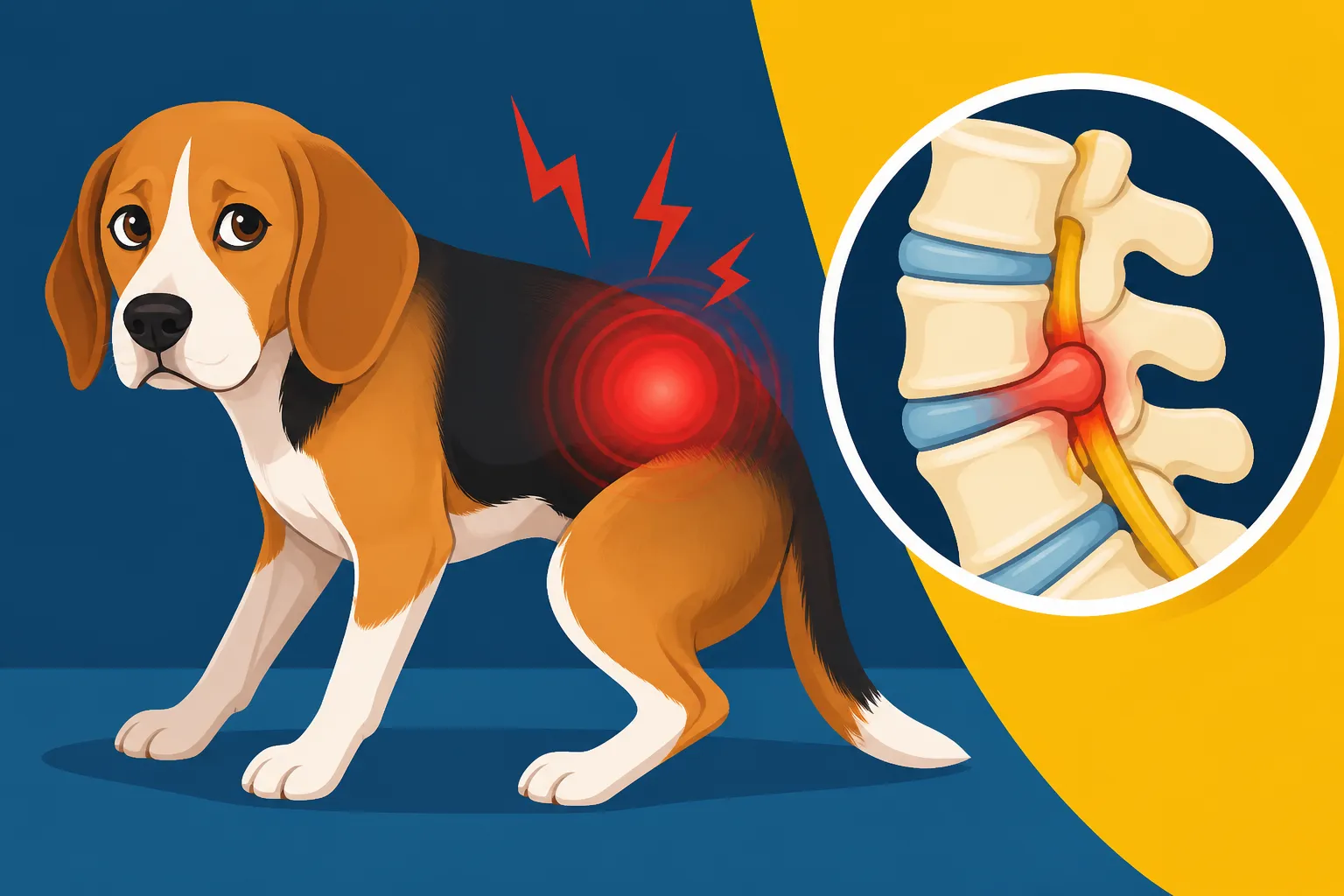
To truly understand Beagle back issues, we need a quick peek at the spine itself. Imagine a series of small, bony blocks, called vertebrae, stacked one on top of the other, running from your Beagle's neck all the way to the tip of their tail. Between each of these vertebrae lies a cushion, a shock absorber, known as an intervertebral disc. These discs are like jelly donuts: a tough outer fibrous ring (annulus fibrosus) encasing a soft, gelatinous center (nucleus pulposus). Their job is to allow flexibility and absorb impact, protecting the delicate spinal cord that runs through the vertebral column. Think about all the twisting, jumping, and wriggling your Beagle does – these discs are working overtime!
The spinal cord itself is a superhighway of nerves, transmitting messages between the brain and the rest of the body. Any pressure or damage to this vital structure can have profound effects, leading to pain, weakness, and even paralysis. Because Beagles have a longer torso relative to their leg length, the forces exerted on their spinal column during everyday movements can be distributed differently, sometimes leading to increased stress on these crucial discs. It's not just a matter of their back looking long; it's how the biomechanics of their movement interact with that length that creates potential vulnerabilities. You might think, "Why a Beagle Back Is Longer Than It Looks," and this is precisely why it's a concern.
Why Beagles Are Prone to Disc Issues
Beagles belong to a group of breeds known as "chondrodystrophic" breeds. This fancy term simply means they have a genetic predisposition for abnormal cartilage development, which results in shorter, stockier legs and, crucially, affects the intervertebral discs. Other breeds in this category include Dachshunds, Corgis, and French Bulldogs – breeds also famously known for their back problems. In chondrodystrophic breeds, the intervertebral discs undergo a premature degeneration process, often starting quite early in life, sometimes even before they reach their first birthday. Instead of remaining soft and gelatinous, the disc's center (the "jelly" part) hardens and calcifies. It becomes less like a cushion and more like a hardened piece of cartilage.
This hardening makes the discs brittle and far more susceptible to rupturing or herniating. A simple jump off the couch, a quick twist during play, or even an awkward landing can cause one of these degenerated discs to suddenly burst, spilling its contents into the spinal canal and compressing the spinal cord. This is the essence of IVDD, and for Beagles, it's not a matter of "if" but often "when" some disc degeneration begins. It’s important for owners to realize this isn't necessarily due to something they did wrong, but rather an inherent genetic vulnerability that requires proactive management.
What Exactly is Intervertebral Disc Disease (IVDD)?
Intervertebral Disc Disease, or IVDD, is the most common spinal cord disease in dogs. It's a serious condition that can range from mild discomfort to complete paralysis. When a disc protrudes or ruptures, it presses on the spinal cord, causing neurological signs. The severity of these signs depends on how much pressure is applied and where along the spine the injury occurs. It can be a truly terrifying experience for an owner to witness their dog suddenly lose the use of its legs or cry out in pain.
Type I IVDD: The Sudden Herniation
Type I IVDD is the acute, sudden-onset version often seen in chondrodystrophic breeds like our Beagles. This is where the hardened, degenerated nucleus pulposus (the "jelly" center) suddenly ruptures through the outer fibrous ring (the "donut") and bursts into the spinal canal. Imagine that hardened piece of cartilage launching itself against the delicate spinal cord. The impact and subsequent compression cause inflammation, pain, and neurological deficits. This can happen quite rapidly, often triggered by a seemingly innocuous movement like jumping off furniture, roughhousing, or even just stretching in an odd way.
The signs of a Type I herniation are usually dramatic: a sudden yelp of pain, a reluctance to move, an inability to use one or more legs, or even paralysis. The location of the ruptured disc determines which part of the body is affected. A disc rupture in the neck (cervical spine) can cause intense neck pain, a low head carriage, muscle spasms, and weakness or paralysis in all four limbs. If the rupture occurs in the middle or lower back (thoracolumbar spine), you'll typically see hind limb weakness or paralysis. This is often the type of incident that sends frantic owners to the emergency vet, especially when their Beagle suddenly cannot get up or is dragging their hind legs.
Type II IVDD: The Gradual Degeneration
Type II IVDD is a more chronic, slowly progressive form of disc disease, typically seen in older, larger breed dogs, but it can also affect Beagles. In this type, the outer fibrous ring of the disc thickens and slowly bulges into the spinal canal, rather than a sudden rupture. It's less like a sudden explosion and more like a slow, insidious encroachment. This bulging disc puts gradual, increasing pressure on the spinal cord over time.
Because the progression is slower, the symptoms of Type II IVDD tend to be more subtle and chronic. You might notice a gradual decline in your Beagle's mobility, a stiffness after resting, a reluctance to jump, or just a general "slowing down" that you might initially dismiss as old age. They might develop A Beagle Walking Wobbly and What It Means or Hind Leg Weakness in a Middle-Aged Beagle that comes and goes. The pain might not be as acute as with Type I, but it's a persistent, nagging discomfort. This makes diagnosis a bit trickier, as the onset isn't as dramatic. Owners might report that their dog just isn't quite right, but pinpointing the exact issue can take time and careful observation.
Recognizing the Warning Signs of Back Pain in Your Beagle
Catching back pain early can make a huge difference in the prognosis for your Beagle. Beagles are notoriously stoic and can sometimes hide their pain, especially if they think they'll miss out on a treat or an adventure. This makes diligent observation even more critical. It’s incredibly frustrating when your dog is clearly uncomfortable but can't tell you where it hurts.
Subtle Changes in Behavior and Movement
Often, the first signs of a looming back problem aren't dramatic yelps but rather subtle shifts in your Beagle's everyday habits. They might start hesitating before jumping on the couch, or perhaps you notice A Beagle That Suddenly Will Not Jump on the Couch. They may also be reluctant to use stairs or climb into the car. Instead of their usual eager greetings, they might be slower to rise or avoid certain movements. You might notice a change in their posture, perhaps a hunched back, or a tendency to keep their head held low, which could signal Beagle Neck Pain and a Head Held Low.
Beyond physical movements, pay attention to behavioral cues. A Beagle in pain might become withdrawn, less enthusiastic about walks or playtime, or even a bit irritable when touched in certain areas. They might tremble or shiver, even if the house isn't cold. Licking at their paws or other parts of their body excessively can also be a self-soothing mechanism for discomfort. Changes in appetite or potty habits (difficulty squatting to urinate or defecate) can also be indirect signs of spinal pain making these natural actions difficult. These small, seemingly insignificant changes are often the Early Beagle Disc Signs Long Before Paralysis and are crucial to pick up on.
More Obvious Indicators of Distress
If the disc problem progresses or involves a more acute injury, the signs will become much more obvious and distressing. You might hear your Beagle yelp loudly when picked up, or even just as they try to move. They may cry out when you touch their back or neck. Muscle spasms along their spine are a clear indicator of severe pain.
Neurological signs can quickly become apparent. This could manifest as weakness in one or more limbs, particularly the hind legs. They might drag their paws, stumble, or struggle to coordinate their movements, leading to a "drunken" gait. In severe cases, they may lose control of their bladder or bowels. They might refuse to move altogether, lying rigidly in one spot. If you notice any of these more severe symptoms, it's critical to seek veterinary attention immediately. These aren't just signs of discomfort; they are potential emergencies that demand swift action to prevent irreversible damage to the spinal cord. Don't delay, as every hour can count in preserving neurological function.
When to Seek Emergency Veterinary Care
Knowing when to act quickly is paramount. You should consider it an emergency and contact your veterinarian or an emergency veterinary clinic immediately if your Beagle:
- Suddenly collapses or cannot use one or more legs.
- Shows signs of extreme pain, such as constant yelping, uncontrollable shivering, or aggression when touched.
- Loses bladder or bowel control.
- Has a noticeably hunched back and is unwilling to move.
- Is dragging their hind legs or appears paralyzed.
These are all critical signs of a severe spinal cord compression that requires urgent medical intervention. While it's terrifying, remaining calm and getting your Beagle to the vet as quickly and as safely as possible is the best course of action. Gently place them on a firm surface, like a board or a large towel, to minimize movement of their spine during transport.
Diagnosing IVDD in Beagles: What to Expect at the Vet
When you bring your Beagle in with suspected back pain, your veterinarian will embark on a thorough diagnostic process to pinpoint the exact issue. This usually starts with a detailed history and a comprehensive physical exam, moving on to more advanced imaging if needed. The goal is to accurately locate the problem area and assess the severity of the spinal cord compression.
The Initial Physical and Neurological Exam
The first step will be a detailed conversation about your Beagle's symptoms, when they started, what you've observed, and any potential incidents that might have occurred. Your vet will want to know about your Beagle's activity level, appetite, and any changes in their bathroom habits. Be as specific as possible; even small details can be vital clues.
Following this, your vet will perform a comprehensive physical and neurological exam. This is a hands-on assessment where they will gently palpate your Beagle's spine, checking for areas of pain, muscle spasms, or heat. They will also assess your Beagle's reflexes, proprioception (their awareness of where their limbs are in space), gait, and muscle tone. They might ask your Beagle to walk, turn, or respond to various stimuli to evaluate their neurological function. This includes checking for deep pain sensation, which involves pinching their toes to see if they retract the limb and acknowledge the pain with a head turn or cry. The degree of neurological deficit (from mild pain to full paralysis without deep pain sensation) is crucial for determining the treatment plan and prognosis. This initial exam helps the vet narrow down the location of the spinal issue and its potential severity.
Advanced Imaging: X-rays, MRI, and Myelography
While X-rays are often the first imaging tool used, it's important to understand their limitations for IVDD. Standard X-rays can show the bony structures of the spine and might reveal narrowed disc spaces or calcified discs, but they don't show the spinal cord itself or the soft tissues like the discs clearly. They can rule out other issues like fractures or tumors, but they can't definitively diagnose IVDD or the extent of spinal cord compression.
For a definitive diagnosis and to precisely locate the herniated disc, more advanced imaging is necessary.
- MRI (Magnetic Resonance Imaging): This is considered the gold standard for diagnosing IVDD. An MRI provides highly detailed images of soft tissues, including the spinal cord, discs, and surrounding structures. It can clearly show the location and extent of disc herniation and how much it's compressing the spinal cord. The downside is that an MRI requires general anesthesia, is expensive, and is typically only available at specialty veterinary hospitals. However, it provides the most comprehensive picture for surgical planning.
- CT (Computed Tomography) Scan: A CT scan can also provide detailed images of the spine and is often faster and less expensive than an MRI, though still requires anesthesia. While good for bony structures, it's not quite as detailed for soft tissues as an MRI. It can still be very effective in identifying disc herniations.
- Myelography: This involves injecting a special dye into the fluid surrounding the spinal cord, then taking X-rays or a CT scan. The dye highlights the spinal cord, and any compression from a herniated disc will show up as an indentation or blockage of the dye flow. Myelography is an older technique that carries slightly more risk than MRI (like potential seizures from the dye) but is often more accessible and less costly than MRI. It also requires anesthesia.
Your vet will discuss the pros and cons of each imaging option based on your Beagle's condition, your location, and your budget. Getting a clear picture of the problem is essential for making informed decisions about treatment.
Managing Beagle Back Pain and IVDD: Treatment Options
Once IVDD is diagnosed, your vet will discuss the various treatment pathways. The approach depends heavily on the severity of the neurological signs, the duration of symptoms, and whether it's a first-time episode or a recurring problem. It's a journey that often requires significant commitment and patience.
Conservative Management: Rest and Medication
For Beagles with mild to moderate pain and minimal neurological deficits (like weakness but still able to walk), conservative management is often the first line of treatment. The cornerstone of this approach is strict crate rest. This isn't just "taking it easy"; it means your Beagle needs to be confined to a small crate or pen 24/7 for several weeks, typically 4-6 weeks, with exceptions only for potty breaks on a leash. This is incredibly difficult for active Beagles, but it's crucial for allowing the injured disc to heal and scar over, preventing further protrusion. If you need help with this, consider reading about Crate Rest for a Beagle With a Disc Injury.
Alongside crate rest, medication is prescribed to manage pain and inflammation. This often includes:
- Anti-inflammatory drugs: Non-steroidal anti-inflammatory drugs (NSAIDs) like carprofen or meloxicam are commonly used to reduce pain and swelling. In more severe cases, corticosteroids (like prednisone) might be prescribed for their powerful anti-inflammatory effects. Your vet will decide which is appropriate and monitor for side effects.
- Pain relievers: Additional pain medications like gabapentin or tramadol may be used to provide further pain relief, especially nerve pain.
- Muscle relaxants: Medications like methocarbamol can help alleviate painful muscle spasms that often accompany disc injuries.
During this period, monitoring your Beagle closely is vital. Any worsening of symptoms, or the development of new neurological signs, means you need to contact your vet immediately, as it could indicate the need for surgical intervention. This conservative path can be very successful, but it requires unwavering dedication to restrict your Beagle's activity. Remember, pet insurance providers like Healthy Paws often cover treatment for IVDD, which can be a huge relief given the potential costs.
Surgical Interventions for Severe Cases
When conservative management isn't enough, or if your Beagle presents with severe neurological deficits (like paralysis or loss of deep pain sensation), surgery becomes the most viable option. The goal of surgery is to remove the material compressing the spinal cord, thereby relieving pressure and allowing the cord to heal.
There are several surgical techniques, but the most common involve opening a window in the bone (vertebral lamina) over the spinal cord (laminectomy) to access and remove the herniated disc material. This delicate procedure is performed by a veterinary neurologist or surgeon. The specific approach depends on the location of the injury.
- Hemilaminectomy: The most common surgery for disc herniations in the mid-to-lower back (thoracolumbar spine). A portion of the vertebrae is removed on one side to expose the spinal canal and allow the surgeon to remove the herniated disc material.
- Ventral Slot: Used for disc herniations in the neck (cervical spine). A small window is created on the underside of the neck vertebrae to access and remove the disc material.
Surgery carries risks, as does any anesthesia, but the success rate can be very high, especially when performed quickly after the onset of severe symptoms. The recovery period is significant, involving more strict rest and often intensive physical rehabilitation. You'll want to discuss Beagle Disc Surgery and the Odds of Recovery thoroughly with your veterinary specialist.
Post-Surgery Care and Rehabilitation
Surgery is often just the beginning of the recovery journey. Post-operative care is critical for a successful outcome. Immediately after surgery, your Beagle will likely be hospitalized for several days for pain management, wound care, and close monitoring of their neurological status. Once home, strict confinement is paramount for several weeks, similar to conservative management. This is essential to allow the surgical site to heal and prevent further injury.
Physical rehabilitation plays a massive role in regaining strength, coordination, and mobility. A certified canine rehabilitation therapist (CCRT) or veterinarian can guide you through exercises. This might include:
- Passive range of motion (PROM) exercises: Gently moving your Beagle's limbs to maintain joint flexibility and muscle health.
- Therapeutic exercises: Specific movements to rebuild strength and balance.
- Underwater treadmill therapy: Buoyancy in water reduces weight-bearing stress, making it easier for your Beagle to move and build muscle without excessive strain.
- Massage and stretching: To improve circulation and reduce muscle tightness.
- Laser therapy: To reduce pain and inflammation and promote healing.
Rehabilitation can be a long and challenging process, requiring patience and dedication. However, it significantly improves the chances of a full recovery and helps your Beagle regain a good quality of life. Many owners find working with a physical therapist incredibly rewarding, watching their Beagle slowly but surely get back on their paws. For more information, look into Beagle Physical Therapy After a Back Injury.
Preventative Measures: Protecting Your Beagle's Spine Every Day
While Beagles have a genetic predisposition to IVDD, there's a lot we can do as owners to minimize risk and protect their precious spines. Prevention is always better than cure, and implementing smart habits early can make a profound difference.
Weight Management and Nutrition
One of the absolute biggest contributors to spinal problems in Beagles (and all dogs, really) is excess weight. Every extra pound your Beagle carries puts additional strain and pressure on their intervertebral discs. Imagine carrying a backpack filled with bricks all day, every day – that's what being overweight feels like to their spine. Keeping your Beagle at a healthy, lean weight is perhaps the single most impactful preventative measure you can take. If you have any doubts, read up on "How Extra Weight Raises Beagle Disc Pressure".
This means paying close attention to their diet. Beagles are notoriously food-motivated, and it's easy to overfeed them or give too many treats. Measure their food precisely, avoid free-feeding, and choose high-quality nutrition appropriate for their age and activity level. If your Beagle is already overweight, work with your vet to create a safe and effective weight loss plan. This is not just about aesthetics; it's about spinal health, joint health, and overall Beagle Obesity Treated as a Health Problem. Treats should be used sparingly and chosen wisely; think small, low-calorie options, or even use their regular kibble for training.
Safe Movement and Environment Adjustments
Preventing those sudden, jarring movements that can trigger a disc herniation is crucial. This means actively managing your Beagle's environment and how they move.
- Avoid jumping: Try to prevent your Beagle from jumping on and off furniture, especially high beds or couches. Provide dog-friendly ramps or steps for them to safely access these areas. This is vital advice often covered in topics like Ramps and Steps That Protect a Beagle Spine.
- Control stairs: While moderate use of stairs is usually fine, limit excessive running up and down them, particularly if your Beagle is prone to IVDD. Consider carrying smaller or older Beagles up and down stairs if feasible, or block access to stairs if you're not able to supervise. The impact and twisting motion can be detrimental. You might want to explore the article on Stairs and the Load They Put on a Beagle Spine.
- Secure footing: Ensure your home has good traction, especially on slippery floors like hardwood or tile. Use rugs or runners to prevent slips and falls, which can cause sudden spinal twists.
- Careful handling: When picking up your Beagle, always support their entire body, especially their back and hindquarters, to avoid putting stress on their spine. Never pick them up by their front legs or under their chest, leaving their back unsupported.
By making these simple environmental and behavioral adjustments, you significantly reduce the risk of acute disc injury.
Harnesses Over Collars and Proper Handling
For Beagles, using a harness instead of a neck collar for walks is another critical preventative step. Collars, especially if your Beagle pulls or lunges (which they absolutely will when a good scent hits!), can put immense strain on their neck and cervical spine. This repeated pressure and jerking can contribute to disc issues in the neck.
A well-fitting Y-front harness distributes pressure across their chest and shoulders, away from their delicate neck and spine. This is especially important for strong-willed Beagles who are prone to pulling on the leash. You can find more details on Why a Harness Protects a Beagle's Neck. Always ensure the harness fits properly, not too tight or too loose, to avoid chafing or allowing them to slip out.
Beyond gear, how you interact with your Beagle also matters. When playing, encourage gentle games rather than roughhousing that involves twisting or sudden impacts. Teach them to "settle" rather than constantly jumping around. Even something as simple as how they greet you can be managed to protect their back. It's about being mindful of their physical vulnerabilities in every interaction.
Living with a Beagle Diagnosed with IVDD
A diagnosis of IVDD, especially a severe one, can feel overwhelming. It changes the dynamic of your household and requires adjustments to your routine. But with dedication, love, and the right support, Beagles with IVDD can still live happy, fulfilling lives.
Adapting Your Home for Spinal Health
Once your Beagle has been diagnosed with IVDD, or if they are recovering from an episode, making your home as safe and supportive as possible is essential. Think of it as Beagle-proofing for their back.
- Ramps and steps: As mentioned, these are critical. Place ramps or steps near their favorite couch, bed, or even the car to eliminate jumping. Look for sturdy, non-slip options.
- Comfortable bedding: Provide orthopedic beds that offer excellent support for their joints and spine. These distribute weight evenly and prevent pressure points.
- Non-slip surfaces: Continue to cover slippery floors with rugs, runners, or carpet tiles to provide traction and prevent falls that could re-injure their back.
- Elevated food bowls: For Beagles with neck or upper back issues, an elevated food and water bowl can reduce the strain of bending down to eat.
- Baby gates: Use baby gates to block access to stairs or areas where uncontrolled running or jumping might occur, especially during recovery periods.
- Easy access to outdoors: If your Beagle struggles with mobility, consider a dog door or ensuring easy access to a safe outdoor area for potty breaks, reducing the need for stairs or difficult maneuvering.
These adaptations reduce the daily wear and tear on their spine and make their environment less prone to accidents.
Long-Term Care and Quality of Life
Living with a Beagle with IVDD often means ongoing management. This could involve daily medications (like anti-inflammatories or nerve pain medications), regular vet check-ups, and potentially continued physical therapy exercises at home. Maintaining a lean body weight remains paramount.
Monitoring their comfort levels and neurological status is a continuous task. Keep a detailed log of any changes in their gait, pain levels, or bathroom habits. Knowing when to escalate concerns to your vet is key. Quality of life assessment becomes an important, albeit sometimes difficult, conversation. Are they able to enjoy their favorite activities, even if modified? Are they comfortable and free from chronic pain? These are questions you'll regularly ask yourself and discuss with your veterinarian.
It's also important to acknowledge that some Beagles might never fully regain their pre-injury mobility. They might have a permanent wobble, or residual weakness. Learning to accept and celebrate their "new normal" is part of the journey. Many dogs adapt incredibly well to mobility aids like slings, wheelchairs, or custom braces, especially with positive reinforcement and patience. Pet insurance, like that offered by Healthy Paws, can be incredibly helpful in managing these long-term care costs, from medications to specialized therapies.
Supporting Your Beagle Through Recovery and Beyond
A disc injury or surgery is a traumatic experience for your Beagle, and they will need immense emotional support from you. Be patient, reassuring, and consistent with their care. Your calmness will help them feel secure during a vulnerable time.
Maintain a positive attitude, even when faced with setbacks. Celebrate small victories in their recovery, whether it's taking a few steps independently or showing renewed interest in a favorite toy. Enrichment activities that don't strain their back, such as scent games (puzzle toys, sniff mats) or gentle grooming, can keep their minds engaged and prevent boredom and depression during confinement.
Also, don't forget to take care of yourself. Caring for a dog with a chronic condition can be emotionally and physically exhausting. Reach out to support groups for owners of dogs with IVDD, or talk to friends and family. Knowing you're not alone can make a huge difference. Your dedication is the most powerful medicine your Beagle can receive.
Table: IVDD Types in Beagles at a Glance
To quickly compare the two main types of IVDD that can affect our beloved Beagles, here's a helpful overview:
| Feature | Type I IVDD (Extrusive) | Type II IVDD (Protrusive) |
|---|---|---|
| Typical Onset | Acute, sudden | Chronic, gradual |
| Primary Cause | Degenerated, hardened disc ruptures violently | Degenerated disc slowly bulges into spinal canal |
| Affected Breeds | Primarily chondrodystrophic breeds (Beagles, Dachshunds) | Older, larger breeds, but can affect Beagles too |
| Symptoms | Sudden, severe pain; paralysis; loss of sensation | Progressive weakness; stiffness; mild to moderate pain |
| Progression | Rapid deterioration, often hours to days | Slow, worsening over weeks, months, or even years |
| Trigger | Often a specific activity (jump, twist, run) | General wear and tear, age-related degeneration |
| Prognosis | Good with prompt surgical intervention for severe cases, good with strict rest for mild cases | More challenging, often managed with conservative therapy; surgery less common but possible |
Disclaimer
This article is intended for informational purposes only and is not a substitute for professional veterinary advice, diagnosis, or treatment. Always seek the advice of your veterinarian or other qualified animal health provider with any questions you may have regarding a medical condition. Never disregard professional veterinary advice or delay in seeking it because of something you have read in this article.