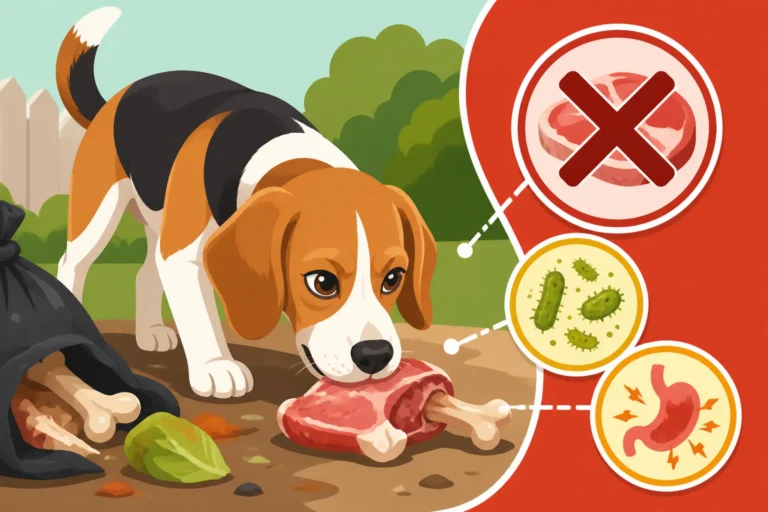
Feeding a Senior Beagle Past the Age of Ten
As our beloved Beagles cross that magical threshold into their golden years, typically around age ten, it's common for us as owners to start noticing subtle shifts, especially around their food bowl. That once insatiable appetite might begin to mellow, or perhaps they're packing on pounds more easily despite eating the same amount. This guide is here to walk you through the essential adjustments and considerations for feeding your senior Beagle, ensuring their nutritional needs are met for a healthy and comfortable later life.
Recognizing the Nutritional Shifts in a Senior Beagle
It’s easy to think of our Beagles as perpetual puppies, full of endless energy and always ready for the next meal. But as they age, their bodies undergo significant changes, and what worked for them as a vibrant five-year-old won't necessarily cut it for a wise old twelve-year-old. The key is to be observant and proactive, understanding these shifts so you can tailor their care accordingly.
Changes in Appetite and Weight Management
One of the most immediate things you might notice is a change in your Beagle's appetite. For some, the relentless hunger might slightly decrease as their metabolism slows down, and they're simply not burning as many calories as they used to. This can often lead to a sneaky weight gain if their diet isn't adjusted. You're still giving them the same heaping scoops they’ve always loved, but suddenly, those pounds start to creep on. It's a common frustration, especially since Beagles are so food-motivated, making it hard to cut back on portions when they look at you with those pleading eyes.
On the other hand, some senior Beagles might actually experience a decrease in appetite or even outright refusal to eat, which is a far more concerning sign. If your Beagle, who once inhaled food, now sniffs and walks away, it's not just "picky eating." This can signal underlying dental pain, organ issues, or other health problems that require immediate veterinary attention. Muscle mass also naturally declines with age, even if their overall body weight remains stable or increases due to fat. This loss of lean muscle can make them weaker and less mobile. It’s why Beagle Obesity Treated as a Health Problem isn't just about weight, but about body composition, feeling their ribs, and maintaining a healthy waistline, especially for an aging dog.
Digestive Sensitivities and Nutrient Absorption
As Beagles age, their digestive systems can become less efficient. This means they might not absorb nutrients as effectively from their food, even if it's a high-quality diet. You might start seeing more frequent bouts of loose stools, constipation, or increased gas. Foods that they've eaten without issue for years might suddenly cause an upset stomach. This can be incredibly frustrating for owners trying to keep their older dog comfortable and well-nourished. Their gut microbiome, the complex community of bacteria in their intestines, can also shift, making them more susceptible to digestive disturbances.
Moreover, the production of digestive enzymes can decrease, further hampering their ability to break down food. This reduced efficiency means that even with a robust appetite, they might not be getting all the goodness from their meals. It's a bit like us feeling bloated or uncomfortable after eating something that never bothered us in our younger days. Paying close attention to the consistency of their stools and any changes in their bathroom habits is crucial. Consistent digestive upset is not just uncomfortable for your Beagle; it can prevent them from getting the vital nutrients they need to support their aging body and immune system.
Energy Levels and Activity Reduction
You'll definitely notice your senior Beagle slowing down. Those endless zoomies might turn into leisurely strolls, and marathon scent-tracking sessions might become shorter, more focused sniffaris. This natural reduction in activity directly impacts their caloric needs. A Beagle who spent years running around the yard or going on long hikes will require significantly fewer calories than their younger self, even if they still have that same sparkle in their eye for an adventure.
Ignoring these reduced energy levels and continuing to feed them a puppy or adult formula can rapidly lead to unhealthy weight gain. This extra weight puts unnecessary strain on their joints, heart, and other organs, exacerbating common age-related issues like Beagle Arthritis Arriving in Middle Age or Beagle Heart Disease and Murmurs. It's a delicate balance: you want to provide enough energy to keep them comfortable and engaged, but not so much that it leads to obesity and associated health complications. Understanding this shift is the first step toward making appropriate dietary changes to support their senior years.
Tailoring the Diet: What Kind of Food Does a Senior Beagle Need?
Once you’ve recognized the signs of aging in your Beagle, the next step is to adjust their diet to match their evolving needs. This isn't about drastic changes overnight, but rather a thoughtful transition to a diet that supports their slowing metabolism, potential health issues, and overall comfort.
Choosing the Right Senior Dog Food Formula
The market is brimming with "senior" dog food formulas, and for good reason! These diets are specifically designed with an aging canine's physiology in mind. Generally, a good senior formula for your Beagle will be:
- Lower in Calories: As we discussed, their metabolism slows down, and activity decreases. Lower calorie density helps prevent weight gain while still allowing them to feel satisfied.
- Moderate in Protein: Maintaining muscle mass is critical for older dogs. While often lower in overall fat and calories, senior foods typically contain high-quality, easily digestible protein sources to help support this. This is especially important as older dogs can sometimes struggle to maintain muscle.
- Enhanced with Joint Support: Many senior diets include glucosamine and chondroitin, often alongside Omega-3 fatty acids, to support joint health and potentially ease the discomfort of arthritis. These ingredients can make a real difference in their mobility and overall quality of life.
- Digestible Ingredients: Look for formulas with easily digestible ingredients and often a slightly higher fiber content to support a healthy digestive tract and help with issues like constipation.
When you're browsing options, whether on Chewy or at your local pet store, read the labels carefully. You might find a senior-specific kibble that works wonders, or you might consider exploring fresh food options from services like Ollie, which can be particularly digestible and palatable for older dogs with declining appetites. Always introduce new foods gradually over several days to avoid digestive upset.
Considering Texture and Palatability
As Beagles age, dental problems can become a significant issue. Years of chewing, and perhaps less-than-perfect dental hygiene, can lead to decaying teeth, gum disease, or even tooth loss. Imagine trying to eat hard kibble with a toothache! This is a major reason why an older Beagle might shy away from their food bowl, even if they're hungry. Beagle Dental Disease and Tartar Buildup is a common problem, and ignoring it can make eating painful.
For Beagles with dental issues, a switch to wet food, rehydrated freeze-dried food, or even softening their kibble with warm water or broth can make a huge difference. The increased moisture in wet foods can also contribute to better hydration. You might also find that stronger-smelling foods are more enticing. As scent hounds, Beagles rely heavily on their sense of smell, and an aging nose might appreciate a more aromatic meal. Sometimes, simply mixing in a little bit of wet food with their kibble can be enough to tempt them.
Hydration: More Critical Than Ever
Hydration is often overlooked but becomes absolutely vital for senior Beagles. Older dogs are more prone to dehydration for several reasons: their thirst drive can decrease, kidney function might decline, and they might simply not want to get up as often to drink. Dehydration can exacerbate existing health conditions and lead to new ones.
Always ensure fresh, clean water is readily available in multiple locations throughout your home, especially if your Beagle has limited mobility. Consider using elevated bowls if they have neck or joint pain, making it easier for them to drink without bending down excessively. Adding water or low-sodium broth to their meals, as mentioned for palatability, is another excellent way to boost their fluid intake. Some Beagles might even enjoy a pet water fountain, as the moving water can be more enticing than a still bowl. Adequate hydration supports kidney function, aids digestion, and helps keep their entire system running smoothly.
Common Feeding Challenges and Solutions for Older Beagles
Navigating the senior years with a Beagle can bring a unique set of challenges to mealtime. It’s not always as simple as putting down a bowl of food; sometimes, you need to get a little creative and empathetic to ensure they're eating well and comfortably.
Dealing with Decreased Appetite
A flagging appetite in a senior Beagle can be incredibly worrying for owners. If your dog, who once lived for food, starts turning up their nose, it's natural to panic. The first and most crucial step is always a vet visit to rule out underlying medical conditions. Dental pain, nausea from kidney disease, hormonal imbalances like Beagle Hypothyroidism and Sudden Weight Gain, or even cancer can all manifest as a loss of appetite. Never assume it's just "old age."
Once medical issues have been addressed or ruled out, there are several things you can try to tempt your Beagle:
- Warm it Up: Gently warming wet food or adding warm water/broth to kibble can release aromas that stimulate their appetite.
- Add Palatability Boosters: A spoonful of plain, unsweetened yogurt, a small amount of cooked chicken or fish (ensure no bones or skin), or a specialized food topper can make meals more appealing. Just be mindful of calories!
- Offer Smaller, More Frequent Meals: Instead of two large meals, try three or four smaller ones throughout the day. This can be less overwhelming for a dog with a reduced appetite and help with digestion.
- Try Different Textures/Foods: If they're on kibble, try a wet food. If they're on one brand, try another. Sometimes a change is all it takes. Brands like Ollie that offer fresh, human-grade ingredients can be particularly enticing for picky senior eaters due to their texture and smell.
Addressing Dental Issues and Eating Comfort
Dental health is paramount for a senior Beagle’s ability to eat. Painful teeth or gums can make every bite a struggle. If your vet diagnoses significant dental disease, professional cleaning and possibly extractions might be recommended. This might seem daunting for an older dog, but the relief from chronic pain can vastly improve their quality of life, including their willingness to eat.
In the meantime, or if surgery isn't an option, focusing on softer foods is key. As mentioned, wet food or softened kibble can help. But also consider how they're eating. If your Beagle has arthritis in their neck or back, bending down to a floor-level bowl might be uncomfortable. Elevated food and water bowls can significantly improve their posture and make mealtime less painful. Ramps and Steps That Protect a Beagle Spine are often thought of for getting onto furniture, but the same principle applies to comfortable eating positions. Watch your Beagle as they eat – are they stretching their neck uncomfortably? Do they seem stiff? These are clues that an elevated bowl could help.
Managing Joint Pain and Mobility During Mealtimes
Arthritis and other joint issues are incredibly common in senior Beagles. Beyond causing pain with movement, these conditions can impact their ability to stand comfortably for an entire meal, or even to navigate to their food bowl if it's in a hard-to-reach spot.
- Elevated Bowls: Again, these are fantastic for Beagles with neck or back pain, allowing them to eat in a more natural, less strained position.
- Non-Slip Mats: If your Beagle struggles with stability, placing their bowls on a non-slip mat can prevent the bowls from sliding around, making it easier and safer for them to eat without fear of slipping or falling.
- Quiet, Accessible Feeding Area: Ensure their feeding area is quiet, easily accessible, and free from obstacles or other pets that might make them feel rushed or stressed. If they struggle with stairs, ensure their food is on the main living level.
- Pain Management: Work closely with your vet on pain management strategies. Medications, supplements like Joint Supplements That Help an Aging Beagle, and even physical therapy can dramatically improve their comfort, which in turn can positively impact their appetite and willingness to eat.
By understanding and proactively addressing these common challenges, you can make mealtime a positive and comfortable experience for your senior Beagle, helping them maintain their health and happiness in their golden years.
Essential Supplements and Enhanced Support for Senior Beagles
Beyond the primary food source, the senior years often call for a little extra boost. Just like humans, older dogs can benefit from targeted supplements and specific dietary additions that support their aging bodies and minds.
Joint Support and Anti-Inflammatories
As your Beagle approaches and passes the age of ten, wear and tear on their joints becomes almost inevitable. Arthritis is a widespread concern that can significantly impact their mobility and comfort. While many senior dog foods include some joint support, often it's not enough, especially for a breed prone to back issues like the Beagle.
This is where specific joint supplements come in. Look for ingredients such as:
- Glucosamine and Chondroitin: These are the building blocks of cartilage and can help maintain its health and elasticity.
- MSM (Methylsulfonylmethane): An organic sulfur compound with anti-inflammatory properties that can help reduce pain and swelling.
- Omega-3 Fatty Acids (EPA and DHA): Found in fish oil, these are powerful natural anti-inflammatories that can significantly reduce joint pain and also benefit skin, coat, and cognitive function. Many owners see a noticeable difference in their Beagle's movement and comfort when consistently given a high-quality Omega-3 supplement.
You can find a wide range of these supplements as chews, liquids, or capsules on platforms like Amazon or Chewy. It's best to discuss specific dosages and product recommendations with your veterinarian, especially if your Beagle is already on other medications.
Digestive Aids and Probiotics
As mentioned earlier, a senior Beagle's digestive system can become more sensitive and less efficient. This can lead to imbalances in their gut flora, causing issues like gas, bloating, constipation, or diarrhea. A healthy gut is crucial not just for nutrient absorption, but also for overall immune function.
Introducing a good probiotic supplement can help restore and maintain a healthy balance of beneficial bacteria in your Beagle's gut. These can come in powder form, capsules, or even in some specialized senior foods. Prebiotics, which are fibers that feed the good bacteria, can also be beneficial. If your Beagle is particularly sensitive or has a history of gastrointestinal upset, your vet might recommend specific formulations. Improving gut health can lead to better digestion, firmer stools, and a more comfortable Beagle overall.
Cognitive Support for Brain Health
Just like us, older Beagles can experience cognitive decline, sometimes referred to as Canine Cognitive Dysfunction (CCD). You might notice them getting disoriented, staring blankly, changes in sleep patterns, or a reduction in learned behaviors. While heartbreaking, nutrition can play a role in supporting their brain health.
Supplements containing antioxidants (like Vitamin E and C), Omega-3 fatty acids (especially DHA), and medium-chain triglycerides (MCTs) derived from coconut oil, can help support cognitive function. Some senior dog foods are specifically formulated with these "brain-boosting" ingredients. Keeping their mind active with puzzle toys and gentle training, in conjunction with nutritional support, can help maintain their mental sharpness for as long as possible.
Vitamins and Minerals: Ensuring Completeness
While a complete and balanced senior dog food should cover most of their vitamin and mineral needs, sometimes a veterinarian might recommend additional supplementation. This is particularly true if your Beagle has specific health conditions, is on a restricted diet, or has a reduced appetite.
For instance, some senior Beagles might benefit from B vitamins for energy metabolism, or extra antioxidants to combat cellular aging. However, it's crucial not to over-supplement, as too much of certain vitamins and minerals can be harmful. Always consult with your vet before adding a broad-spectrum vitamin supplement to ensure it's truly needed and won't interfere with their primary diet or any medications. A tailored approach is always best for your unique senior Beagle.
Practical Feeding Strategies for a Senior Beagle
Once you've chosen the right food and supplements, the next step is to implement practical feeding strategies that make mealtime easy, comfortable, and beneficial for your senior Beagle. It's about more than just what they eat; it's how and when they eat.
Establishing a Consistent Feeding Schedule
Consistency is key for senior Beagles, whose bodies thrive on routine. Sticking to a regular feeding schedule helps regulate their digestive system and provides a predictable rhythm to their day, which can be comforting for older dogs. Instead of leaving food out all day (which can lead to overeating and weight gain, especially in a food-motivated Beagle), offer meals at specific times.
For most senior Beagles, two meals a day are sufficient, but if they have a reduced appetite or sensitive stomach, offering three smaller meals might be better. This allows their digestive system to process smaller amounts more efficiently. Always remove any uneaten food after about 15-20 minutes to prevent spoilage and to communicate that mealtime is over. This also helps you monitor how much they are truly eating.
Using Puzzle Feeders and Slow Feeders
Beagles are notorious for gulping down their food at lightning speed. While this might have been just a quirky habit in their younger years, in a senior Beagle, it can lead to digestive upset, gas, and even a risk of choking. Slow feeders, either specialized bowls or inserts, can help extend mealtime, encouraging them to eat more slowly and thoughtfully.
Puzzle feeders and snuffle mats offer another fantastic benefit: mental enrichment. Even if your senior Beagle isn't as active physically, their brain still craves stimulation. Making them "work" for their food by sniffing out kibble from a snuffle mat or solving a simple puzzle feeder provides mental exercise, helps them feel more satisfied, and slows down their eating pace. This aligns perfectly with a Beagle's natural foraging instincts and can be a wonderful activity for a dog whose physical capabilities are declining. You can find many options on Amazon or Chewy to try.
Monitoring Food Intake and Body Condition
Regular monitoring of your senior Beagle's food intake and body condition is perhaps the most important ongoing strategy. What looks like a normal amount of food might be too much or too little, depending on their individual metabolism and activity.
- Daily Check-ins: Pay attention to how much food they eat each day. Any sudden or sustained decrease in appetite is a red flag and warrants a vet visit.
- Body Condition Scoring (BCS): Don't just rely on the number on the scale. Learn how to body condition score your Beagle by feeling their ribs, waistline, and spine. You should be able to easily feel their ribs without pressing hard, and they should have a discernible waist when viewed from above. Regularly checking their BCS (perhaps once a month) allows you to make subtle adjustments to their food portions before weight issues become significant. An overweight senior Beagle will have increased pressure on their joints and organs, making How Extra Weight Raises Beagle Disc Pressure and other health issues much worse.
- Weight Checks: Weigh your Beagle regularly, perhaps monthly, at home or during vet visits. Small changes over time can accumulate, and catching them early makes it easier to adjust.
Safe Treat Giving for Senior Beagles
Treats are an important part of bonding and training, even for senior Beagles. However, calories from treats add up quickly, especially when combined with a slower metabolism. Choose treats wisely:
- Low-Calorie Options: Look for treats specifically labeled as low-calorie or use pieces of cooked lean meat or vegetables like carrots or green beans.
- Small Portions: Break larger treats into smaller pieces. A tiny bit is often just as rewarding for a Beagle as a big chunk.
- Dental-Friendly: Avoid hard, brittle treats that could damage fragile senior teeth. Softer chews or even liquid treats can be good options.
- Factor into Daily Calories: Remember that treats contribute to their daily caloric intake. If you're giving treats, adjust their meal portions accordingly to prevent unwanted weight gain. For a breed that would Feeding a Beagle That Would Happily Eat All Day, it’s all too easy for those treat calories to pile up.
By adopting these practical strategies, you can ensure your senior Beagle enjoys their meals, stays engaged, maintains a healthy weight, and receives the best possible nutritional support throughout their golden years.
Collaborating with Your Veterinarian for Optimal Senior Beagle Nutrition
You are your Beagle's primary caregiver, but your veterinarian is your indispensable partner, especially as your dog ages. Their expertise is crucial in tailoring a diet that truly meets the unique and changing needs of your senior Beagle.
Regular Senior Wellness Exams
The foundation of excellent senior care is regular veterinary check-ups. For Beagles over the age of ten, annual or even semi-annual wellness exams are vital. These visits allow your vet to:
- Perform a Thorough Physical: Checking their teeth, assessing joint mobility, listening to their heart, and palpating their abdomen can reveal early signs of age-related diseases.
- Conduct Blood and Urine Tests: These tests can catch issues like kidney disease, liver problems, diabetes (Beagle Diabetes and Blood Sugar Control), or thyroid imbalances (Beagle Hypothyroidism Symptoms Owners Notice First) long before outward symptoms become obvious. Many of these conditions directly impact appetite and nutrient needs.
- Evaluate Body Condition Score (BCS): Your vet can objectively assess your Beagle's weight and muscle mass, guiding you on whether caloric intake needs to be increased or decreased.
- Discuss Behavioral Changes: Changes in appetite can sometimes be linked to cognitive decline or other issues you might not immediately connect to diet.
These proactive exams are key to early detection and intervention, allowing for dietary and medical adjustments that can significantly improve your senior Beagle’s quality of life and potentially extend their healthy years. Beagle Vet Visit Frequency After the Age of Ten becomes a critical part of their routine.
Discussing Dietary Needs and Adjustments
Every senior Beagle is an individual, and their nutritional needs can vary based on their specific health status, activity level, and breed tendencies. Your vet is the best resource for personalized dietary advice. Don't hesitate to bring up any concerns you have about your Beagle's eating habits, weight, or digestion during your appointments.
Be prepared to discuss:
- Current Diet: What brand, type, and amount of food are you currently feeding?
- Treats and Table Scraps: Be honest about any extras your Beagle receives.
- Appetite and Elimination Patterns: Any changes in hunger, thirst, stool consistency, or frequency.
- Health Conditions: Any diagnosed illnesses or ongoing concerns.
Based on this information and their exam findings, your vet can recommend specific senior dog food formulas, discuss prescription diets if necessary (e.g., for kidney disease or severe arthritis), and advise on appropriate portion sizes. They can also help you understand the nutrient profiles of different foods and what to look for on a label.
Supplement Recommendations and Interactions
While many supplements are available over the counter, it's crucial to discuss them with your veterinarian before adding them to your senior Beagle's regimen. This is for several reasons:
- Appropriateness: Your vet can confirm if a specific supplement is actually needed for your Beagle's individual health profile.
- Dosage: They can advise on the correct and safe dosage, as too much of a good thing can sometimes be harmful.
- Drug Interactions: Crucially, some supplements can interact negatively with medications your Beagle might already be taking. For example, certain joint supplements might not be ideal if your Beagle is on NSAIDs for pain, or excessive Omega-3s could thin the blood in dogs undergoing surgery.
- Quality and Efficacy: Your vet might have recommendations for specific brands or formulations that they trust and have seen provide good results.
Think of your vet as the conductor of your Beagle's health orchestra. They can ensure all the pieces – food, exercise, medication, and supplements – are working together harmoniously to support your beloved senior companion.
Disclaimer
This article is for general informational purposes only and does not constitute professional advice. Laws, prices and regulations vary by location and change over time. Consult a qualified professional for guidance on your specific situation.