Brushing a Beagle’s Teeth Properly
Let's be honest, getting your Beagle to sit still for a tooth brushing session can feel like trying to herd a flock of sheep through a tiny gate – messy, frustrating, and often met with stubborn resistance. Many Beagle parents struggle with this vital aspect of care, often feeling defeated before they even start. This guide is here to walk you through the process, offering practical advice and empathetic understanding to make brushing your Beagle's teeth a less daunting, and ultimately more successful, endeavor.
The Undeniable Importance of Beagle Dental Health
It's easy to overlook what's happening inside your Beagle's mouth, especially when they're otherwise bouncing with energy and charm. But dental disease is one of the most common health problems veterinarians see, and Beagles are certainly not immune. Neglecting their oral hygiene doesn't just lead to bad breath; it's a gateway to far more serious health complications that can impact their quality of life and even shorten their lifespan. Understanding why dental care is so critical is the first step toward committing to a regular brushing routine.
The Silent Threat of Periodontal Disease
Periodontal disease often starts subtly, with plaque accumulating on the teeth. Plaque is a sticky film made of bacteria, food particles, and saliva. If it's not removed regularly, it hardens into tartar, a rough, brownish substance that adheres firmly to the teeth, especially near the gum line. This tartar then irritates the gums, leading to gingivitis – a reversible inflammation of the gums. You might notice red, swollen gums or a bit of bleeding when your Beagle chews on a toy.
As the disease progresses unchecked, the inflammation spreads deeper into the supporting structures of the teeth. This is where the real damage begins. The gums recede, pockets form between the teeth and gums, and bacteria flourish in these hidden spaces, leading to bone loss. Eventually, teeth can become loose, painful, and even fall out. Imagine living with that kind of constant pain and infection; it's a truly miserable experience for our beloved hounds. This progressive condition is a silent thief of comfort and health. For more on this, you might find Beagle Dental Disease and Tartar Buildup helpful.
Systemic Health Risks from Poor Oral Hygiene
What many people don't realize is that periodontal disease isn't just a problem contained within the mouth. The bacteria thriving in those inflamed gums and pockets can easily enter your Beagle's bloodstream. Once in the bloodstream, these bacteria can travel to major organs, posing a significant risk to their overall health. Organs like the heart, kidneys, and liver are particularly vulnerable to damage from these circulating bacteria.
For example, chronic bacterial infections stemming from the mouth can lead to heart valve infections or inflammation, contributing to serious cardiac issues. The kidneys and liver, responsible for filtering waste and processing toxins, can also become compromised, leading to organ dysfunction over time. This means that simply having "bad teeth" can escalate into life-threatening systemic diseases, making regular brushing and veterinary dental check-ups not just about fresh breath, but about preserving your Beagle's long-term well-being and preventing Beagle Heart Disease and Murmurs.
The Cost of Neglecting Dental Care
Beyond the pain and suffering your Beagle might endure, neglecting dental care can also hit your wallet hard. While a daily tooth brushing routine is essentially free (aside from the cost of toothpaste and brushes), treating advanced dental disease can be incredibly expensive. A professional dental cleaning at the vet, which typically includes anesthesia, scaling, and polishing, can run a significant bill. If extractions are needed for severely diseased teeth, the costs can quickly multiply.
If the infection has spread to the jawbone or affected other organs, your Beagle might require further diagnostics, long-term medication, and specialist veterinary care, all of which come with their own substantial price tags. It's truly a case where an ounce of prevention is worth a pound of cure, both for your Beagle's health and your household budget. Proactive dental hygiene is a wise investment in their future. You might want to consider how this factors into The Lifetime Bill for a Beagle That Reaches Fifteen.
Getting Your Beagle Accustomed to Tooth Brushing
The thought of wrestling a wiggly Beagle with a toothbrush might fill you with dread, but it doesn't have to be a battle. The key to successful dental hygiene with a hound known for its independent spirit and strong opinions is gradual introduction, positive reinforcement, and consistent routine. Think of it as a desensitization process, building trust and comfort over time.
Starting Early with Puppy Conditioning
If you're bringing home a Beagle puppy, you're in a prime position to make dental care a positive experience from day one. Puppies are naturally curious and often more open to new sensations. Start by gently touching their muzzle and lips while offering high-value treats and praise. Slowly progress to briefly touching their gums and teeth with your finger, still rewarding lavishly. The goal is to associate mouth handling with good things.
Once they're comfortable with your fingers, introduce a soft finger brush or a small, soft puppy toothbrush, letting them sniff and lick it (perhaps with a dab of dog-specific toothpaste) before you even attempt to brush. These early, short, and sweet sessions lay a crucial foundation. Even if it's just a few seconds of rubbing their gums, consistency is key. This early exposure helps prevent them from developing a fear of having their mouth handled as they grow into adults, making future brushing far less stressful. Early conditioning helps avoid issues like Beagle Puppy Nipping and Where It Comes From when you're trying to work in their mouth.
Positive Reinforcement and Patience
Beagles, with their food drive and desire to please (when it suits them!), respond incredibly well to positive reinforcement. Every single step of the tooth-brushing process, no matter how small, should be rewarded. Whether it's letting you lift their lip, touching a tooth, or even just tolerating the smell of the toothpaste, follow it immediately with praise, a favorite toy, or a delicious treat.
Patience is paramount. You might not get a full brushing session on the first try, or even the fifth. Some days will be better than others. Don't push too hard if your Beagle is stressed or resisting strongly, as this can create a negative association that's hard to break. Instead, end the session on a positive note, even if it was just for a few seconds, and try again later. It's better to have short, positive sessions consistently than long, stressful ones sporadically. Consistency, rather than perfection, is the goal in the beginning.
Making It a Routine, Not a Chore
Dogs thrive on routine, and establishing a consistent time for tooth brushing can significantly increase your chances of success. Choose a calm time of day when your Beagle is relaxed, perhaps after a walk or a play session when they're a bit tired. Make it part of their daily schedule, just like feeding or potty breaks. This predictability helps reduce anxiety and makes it a normal part of their day.
For example, you could make it a habit right before their bedtime treat, or perhaps after their last meal of the day. Whatever time you choose, stick to it. Over time, your Beagle will come to expect it, and while they might not jump for joy, they'll be more accepting of the process because it's familiar. The consistency helps them understand what's coming and reduces surprises, leading to a more cooperative companion. Building this into your routine helps prevent problems like Beagle Bad Breath Coming From the Tooth Roots.
Choosing the Right Tools for Beagle Dental Care
Just like we wouldn't use sandpaper to brush our own teeth, selecting the appropriate tools for your Beagle's dental care is crucial. The right toothbrush and toothpaste will not only be more effective but also more comfortable for your hound, making the whole experience much smoother for both of you. Don't just grab a human toothbrush and paste; canine dental products are specifically designed with your dog's unique needs in mind.
Toothbrushes Designed for Dogs
Dog toothbrushes come in a variety of shapes and sizes to accommodate different breeds and mouth structures. For a Beagle, you'll generally want a brush with soft bristles that can comfortably reach all surfaces of their teeth. Many people start with a finger brush, which slips over your finger and allows for direct contact and control, which can be great for Beagles who are hesitant at first. They allow you to feel exactly where you are and apply gentle pressure.
As your Beagle becomes more accustomed, you might move to a conventional dog toothbrush. These often have a long handle and angled heads, sometimes with dual heads for cleaning both the inside and outside of the teeth simultaneously. Look for brushes with soft, tapered bristles that won't irritate their gums. You can find a wide variety of these on sites like Chewy or Amazon, making it easy to replenish your stock or try different types to see what works best for your particular Beagle.
Dog-Specific Toothpastes (Flavors!)
This is perhaps the most critical distinction: never use human toothpaste on your dog. Human toothpaste contains ingredients like fluoride and xylitol, which are toxic to dogs if swallowed. Dog toothpastes, on the other hand, are specifically formulated to be safe for ingestion and often come in enticing flavors that appeal to a Beagle's powerful nose and palate, such as poultry, beef, or peanut butter.
These enzymatic toothpastes work to break down plaque and freshen breath, even if your Beagle just licks them off the brush. The taste can be a huge motivator for your Beagle to cooperate, turning the "chore" into a treat. When choosing a toothpaste, consider what flavor your Beagle enjoys most – it can make a world of difference in their willingness to participate. A good quality, flavored toothpaste can be ordered through pet supply retailers like Chewy or Amazon and makes the brushing routine much more palatable for your furry friend.
Ancillary Dental Products
While brushing is the gold standard, there are other products that can supplement your efforts, especially on days when a full brushing isn't possible, or if you have a Beagle who is particularly resistant. Dental wipes, for instance, are pre-moistened pads that you can use to wipe away plaque and food debris from the tooth surfaces. They're not as effective as brushing but can be a good interim solution or for targeting specific areas.
Oral rinses and water additives can help reduce bacteria in the mouth and freshen breath. These products typically contain antiseptics or enzymes that work to minimize plaque formation. However, they are generally considered supplementary and shouldn't replace regular brushing. There are also dental gels that can be applied directly to the gums. Always ensure any product you choose is specifically formulated for dogs and approved by your veterinarian. For a Beagle that never stops eating, even certain fresh food diets like those offered by Ollie might contribute to better overall health, which can subtly impact oral hygiene.
The Step-by-Step Guide to Brushing a Beagle's Teeth
Alright, you've got your tools, your Beagle is somewhat accustomed to mouth handling, and you're ready to tackle the main event. Remember, this is a process that requires patience and consistency. Don't expect perfection on day one. The goal is to establish a routine that keeps your Beagle's mouth healthy and relatively clean.
Preparation is Key
Before you even call your Beagle over, gather all your supplies: the dog toothbrush, dog-specific toothpaste, and plenty of high-value treats. Make sure the toothpaste tube is open and ready, and a few treats are within easy reach. Choose a quiet, comfortable spot where your Beagle feels secure and you have good lighting. Avoid chasing your Beagle around or cornering them, as this can create negative associations right from the start.
Apply a pea-sized amount of the flavored dog toothpaste to the brush. Let your Beagle sniff the brush and even lick the toothpaste off as a pre-treat – this can help them anticipate the good taste. If they're particularly enthusiastic about the taste, you might even let them have a tiny lick before you start brushing. This sets a positive tone and can make them more willing to engage.
The Gentle Approach to Brushing
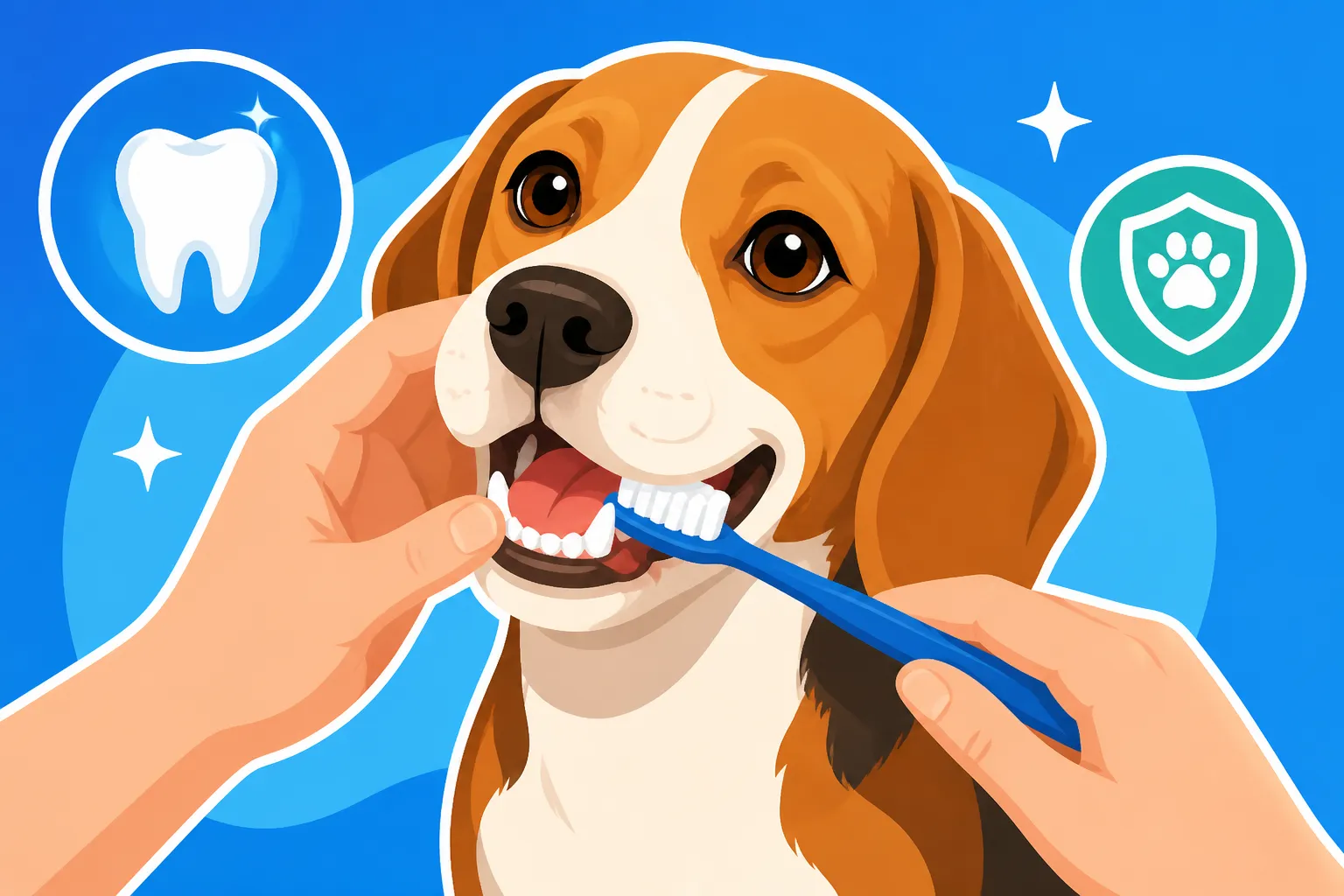
With your Beagle calm and receptive, gently lift their upper lip to expose the outer surfaces of their teeth and gums. Start with the canine teeth (the long, pointy ones) and the large molars at the back, as these tend to accumulate the most plaque and tartar. Using small, circular motions, gently brush along the gum line, where the teeth meet the gums. The bristles should be angled at about 45 degrees towards the gum line.
Concentrate on brushing just a few teeth at a time, gradually working your way around the mouth. Many dogs are more tolerant of having the outside surfaces of their teeth brushed than the inside. If your Beagle is cooperative, try to get to the inner surfaces as well, but don't force it. The most important area to clean is the outer surface of the upper teeth, especially where the gum line meets the tooth. Keep your voice calm and reassuring throughout, offering soft praise.
Rewarding Success
As soon as you've brushed for even a short period – whether it's 10 seconds or a full minute – finish the session with immediate, enthusiastic praise and a special high-value treat. The reward should be given directly after the brushing, reinforcing the positive behavior. This immediate gratification helps your Beagle associate the brushing experience with something enjoyable, rather than something they simply have to endure.
If your Beagle showed any resistance, try to end the session just before they get too agitated, still rewarding them for whatever cooperation they did offer. The goal is always to end on a positive note. Over time, as your Beagle becomes more comfortable, you can gradually increase the duration and thoroughness of your brushing sessions. Consistency in rewarding good behavior is what will build a lasting positive association and make dental care a breeze.
Common Challenges and Troubleshooting for Beagle Dental Care
Even with the best intentions and the right tools, brushing a Beagle's teeth can present its fair share of hurdles. Their famous stubbornness, their keen sense of smell, and even past negative experiences can make dental care a frustrating task. But don't despair! Many common issues have practical solutions that can help turn a struggle into a success.
Dealing with Resistance and Fear
If your Beagle actively pulls away, growls, or tries to nip when you approach with the toothbrush, it's a clear sign of resistance or fear. The first step is to back off and reassess. You might have moved too quickly in the training process, or there could be an underlying dental pain making them sensitive to mouth handling. Go back to basics: simply touching their muzzle and lips with your fingers, rewarding heavily.
Reintroduce the toothbrush and paste slowly, allowing them to sniff and lick it without any pressure to brush. Make every interaction positive and short. Use the highest value treats possible – something they rarely get otherwise. If your Beagle is particularly fearful, consider consulting with a positive reinforcement trainer or a veterinary behaviorist who can offer tailored guidance and help you desensitize them to the process without causing further stress. Pushing too hard will only exacerbate the fear and make future attempts even harder.
Handling Aggression or Nipping
Aggression, whether it's a snap, a growl, or an outright bite attempt, when trying to brush your Beagle's teeth is a serious concern. This indicates either extreme fear, pain, or a strong aversion to having their mouth handled. Your safety and your Beagle's comfort are paramount. In such cases, do not force the issue. Attempting to restrain or push through aggression can result in a bite, damaging your relationship and potentially escalating the behavior.
The immediate step is to stop trying to brush and seek professional help. First, a vet visit is crucial to rule out any painful dental conditions that might be causing the aggression. If there's no underlying medical issue, consult a certified professional dog trainer or a veterinary behaviorist. They can help you understand the root cause of the aggression and develop a safe, systematic plan for desensitization and counter-conditioning. In the meantime, focus on alternative dental hygiene methods your vet recommends.
When to Call in Professional Help
Sometimes, despite your best efforts, home dental care isn't enough, or your Beagle simply won't tolerate it. This is when professional veterinary intervention becomes essential. If you notice signs of advanced dental disease such as persistent bad breath (beyond normal "dog breath"), bleeding gums, loose teeth, difficulty eating, pawing at the mouth, or swelling around the jaw, it's time to schedule a vet appointment immediately. These symptoms suggest a serious problem that requires prompt attention.
Your veterinarian can assess the extent of the dental disease and recommend appropriate treatment, which often includes a professional dental cleaning under anesthesia. During this procedure, the vet can thoroughly clean below the gum line, extract any painful or diseased teeth, and address any other oral issues. They can also advise on maintenance strategies moving forward, which might include specific dental diets or chews if brushing remains a challenge. Don't let your Beagle suffer in silence; professional care can restore their comfort and health. This can be critical information, especially for Senior Beagle Care After the Age of Ten.
Beyond Brushing: Other Dental Health Strategies
While daily tooth brushing is truly the gold standard for maintaining your Beagle's oral hygiene, it's not the only tool in your arsenal. For some Beagles, brushing might always be a challenge, and for all Beagles, supplemental strategies can provide an added layer of protection. A multi-faceted approach often yields the best results, ensuring their pearly whites (or what's left of them!) stay as healthy as possible.
Dental Chews and Toys
Many dental chews and toys are designed to help reduce plaque and tartar buildup through mechanical abrasion. As your Beagle chews, the textured surfaces scrape against their teeth, much like a brush. Look for products that are veterinary oral health council (VOHC) approved, as these have been scientifically proven to be effective. However, be cautious: not all dental chews are created equal. Some can be too hard, risking fractured teeth, while others might be too high in calories.
Always supervise your Beagle with dental chews and toys to ensure they chew safely and don't try to swallow large pieces whole. Rotate different types to keep them engaged. While these can be a great supplement, they are generally not a substitute for brushing. Think of them as an extra layer of defense, especially for those hard-to-reach back molars. For Beagles who are prone to weight gain, you'll need to factor these chews into their daily calorie budget, as discussed in Beagle Obesity Treated as a Health Problem.
Professional Dental Cleanings
Even with diligent home care, most Beagles will eventually benefit from professional dental cleanings performed by a veterinarian. These procedures are done under general anesthesia, which allows the vet to perform a thorough examination, take dental X-rays (to check for problems below the gum line), deep clean all tooth surfaces, and extract any diseased or broken teeth. The anesthesia ensures your Beagle is pain-free and still throughout the process, allowing for a much more comprehensive cleaning than you could ever achieve at home.
The frequency of professional cleanings depends on your Beagle's individual needs, genetics, and how effective your home care routine is. Some Beagles might need them every year or two, while others with excellent home care might go longer. Your vet will assess your Beagle's oral health during routine check-ups and recommend when a professional cleaning is necessary. This is a crucial part of long-term dental health, especially when you factor in expenses for Beagle Dental Cleaning Under Anesthesia.
Diet and Water Additives
Certain specialized dental diets are formulated with unique kibble shapes and textures designed to scrub the teeth as your Beagle chews. These diets often contain ingredients that help prevent plaque and tartar formation. Just like dental chews, look for VOHC-approved dental diets to ensure their efficacy. These can be particularly beneficial for Beagles who are resistant to brushing or those prone to rapid plaque buildup.
Water additives are another option that can contribute to better oral hygiene. These liquids are simply added to your Beagle's drinking water and contain ingredients that help reduce bacteria and freshen breath. While they don't replace the mechanical action of brushing, they can help create a healthier oral environment. As always, consult your veterinarian before introducing any new dental product or changing your Beagle's diet to ensure it's appropriate for their specific health needs.
| Dental Care Method | Primary Benefit | Effectiveness vs. Brushing | Beagle Compliance | Key Consideration |
|---|---|---|---|---|
| Manual Brushing | Best for plaque & tartar removal at gumline | Gold Standard | Can be challenging | Requires consistent routine & positive reinforcement |
| Dental Chews/Toys | Mechanical abrasion, gum stimulation | Supplemental | Generally high | Choose VOHC-approved, monitor calorie intake & safety |
| Water Additives | Reduces oral bacteria, freshens breath | Supplemental | Generally easy | Does not remove existing plaque/tartar |
| Dental Wipes/Gels | Quick plaque removal on tooth surface | Temporary/Supplemental | Varies | Less effective for gumline/pockets |
| Professional Cleaning | Deep cleaning, subgingival assessment | Essential | Requires anesthesia | Vet recommended frequency, significant cost |
| Dental Diets | Mechanical abrasion & plaque inhibitors | Supplemental | High, if accepted | VOHC-approved for efficacy, specific formulation |
Regular, consistent dental care is one of the kindest things you can do for your Beagle. While it might take a little patience and a lot of tasty treats, establishing a good oral hygiene routine will contribute significantly to their overall health, happiness, and potentially, a longer, more comfortable life free from the pain of dental disease. Keep at it, and your Beagle will thank you for those healthy chompers!
Disclaimer
This article is for general informational purposes only and does not constitute professional advice. Laws, prices and regulations vary by location and change over time. Consult a qualified professional for guidance on your specific situation.