Beagle Paw Care After a Field Walk
There's nothing quite like the sight of a Beagle, nose to the ground, utterly absorbed in a symphony of scents across a field. It’s their happy place, their instinctual joy, but for us owners, it often comes with a silent worry about what those busy paws are encountering. Thorns, sharp stones, hidden debris, and even irritating plants can quickly turn a glorious adventure into a painful injury or persistent irritation. This guide aims to equip you with everything you need to know to protect your Beagle's precious paws, ensuring their comfort and health long after the field walk is over.
Understanding Beagle Paws and Why They're Vulnerable
Beagles were quite literally built for the field. Their short, sturdy legs, compact bodies, and incredible noses make them perfect for trailing game. But while their noses are super-powered, their paws, despite being tough, are also incredibly vulnerable to the very terrain they love to explore. It's a bit of a paradox, isn't it? They need those paws to do what they love, but those same paws are constantly at risk.
The Anatomy of a Beagle Paw Pad
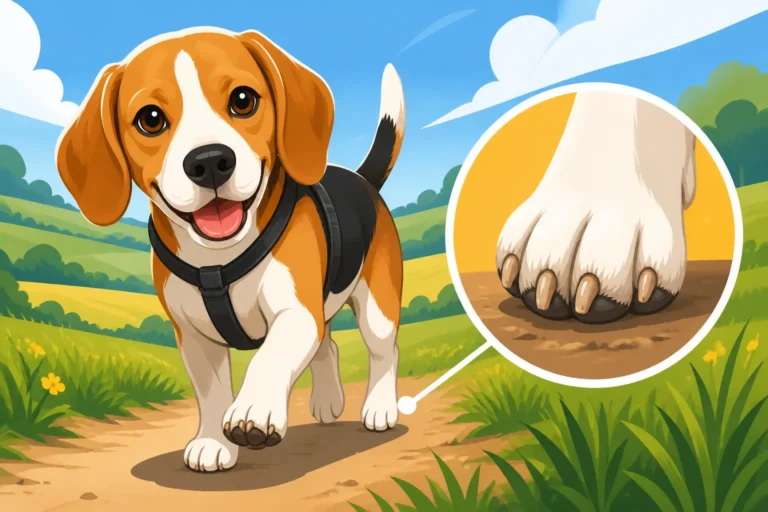
A Beagle's paw is a marvel of natural design, a complex structure of bones, tendons, ligaments, and tough, fatty tissue, all cushioned by those distinctive pads. These pads act like shock absorbers, protecting bones and joints from impact as your Beagle trots, bounds, and turns. They also provide traction, helping your hound navigate uneven surfaces. However, while thick, the outer layer of skin on the pads can still be easily compromised. It's not like a shoe; it's living tissue.
Think about it: beneath that dense fur, those pads are directly exposed to whatever they walk on. They're constantly flexing and taking friction. Unlike human feet that get the protection of shoes, a Beagle's paws are their primary interface with the world. They don't just feel the ground; they actively explore it, often pushing into thorny bushes or digging excitedly at a scent, which dramatically increases their exposure to potential damage. Understanding this delicate balance is the first step in effective paw care.
Common Hazards on Field Walks
Field walks, while fantastic for a Beagle's mental and physical health, are unfortunately riddled with potential paw hazards. It’s not just the obvious sharp objects you need to worry about. The cumulative effect of rough terrain, temperature extremes, and even invisible irritants can cause significant problems. Every time your Beagle pushes through tall grass or scurries over rocky paths, they are putting their paws to the test.
Here’s a quick rundown of some typical culprits you might encounter:
- Sharp Objects: Thorns, burrs, broken glass, small shards of metal, splinters from fallen branches, or even jagged pebbles can cause cuts and punctures. A deep cut can lead to infection quickly, especially with a dog that loves to lick wounds.
- Rough Terrain: Continuously walking or running on abrasive surfaces like gravel, asphalt, or dry, cracked earth can lead to worn-down pads, blisters, or painful cracks. Imagine walking barefoot on a hot, uneven driveway all day.
- Temperature Extremes: Hot asphalt or sand can burn delicate paw pads in summer, while ice, snow, and de-icing chemicals (like rock salt) can cause frostbite, dryness, and irritation in winter. Pavement can be deceptively hot even on mild days, far hotter than the ambient air temperature.
- Chemicals and Irritants: Pesticides, herbicides, fertilizers, or even spilled automotive fluids found in fields or along paths can be toxic or irritating. Your Beagle might walk through them, absorb them through their skin, and then lick their paws, ingesting harmful substances. Even natural plant irritants or allergens can cause significant discomfort.
- Parasites: Ticks, mites, and even fleas can hide between paw pads and cause itching, irritation, or transmit diseases. Checking a Beagle for Ticks After Every Walk is crucial, and those little spaces between toes are prime hiding spots.
Immediate Paw Inspection and First Aid After a Walk
No matter how careful you are, accidents can happen. The key to mitigating damage and preventing more serious issues is a consistent and thorough post-walk routine. It’s not just about looking; it’s about feeling and actively searching for any changes in their paws. This proactive approach can catch small problems before they escalate.
The Post-Walk Routine: What to Look For
As soon as you get home from a field adventure, make it a habit to perform a detailed paw inspection. This isn’t a quick glance; it’s a hands-on examination that becomes a bonding experience as well as a health check. Your Beagle might even start to enjoy it, especially if you associate it with gentle praise and perhaps a small treat.
Here’s a step-by-step approach to a thorough paw check:
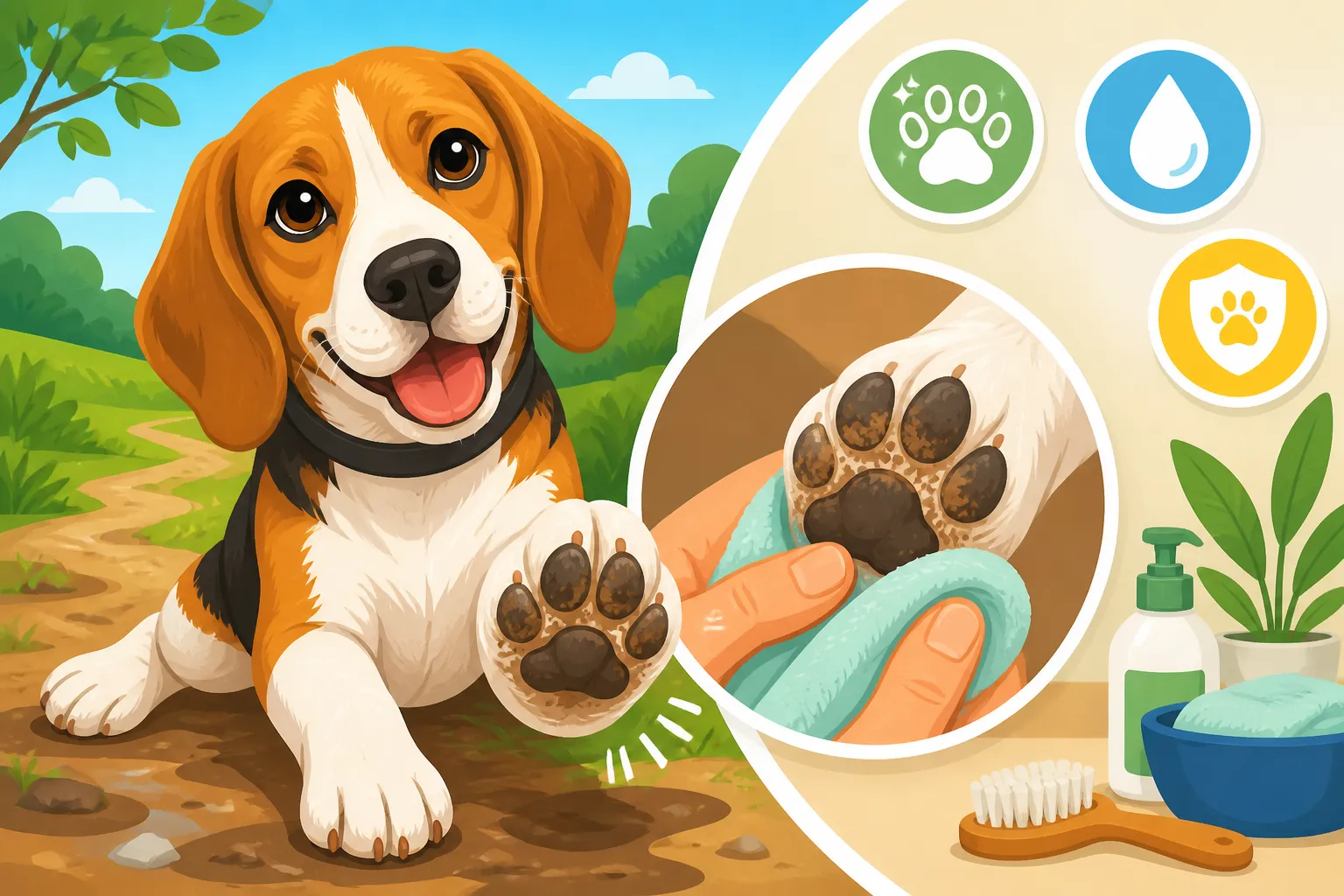
- Wipe Down: Start by gently wiping down each paw with a damp cloth or a pet-safe paw wipe. This removes dirt, debris, pollen, and any potential chemical residue. This simple step can prevent a lot of irritation and keep your home cleaner. Pay special attention to the areas between the pads and toes where dirt and irritants can accumulate.
- Visual Inspection: Lift each paw and visually examine all sides of the pads. Look for:
- Cuts, Scrapes, or Punctures: Even tiny nicks can be entry points for bacteria.
- Swelling or Redness: These are signs of inflammation or infection.
- Foreign Objects: Look for embedded thorns, burrs, small stones, or even dried mud clumps. Don't forget to check between the toes and underneath any long fur.
- Blisters or Peeling Skin: These indicate burns, excessive friction, or irritation.
- Cracks or Dryness: Especially after walks on rough or hot surfaces. Beagle Paw Pad Cracks After Field Walks are a common issue.
- Discoloration: Any unusual color might signal an infection or staining from something they stepped in.
- Tactile Examination: Gently feel each paw pad and between the toes.
- Temperature: Are the pads unusually warm? This can indicate inflammation.
- Lumps or Bumps: Feel for anything abnormal, including ingrown hairs or small masses.
- Tenderness: Does your Beagle pull their paw away or whimper when you touch a certain spot? This indicates pain.
- Moisture: While some dampness is normal from walking, excessive moisture can lead to yeast or bacterial issues, particularly between the toes.
- Nail Check: Inspect the nails for chips, splits, or any signs of injury. Also, ensure they aren’t too long, as overgrown nails can cause discomfort and gait issues. This is also a good time to check if any ticks have latched onto their skin, not just between the toes but further up the leg. Checking a Beagle for Ticks After Every Walk should be comprehensive.
Basic First Aid for Minor Paw Injuries
Discovering a minor injury can be unsettling, but knowing a few basic first aid steps can help you manage the situation effectively until you can consult your vet if needed. Always remember, if you're ever in doubt about the severity of an injury, or if your Beagle is in significant pain, a vet visit is always the safest course of action.
For small cuts, scrapes, or embedded debris:
- Clean the Area: If you find a small cut or scrape, gently clean it with mild, pet-safe antiseptic solution or warm water and a tiny bit of pet-safe soap. Rinse thoroughly. This is crucial to prevent infection. Don't use harsh human antiseptics, as they can be irritating or toxic if licked.
- Remove Debris: For embedded thorns or burrs, use a clean pair of tweezers to carefully extract them. Always pull them out in the direction they went in to minimize further damage. If the object is deeply embedded, or if your Beagle is resistant, stop and contact your vet. You don't want to cause more pain or break off part of the object.
- Control Bleeding: For minor cuts, apply gentle pressure with a clean cloth or gauze for a few minutes until the bleeding stops. If the bleeding is heavy or doesn't stop within five to ten minutes, it's time for a vet trip.
- Apply a Protective Barrier: Once clean and dry, you can apply a thin layer of a pet-safe antibiotic ointment to the wound. Follow this with a light, breathable bandage to keep the wound clean and prevent your Beagle from licking it. Change the bandage daily and monitor the wound for any signs of infection (redness, swelling, pus). You can often find a good selection of pet first aid supplies, including bandages and antiseptic wipes, on Chewy or Amazon.
- Prevent Licking: Beagles, like most dogs, will instinctively lick their wounds. While some licking can be beneficial, excessive licking can reopen wounds, introduce bacteria, and delay healing. An Elizabethan collar (e-collar or "cone of shame") or a soft recovery collar might be necessary to prevent persistent licking until the paw has healed.
Remember, this is for minor injuries. If you see deep cuts, a lot of bleeding, severe limping, or any sign of a broken bone, seek veterinary attention immediately.
Preventative Paw Care Strategies
The old adage "an ounce of prevention is worth a pound of cure" rings especially true for Beagle paw care. By incorporating some simple preventative measures into your routine, you can significantly reduce the risk of injuries and keep your adventurous hound comfortable and ready for their next big sniff. It's about building resilience and protection, allowing them to enjoy their outdoor explorations without undue risk.
Choosing the Right Protection: Boots and Balms
Protecting your Beagle's paws doesn't always mean staying indoors. There are excellent products available that can provide a valuable barrier between their sensitive pads and the harsh elements. The choice between boots and balms often depends on the specific conditions and your Beagle's tolerance.
Paw Balms:
Paw balms are fantastic for everyday conditioning and for protecting against milder irritants and weather. They create a protective, moisturizing layer that can help prevent dryness, cracking, and minor irritation.
- Pros: Easy to apply, generally well-tolerated by most Beagles, moisturize and condition pads, provide a barrier against salt, hot pavement (to a degree), and minor irritants. They can help prevent Beagle Paw Pad Cracks After Field Walks by keeping the pads supple. Many balms are made with natural, pet-safe ingredients, so licking isn't a huge concern.
- Cons: Don't offer protection against sharp objects, deep cuts, or extreme heat/cold. Need to be reapplied regularly. Some Beagles might try to lick it off immediately.
- When to Use: Ideal for regular walks, light snow, cold pavement, dry grass, or general conditioning. Apply before walks and as part of your nightly routine. You can find a wide variety of reputable paw balms on Chewy or Amazon, with different ingredients and textures.
Paw Boots/Booties:
For more serious protection against extreme conditions or rough terrain, paw boots are the way to go. They offer a physical barrier that balms simply cannot match.
- Pros: Excellent protection against sharp objects, extreme hot or cold temperatures, de-icing chemicals, and prolonged exposure to rough terrain. Can be very useful for protecting an existing minor injury while it heals.
- Cons: Some Beagles strongly object to wearing them and might walk funny or try to pull them off. They can be tricky to size and fit correctly; a poor fit can cause rubbing or fall off. Can sometimes limit natural paw movement and sensation.
- When to Use: Essential for hiking on very rocky trails, walking on heavily salted winter pavements, hunting in dense brush, or when recovering from a paw injury. It's best to introduce boots gradually, starting with short periods indoors, to help your Beagle get accustomed to them.
Here's a quick comparison of when each might be most suitable:
| Feature/Condition | Paw Balms | Paw Boots |
|---|---|---|
| Protection Type | Moisturizing barrier, mild defense | Physical barrier, robust defense |
| Against Sharp Objects | No | Yes, if durable enough |
| Against Hot/Cold | Mild buffer for moderate temperatures | Excellent for extreme temperatures |
| Against Chemicals/Salt | Good, creates a protective layer | Excellent, complete barrier |
| Comfort/Acceptance | Generally high, less intrusive | Varies by dog, can take training |
| Ease of Application | Very easy | Can be challenging to fit and secure |
| Primary Use | Daily conditioning, mild conditions | Harsh terrain, extreme weather, injury protection |
Regular Paw Maintenance: Trimming and Moisturizing
Beyond immediate protection for walks, ongoing regular paw maintenance is critical for preventing issues in the long run. Just like your own personal hygiene, consistency is key, and integrating these practices into your Beagle's routine can make a huge difference in their overall comfort and paw health.
- Trim Paw Fur: Beagles have a dense double coat, and the fur between their paw pads can grow surprisingly long. This excess fur can trap moisture, dirt, burrs, and other debris, creating a perfect breeding ground for bacteria or yeast. Long fur also reduces traction, making your Beagle more prone to slipping on smooth surfaces. Use blunt-nosed scissors or a small electric trimmer designed for pets to carefully trim the hair flush with the paw pads. Be extremely careful not to cut the pads themselves. This is a task that some owners prefer to have a professional groomer handle, especially if their Beagle is squirmy.
- Keep Nails Trimmed: Overgrown nails are not just unsightly; they can be genuinely painful and lead to serious orthopedic issues. Long nails push back into the nail bed, causing discomfort with every step, and can alter your Beagle's gait, putting undue stress on their joints. They are also more prone to snagging and breaking, which can be very painful and bleed profusely. Regular nail trims, typically every 2-4 weeks, are essential. If you can hear your Beagle's nails clicking on the floor as they walk, they are too long. You can use clippers or a dremel-style grinder. If your Beagle has black nails, which many do, Trimming Black Beagle Nails You Cannot See Through requires a bit more care and confidence, or a trip to the vet or groomer.
- Moisturize Regularly: Just like human skin, paw pads can get dry and cracked, especially in harsh weather or from walking on rough surfaces. Dry, cracked pads are painful and more susceptible to infection. After a bath or a good paw cleaning, apply a small amount of pet-safe paw balm. Gently massage it into the pads. This helps keep them supple and resilient. A good quality balm can do wonders for preventing Beagle Paw Pad Cracks After Field Walks before they even start.
- Regular Cleaning: A quick wipe down after every walk, as mentioned earlier, isn't just for inspection; it's a vital part of hygiene. This prevents the buildup of dirt and allergens that could irritate the paws and lead to incessant licking or even hot spots. If your Beagle has been through muddy or particularly dirty areas, a more thorough wash with warm water and a mild pet shampoo for sensitive skin might be necessary.
Nutrition for Healthy Paws
While external care is crucial, don't underestimate the role of internal health – specifically, proper nutrition – in maintaining strong, healthy paws. A Beagle's skin, coat, and paw pads are all indicators of their overall health, and a balanced diet provides the building blocks for resilient tissue.
- High-Quality Diet: Ensure your Beagle is on a complete and balanced diet appropriate for their age, activity level, and any specific health needs. A diet rich in essential nutrients, vitamins, and minerals supports healthy skin and cell regeneration, which directly impacts the quality of their paw pads. If their diet lacks vital components, their skin and pads may become dry, brittle, or more prone to injury and infection. Brands like Ollie, which offer fresh, human-grade ingredients, can be discussed with your vet as a potential option for optimal nutrition, especially if your Beagle has sensitive skin or chronic paw issues.
- Omega-3 Fatty Acids: These are superstars for skin and coat health, and that includes the skin on their paw pads. Omega-3s (EPA and DHA) help reduce inflammation, improve skin elasticity, and promote a healthy skin barrier. This can make pads less prone to cracking and irritation. Many high-quality dog foods include omega-3s, but you can also add supplements, such as fish oil, to your Beagle's diet. Omega-3 Oils for a Beagle's Coat can be incredibly beneficial, and those benefits extend right down to their paws. Always consult your vet before adding any supplements to ensure proper dosage.
- Hydration: Just like in humans, proper hydration is essential for skin health. Ensure your Beagle always has access to fresh, clean water. Dehydration can lead to dry skin and potentially dry, brittle paw pads that are more susceptible to cracking.
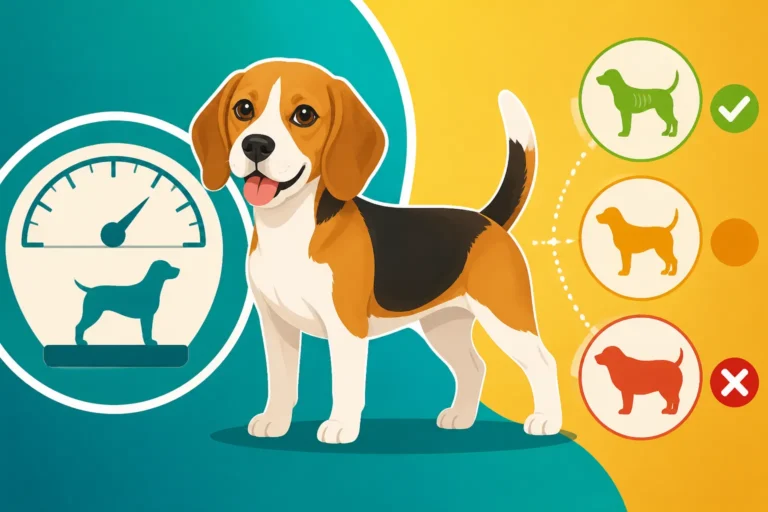
- Weight Management: Maintaining a healthy weight is crucial for overall Beagle health, including their paws. Excess weight puts additional strain on all joints and connective tissues, including those in the paws. This extra pressure can lead to quicker wear and tear on the paw pads, making them more prone to injury and discomfort. Beagle Obesity and Arthritis Arriving Together is a real concern, and even paw pads feel the strain. Regular Exercise That Actually Burns Beagle Calories and a carefully measured diet are key.
When to See the Vet for Paw Problems
While many minor paw issues can be managed at home with diligent care, there are definite red flags that signal it's time to call in the professionals. Ignoring these signs can lead to worsening conditions, prolonged pain, and more complex treatments down the line. As a Beagle owner, you become attuned to your dog's subtle cues, and any deviation from their normal comfort level should prompt attention.
Recognizing Signs of Infection or Serious Injury
Your vigilance during your post-walk inspections is your first line of defense. Knowing what to look for beyond a simple cut can help you determine the urgency of a vet visit. It's often the secondary symptoms, those indicating a deeper problem, that require immediate attention.
Keep an eye out for these indicators:
- Persistent Limping or Reluctance to Walk: If your Beagle continues to limp, avoids putting weight on a paw, or shows outright pain when walking (or even standing), it’s a clear sign of significant discomfort or injury. This could be anything from a deep puncture to a sprain or even a fracture.
- Excessive Licking or Chewing: While some licking is normal, obsessive licking or chewing at a paw often indicates pain, irritation, or itching that they can't relieve. This can quickly lead to secondary infections or Beagle Hot Spots Through the Summer.
- Swelling, Heat, or Pus: Any significant swelling, warmth to the touch (especially localized), or the presence of pus or foul-smelling discharge strongly suggests an infection. These need veterinary intervention, likely antibiotics.
- Deep or Gaping Wounds: Cuts that are deep, wide, or won't stop bleeding require immediate vet attention. They may need stitches or special wound care to heal properly and prevent infection.
- Foreign Objects You Can't Remove: If you find an embedded object that you can't easily remove, or if it's deeply lodged, don't force it. You risk causing more damage or pushing it in further. A vet can safely extract it under proper conditions.
- Severe Cracking or Peeling: While minor paw pad cracks can be managed with balm, severe cracking that exposes raw tissue, or extensive peeling of the pads, is very painful and prone to infection.
- Persistent Redness and Itching: If your Beagle's paws are consistently red, inflamed, and itchy, even without an obvious injury, it could indicate allergies. Beagle Skin Allergies and Constant Itching often manifest on the paws. This requires a vet to diagnose and manage, as it might involve dietary changes or medication.
- Unusual Growths or Lumps: Any new lumps, bumps, or discolorations on the paw pads or between the toes should be examined by a vet to rule out more serious conditions.
Common Paw Conditions Requiring Professional Help
Beyond acute injuries, several chronic or more complex paw conditions might develop, often requiring a veterinarian's expertise for accurate diagnosis and effective treatment. These are not always obvious and can sometimes be tricky to pinpoint.
- Interdigital Cysts/Folliculitis: These are painful, often inflamed lumps that appear between the toes. They are essentially infected hair follicles or sebaceous glands. They can rupture, drain, and be very uncomfortable. They often require antibiotics, anti-inflammatory medication, and sometimes even surgical drainage.
- Yeast or Bacterial Infections: These often manifest as redness, itching, a greasy feeling, or a distinct "yeasty" smell on the paws and between the toes. Beagles, with their tendency to lick and their long ears which can harbor similar issues, are susceptible. If not addressed, these can become chronic. This is similar to how Beagle Ear Infections and the Drooping Ear Flap can develop due to moisture and warmth.
- Allergies (Atopic Dermatitis/Food Allergies): As mentioned, persistent paw licking, redness, and itching are classic signs of environmental or food allergies. A vet can help you identify the allergen through testing and develop a management plan, which might involve special diets, antihistamines, steroids, or immunotherapy. Beagle Food Allergies Showing Up on the Skin is a common way these manifest.
- Autoimmune Diseases: Though less common, certain autoimmune conditions can affect the paw pads, leading to blistering, crusting, or sloughing of the skin. These are serious and require specialized veterinary care.
- Nail Bed Infections or Tumors: Infections around the nail bed (paronychia) can be very painful and resistant to home treatment. Tumors can also develop in the nail bed or on the digits, necessitating biopsy and removal.
- Pad Hyperkeratosis: This is a thickening and hardening of the paw pads, sometimes leading to excessive cracking. It can be genetic or a symptom of an underlying medical condition (like some autoimmune diseases or canine distemper). A vet can diagnose the cause and recommend treatment, which often involves regular moisturizing and softening treatments.
Taking your Beagle to the vet for paw issues isn't a sign of failure; it's a sign of responsible pet ownership. They have the diagnostic tools and medical knowledge to get to the root of the problem, ensuring your beloved hound gets back on their paws, happy and healthy, ready for their next grand scent adventure.
Disclaimer
This article is for general informational purposes only and does not constitute professional advice. Laws, prices and regulations vary by location and change over time. Consult a qualified professional for guidance on your specific situation.