Beagle Shedding and the Two Coats Underneath
Anyone who shares their home with a Beagle quickly discovers that their charming, curious companion also comes with a seemingly endless supply of dog hair. That soft, dense coat that feels so lovely to pet often leaves its mark on your furniture, clothes, and floors. It can be a real frustration to feel like you’re constantly battling a furry blizzard, especially if you weren't fully prepared for the extent of their shedding. This guide will walk you through the nuances of Beagle shedding, what causes it, and practical strategies to manage it effectively, so you can spend less time cleaning and more time enjoying your beloved hound.
Understanding Your Beagle's Unique Coat
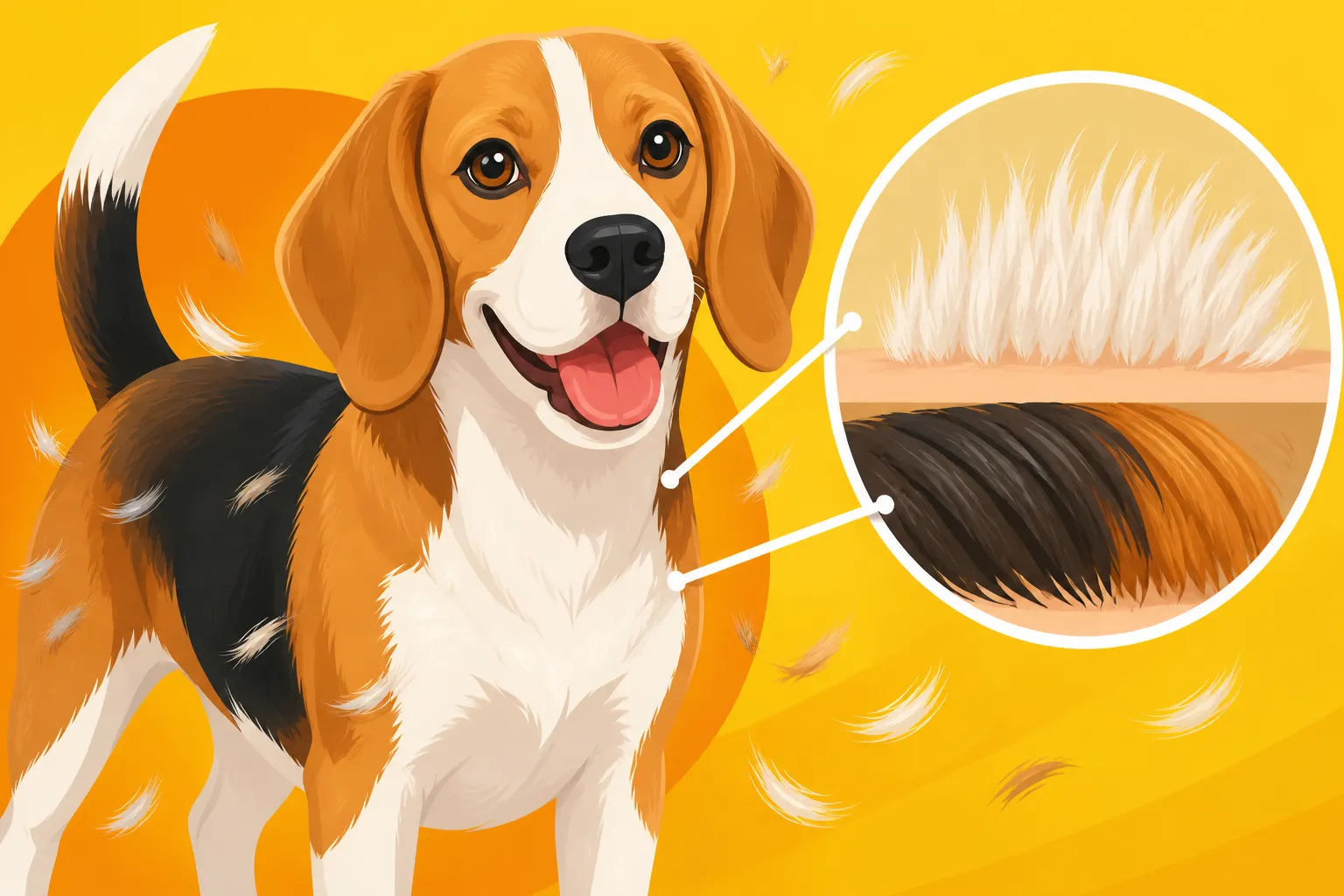
The first step to managing Beagle shedding is to truly understand the magnificent coat they're sporting. It's not just a single layer of fur; Beagles are equipped with what's known as a "double coat," a common trait among many breeds originally developed for outdoor work and harsh weather conditions. This double coat serves a crucial purpose in protecting your Beagle from the elements, but it's also the primary reason for their renowned shedding abilities.
The Outer Guard Coat
Think of the outer layer of your Beagle's coat as their armor. This is the coarser, stiffer hair you see on the surface, often referred to as the guard coat. These hairs are designed to be water-resistant, protecting your Beagle from rain, dew, and damp undergrowth when they were out tracking scents. They're also quite tough, offering a layer of defense against scratches and minor abrasions from briars and bushes. The guard hairs are what give your Beagle their distinct color patterns – be it the classic tricolor, lemon and white, or blue tick. While they do shed, these individual hairs often aren't the primary culprits of the truly overwhelming shedding periods, as they tend to be more resilient and replace themselves at a slower rate than the undercoat.
The Soft, Dense Undercoat
Beneath that protective guard coat lies the real workhorse of insulation: the undercoat. This layer consists of incredibly soft, fine, and dense hairs packed closely together. Its primary job is to regulate your Beagle's body temperature, keeping them warm in cold weather and helping to insulate them from heat in warmer conditions. This is where most of the shedding "magic" happens. The undercoat grows in cycles, thickening up for winter and then shedding out in large quantities as the weather warms up, and again as winter approaches. It's this continuous turnover of the undercoat that creates those tell-tale dust bunnies and furry tumbleweeds that seem to appear out of nowhere in a Beagle owner's home. Without this soft underlayer, your Beagle wouldn't be nearly as adaptable to varying temperatures, a testament to their heritage as robust working hounds.
What a Double Coat Means for You
For you, the Beagle owner, having a dog with a double coat means a commitment to consistent grooming. Unlike single-coated breeds, you can't just ignore a Beagle's shedding. The undercoat needs regular attention to prevent matting and to help shed out dead hair that would otherwise become trapped, leading to skin irritation or overheating. That dense undercoat also traps dander, which can be an issue for people with allergies. When the seasons change, you'll notice a significant increase in the amount of hair coming off your Beagle, often in clumps. Understanding this natural process helps set realistic expectations: you won't stop a Beagle from shedding, but you can absolutely manage it to keep your home cleaner and your dog healthier and more comfortable. This is why tools and routines designed specifically for double-coated breeds are so essential.
Why Beagles Shed So Much
It’s easy to feel like your Beagle sheds more than other dogs, and in many cases, you’re probably right! Their predisposition to shed is deeply rooted in their genetics and their historical role as working scent hounds. It’s not a flaw; it’s a feature designed for their lifestyle, but it certainly impacts life indoors.
Seasonal Shedding Cycles
The most dramatic shedding events for a Beagle typically occur twice a year, often referred to as "blowing their coat." This generally happens in spring, as they shed their thick winter undercoat to make way for a lighter summer one, and again in the fall, when they shed their summer coat to grow in a denser winter layer. During these periods, which can last for several weeks, you might feel like you're constantly vacuuming and brushing. It's a natural process driven by changes in daylight hours and temperature, signaling to their bodies that it's time to adapt their insulation. You'll see handfuls of soft, downy undercoat coming out, sometimes even in large sheets if you use the right deshedding tools. Expect to increase your grooming efforts significantly during these transitional times to help them along and minimize the hair accumulating in your home.
Constant Hair Loss Throughout the Year
While the seasonal sheds are the most intense, Beagles are not breeds that don't shed outside of these times. They experience a moderate, continuous shedding throughout the entire year. Individual hairs, both from the guard coat and the undercoat, have a finite lifespan. As old hairs die and fall out, new ones grow in to replace them. This constant turnover means you'll find Beagle hair on your clothes and furniture even during the "off-season." It's just part of living with a Beagle. Factors like indoor heating and air conditioning can sometimes blur the distinction between seasonal and constant shedding, as they might not experience as stark a seasonal change as a wild animal, leading to a more consistent, moderate level of shedding year-round instead of distinct peaks and valleys.
The Nature of Hound Coats
Beagles were bred to be active, robust hounds, running through fields and forests. Their short, dense coats were perfect for this lifestyle: easy to maintain in the field, quick to dry, and providing ample protection. Unlike long-haired breeds where shed hair might tangle and stay within the coat, a Beagle's short, straight hair has nothing to hold onto. When it sheds, it simply falls out, ready to embed itself into your carpets and upholstery. The sheer density of their undercoat also contributes to the volume. A Beagle might be a medium-sized dog, but the amount of undercoat they possess is comparable to much larger, heavier-coated breeds. This combination of a protective double coat, seasonal shedding, and year-round hair turnover is simply the "Beagle way." Embracing this fact is the first step to finding peace with the fur and developing a routine that keeps it under control.
Managing Beagle Shedding Through Grooming
Since shedding is a given with a Beagle, the focus shifts to effective management. A consistent grooming routine is your best defense against a house overwhelmed by fur and is also crucial for your Beagle's skin health. There's no magic bullet to stop shedding entirely, but you can certainly reduce the amount of loose hair significantly.
Deshedding Tools That Work
Investing in the right tools is paramount. For a Beagle's double coat, a slicker brush, a rubber curry brush, and especially a deshedding tool like those offered by Furminator or under the Chewy brand are invaluable. A slicker brush is great for removing loose hair from the guard coat and stimulating the skin, while a rubber curry brush (like a ZoomGroom) can be surprisingly effective at pulling out dead undercoat during baths or when the coat is damp. However, the true hero for Beagles during heavy shedding seasons is a good deshedding tool. These tools are designed with fine teeth that reach deep into the undercoat to pull out loose, dead hair without cutting the guard hairs.
Here's a quick comparison of common tools:
| Tool Type | Primary Use | Effectiveness for Beagle Shedding | Notes |
|---|---|---|---|
| Slicker Brush | Removing loose surface hair, detangling | Moderate, good for daily upkeep | Can be scratchy if used too hard; not ideal for deep undercoat removal. |
| Rubber Curry Brush | Massaging skin, removing loose hair during baths | Good, especially when wet | Gentle, good for stimulating oils and loosening undercoat. |
| Deshedding Tool | Reaching and removing dense undercoat | Excellent, especially seasonally | Use sparingly and carefully to avoid skin irritation. |
| Hound Glove | Quick touch-ups, polishing coat | Low, but good for bonding | Won't remove significant shed, but good for guard coat. |
When using a deshedding tool, always follow the manufacturer's instructions and be gentle. Overuse or improper technique can cause skin irritation or damage the coat. Aim for short, frequent sessions, especially during peak shedding times. For general grooming supplies like these, online retailers such as Amazon often have a wide selection and competitive pricing.
Bathing for Shedding Control
Bathing plays a crucial role, but it's not just about getting your Beagle clean. A good bath, especially when combined with a deshedding shampoo and conditioner, can help loosen and release a lot of that dead undercoat. The warm water opens up the hair follicles, and the suds and friction of massaging the shampoo work to dislodge loose hairs. Bathing a Beagle and How Often It Needs One is a useful guide here. After rinsing thoroughly, use a towel to absorb as much water as possible, and then follow up with a high-velocity dog dryer if you have one. These dryers blast water off the coat, and in doing so, they also blow out a surprising amount of loose undercoat, significantly reducing what ends up on your floor later. If you don't have a high-velocity dryer, vigorous towel drying followed by brushing with a rubber curry brush while the coat is still damp will also help. Just ensure your Beagle is completely dry afterward to prevent skin issues.
Regular Brushing Routine
Beyond specific deshedding sessions, a regular brushing routine is non-negotiable for a Beagle. Even 5-10 minutes a day can make a huge difference, particularly with a slicker brush or a soft bristle brush for the guard coat. This daily habit helps to catch shedding hair before it settles on your furniture, distributes natural skin oils, and provides a nice bonding opportunity with your dog. During seasonal sheds, you might need to brush daily with a deshedding tool for shorter periods. Consistency is key here. By regularly removing the dead hair, you prevent it from accumulating and becoming a much bigger problem. It also allows you to keep an eye on your Beagle's skin for any issues like dryness, redness, or parasites. Remember, the goal is not to eliminate shedding, but to actively manage it and keep your Beagle comfortable and healthy. More tips on effective techniques can be found in Deshedding Tools That Work on a Beagle.
Diet and Nutrition's Role in Coat Health
You might think shedding is purely a surface-level problem, but what goes into your Beagle has a profound impact on the quality of their coat and, by extension, how much they shed. A healthy, well-nourished Beagle generally has a healthier coat, with less excessive or unhealthy shedding.
High-Quality Food Choices
Feeding your Beagle a high-quality, complete, and balanced diet is foundational for a healthy coat. Look for dog foods where a named meat source (like chicken, beef, or lamb) is the first ingredient, and avoid those with excessive fillers, artificial colors, or by-products as primary components. These cheaper ingredients often offer less nutritional value, which can manifest as a dull coat, dry skin, and increased shedding. A dog food rich in easily digestible proteins, healthy fats, and essential vitamins and minerals supports strong hair follicles and a robust coat. Think of it like this: if your body isn't getting what it needs, your hair suffers, and it's the same for your Beagle. Some owners opt for fresh food delivery services, like Ollie, which provide human-grade ingredients and balanced nutrition tailored to your dog's specific needs, often leading to noticeable improvements in coat health and a reduction in non-seasonal shedding. You can learn more about reading food labels in Reading the Label on a Bag of Beagle Food.
Omega-3 Fatty Acid Benefits
Omega-3 fatty acids are superstars when it comes to coat health. These essential fats, commonly found in fish oil (like salmon oil), flaxseed oil, and certain algae, are powerful anti-inflammatories. They nourish the skin, improve its barrier function, and contribute to a shiny, healthy coat. When a Beagle's skin is healthy and well-hydrated from within, the hair follicles are stronger, and shedding tends to be more regular and less excessive. Many high-quality dog foods include omega-3s, but for Beagles with particularly dry skin, dull coats, or noticeable shedding issues, a supplement can be beneficial. Always discuss supplements with your vet to ensure appropriate dosage and to rule out any underlying health conditions. Adding a pump of salmon oil to their daily meal, as suggested in Omega-3 Oils for a Beagle's Coat, can make a tangible difference in the luster and health of their fur within a few weeks.
Hydration and Skin Health
Just like humans, Beagles need adequate hydration for overall health, and this extends directly to their skin and coat. A dehydrated dog can suffer from dry, flaky skin, which can lead to increased itching and shedding. Ensure your Beagle always has access to fresh, clean water. If your Beagle isn't a big drinker, you can encourage more water intake by adding a little bone broth to their water, offering ice cubes as treats, or incorporating wet food into their diet. Proper hydration helps maintain skin elasticity and moisture, which in turn supports healthy hair growth and reduces the likelihood of excessive shedding due to dry skin. Remember, a healthy coat starts from the inside out, and a well-hydrated Beagle with a balanced diet is far more likely to have a manageable shed than one whose nutritional needs are not being met.
Environmental Factors and Shedding
Beyond diet and grooming, the environment your Beagle lives in can also play a significant role in their shedding patterns. From allergens floating in the air to the stress of an unsettling home life, external factors can trigger or exacerbate hair loss, turning a normal shed into something more problematic.
Identifying Allergens
Just like people, Beagles can suffer from allergies, and often, one of the primary symptoms is skin irritation, itching, and subsequent hair loss or increased shedding. These can be environmental allergies (pollen, dust mites, mold) or food allergies. If your Beagle is scratching relentlessly, biting their paws, or you notice patchy hair loss accompanying their shedding, it's worth investigating potential allergens. Beagle Skin Allergies and Constant Itching details common signs. Your vet might suggest an elimination diet to identify food sensitivities, or discuss allergy testing for environmental triggers. Once identified, managing these allergens – whether through special diets, regular cleaning, air purifiers, or prescribed medications – can dramatically improve their skin health and reduce excessive shedding. A Beagle with an irritated, itchy coat will scratch and lick, which only makes shedding worse and can lead to secondary skin infections.
Stress and Anxiety's Impact
Our furry friends are more sensitive than we often give them credit for. Stress and anxiety can have a physical impact on a Beagle, including affecting their coat. Just like humans can lose hair during periods of high stress, a stressed Beagle might experience increased shedding. This could be due to a change in routine, separation anxiety, a new pet, loud noises like fireworks or thunderstorms, or even boredom and lack of adequate mental and physical stimulation. If your Beagle is suddenly shedding more than usual, and there are no other obvious health causes, consider if something in their environment or routine has changed that might be causing them distress. Providing a stable, enriching environment, consistent routines, and plenty of exercise and mental engagement (like scent games!) can help reduce anxiety and, in turn, promote a healthier coat. Beagle Separation Anxiety in a Pack Breed explores common causes and solutions for anxious Beagles.
Humidity and Climate Effects
The climate you live in, and even the microclimate inside your home, can influence your Beagle's shedding. In very dry environments, indoor heating can strip moisture from the air, leading to dry skin in your Beagle, which can exacerbate shedding. Conversely, in very humid conditions, the coat might not dry as quickly after baths or swims, potentially leading to skin issues if not properly managed. Beagles evolved to handle a range of outdoor conditions, but modern indoor living can sometimes throw their natural shedding cycles off balance. Using a humidifier in dry winter months can add moisture back into the air and help both your skin and your Beagle's. Keeping your home at a consistent, comfortable temperature can also help, as extreme temperature fluctuations might trigger more frequent coat adjustments. Be mindful of sudden changes in climate if you move or travel, as your Beagle's coat will need time to adapt, which might mean a temporary increase in shedding.
When Shedding Signals a Health Problem
While shedding is normal for Beagles, there are instances where changes in their coat or shedding patterns can be a red flag for an underlying health issue. It’s important to distinguish between normal, healthy shedding and problematic hair loss that warrants a vet visit. Your Beagle's coat is a good indicator of their overall health.
Parasites and Skin Irritations
One of the most common causes of abnormal shedding, patchy hair loss, or excessive scratching is external parasites. Fleas, mites (like sarcoptic or demodectic mange), and even ticks can cause intense itching, leading your Beagle to scratch, bite, and rub, which results in hair breaking and falling out in clumps. Fleas in a Beagle's Dense Double Coat is a common concern. Beyond parasites, bacterial or fungal skin infections (like ringworm) can also cause irritation and localized hair loss. Look for signs beyond just shedding: redness, scabs, bumps, pustules, dandruff, or a greasy/smelly coat. If you suspect parasites or an infection, a trip to the vet is necessary for diagnosis and treatment. Early intervention can prevent these issues from spreading or becoming more severe.
Hormonal Imbalances
Hormonal issues, particularly hypothyroidism, are relatively common in Beagles and can significantly impact coat health. Hypothyroidism occurs when the thyroid gland doesn't produce enough thyroid hormone, leading to a host of symptoms, including dry, brittle hair, a dull coat, symmetrical hair loss (often on the flanks or tail, as described in Beagle Hair Loss Along the Flanks), and increased shedding. Other signs might include weight gain, lethargy, and an intolerance to cold. If you notice these symptoms in conjunction with changes in shedding, especially if it's not seasonal and appears excessive or unusual, it's crucial to have your Beagle tested by a veterinarian. A simple blood test can diagnose hypothyroidism, and it's easily managed with daily medication, which often results in a dramatic improvement in coat quality and energy levels. Beagle Hypothyroidism Symptoms Owners Notice First provides more details on what to look for.
Nutritional Deficiencies
As mentioned, a good diet is critical, but sometimes even with a seemingly good food, a Beagle might develop a nutritional deficiency. This is less common with commercial high-quality dog foods, but can occur if a dog has malabsorption issues, or if they are on an unbalanced homemade diet. Deficiencies in essential fatty acids, certain vitamins (like B vitamins), or minerals (like zinc) can lead to poor coat quality, excessive shedding, and even skin lesions. For instance, Beagle Food Allergies Showing Up on the Skin highlights how diet can impact dermatological issues. If your Beagle's coat remains dull, sparse, or sheds excessively despite consistent grooming and a good diet, and all other health issues have been ruled out, your vet might explore the possibility of a specific nutritional deficiency. They may recommend dietary changes or specific supplements to address the imbalance and restore your Beagle's coat to its healthy, shiny best.
Disclaimer
This article is for general informational purposes only and does not constitute professional advice. Laws, prices and regulations vary by location and change over time. Consult a qualified professional for guidance on your specific situation.