Beagle Puppy Sound Exposure Before Sixteen Weeks
Bringing a new Beagle puppy home is an incredibly exciting time, full of wagging tails and floppy ears. But beyond the immediate joy, many new owners quickly realize that their little hound can be startled by everyday noises, leading to skittish behavior, hiding, or even barking at seemingly innocuous sounds. This guide is all about tackling that challenge head-on, helping you proactively introduce your Beagle puppy to a wide variety of sounds before they turn sixteen weeks old, setting them up for a confident, well-adjusted life.
Understanding the Critical Window: Why Early Sound Exposure Matters
It’s easy to think of a puppy's early weeks as just a time for cuddles and basic potty training, but this period, particularly before sixteen weeks, is actually a super-sensitive developmental window. During these crucial weeks, puppies are like little sponges, soaking up all the information about their world and forming their fundamental understanding of what's safe and what's scary. Missing out on positive, controlled exposure to different sounds during this time can create lifelong anxieties.
The Impact of Early Experiences on Temperament
Imagine growing up in a quiet, isolated bubble, and then suddenly being thrust into a bustling city. That's a bit like what happens to a puppy not exposed to a variety of sounds. Their brains are wired to classify new experiences as either benign or dangerous. If they encounter a novel sound after this critical socialization period – say, the whir of a vacuum cleaner or the clang of a dropped pot – without prior positive association, their natural instinct might be to perceive it as a threat. This can lead to fear, anxiety, and reactive behaviors later in life, making everything from vet visits to thunderstorms incredibly stressful for both of you. Getting them comfortable with the world early on is key to raising a balanced, happy Beagle. This also ties into Socializing a Beagle Puppy for Pack Life, as sound exposure is a huge part of broader socialization.
The Role of Genetics Versus Environment in Fear Responses
While some Beagles might be genetically predisposed to being a bit more sensitive (just like some people are naturally more easily startled), environment plays a massive role, especially during puppyhood. A well-bred Beagle from healthy lines should have a stable temperament, but even the best genetics can't fully counteract a lack of proper socialization. If a puppy's early environment is too sterile, or if sudden, loud noises always come with negative experiences, they learn to associate those sounds with fear. Conversely, consistent, calm exposure to new sounds, paired with positive reinforcement, can teach even a slightly more timid puppy that these noises are nothing to worry about. It’s about building resilience, brick by brick, sound by sound.
Identifying Common Household Sounds and How to Introduce Them
Your home is a symphony of potential stressors for a young puppy. From the mundane hum of appliances to the sudden clang of dropped items, these everyday noises can be overwhelming if not introduced thoughtfully. The goal is to make these sounds normal and even pleasant, associated with good things.
Appliances and Everyday Noises
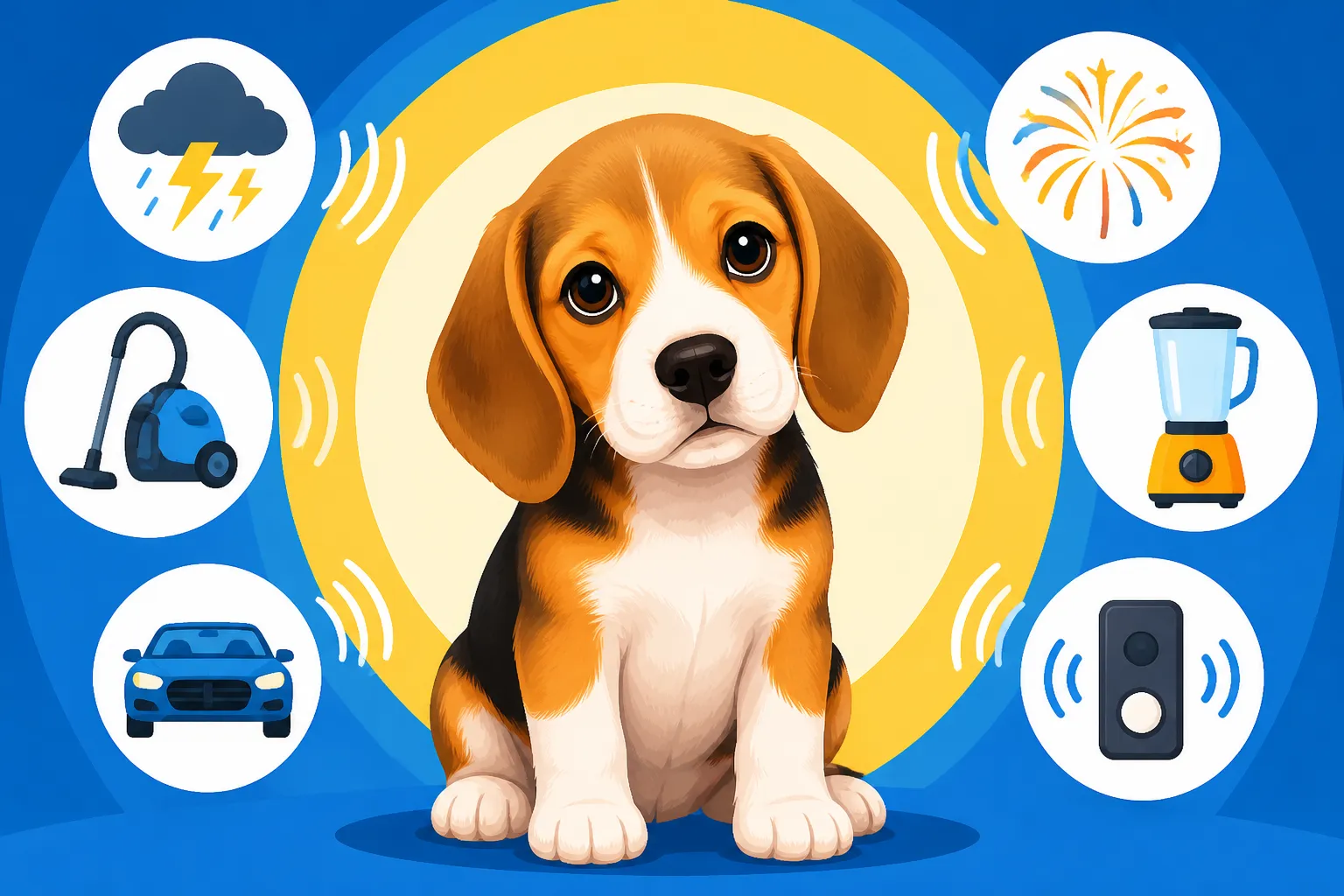
Think about all the noises that make up your daily life: the vacuum cleaner whirring, the washing machine thumping, the doorbell ringing, the blender roaring, the coffee grinder grinding, even the TV changing channels or the radio playing music. For a Beagle puppy, these can be startling.
To introduce them, start with the sound at a very low volume or from a distance. For example, turn on the vacuum in another room, far enough away that your puppy barely reacts, if at all. As the sound plays, offer high-value treats and calm praise. Gradually, over days or weeks, decrease the distance or increase the volume, always watching your puppy's reaction. If they show any signs of fear (ears back, tail tucked, trying to hide), you've gone too fast. Dial it back. The key is never to force them to "deal with it." Make it a game! You can even hide treats around the room while the sound is low, turning it into a fun scent-work exercise. When it comes to something like the doorbell, you can record it or find a sound clip online. Play it softly, then reward. Repeat many, many times. This consistent positive association is much more effective than simply waiting for the delivery driver to ring the bell unexpectedly.
Unexpected Sounds and Sudden Movements
Life isn't always predictable, and neither are the sounds that come with it. Think about things like dropping a pot in the kitchen, a loud sneeze, a sudden laugh, or a child's toy unexpectedly making noise. These can be particularly jarring for a puppy.
For these unpredictable sounds, controlled exposure is still the best strategy. You can set up scenarios where these sounds occur at a low level, in a positive context. For instance, gently drop a metal spoon on the floor from a low height, then immediately give a treat. Work your way up to dropping it from a normal height, or dropping something a bit heavier. If you have children, teach them how to interact calmly around the puppy and avoid sudden loud movements or screams. You can also play sound effect tracks of various noises – fireworks, thunder, children playing – at a very low volume, again paired with treats or a fun game. Remember, the goal isn't just exposure, it's positive exposure. Consider playing calming music or white noise for your puppy when they're settling down, especially when they first arrive home from Bringing a Beagle Puppy Home From a Kennel Litter. This can help them associate sounds with comfort and security, especially helpful during periods like Beagle Puppy Sleep and Waking at Three.
| Sound Category | Examples | Introduction Method |
|---|---|---|
| Household Appliances | Vacuum, blender, washing machine, dryer, hair dryer, doorbell, microwave | Start low volume/distance. Pair with high-value treats and praise. Gradually increase proximity/volume over days/weeks. Make it a game where the sound means good things are happening. |
| Human Noises | Sneezes, coughs, laughter, loud talking, clapping, baby crying, children playing | Practice controlled "bursts" of these sounds at low intensity. Immediately follow with a treat or a favorite toy. Encourage calm behavior. Educate family members on gentle interactions. |
| Outdoor Sounds (Indoor Simulation) | Thunder, fireworks, sirens, car horns, construction noises, passing trucks, barking dogs | Play sound effect recordings at a very low volume. Pair with treats, calm petting, or a favorite chew toy. Slowly increase volume as puppy remains relaxed. Never force interaction. |
| Random Object Noises | Dropped keys, falling pots, rustling bags, opening/closing doors, squeaky toys | Create controlled scenarios for these sounds. Drop a soft item first, then a harder one, from a low height. Reward calm curiosity. Turn it into a game of "where's the sound, where's the treat?" |
Beyond the Home: Preparing Your Beagle for the Big Wide World
Once your Beagle puppy is starting to get comfortable with the sounds of your home, it's time to gently expand their horizons. The world outside is a symphony of new and exciting (and sometimes scary) sounds, and thoughtful exposure will help them navigate it with confidence.
Car Rides and Traffic Sounds
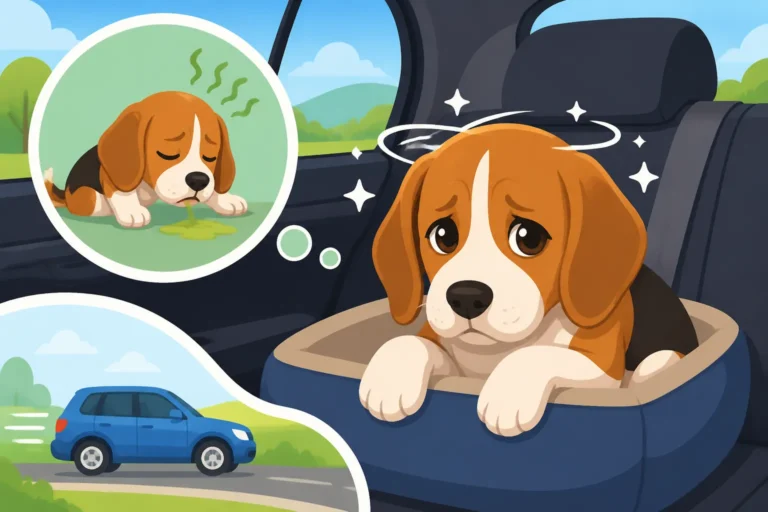
Many puppies get anxious in the car, and a big part of that can be the unfamiliar sounds: the engine rumbling, tires on the road, horns honking, and the general din of traffic. Start small. Get your puppy used to just being in the car while it's parked, offering treats and praise. Then, turn the engine on for short periods, still parked. Once they're comfortable with that, go for very short, calm drives – just around the block, or to a favorite park. Always make the car ride lead to something positive. If your Beagle puppy tends to get Beagle Puppy Car Rides and Motion Sickness, motion can be a factor, but sound can certainly exacerbate any discomfort. Using a secure crate in the car, covered with a blanket, can also muffle some of the harsher sounds and provide a den-like sense of security. Make sure their travel crate is comfortable and associated with good things.
When you're out driving, keep the radio at a low, calming volume, and avoid sudden accelerations or stops if possible. Reward calm behavior in the car consistently. Over time, these short, positive experiences will build their confidence. For longer trips, consider a sturdy travel kennel, like those you might find on Amazon, to provide a safe, consistent space for them.
Public Places and Unfamiliar Environments
Bringing your puppy to public places (once they are fully vaccinated and cleared by your vet, of course) introduces a whole new array of sounds: talking people, children yelling, other dogs barking, street musicians, construction noise, and even different echoes and acoustics.
Start with quiet times and less crowded locations. A local park during off-peak hours, a quiet pet-friendly store, or a friend's house with minimal activity are good starting points. Always have high-value treats with you. As your puppy encounters new sounds, remain calm and positive. If a loud truck goes by, don't react yourself. Instead, calmly give your puppy a treat and praise them for simply existing through it. The goal is to show them that you are their rock, and these sounds are not a threat. Walking them on a leash in these new environments, even for short durations, is also a vital part of Leash Training a Beagle From Eight Weeks.
Consider enrolling in a puppy class or socialization course, like those offered by BAXTER & Bella. These programs are specifically designed to expose puppies to new people, other friendly dogs, and various sounds in a controlled and positive environment, with expert guidance. They create structured opportunities for good experiences.
Troubleshooting and Continuing Sound Socialization Past Sixteen Weeks
Even with the best intentions, sometimes a puppy misses out on crucial early sound exposure, or develops a specific fear despite your efforts. The good news is that socialization is an ongoing process, and while the critical window closes around sixteen weeks, it doesn't mean all hope is lost for a confident, well-adjusted adult Beagle.
Addressing Existing Sound Sensitivities
If your Beagle puppy already shows signs of being sensitive to certain sounds, don't despair. The approach remains similar: gradual, positive exposure. However, you might need to take even smaller steps and be incredibly patient. For a dog that's already fearful of the vacuum cleaner, for instance, start by simply having the vacuum out in the room, but unplugged. Let your puppy investigate it, offering treats nearby. When they're comfortable with its presence, move to turning it on in a far-off room at the lowest setting, rewarding calm behavior. Slowly, over days or weeks, bring it closer, always ensuring your puppy remains under their "threshold" – the point where they start to show fear. If they react, you've pushed too far, too fast. This is a marathon, not a sprint. Remember the internal link Beagle Howling at Sirens and at Music – even as adults, Beagles can have specific sound triggers, and ongoing, positive counter-conditioning is the way to address them.
One trick is to find a sound that genuinely soothes your puppy. Some dogs respond well to classical music, others to white noise or even specific calming audio tracks. You can use these as background noise during your desensitization efforts, or simply when your puppy needs to relax, especially if they are crying through the night in their crate, as discussed in Beagle Crate Size and Crying Through the Night.
Continuing Socialization Through Adolescence and Beyond
Socialization doesn't stop at sixteen weeks; it simply changes its focus. As your Beagle puppy enters adolescence (roughly from six months to two years), they might experience a "fear period" where things they were once comfortable with suddenly become scary. This is totally normal, but it means you need to continue reinforcing positive experiences with sounds.
Keep taking them on adventures to different places, exposing them to new sights and sounds in a calm, controlled manner. Reward brave, curious, or simply indifferent behavior. If you notice signs of Beagle Adolescence and Sudden Selective Hearing, that's a good indicator that they might also be more sensitive to other things, including sounds. Consistency is your best friend. Continue playing sound effect tracks at home, even for short periods, paired with fun games or delicious chews. The goal is to maintain and build upon the foundation you laid in puppyhood, ensuring they remain confident and comfortable with the soundscape of their world. Remember, even older Beagles benefit from Indoor Games for a Beagle on a Rainy Day or quiet activities that engage their minds, which can also incorporate subtle sound exposure.
Disclaimer
This article is for general informational purposes only and does not constitute professional advice. Laws, prices and regulations vary by location and change over time. Consult a qualified professional for guidance on your specific situation.