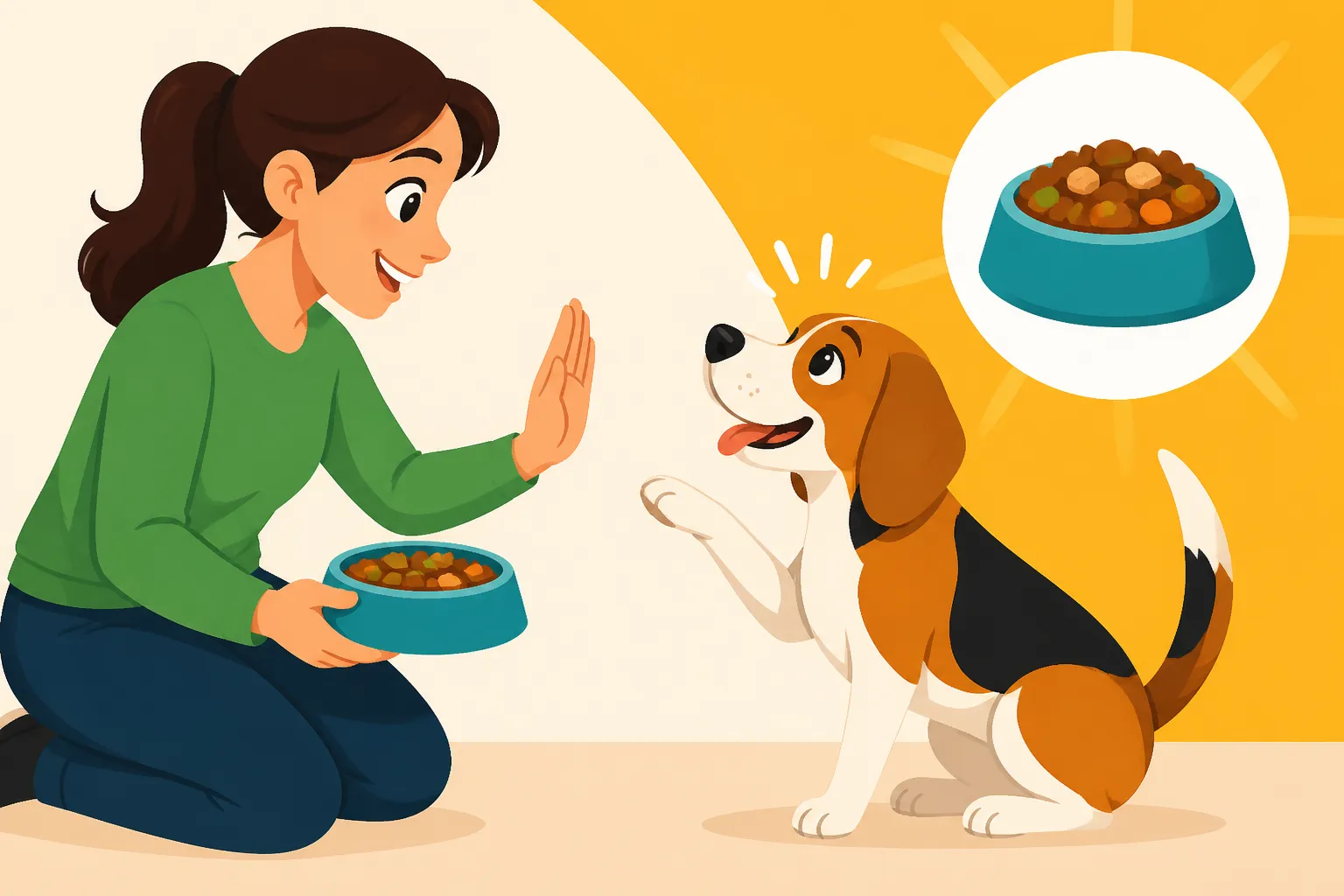
Training a Beagle With Its Own Meal Instead of Treats
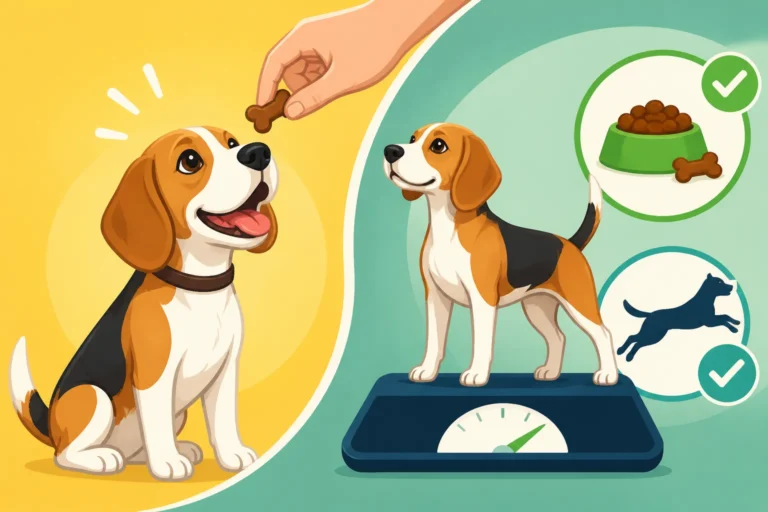
It’s a tale as old as time for Beagle owners: you’ve got a dog with a nose that can find a crumb from three rooms away and an appetite that knows no bounds. This incredible food drive is often seen as both a blessing and a curse. While it makes Beagles incredibly trainable with treats, those little morsels add up fast, often leading to unwanted weight gain. But what if you could harness that powerful hunger for good, using your Beagle’s daily meals as the primary training reward? This guide is all about transforming mealtime into prime training time, keeping your Beagle lean, engaged, and well-behaved, all at once.
The Inescapable Beagle Food Drive: Harnessing Hunger for Good
Anyone who lives with a Beagle knows they are ruled by their stomachs. It's not just a cute quirk; it's a deep-seated instinct, honed over centuries of breeding for scent work. When a Beagle is out on a trail, sniffing intensely, it burns an incredible amount of energy. That energy needs replenishment, and their bodies are wired to seek out every caloric opportunity. This makes them extraordinarily food motivated, which is fantastic for training, but it also means we, as owners, have to be incredibly mindful of what and how much we're feeding them.
A Bottomless Pit of Affection (and Calories)
Your Beagle looks up at you with those big, soulful eyes, and how can you resist? A little treat here for a sit, another there for coming when called, a few more for that adorable head tilt. Before you know it, you've handed out a small meal's worth of calories in treats alone. It’s easy to do, especially when you’re working on a new trick or trying to reinforce good behavior. But for a breed prone to packing on pounds, this can quickly derail their health. Those extra calories contribute to Beagle Obesity and the Diseases It Brings On, putting strain on their joints and organs over time. It's a frustrating cycle: you want to reward them, but you also want them healthy.
Imagine your twenty-five-pound Beagle getting a small training treat that's, say, 10 calories. If you do twenty repetitions in a short training session, that's 200 calories right there. Do that twice a day, and you've added 400 calories. A Beagle might only need around 700-900 calories a day, depending on its size and activity level. You can see how quickly those "little" rewards become a significant portion of their daily intake, often without you even realizing it. The problem isn't the treats themselves, but the sheer volume when your dog is as food-driven as a Beagle.
The Double-Edged Sword of Food Motivation
A Beagle's intense food drive is undeniably an asset in training. They are eager to please if food is involved, making them quick learners for everything from basic obedience to complex scent work. However, this same drive is what often leads to counter-surfing, trash-raiding, and a general obsession with anything edible. You want to leverage that drive positively, but without creating an unhealthy relationship with food or an overweight dog. Many owners feel like they're constantly fighting a battle against their Beagle's insatiable appetite, especially when it comes to keeping them at a healthy weight while also trying to motivate them with rewards.
This is where the paradigm shift comes in. Instead of thinking of "training" as something separate from "eating," we can merge the two. When your Beagle understands that its regular food portions are not just for sitting in a bowl but also for earning positive interactions and learning new skills, its entire outlook on food, and you, can change for the better. It transforms what could be a source of frustration – their constant hunger – into the ultimate training tool.
Why Your Beagle Needs to "Work" for Its Food
Think about it from your Beagle's perspective. In the wild, they would have to forage, hunt, and work for every single meal. Our domesticated dogs often have it easy – food appears in a bowl twice a day, no effort required. By making them "work" for their food, even if it's just a simple "sit" or "stay," you're providing mental stimulation that's just as important as physical exercise. This approach not only helps manage their weight by using controlled portions but also strengthens the bond between you and your dog. They learn that good things (like food) come from positive interactions with you, making you the ultimate provider and source of all good things.
This isn't about punishment or withholding food. It's about engagement and purpose. Every piece of kibble becomes a positive reinforcement for a desired behavior, rather than just a filler in a bowl. It teaches patience, impulse control, and reinforces that paying attention to you brings rewards. It gives their incredible drive a constructive outlet, helping to reduce common Beagle behaviors like Beagle Counter Surfing and Trash Raiding because they're already learning to manage their impulses around food.
Crafting a Training Plan Around Your Beagle's Daily Rations
Implementing meal-based training doesn't have to be complicated. It's really about a shift in mindset and a bit of planning. You're simply taking what your Beagle already needs to eat and turning it into a resource for learning and positive reinforcement throughout the day. This method keeps your Beagle engaged, mentally stimulated, and helps maintain a healthy weight without sacrificing those crucial training moments.
Portioning and Preparing Your Beagle's Meal for Training
The first step is to figure out your Beagle's appropriate daily caloric intake based on their age, weight, and activity level. Your vet can provide guidance on this, and then you can find the corresponding volume of your chosen dog food. Once you have that daily amount, you're going to set aside a significant portion – say, half to two-thirds – for training. The remaining portion can be given in a bowl as a traditional meal, perhaps in a slow feeder or puzzle toy.
Here’s how to prepare it:
- Dry Kibble: For most Beagles, simply take your measured portion of kibble and place it in a treat pouch or a small container. If the kibble pieces are large, you might break them in half for smaller, quicker rewards. This ensures your Beagle isn't getting too much food per reward and can participate in more repetitions.
- Wet Food/Soft Treats: If your Beagle's diet includes wet food or you want to add a high-value soft reward from their meal, you can smear a small amount into a squeezable tube (like a clean travel tube or a Lickimat), or cut soft foods into pea-sized pieces. Remember to account for these calories in their overall daily intake.
Always ensure the food you're using is part of their regular, balanced diet. This isn't about adding extra food, but redistributing what they already get.
Structured Training Sessions with Meal Rewards
Once you have your pre-portioned meal-as-rewards, it's time to train! The beauty of this method is that you can do short, frequent training bursts throughout the day without worrying about overfeeding. Instead of one long, intense session, aim for five to ten minute mini-sessions whenever you have a moment.
Here’s how a typical session might look:
- Start Simple: Begin with behaviors your Beagle already knows well, like "sit" or "down." This builds confidence and gets them in the right mindset. Say the command, and the instant they perform the behavior, mark it with a verbal "yes!" or a clicker, then immediately give them a piece of their meal.
- Increase Difficulty Gradually: Once they're consistent with known commands, start working on something new or a more challenging version of an existing behavior. For example, extending the "stay" duration.
- Vary the Location: Practice in different rooms of your house, then in the yard, and eventually in low-distraction environments outside. This helps generalize the behaviors.
- Practice Beagle Recall That Works Before the Nose Wins: This is a critical one for Beagles. Use their meal portions to reward instant returns. Start in a quiet, fenced area, calling their name and rewarding immediately when they come to you. You can even run away from them a few steps to encourage them to follow, then reward.
By using their daily food, you can do dozens of repetitions, reinforcing good behavior over and over again without adding a single extra calorie. This makes Keeping a Beagle Lean While Training With Treats much more manageable.
The "Life Reward" Method: Making Everyday Actions Earn Food
Beyond structured training sessions, meal-based training can be seamlessly integrated into your Beagle's everyday life through what I call the "Life Reward" method. This means your Beagle has to perform a simple, desired behavior to earn things they want. It’s about teaching impulse control and manners by making them work for every resource.
Think about all the moments your Beagle usually gets something for free:
- Waiting for the Bowl: Instead of just putting their bowl down, ask for a "sit" and "wait" before you release them to eat the remaining portion of their meal. This teaches patience.
- Going Through Doors: Have your Beagle "sit" or "stay" before you open the door to the yard or for a walk. This prevents door dashing and teaches manners.
- Getting on the Couch/Bed: If they're allowed on furniture, ask for a "sit" or "wait" first.
- Putting on the Leash/Harness: Ask for a "sit" or "stand still" before clipping on their walking gear. This makes the experience calmer for everyone.
- Entering the Crate: Reward them for calmly entering their crate on command.
By consistently asking for a small behavior before they get what they want, you're constantly reinforcing that you are the gatekeeper to all good things, and cooperation pays off. This builds a respectful, working relationship and makes your Beagle a more polite and patient companion. Many positive reinforcement programs, like those offered by BAXTER & Bella, emphasize integrating training into daily life, and using meal portions is a perfect way to embody that philosophy, making every interaction a learning opportunity.
Overcoming Challenges and Maximizing Engagement
While Beagles are generally very food motivated, there might be times when plain kibble doesn't quite spark their usual enthusiasm, or you might hit a snag in your new routine. It's all part of the process, and there are plenty of ways to adjust and keep your Beagle excited about earning their food.
Elevating Kibble's Appeal for Training
For some Beagles, especially if they're used to super high-value, smelly store-bought treats, their regular kibble might seem a bit… boring. This is rarely a long-term problem for a truly food-driven Beagle, but if you notice a dip in motivation, here are a few tricks to boost your kibble's appeal without adding excessive calories:
- A Dash of Flavor: Lightly mist or sprinkle a tiny amount of low-sodium chicken or beef broth (check ingredients carefully for onion/garlic), a pinch of nutritional yeast, or a touch of salmon oil over their training kibble. Just enough to add scent and flavor without making it soggy or adding significant calories.
- Mix in a High-Value Bite: Once or twice during a longer training session, if your Beagle seems to be losing focus, you can surprise them with a single, very small piece of boiled chicken, cheese, or hot dog (all approved, of course, and accounted for in their daily calorie count). This helps reset their motivation and reminds them that amazing rewards can appear when they work hard.
- Warm it Up Slightly: A very slight warming can enhance the aroma of dry kibble, making it more enticing. Be careful not to make it hot!
- Novelty: Sometimes, just presenting the kibble in a new way – from a different hand, in a different location, or with a new game – can increase its perceived value.
The goal is to make their regular food feel like a reward, not just a necessity.
Tools to Make Meal-Based Training Easier
Having the right tools can make your meal-based training much more efficient and enjoyable for both you and your Beagle.
- Treat Pouch: This is non-negotiable! A good treat pouch allows you to have your Beagle's meal portions readily accessible, so you can reward instantly. Look for one with a wide opening, an easy-to-close clasp, and a secure way to attach it to your waist. You can find many excellent options on Amazon that are durable and easy to clean. Instant rewards are crucial for marking the exact moment of desired behavior.
- Clicker: If you're using a clicker for training, this method pairs perfectly. The click marks the behavior, and the kibble reward follows. It creates a very clear communication bridge for your Beagle.
- Slow Feeder Bowls and Puzzle Toys: For the portion of their meal that isn't used for active training, these can provide mental enrichment and slow down their eating. Puzzle Feeders That Genuinely Slow a Beagle can turn mealtime into a problem-solving game, engaging their brain and reducing the risk of gulping down food too quickly.
- Snuffle Mats: These fabric mats with hidden compartments are fantastic for engaging a Beagle's powerful nose. Hiding small bits of their kibble in a snuffle mat turns mealtime into a fun scent game, providing mental exercise and enriching their environment. You can learn more about this in Snuffle Mats and Scatter Feeding for a Beagle.
Consistency Across the Household
The biggest hurdle in any training plan, especially one involving food, is consistency. Every person in your household needs to be on the same page. If one family member is giving unlimited treats while another is diligently using meal portions, your Beagle will quickly learn who the "easy mark" is, and your efforts will be undermined.
- Family Meeting: Have an honest discussion with everyone who interacts with your Beagle. Explain why you're making this change – for the Beagle's health, behavior, and your bond.
- Clear Rules: Establish clear guidelines: "Beagle only gets food rewards from this treat pouch, which contains its measured meal portion," or "Always ask for a 'sit' before giving anything."
- Designated Trainer(s): While everyone should participate, perhaps designate one or two primary trainers who lead the structured sessions, ensuring consistency in cues and timing.
- No "Extra" Food: Make sure everyone understands that human food scraps or extra treats beyond the allocated daily portion are off-limits. This is especially vital for a Beagle, who will endlessly beg for anything edible.
Consistency isn't about being strict; it's about being clear and fair to your dog. It helps them understand the rules and reduces confusion, making them a happier, more secure companion.
Beyond Basic Commands: Advanced Meal-Based Learning
Once your Beagle is a pro at the basics using its meal, you can really start to get creative. The great thing about their intense food drive is that it can be applied to almost any kind of training, and using their regular food allows for extensive practice without piling on the pounds. This method not only helps with behavior but also provides crucial mental stimulation for a breed that thrives on having a "job."
Scent Games and Puzzle Feeders for Mental Stimulation
Beagles were born to use their noses, and integrating scent work into mealtime is a brilliant way to satisfy this instinct. Instead of just putting their meal in a bowl, turn it into a scavenger hunt!
- Indoor Hides: Take a handful of their meal portions and hide them in various easy-to-find spots around a room – under a rug, behind a chair leg, inside a rolled-up towel. Start easy and gradually increase the difficulty. Encourage your Beagle to "find it!" and watch their nose go to work. This tires them out mentally far more than a simple walk.
- Snuffle Mats: As mentioned before, a snuffle mat is a fantastic tool for this. It allows your Beagle to sniff and forage, mimicking natural behaviors. It slows down eating and provides a rich sensory experience.
- Advanced Puzzle Toys: Invest in a variety of puzzle toys that require different levels of manipulation to release food. This keeps things interesting and continually challenges their problem-solving skills. Look for durable, washable options, and rotate them regularly to prevent boredom. These activities can be crucial, especially on a rainy day when Indoor Games for a Beagle on a Rainy Day are needed.
Building Focus and Impulse Control
Meal-based training is perfect for teaching crucial impulse control skills, which are often challenging for Beagles given their intense focus on food.
- "Leave It": Practice "leave it" with small portions of their kibble on the floor or in your open hand. Start by covering the food with your hand. Say "leave it," and when your Beagle looks away from the food to you, mark and reward with a different piece of food from your other hand (or your pouch). Gradually progress to leaving the food uncovered. This is an essential skill for a scavenging breed, helping them ignore tempting (and potentially dangerous) items they might find on walks. More detailed steps can be found in Beagle Leave It Training With Real Food Down.
- "Wait": Similar to "leave it," "wait" teaches patience. Use it before they go through a door, before they get out of the car, or most importantly, before they approach their food bowl. Make eye contact, say "wait," and when they hold still for a moment, release them with an "okay!" and let them have their food.
- Duration and Distraction: Once your Beagle understands basic commands, use their meal portions to practice holding commands for longer periods and in more distracting environments. "Stay" while you walk across the room, then while you leave the room briefly. This builds reliability.
Long-Term Benefits for Health and Behavior
The long-term benefits of meal-based training extend far beyond just teaching tricks. By consistently using their daily food for training, you're investing in your Beagle's overall well-being:
- Weight Management: This is perhaps the most obvious benefit. You're ensuring your Beagle gets all the calories it needs, but none of the excess, making it easier to maintain a healthy weight and prevent related health issues.
- Mental Engagement: Beagles are intelligent, active dogs. Without enough mental stimulation, they can become bored, leading to destructive behaviors or excessive barking. Meal-based training provides a daily dose of mental exercise, keeping their brains sharp and their energy channeled constructively.
- Stronger Bond: When you are the source of not just food, but also fun, learning, and positive interaction, your bond with your Beagle deepens. They look to you for guidance and rewards, strengthening your relationship and making them more responsive to your cues.
- Better Manners: Through consistent "life rewards" and impulse control exercises, your Beagle learns to be a more polite and well-mannered companion, less likely to jump, pull on the leash, or beg incessantly.
It might seem like a small change, but using your Beagle's own meal for training can revolutionize their behavior, health, and your relationship with them. Give it a try – your Beagle will thank you (with a wagging tail and an eager "sit" for that next kibble piece!).
| Feature | Traditional Treat Training (Primary) | Meal-Based Training (Primary) |
|---|---|---|
| Calorie Control | High risk of accidental overfeeding, leading to weight gain. | Excellent calorie control, using daily allowance. |
| Frequency of Training | Limited by treat quantity to avoid weight gain. | Can do frequent, short sessions throughout the day. |
| Motivation Level | Very high, especially with high-value treats. | High, especially once Beagle understands the system. |
| Mental Enrichment | Can provide, but often separate from feeding routine. | Integrates mental work directly with daily food. |
| Impulse Control | Can teach, but might be undermined by free-feeding. | Strengthens impulse control around food consistently. |
| Cost Implications | Additional cost for dedicated training treats. | No additional food cost; uses existing budget. |
| Household Consistency | Often challenging if treats are freely given by others. | Easier to enforce a "work for food" rule across family. |
| Long-Term Health | Potential for obesity if not managed carefully. | Supports healthy weight and overall well-being. |
Disclaimer
This article is for general informational purposes only and does not constitute professional advice. Laws, prices and regulations vary by location and change over time. Consult a qualified professional for guidance on your specific situation.