Living With a Beagle in an Apartment Building
It can feel like a dream to imagine sharing your small apartment with a cheerful, boisterous Beagle, but the reality often hits hard: their natural instincts and vibrant personalities aren't always a perfect fit for multi-family living. The constant worry about noise complaints, destructive behaviors born of boredom, or just the sheer lack of space can turn that dream into a stressful daily juggle. This guide is here to walk you through the very real challenges and practical strategies for making apartment living not just tolerable, but truly successful for both you and your beloved Beagle.
Understanding the Beagle's Vocal Nature in an Apartment Setting
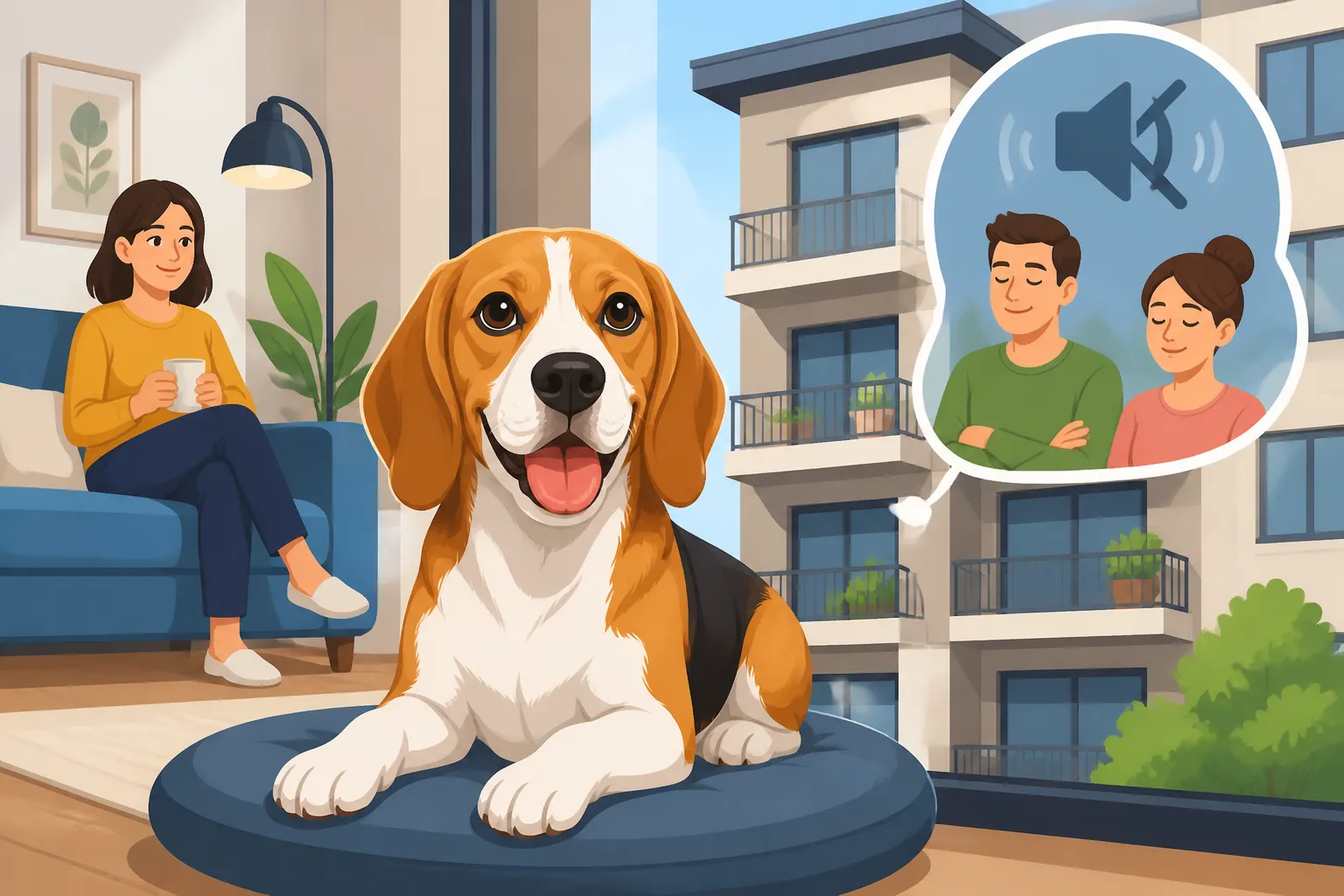
One of the first, and often loudest, realities of living with a Beagle in an apartment is their incredible vocal range. Beagles were bred for centuries to communicate with their pack and with hunters, and they do this primarily through sound. That characteristic "bay" isn't just a cute quirk; it's a deep, resonating sound designed to carry over long distances and through dense brush. When confined to an apartment, that sound carries just as well through shared walls and ceilings, leading to inevitable tensions with neighbors.
Why Beagles Bay, Howl, and Bark
Beagles possess a unique set of vocalizations, each serving a different purpose in their genetic makeup. Their famous bay is often a tracking cry, a joyous announcement that they're on a scent trail, or a declaration to their pack. Imagine your Beagle catches a whiff of something truly exciting – a squirrel outside the window, a fascinating odor wafting up from the sidewalk below, or even the faint scent of dinner cooking next door. That bay is an instinctual response, a full-throated expression of their hunting heritage. It's not usually an aggressive sound, but it is undeniably loud and sustained. You might find yourself wondering What a Beagle Bay Actually Sounds Like compared to a typical bark.
Then there's the howl. A Beagle might howl when lonely, when hearing sirens, or in response to certain types of music. It’s their way of reaching out, a primal call for connection or an echo of sounds they perceive as similar to their own. Barks, while less signature for a Beagle than their bay, are also common, usually in response to perceived threats (like someone in the hallway) or to get attention. The key takeaway is that these aren't just "bad habits"; they are deeply ingrained behaviors for a breed designed to be vocal. Trying to suppress these completely without addressing the underlying instincts or triggers is often a frustrating and losing battle for both dog and owner.
Managing Noise Triggers in an Apartment
Living in close quarters means managing external triggers is paramount. Your Beagle’s sensitive nose and ears pick up far more than you do. The sound of a neighbor's door closing, footsteps in the hallway, children playing upstairs, or even the distant siren of an emergency vehicle can set off a chain reaction of vocalizations. Start by identifying these specific triggers. Keeping a log can be incredibly helpful – noting the time, the sound, and your Beagle’s reaction. This helps you anticipate and potentially intervene before the baying begins.
One effective strategy is to create a "safe haven" for your Beagle that helps muffle external sounds. This might be a cozy crate covered with blankets, or a designated room where you can play white noise or classical music to mask ambient apartment sounds. Desensitization and counter-conditioning are powerful tools here. For example, if your Beagle barks every time someone walks by the door, start by rewarding them with a high-value treat before the bark, the moment you hear footsteps approaching. The goal is to change their emotional response from alert/vocal to calm/expectant of a treat. Consistency is absolutely crucial, and a long-term strategy of Managing the Triggers That Set a Beagle Off is far more effective than trying to scold them into silence.
Soundproofing and Neighbor Relations
Let's be realistic: true soundproofing in an apartment building is often not feasible, but there are steps you can take to mitigate noise and, perhaps more importantly, manage expectations with your neighbors. Thick rugs, heavy curtains, and even strategically placed furniture can help absorb some sound within your unit. Consider acoustic panels or even foam weather stripping around doors to your Beagle's designated quiet zone, if applicable. While these won't eliminate all sound, every little bit helps.
Crucially, proactive communication with your neighbors can make a huge difference. Introduce your Beagle to them (if appropriate and safe), explain that you are actively working on managing their vocalizations, and share your efforts. Offering a peace offering, like a plate of cookies or a small gift card to a local coffee shop, can go a long way in building goodwill. Knowing you are making an effort can diffuse tension and foster understanding, turning potential complaints into empathy. Sometimes, suggesting white noise machines for their side of the wall during certain hours can also be a surprising but effective solution, especially if you know there are specific times your Beagle is most vocal, like when you first leave for work. This is a critical component of Living With a Beagle in an Apartment Building.
Meeting a Beagle's High Exercise and Mental Stimulation Needs Indoors
Beagles are not couch potatoes by nature. They are energetic, intelligent hounds bred for endurance and problem-solving on the trail. Confining this boundless energy to a small apartment without adequate outlets is a recipe for disaster, manifesting as destructive chewing, excessive vocalization, or general mischief. Your job as an apartment-dwelling Beagle owner is to get creative and consistent with how you burn off both physical and mental steam.
Maximizing Outdoor Time and Sniff Walks
For a Beagle, a walk isn't just about moving their legs; it's about processing the world through their nose. A "sniff walk" is an absolutely essential part of their day. Instead of forcing a brisk pace, allow your Beagle to meander, to stop, to sniff every interesting lamppost, bush, and blade of grass. This is their equivalent of reading the morning newspaper, checking their social media, and solving complex puzzles all at once. Even twenty minutes of dedicated, uninterrupted sniffing can be far more mentally exhausting than an hour of forced heel-work. Prioritize these sniff walks, ideally several times a day if your schedule allows. You'll quickly see Sniffing Walks and Why They Tire a Beagle Out.
Always keep your Beagle on a leash, or a long line if you have access to a safe, contained park area, as their powerful nose can easily lead them astray. Their recall will likely fail if they get on a good scent. Regular, vigorous exercise like a run in a dog-friendly park (still leashed or in a fully secured area), or a long hike on trails (again, leashed!) is also vital. Even if you're in an apartment, make sure your Beagle gets at least two good outings a day beyond quick potty breaks. A brisk walk or run in the morning before the heat of the day, and another longer sniff-focused adventure in the evening.
Indoor Games and Puzzle Feeders
When outdoor adventures are limited by weather, schedule, or apartment rules, indoor enrichment becomes your best friend. Interactive puzzle feeders are indispensable for Beagles, who are highly food-motivated. Instead of simply dumping their kibble in a bowl, make them work for it. There are countless options available on Amazon, from snuffle mats to complex dispensers that require pushing, nudging, and flipping. These don't just slow down their eating (which is great for their digestion), but they engage their brain and tap into their natural foraging instincts. Learning how to properly use Puzzle Feeders That Genuinely Slow a Beagle can be a game-changer for daily enrichment.
Beyond food puzzles, engage your Beagle in active indoor games. "Find it" games, where you hide treats or toys around the apartment, are fantastic for their nose and brain. Teach them new tricks, even simple ones like "shake a paw" or "spin." The mental effort of learning and problem-solving tires them out just as effectively, if not more so, than physical exercise alone. Consider training programs like BAXTER & Bella, which offer structured online courses that you can do from the comfort of your apartment, teaching you and your Beagle new skills and boosting that crucial mental engagement. Tug-of-war (with rules) and short fetch sessions down a hallway can also help burn off some steam. Remember, a tired Beagle is a good Beagle, and mental fatigue is just as important as physical. If you're stuck indoors, these Indoor Games for a Beagle on a Rainy Day can be lifesavers.
Enrichment for a Rainy Day
Let's face it, some days the weather simply won't cooperate for those long sniff walks, or your schedule is just too packed. That doesn't mean your Beagle's brain gets to go dormant. Beyond puzzle feeders, consider rotating toys to keep things fresh and exciting. A toy that's been "put away" for a week can feel brand new again. Frozen Kongs or other chew toys filled with peanut butter, yogurt, or even wet dog food can keep them happily occupied for extended periods. The licking motion is also very calming for dogs.
You can also engage in quiet training sessions, working on refining known cues or introducing entirely new ones. Even just sitting with your Beagle, offering gentle petting, and engaging in some calm interaction can be a form of enrichment, strengthening your bond and providing comfort. Short bursts of activity throughout the day are often more beneficial than one long, exhausting session. Think five to ten minutes of active play or training every couple of hours. This breaks up the monotony of apartment life and keeps their minds stimulated without needing a huge amount of physical space.
Navigating Potty Training and Accidents in an Apartment
Potty training a Beagle in an apartment presents its own set of challenges compared to a house with direct backyard access. The need to go up and down stairs, wait for an elevator, or navigate busy common areas can make quick potty breaks a logistical hurdle, especially for a puppy or a senior dog. Consistency and a well-thought-out routine are your absolute strongest tools.
Establishing a Consistent Potty Schedule
The golden rule of apartment potty training is consistency, consistency, consistency. Young puppies will need to go out every 1-2 hours, immediately after waking up, after eating, and after playing. Even adult Beagles benefit from a predictable schedule – say, first thing in the morning, midday, late afternoon, and right before bed. This predictability helps them understand when and where they are expected to eliminate. Keep your chosen potty spot the same every time to build strong associations.
When you take your Beagle out, always go to the designated potty area and wait patiently. Avoid distractions – no phone calls, no chatting with neighbors – your focus should be entirely on your Beagle. The moment they relieve themselves, offer enthusiastic praise and a high-value treat. This immediate positive reinforcement is critical for them to connect the act of going potty outside with a reward. If they don't go within 5-10 minutes, bring them back inside and try again in 15-20 minutes, keeping them on leash with you to prevent accidents indoors. Over time, your Beagle will learn that eliminating outside is highly rewarding. Learning How Many Weeks Beagle Potty Training Usually Takes is a journey, and patience is key.
Dealing with Accidents and Preventing Recurrence
Accidents will happen, especially in an apartment environment where access to the "toilet" isn't always instant. The most important thing is how you react. Never scold or punish your Beagle for an indoor accident. They won't understand why they're being punished, only that going potty in your presence is bad, which can lead to them hiding accidents or being afraid to relieve themselves in front of you, even outside. If you catch them in the act, a sharp but not scary "Ah-ah!" or clap can interrupt them, then immediately scoop them up and rush them outside to their designated potty spot to finish.
Clean up accidents thoroughly with an enzymatic cleaner designed to eliminate pet odors. Regular household cleaners might mask the scent for humans, but a Beagle's powerful nose will still detect it, potentially signaling to them that this is an acceptable spot to go again. Preventing recurrence involves reinforcing your schedule, closely supervising your Beagle indoors (especially when they're young), and using tools like crate training. A crate can be a lifesaver for apartment dwellers, as most dogs are reluctant to soil their sleeping area. Just ensure the crate is appropriately sized – just enough room to stand up, turn around, and lie down comfortably, but not so much space that they can use one end as a bathroom.
Balancing Outdoor Potty Breaks with Apartment Living
The logistics of apartment living mean that outdoor potty breaks can take longer than simply opening a back door. This means you need to be realistic about your Beagle’s bladder capacity and your own schedule. Consider incorporating a puppy pad or indoor potty solution (like a patch of real grass) for emergencies, especially if you live on a higher floor or have a long commute. While the ultimate goal is outdoor potty training, having a backup can prevent unnecessary stress and accidents.
For senior Beagles, who might have less bladder control or mobility issues, ramps for steps outside or simply a more frequent schedule might be necessary. As Beagles get older, they may experience Cognitive Decline in a Senior Beagle or have Kidney Disease in an Old Beagle, both of which can impact their ability to hold it. Planning ahead, and knowing your building’s rules regarding pet relief areas, are crucial. Some apartment complexes have designated dog runs or grass patches that can make life much easier. Make use of these resources whenever possible to streamline the process.
Addressing Separation Anxiety in an Apartment Beagle
Beagles are social pack animals. Being left alone, especially for long periods in a quiet apartment, can trigger intense feelings of anxiety, loneliness, and boredom, often leading to destructive behaviors, excessive vocalization, or inappropriate urination. Recognizing the signs and implementing strategies to build their confidence when alone is vital for their well-being and your peace of mind.
Recognizing the Signs of Separation Anxiety
True separation anxiety is more than just a bit of whining when you leave. It's an intense distress response that occurs when a dog is left alone or separated from their attachment figure. Signs often appear shortly after you leave or even during your pre-departure routine. Common indicators include:
- Excessive Vocalization: Prolonged howling, baying, or barking that doesn't stop, often starting the moment you walk out the door. Neighbors are usually the first to report this.
- Destructive Chewing: Especially around exits like doors and windows, or destroying items that smell like you, like shoes or clothing. This isn't just "being naughty"; it's an attempt to self-soothe or escape.
- Inappropriate Urination/Defecation: House-trained Beagles may have accidents when left alone, even if they were just let out. This is not defiance but a stress response.
- Pacing and Restlessness: Observed via a pet camera, your Beagle might pace frantically, unable to settle.
- Escape Attempts: Chewing through crates, scratching at doors, or jumping out of windows (if accessible) in an effort to reunite with you.
It's important to distinguish true separation anxiety from simple boredom or puppy naughtiness. With separation anxiety, these behaviors only occur when the dog is alone. If your Beagle exhibits these behaviors even when you're home, it might point to other issues that need addressing. For more detailed insights, reading about Beagle Separation Anxiety in a Breed Bred for Packs can be incredibly enlightening.
Strategies for Alone Time Training
The goal of alone time training is to gradually acclimate your Beagle to your absence, proving to them that you always come back. This is a slow process that requires immense patience.
- Start Small: Begin by desensitizing your Beagle to your pre-departure cues. Pick up your keys, put on your coat, or grab your bag, but then don't leave. Sit down, watch TV, and completely ignore them. Repeat this many times a day until these actions no longer trigger anxiety.
- Practice Short Absences: Once they're calm, start leaving for very short durations – literally seconds at first. Step outside the door, close it, wait five seconds, then come back in calmly. Don't make a big fuss upon returning. Slowly increase the duration over days and weeks. The key is to return before your Beagle becomes anxious.
- Create a Calm Environment: Before leaving, ensure your Beagle has had adequate exercise and a potty break. Provide high-value, long-lasting enrichment, like a stuffed Kong or a favorite chew toy. Leave on white noise, classical music, or a podcast to mask external sounds. Some pet owners find comfort in an interactive camera, allowing them to check in and even speak to their Beagle remotely, though for severe anxiety, this can sometimes make things worse.
- Consider Crate Training: If introduced positively, a crate can become a safe, den-like space for your Beagle when you're away. It limits destructive behavior and can make them feel more secure. However, a Beagle with severe separation anxiety might injure themselves trying to escape a crate. Always introduce the crate slowly and positively. You might find guidance in articles like Crate Training a Beagle Bred to Sleep in a Pack.
Remember that progress is not linear, and there will be setbacks. This is a marathon, not a sprint.
Considering Professional Help and Resources
For moderate to severe separation anxiety, enlisting professional help is highly recommended. A certified professional dog trainer or a veterinary behaviorist can help you develop a tailored behavior modification plan. They might suggest specific training techniques, environmental management strategies, or even discuss anti-anxiety medication if the anxiety is severe enough to cause significant distress or risk of self-injury. These professionals have experience with the nuances of Beagle behavior and can provide invaluable guidance.
Online training platforms like BAXTER & Bella also offer comprehensive resources and support for addressing various behavioral challenges, including separation anxiety, providing structured modules and expert advice you can access from home. Sometimes, the solution isn't just about training, but about ensuring your Beagle feels secure and understood. Exploring whether A Second Dog Calms an Anxious Beagle is a question many apartment owners consider, but it's important to weigh the pros and cons carefully, as two Beagles in an apartment could potentially double your challenges if not managed well. However, for a truly pack-oriented breed, sometimes companionship can be beneficial. Always seek professional advice before adding another pet, especially if anxiety is a factor.
Space Considerations and Safety in an Apartment
Even if your Beagle's needs for exercise and mental stimulation are met, living in an apartment inherently means less physical space than a house with a yard. This necessitates careful planning to ensure your Beagle is comfortable, safe, and that your living environment remains functional for both of you.
Designing a Beagle-Friendly Apartment Layout
Think about your apartment from your Beagle's perspective. Do they have a comfortable, designated space of their own where they can retreat? This could be a crate in a quiet corner, a cozy dog bed tucked away, or a small section of a room. Beagles thrive on routine and having a personal den provides security. Ensure this space is away from high-traffic areas or noisy appliances if possible.
Consider storage solutions to keep Beagle supplies tidy and out of the way. Leashes, treats, toys, and grooming tools can quickly clutter a small space. Vertical storage or multi-functional furniture can be your friend here. For instance, a storage ottoman can hide toys, or shelves can hold their grooming brushes. Safety is also paramount. Beagles are notoriously curious and food-driven. Ensure all human food, medications, cleaning supplies, and toxic plants are well out of reach. This includes trash cans, which should have secure lids, and kitchen counters, which a determined Beagle will absolutely attempt to "surf." Remember, a Beagle's nose means they will find any forgotten crumb.
Preventing Destructive Chewing and Counter Surfing
Destructive chewing and counter surfing are common Beagle behaviors that can be exacerbated in an apartment where boredom or anxiety runs high. Prevention is always easier than correction.
- Provide Appropriate Chews: Always have a variety of safe, durable chew toys available. Rotate them regularly to keep them interesting. Look for high-quality, long-lasting chews on Amazon. This gives them an acceptable outlet for their chewing needs.
- Manage Environment: "Beagle-proof" your apartment as much as possible. Secure trash cans, keep food off counters, and put away anything valuable or dangerous that could be chewed. Baby gates can be useful to block off certain areas, like the kitchen, when you can't supervise directly.
- Address Underlying Issues: Often, destructive chewing stems from boredom, lack of exercise, or separation anxiety. Refer back to the sections on exercise, mental stimulation, and separation anxiety. A Beagle that's physically tired and mentally stimulated is far less likely to resort to chewing your furniture.
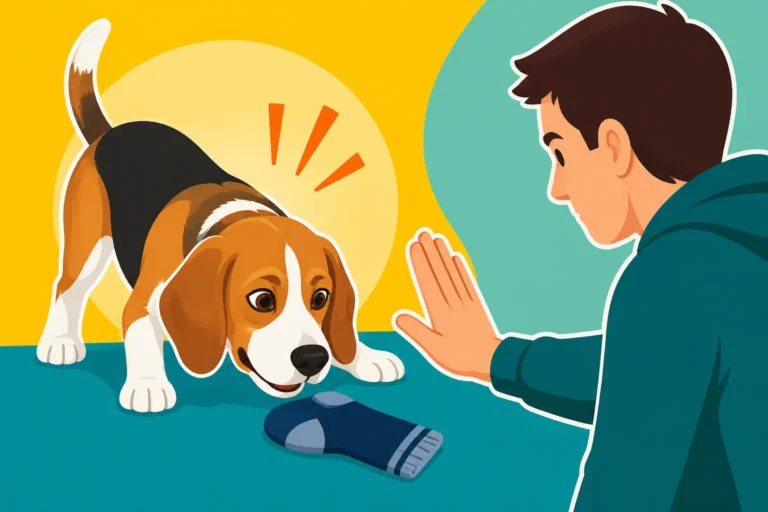
- Consistent Training: Teach "leave it" and "drop it" commands with extreme consistency. This takes time and many repetitions with high-value treats, but it's crucial for preventing them from snatching something dangerous or forbidden. Consider structured online training from providers like BAXTER & Bella that can guide you through these fundamental commands.
It's a constant vigilance, but by understanding their motivations and providing acceptable alternatives, you can drastically reduce unwanted chewing and counter surfing.
Maximizing Small Spaces for Play and Comfort
Even a small apartment can offer opportunities for play and comfort with a bit of ingenuity. Use hallways for short games of fetch or "hide and seek." Scatter feeding their kibble across different rooms encourages them to use their nose and move around the space, making mealtime a mental exercise. Remember, for a Beagle, using their nose is often more tiring than just running around.
Vertical space can also be utilized. While Beagles aren't known for climbing like cats, providing a comfy dog bed near a window where they can safely observe the world outside can be mentally stimulating. Just ensure windows are secure. If you have a small balcony, make it dog-safe with secure railings and supervision, perhaps with a patch of artificial grass for a sunbath. Ultimately, creating a space that feels safe, stimulating, and organized, despite its size, is key to happy apartment living with your Beagle.
Disclaimer
This article is for general informational purposes only and does not constitute professional advice. Laws, prices and regulations vary by location and change over time. Consult a qualified professional for guidance on your specific situation.