Building Beagle Focus in a Distracting Place
It's incredibly frustrating, isn't it? You step outside with your cheerful Beagle, full of good intentions for a focused walk or training session, and the moment that amazing nose hits the ground, you might as well be invisible. All your hard work on recall and attention seems to vanish into thin air, leaving you feeling like you're talking to a brick wall. This guide will walk you through practical, empathetic strategies to build and maintain your Beagle's focus, even when the world is screaming with exciting smells.
Understanding the Beagle's World of Scent
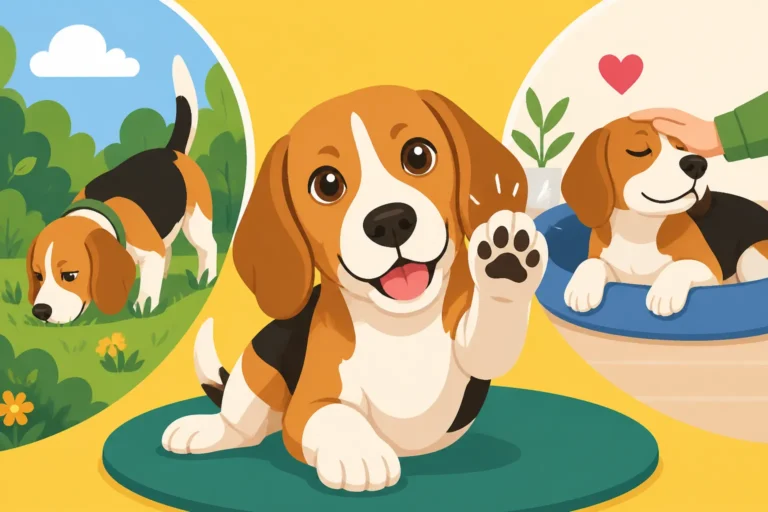
Before we even begin to talk about building focus, it’s crucial to truly understand what you're up against. Your Beagle isn't being "stubborn" or "disobedient" when their nose takes over; they are simply being a Beagle, fulfilling millennia of carefully bred instinct. It's not a flaw, but their superpower, and it makes our human world a truly overwhelming place for them.
The Overwhelming Symphony of Smells
Imagine walking into a room, and instead of seeing discrete objects, every single one of them is screaming a different story at you – stories of who touched it, what they ate, where they've been, how long ago they were there. That's a tiny glimpse into your Beagle's sensory experience. Their olfactory bulb is massive, processing an incredible amount of information. While we might smell a freshly mown lawn, a Beagle smells every blade of grass, every bug that crawled on it, every dog that peed near it, every foot that walked over it, and exactly how long ago each event occurred.
This isn't just about general smells; it’s about a complex, layered tapestry of information. A rabbit might have run across the path an hour ago, leaving a trail that is an undeniable invitation to investigate. A nearby trash can isn't just a trash can; it's a treasure chest of discarded food scents, each one more tempting than the last. For a Beagle, ignoring these signals is like asking a human to ignore a blaring fire alarm – it's practically impossible, and frankly, goes against their very nature. This profound connection to the ground is why understanding Why a Beagle Walks With Its Nose to the Ground is so important for owners.
Instinct Versus Training
Beagles were purpose-bred to hunt in packs, following a scent trail relentlessly, sometimes for hours on end, without being distracted by much else. Their job was to tune out everything except that specific scent. So, when you try to get their attention amidst a symphony of enticing smells, you're asking them to actively suppress an instinct that has been hardwired into their DNA for generations. This isn't just casual distraction; it's a deep-seated drive.
Acknowledge this powerful instinct. It helps to reframe their behavior not as naughtiness, but as an overwhelming natural response. This perspective allows us to approach training with more patience and empathy, rather than frustration. Our goal isn't to eliminate their scent drive – that's impossible and undesirable – but to teach them to toggle between engaging their nose and engaging with us, on our terms.
Laying the Foundation: Building Focus at Home
You wouldn't expect a toddler to read Shakespeare before they've mastered their ABCs, right? The same goes for your Beagle. Before you tackle the chaos of the dog park or a busy street, you need to build a rock-solid foundation of focus in the calmest, least distracting environment possible: your home. This is where your Beagle learns that you are the most interesting thing in the room, even when there's nothing else competing for their attention.
High-Value Rewards are Key
Beagles are notoriously food-motivated, and this is your secret weapon. Regular kibble often won't cut it when you're asking them to do something difficult, like ignore a tempting scent. You need to pull out the big guns. Think tiny pieces of cooked chicken, hot dogs, cheese, or specialized high-value training treats. These aren't their everyday snacks; they're the jackpot prizes reserved for times you need their absolute best focus.
When you're first teaching a new behavior or trying to establish attention, every correct response should be met with one of these stellar treats and enthusiastic praise. The goal is to make interacting with you so incredibly rewarding that it outweighs the potential reward of sniffing something interesting on the ground. You can find a huge variety of high-value, small training treats and even treat pouches to keep them easily accessible on platforms like Amazon, making it simple to keep your training arsenal stocked. Understanding High-Value Food and How Fast a Beagle Learns will really help you nail this part of the training.
Short, Engaging Training Sessions
Beagles might have boundless energy for following a trail, but their focus on human-directed tasks can be surprisingly short-lived, especially when they're young or still learning. Keep your training sessions brief – think 3-5 minutes at a time, several times a day, rather than one long, arduous session. This keeps the experience positive and prevents your Beagle from getting bored or frustrated.
During these short bursts, aim for a high rate of reinforcement. This means giving many treats for many correct responses. The more frequently your Beagle gets rewarded for focusing on you, the more likely they are to offer that focus voluntarily. Mix up your activities too! Don't just do "sit, stay." Incorporate some fun tricks, a brief game of tug, or even some gentle grooming if they enjoy it. The variety keeps them engaged and eager for the next session.
The Power of a Strong "Look at Me" Cue
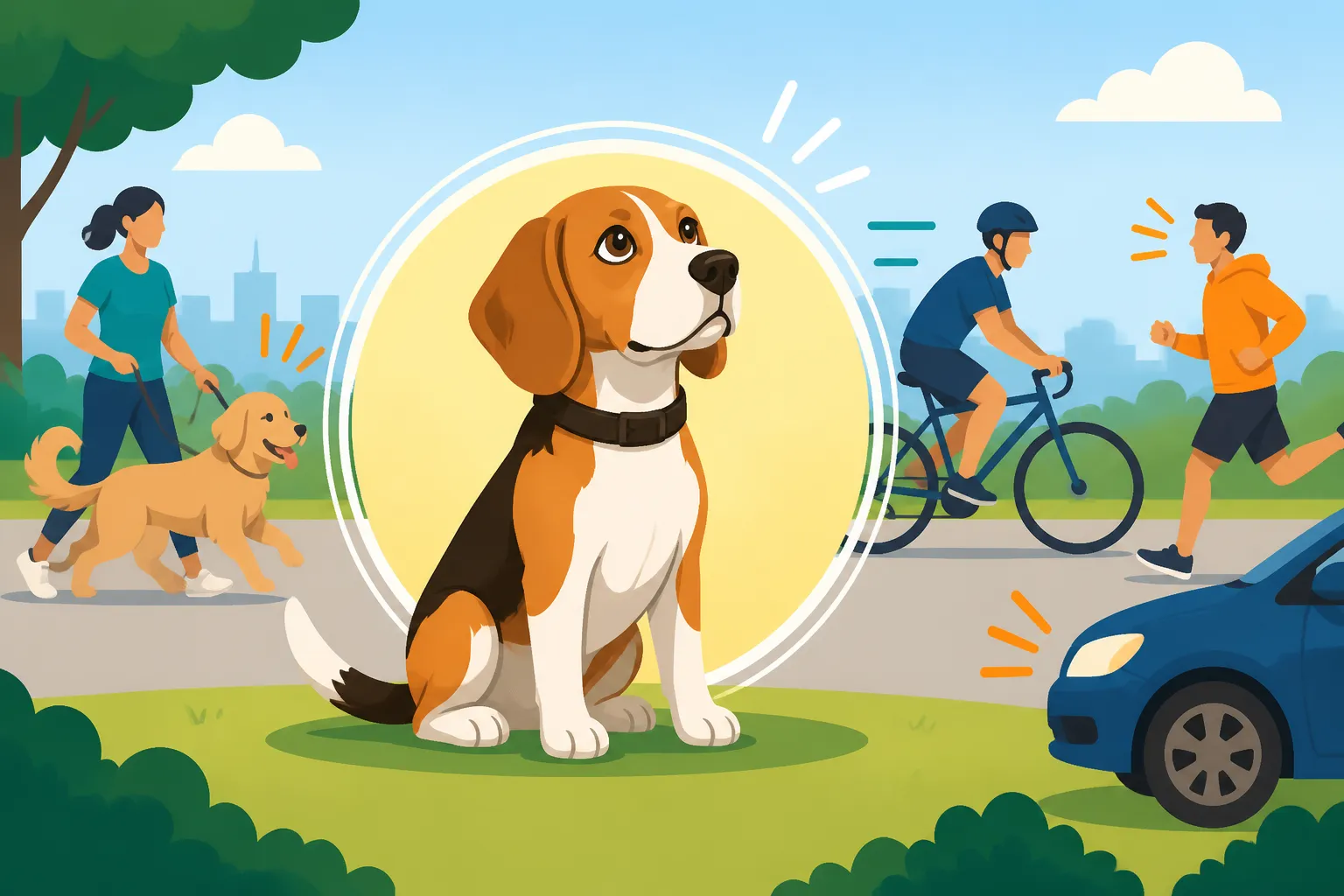
This is your cornerstone. A "Look at Me" or "Watch Me" cue teaches your Beagle to make eye contact with you on command, effectively breaking their focus on whatever else is vying for their attention. Start this in a quiet room with no distractions.
- Get their attention: Hold a high-value treat near your nose.
- Give the cue: Say "Watch Me!" or "Look!"
- Reward the gaze: The instant your Beagle glances at your eyes, even for a split second, mark the behavior with a verbal cue like "Yes!" or a clicker, and immediately give the treat.
- Practice, practice, practice: Repeat this many times. Don't rush. Gradually increase the duration of eye contact before you reward. Eventually, you can start holding the treat lower, away from your face, or even out of sight, still rewarding that eye contact.
This foundation is critical because it gives you a tool to interrupt their scent-driven thoughts and redirect them to you. For a comprehensive, structured approach to basic obedience and focus, many owners find online puppy schools, such as those offered by BAXTER & Bella, incredibly helpful. They often break down these foundational cues into easy-to-follow steps, perfect for getting started in a low-distraction home environment.
Conquering Distractions: Gradually Increasing Difficulty
Once your Beagle is a superstar at focusing on you in the living room, it's time to slowly, very slowly, introduce distractions. This isn't a race; it's a marathon of tiny, incremental steps. Each step should be slightly more challenging than the last, but always within your Beagle's ability to succeed. If they fail, it means you've moved too fast.
Choosing the Right Environment
Think of it like training levels in a video game.
- Level 1: Your backyard. This is familiar territory, but still has interesting smells. Practice your "Look at Me" and other basic cues here.
- Level 2: A quiet street. Perhaps during off-peak hours, or a dead-end street with minimal foot traffic. Keep sessions short.
- Level 3: A local park. Choose a time when it’s not too busy. Focus on practicing attention when other dogs are at a distance, or people are walking by.
- Level 4: High-traffic areas. Only move to genuinely busy parks, dog events, or urban areas when your Beagle is consistently performing well in less distracting environments.
The key is to set your Beagle up for success. If they're constantly failing to focus, they'll learn that ignoring you is the norm, and you'll both get frustrated. If you start seeing their nose drop and their ears tune out, immediately reduce the distraction level.
Working with a Long Line
When you're venturing out into more distracting environments, a long line (a lightweight leash typically 15-30 feet long) is an absolute game-changer. It gives your Beagle a sense of freedom to explore, satisfy their sniffing needs to an extent, while still keeping them safely connected to you. This is vital because Why a Beagle Should Never Be Off Leash Unfenced cannot be stressed enough – their nose will lead them to danger.
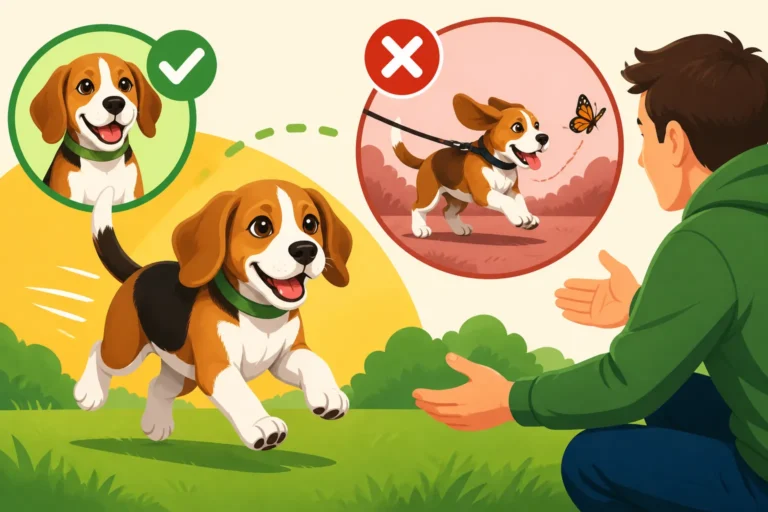
Use the long line to practice your recall and "Watch Me" cues. Let them wander, sniff a bit, and then use your cue. If they don't respond, gently reel them in with the line, rewarding heavily when they reach you. This teaches them that coming to you, even from a distance, is always worthwhile. You can find durable long lines in various lengths and materials on Amazon, ensuring you have the right tool for safe exploration and training. Just remember to always supervise your Beagle closely when they're on a long line, as it can get tangled. The Long Line Length a Beagle Actually Needs will help you decide what's appropriate for your space.
Emergency Recall as a Lifeline
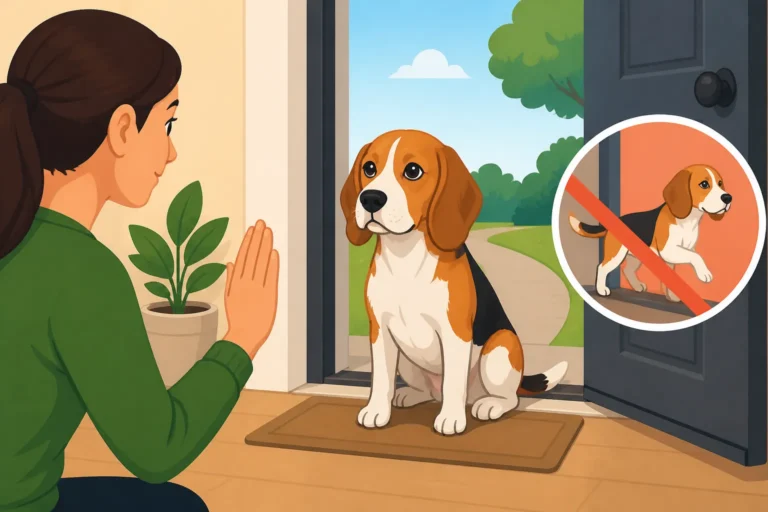
No matter how much focus training you do, there will be moments when your Beagle's nose simply wins. That's why an "emergency recall" is absolutely non-negotiable. This is a special, high-stakes recall cue (a unique word like "COME!" or a whistle) that you only use when your Beagle's safety is at risk, and you always pair it with the highest possible reward – something like a handful of cooked chicken, not just one piece.
Practice this recall diligently in low-distraction environments first, then gradually introduce it into more challenging settings, always ensuring success and an epic reward. The goal is that when you use your emergency recall, your Beagle instantly thinks "JACKPOT!" and races back to you, no matter what tempting scent they're on. This isn't just about convenience; it's about protecting your Beagle from traffic, other animals, or getting lost. You can learn more about making this foolproof with tips on Beagle Recall That Works Before the Nose Wins.
Integrating Scent Work into Focus Training
Instead of fighting your Beagle's powerful nose, we can strategically embrace it. Turning their natural inclination into a structured activity can actually improve their overall focus on you and strengthen your bond. When they get to use their nose on your terms, they're often more willing to give you their attention when you ask for it.
Structured Sniffing Time
Beagles need to sniff. It’s how they process the world, how they de-stress, and how they get mentally tired. Instead of resisting every attempt to sniff on a walk, build in dedicated "sniffing time." This might mean taking them to a grassy, safe area and simply letting them explore on a long line for 15-20 minutes, letting their nose lead the way. Don't interrupt them; let them have their fill.
What you'll often find is that after a good, solid sniff-a-thon, they are much calmer and more attentive to you for the rest of the walk. This satisfies their innate need, making them less desperate to pull towards every new scent. Think of it as allowing them to read their daily "scent newspaper." It's incredibly enriching and mentally fatiguing, as explained in Sniffing Walks and Why They Tire a Beagle Out.
Nose Work as a Focus Builder
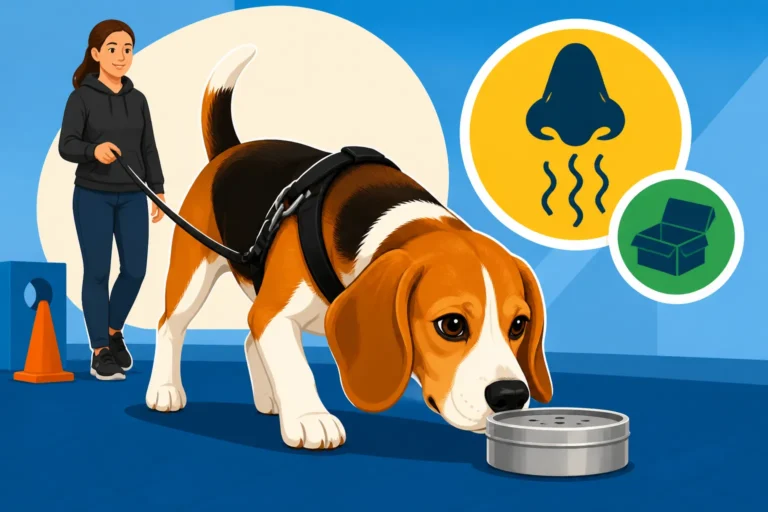
Formal nose work or scent detection games are fantastic for Beagles. These activities channel their natural abilities into a structured, rewarding sport that builds confidence and focus. You can start simply at home: hide treats in different rooms and encourage your Beagle to "find it!" Gradually increase the difficulty by hiding treats in boxes, under towels, or in more challenging spots.
This isn't just about finding treats; it teaches your Beagle to work cooperatively with you to solve a "puzzle" using their nose. It builds their confidence in using their primary sense and reinforces the idea that you are the facilitator of these incredibly fun, scent-based activities. You can find excellent starter kits for nose work or puzzle feeders that genuinely slow a Beagle's eating and engage their mind, often available through retailers like Amazon. Puzzle Feeders That Genuinely Slow a Beagle can be a great way to start these mental challenges.
When All Else Fails: Management Strategies
Even with the best training, there will be days or situations where your Beagle's focus just isn't there, or the distractions are simply too overwhelming. In these moments, management is your best friend.
- Avoid trigger situations: If a certain park path is always full of squirrels, choose a different route for a while.
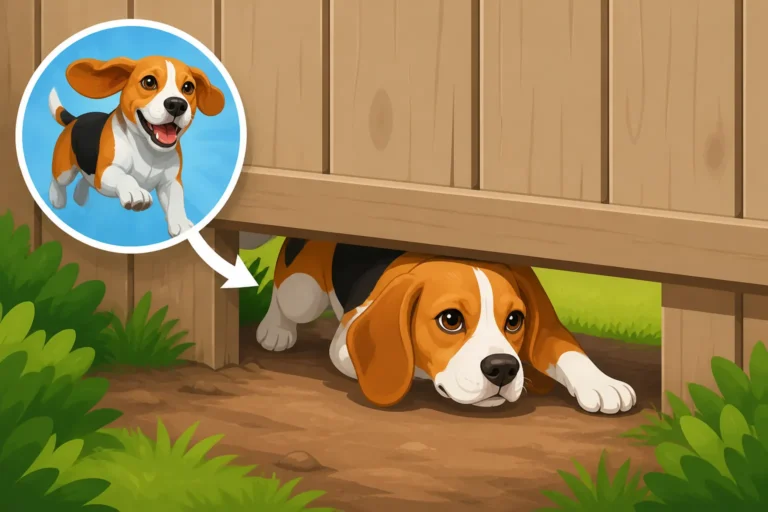
- Physical barriers: A sturdy, escape-proof fence is crucial. If you don't have one, always keep them leashed.
- Enrichment at home: On days you can't manage highly distracting outdoor environments, lean into indoor enrichment – puzzle toys, chew items, hide-and-seek games.
- Crate training: A well-crate-trained Beagle sees their crate as a safe, low-distraction den. This can be invaluable for calm time when the house is busy, or for preventing counter-surfing when you're cooking.
- Acknowledge limitations: Some Beagles, due to their individual temperament or past experiences (like some of the Adopting a Beagle That Came Out of a Lab dogs), might always struggle more with focus in highly stimulating environments. Adjust your expectations and celebrate the small wins.
Here's a quick comparison of common distraction levels and training approaches:
| Distraction Level | Environment Example | Primary Goal | Key Training Focus | Tools & Tips |
|---|---|---|---|---|
| Low | Quiet Room, Backyard | Build foundational "Watch Me" & Recall | Positive reinforcement, short sessions, high-value treats | Clicker, treat pouch, consistent cues |
| Medium | Quiet Street, Park (off-peak) | Generalize focus, proofing cues | Gradual introduction of distractions, distance, duration | Long line, variety of high-value treats, changing locations |
| High | Busy Park, City Street | Maintain attention, reinforce emergency recall | Practice ignoring, rapid reward for focus, safety | Front-clip harness, GPS collar, emergency recall word, environmental awareness |
| Overwhelming | Dog Park (unsupervised), Pet Store | Management, avoidance, structured sniff-time | Redirect, disengage, mental exercise | Puzzle toys, chews, designated sniff spots, secure leash |
Building focus in a distracting world with a Beagle is a journey, not a destination. It requires immense patience, consistency, and a deep understanding of their unique nature. Celebrate every tiny moment your Beagle chooses to look at you over a tantalizing scent, and remember that every successful interaction strengthens your bond and builds their trust in you as their guide. Keep it fun, keep it positive, and you'll slowly but surely see that focus blossom.
Disclaimer
This article is for general informational purposes only and does not constitute professional advice. Laws, prices and regulations vary by location and change over time. Consult a qualified professional for guidance on your specific situation.