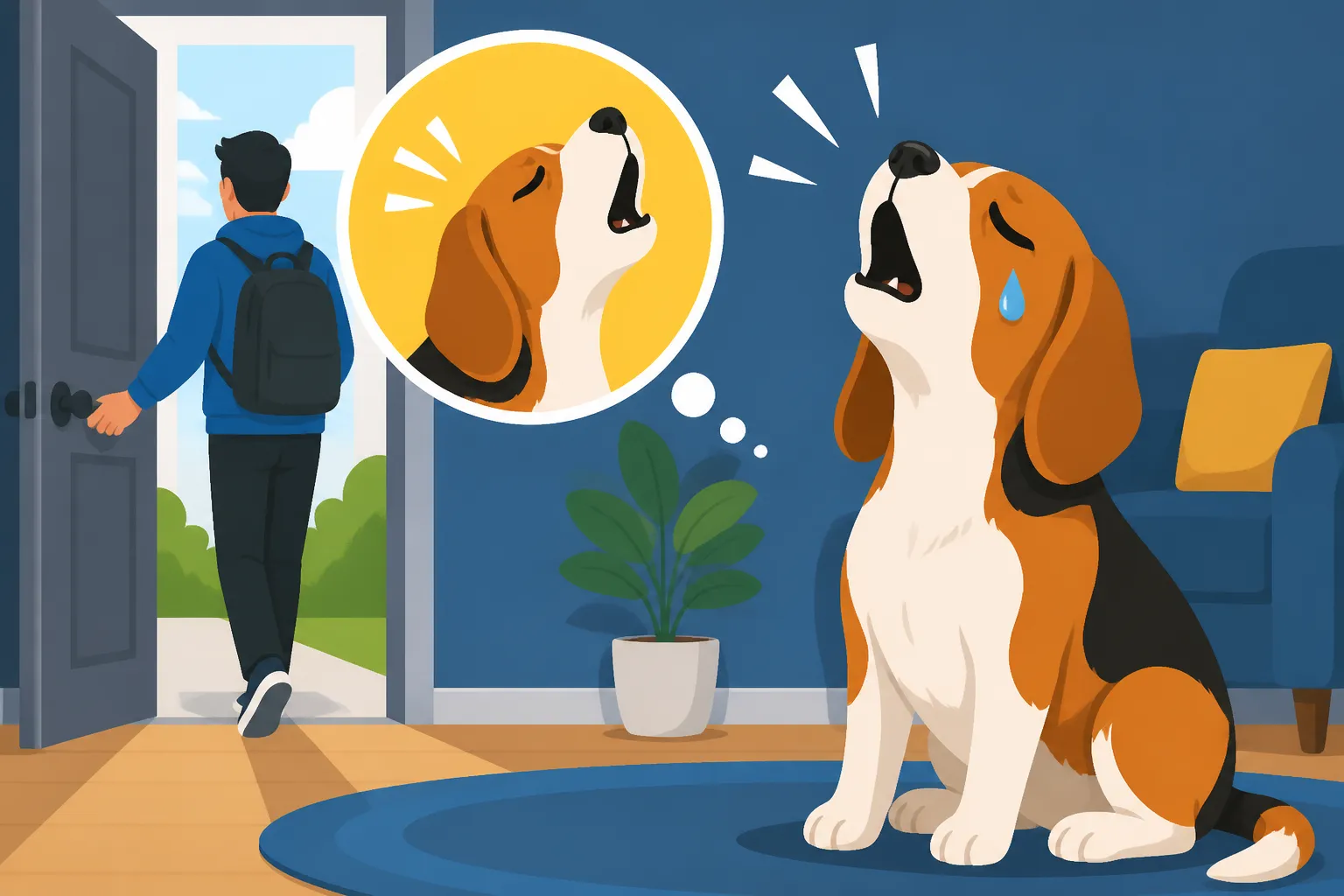
Beagle Howling the Moment You Leave
Few things are quite as heartbreaking – or frustrating – as leaving your beloved Beagle, only to hear their mournful howls echo behind you the moment the door clicks shut. You thought you'd snuck out, but their keen ears and even keener sense of you knew exactly what was happening. It's a common dilemma for many Beagle parents, leaving them feeling guilty, exasperated, and worried about their pup and the neighbors. This comprehensive guide will delve deep into why Beagles howl when left alone, what those vocalizations truly mean, and, most importantly, provide actionable strategies and resources to help bring peace back to your home and your Beagle's heart.
Understanding the Beagle's Vocal Nature
Before we can tackle the "howling when you leave" problem, it’s crucial to understand the fundamental nature of a Beagle. These aren't just cute, cuddly companions; they are hounds, bred for centuries with a very specific job: hunting in packs. This heritage is hardwired into their DNA, influencing everything from their incredible nose to their unique vocal range.
The Instinct to Bay and Howl
Beagles were developed to hunt small game, primarily rabbits and hare, often in large packs. Imagine being a hunter on foot, following your dogs through dense undergrowth. You can't always see them, right? This is where their famous bay comes in. The bay is a distinctive, drawn-out vocalization that serves as a communication tool within the pack and with the human hunters. It tells the pack, "I've found a scent!" or "The chase is on!" It's an announcement, a rallying cry, a way of staying connected over distance.
This deep, melodious vocalization is entirely instinctual. It's not a sign of misbehavior or defiance; it's simply a Beagle being a Beagle. When you hear that characteristic howl, it’s a direct echo of their ancestors working in the fields. They're trying to communicate, to locate, to be part of something. This instinct doesn't disappear just because they're living on your couch instead of chasing rabbits. It remains a powerful urge, often manifesting when they feel disconnected or unsure of their pack's whereabouts.
Why Solitude Triggers Vocalizations
Given their pack-oriented history, Beagles are inherently social creatures. They thrive on companionship, whether it's with their human family or other dogs. For a Beagle, being alone can feel unnatural, even alarming. When their pack—which, in the modern home, means you—departs, it triggers an innate response to re-establish contact. Their howl becomes a call: "Where are you? I'm here! Let's regroup!"
It's not usually a malicious act or an attempt to annoy you. Instead, it's often a distress signal, rooted in that deep-seated need for connection and security. They're not trying to be naughty; they're trying to perform the very function they were bred for: communicating their location and their feelings to their pack. Understanding this inherent drive helps us approach the problem with empathy rather than frustration. They're not trying to be difficult; they're just struggling with a situation that goes against their fundamental instincts.
Differentiating Howling from Other Vocalizations
Beagles are undeniably vocal, but not all their sounds mean the same thing. Understanding the nuances can give you valuable insight into your dog's state of mind. It’s not just noise; it's language, and learning to interpret it is key to helping your hound.
The Distinct Sound of a Beagle Howl
A Beagle's howl is truly unique. It’s distinct from a sharp, attention-seeking bark or a low growl of warning. When a Beagle howls or bays, it's a long, drawn-out, often mournful sound that can carry for impressive distances. It might start with a low moan, build into a sustained, wavering "A-woooooo," and then taper off. It has a melodic quality that is quite beautiful to some, yet utterly maddening to others, especially when repeated endlessly.
This sound is designed to penetrate through woods and across fields, to signal to other hounds and hunters. If you've ever heard What a Beagle Bay Actually Sounds Like, you'll know it's unmistakable. Its purpose is distance communication. When your Beagle is howling after you leave, they are essentially trying to broadcast their presence and perhaps solicit a response from you, their missing pack member. It's their natural way of attempting to bridge the gap you've created by leaving.
When a Howl Becomes a Cry for Help
While a casual howl or bay might be an expression of curiosity or excitement, a howl triggered by your departure often stems from a deeper place of anxiety or distress. It’s not just making noise; it's a plea. To discern the difference, look at the context and accompanying behaviors. Is the howling incessant? Does it start immediately upon your departure and continue for an extended period? These are red flags.
Beyond the sound itself, watch for other indicators. A Beagle experiencing distress when left alone might also pace frantically, pant heavily, drool excessively, or exhibit destructive behaviors like chewing on furniture or scratching at doors and windows. They might also have accidents inside the house, even if they are perfectly house-trained. If your Beagle is displaying multiple symptoms like these, their howling is likely a cry for help, signaling genuine anxiety or even full-blown separation anxiety, rather than just boredom or a general vocal tendency. You can also monitor A Beagle Howl Measured in Decibels if you want to understand the volume involved, which can sometimes indicate the intensity of their distress.
| Behavior | Mild Boredom/Frustration | Separation Anxiety |
|---|---|---|
| Howling/Baying | Intermittent, triggered by external sounds (mailman) or brief periods of quiet. | Persistent, begins immediately upon departure, can last hours. |
| Pacing | Minimal, occasional wandering. | Restless, continuous pacing, often around exit points. |
| Destructive Chewing | Directed at toys or appropriate items; might chew out of boredom but not destructive. | Aimed at exits (doors, windows), personal items (your shoes), or property damage. |
| House Soiling | Rare, usually related to not being let out in time. | Frequent, even shortly after being let out, due to stress, not bladder capacity. |
| Drooling | Absent or minimal. | Excessive drooling, sometimes creating puddles. |
| Panting | Absent, unless from exercise. | Persistent, rapid panting, even when cool. |
| Reaction to Departure | May watch you leave, then settle. | Becomes agitated, tries to prevent departure, heightened awareness. |
| Reaction to Return | Happy greeting. | Overly excited, frantic greeting, prolonged relief. |
Common Triggers for Departure Howling
The moment you walk out the door, a complex set of internal and external triggers can set your Beagle off. Understanding these specific catalysts is essential for developing an effective strategy to address the howling. It's rarely just one thing, but often a combination of factors playing into their natural instincts.
Separation Anxiety as a Primary Culprit
For many Beagles, howling the moment you leave is a classic symptom of separation anxiety. This isn't just about missing you; it's a panic disorder where your dog experiences intense distress when left alone or separated from a specific attachment figure. It's akin to a human panic attack, characterized by extreme stress, fear, and discomfort. The howling is their desperate attempt to call you back, to relieve the overwhelming feeling of abandonment and vulnerability.
Beyond the incessant vocalizations, Beagles with separation anxiety might also engage in frantic pacing, destructive chewing (especially around exit points like doors and windows), excessive drooling, self-mutilation (like licking their paws raw), or house-soiling, even if they are fully potty-trained. These behaviors often begin within minutes of your departure, sometimes even before you've fully closed the door. Recognizing Beagle Separation Anxiety in a Pack Breed is the first step toward effective intervention. It's a serious condition that requires patience and a structured approach, not punishment. If you suspect this is the case, you'll need to look into comprehensive behavioral modification, possibly with professional help. It can be incredibly disheartening to hear The Howling That Means Beagle Separation Anxiety, but there are ways to help.
Environmental Stimuli and External Noises
Beagles possess an incredibly sensitive nose and highly developed hearing, far superior to ours. This means they are acutely aware of their environment, even when you're gone. While you might not hear or smell anything out of the ordinary, your Beagle could be reacting to a whole symphony of stimuli that sets off their natural instinct to alert or investigate.
The mail carrier's distant approach, a neighbor's dog barking down the street, children playing outside, the scent of a squirrel or rabbit passing by the yard, or even the sound of a distant siren—all of these can trigger a Beagle to bay or howl. Their instinct as a hound is to announce "prey!" or "intruder!" or simply "I'm here!" These external factors can become amplified when they are already feeling anxious or under-stimulated due to your absence. Sometimes, simply blocking visual access to windows or using white noise can help reduce these triggers, though it won't solve underlying anxiety.
Lack of Mental and Physical Stimulation
A bored Beagle is a destructive Beagle, and a bored, anxious Beagle is a vocal Beagle. Beagles are active, intelligent dogs bred for a demanding job. They need significant physical exercise to burn off energy and, just as importantly, mental stimulation to keep their keen minds engaged. If they're not getting enough of either, that pent-up energy and intelligence can manifest in undesirable ways, including excessive howling.
Think about it: a Beagle that has been cooped up all day with no outlets for their natural drives is going to be a bundle of restless energy. This energy, combined with the stress of being alone, can easily tip into frantic vocalizations. Long walks aren't always enough; Beagles need to use their nose, to explore scents, to solve problems. Without this, they might feel bored, frustrated, and then express that frustration through their voice. Ensuring your Beagle receives adequate Beagle Exercise Needs at Every Age and engaging in activities like Scent Walks That Wear a Beagle Out can make a significant difference in their overall calmness when alone. A tired Beagle, both physically and mentally, is far less likely to spend hours howling.
Strategies for Addressing Howling When Alone
Tackling the problem of a Beagle howling when you leave requires a multi-faceted approach, focusing on building their confidence and providing appropriate outlets for their natural behaviors. There's no magic bullet, but consistent effort can yield significant results.
Building Independence and Confidence
The core of helping a Beagle who howls when alone is to teach them that being by themselves is not a frightening experience. This means systematically desensitizing them to your departures and building their confidence in their own company. Start by making your "leaving cues" less predictable. Instead of grabbing your keys and bag right before you walk out, do these actions randomly throughout the day, without actually leaving. This breaks the association between these actions and your departure.
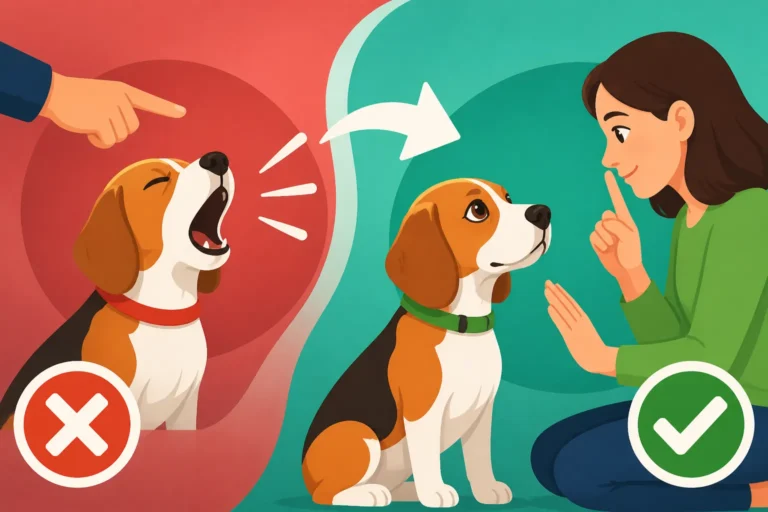
Practice very short departures. Start by stepping out the door for just a few seconds, then returning before your Beagle has a chance to start howling. As soon as you step back in, calmly reward their quiet behavior with a high-value treat. Gradually increase the duration of your absences, always returning before they become distressed. The goal is to show them that you always come back and that being alone for short periods is manageable. It’s also crucial to avoid making a big fuss when you leave or return. Calm departures and calm greetings help reinforce the idea that your absence is not a major event.
Providing Enrichment and Distraction
A mentally stimulated and physically tired Beagle is a happier, quieter Beagle. Providing engaging activities that keep their minds busy while you're away is paramount. Puzzle toys that dispense treats, like KONGs stuffed with frozen peanut butter or wet food, can keep them occupied for extended periods. Snuffle mats allow them to use their incredible nose to "hunt" for their kibble, tapping into their innate scent-driven nature. Chew toys, especially those designed for power chewers, can also provide a healthy outlet for stress and boredom.
Consider rotating toys to keep things fresh and exciting. You can find a vast array of engaging puzzle feeders and durable chews on platforms like Amazon, making it easy to experiment and find what your Beagle loves most. Some owners also find that leaving on a radio or dog-specific calming music, or even a podcast, can provide a sense of presence and mask some external noises that might trigger howling. The key is to make their alone time something they can look forward to, rather than dread.
Graduated Departure Training
This is a systematic process that gradually increases your Beagle's tolerance to being alone. It requires patience and consistency.
- Start Small: Begin by teaching your Beagle a "stay" or "settle" command. Practice having them stay in one room while you go into another for just a few seconds, then return and reward calmness.
- Short Absences: Once they can calmly stay in another room, take the next step: exit the house for literally 5-10 seconds. Return immediately if they are quiet, reward them calmly, and repeat.
- Increase Duration Slowly: Over days and weeks, gradually extend the time you are out, by only a minute or two at a time. The absolute rule is to return before they start howling. If they howl, you’ve gone too far, too fast. You must re-set to a shorter duration where they are successful.
- Vary Departure Cues: Mix up your routine. Sometimes pick up your keys and leave, sometimes pick them up and just sit down. This helps your Beagle not associate specific actions with your departure, reducing anticipatory anxiety.
- Ignore Attention-Seeking: Before you leave, ignore your Beagle for about 15-20 minutes. This helps them understand that your departure isn't related to their attempts to get attention. When you return, wait until they are calm before offering a greeting.
- Consistency is Key: This isn't a one-off training session. It's an ongoing process. Every time you leave, you should be reinforcing the lesson that you always come back and that they are safe alone.
Remember, the goal is to prevent the howling from starting in the first place, thus preventing the reinforcement of the anxious behavior. If you always return when they are howling, you are inadvertently teaching them that howling brings you back. This is why strict adherence to returning before the vocalizations begin is critical. For more in-depth guidance on handling extended periods of alone time, consider reading Hours Alone Before a Beagle Starts Howling.
Tools and Resources to Aid Training
While consistent training is paramount, there are many tools and resources available that can make the journey easier for both you and your howling Beagle. These aids can provide security, monitor progress, and offer professional guidance.
The Role of Crates and Safe Spaces
For many Beagles, a properly introduced and positively conditioned crate can become a crucial element in managing howling and separation anxiety. Rather than being a prison, a crate should be a safe, den-like space where your Beagle feels secure. Beagles, as den animals, often appreciate having their own cozy spot. The crate can limit destructive behaviors and, more importantly, provide a sense of security during your absence.
Start by making the crate a truly positive place. Feed meals inside, leave high-value chews or puzzle toys (like a frozen KONG) only in the crate, and never use it for punishment. Drape a blanket over it to create a den effect and place it in a quiet part of the house. Gradually increase the time your Beagle spends in the crate while you're home, then slowly work up to short periods of crating when you leave. For a deeper dive into appropriate sizing and managing initial resistance, check out Beagle Crate Size and Crying Through the Night. A well-loved crate can be a game-changer for a Beagle struggling with being alone.
Technology for Monitoring and Intervention
In today's connected world, technology offers invaluable assistance in understanding and addressing your Beagle's departure howling. Pet cameras, many of which are readily available on Amazon, allow you to observe your Beagle's behavior in real-time from your phone. Many come with two-way audio, so you can speak to your dog, or even a treat dispenser to offer positive reinforcement for calm behavior.
Monitoring is crucial because it gives you objective information about when the howling starts, how long it lasts, and what other behaviors accompany it. This data helps you tailor your training plan more effectively. You might discover your Beagle settles after 20 minutes, or that the howling is consistently triggered by the mail truck. Some advanced systems can even send you alerts when your dog barks or howls, allowing you to intervene with a voice command or treat from afar. These tools are not a substitute for training, but powerful allies in gaining insight and managing behaviors.
Professional Guidance and Training Programs
Sometimes, despite your best efforts, a Beagle's howling can be persistent and challenging to overcome. This is when professional help can be incredibly beneficial. A certified professional dog trainer, particularly one specializing in positive reinforcement and behavioral modification, can assess your Beagle's specific situation, identify underlying causes, and develop a tailored training plan. They can observe your dog's behavior and provide hands-on guidance that is difficult to achieve on your own.
For those who prefer a more structured, self-paced approach, many online training programs offer comprehensive courses on separation anxiety and alone-time training. Programs like those offered by BAXTER & Bella can provide step-by-step videos, live support, and a community of fellow dog owners, empowering you with the knowledge and techniques needed to tackle this issue effectively. Don't be afraid to seek help; many Beagle owners face this challenge, and expert guidance can make all the difference.
Managing Expectations and Seeking Support
Addressing a Beagle's howling when left alone is rarely a quick fix. It's a journey that requires commitment, patience, and a realistic understanding of what success looks like. It's important to set yourself up for sustainable progress, not immediate perfection.
The Long-Term Commitment to Training
Beagles are creatures of habit and instinct. Changing a deeply ingrained behavior like howling, especially when it stems from anxiety, takes time. You should expect this to be a long-term commitment, potentially weeks or even months of consistent effort. There will be good days and bad days, moments of triumph and moments of frustration. It’s crucial not to get discouraged by setbacks. Every time your Beagle is calm for a longer period, that's a victory worth celebrating.
Your consistency is the most powerful tool you have. Every family member must be on the same page with the training protocols, from calm departures to ignoring attention-seeking behaviors. Inconsistent application of training will only confuse your Beagle and prolong the process. While you're working on this, consider strategies to manage the noise for your own peace of mind and your neighbors', such as Beagle Noise and the Neighbors Next Door or Soundproofing One Room for a Vocal Beagle. Remember, the goal isn't necessarily absolute silence (which might be unrealistic for such a vocal breed), but rather a significant reduction in distress-induced howling and an increase in your Beagle's comfort when alone.
When to Consult a Veterinary Behaviorist
If, after consistent application of behavioral modification techniques, your Beagle's howling and anxiety symptoms persist or worsen, it might be time to consult a veterinary behaviorist. These are veterinarians who have specialized in animal behavior, similar to a psychiatrist for people. They can differentiate between behavioral issues that can be managed with training alone and those that have a significant underlying physiological or neurological component that might benefit from medication alongside continued behavioral therapy.
A veterinary behaviorist can perform a thorough assessment, rule out any medical conditions contributing to the anxiety, and prescribe anti-anxiety medications if deemed appropriate. These medications are not a "cure-all" but can help manage the intense panic responses, making your Beagle more receptive to training and allowing them to learn new, calmer behaviors. This step is usually reserved for severe cases where the dog's welfare is significantly impacted, and traditional training methods have not provided sufficient relief. While some people consider Whether a Second Dog Calms an Anxious Beagle, it's important to get a professional opinion before adding another dog, as it can sometimes exacerbate the problem. Getting a referral from your primary veterinarian is often the first step to finding a qualified veterinary behaviorist in your area.
Disclaimer
This article is for general informational purposes only and does not constitute professional advice. Laws, prices and regulations vary by location and change over time. Consult a qualified professional for guidance on your specific situation.