The 220 Million Receptors Behind a Beagle’s Nose
It’s a scenario every Beagle owner knows all too well: you’re out for a walk, calling your dog’s name, but they might as well be on another planet, nose glued to the ground, entirely oblivious to your existence. It feels like they're just plain stubborn or ignoring you, but the truth is far more fascinating and deeply rooted in their biology. This guide will take you on a journey into the incredible world of a Beagle’s nose, revealing why their sense of smell is so dominant and how understanding it can transform your relationship with your hound.
The Anatomy of a Super-Sniffer: More Than Just a Cute Nose
When you look at your Beagle’s sweet face, you might just see an adorable snout, but underneath that lies one of the most sophisticated scent detection systems in the animal kingdom. This isn't just a slight improvement over human noses; it's an entirely different league, shaping how they perceive and interact with their environment in profound ways. Their nose is their primary sense, the lens through which they interpret the world, often overriding sight and sound completely.
Olfactory Receptors and the Olfactory Bulb
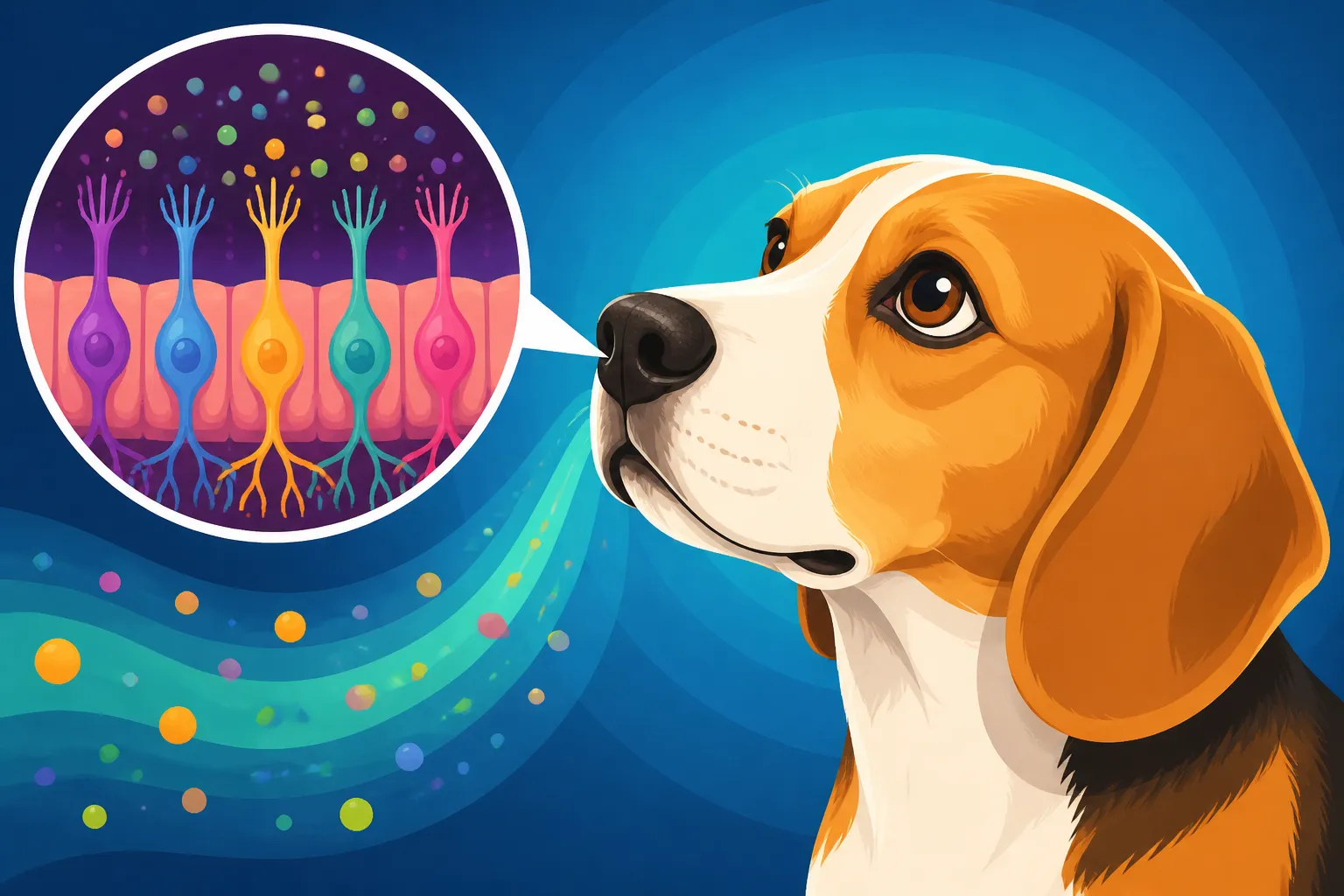
The sheer number of olfactory receptors in a Beagle's nose is astounding, truly earning them the title of "super-sniffers." While humans have about 5 to 6 million such receptors, a Beagle boasts an incredible 220 million. Imagine the difference that makes! Each of these tiny receptors is constantly gathering information, detecting individual scent molecules that we wouldn't even register. This massive data input is then processed by their olfactory bulb, which is proportionately much larger than ours – roughly 40 times larger relative to brain size. This large processing center allows them to not only detect an incredible array of scents but also to differentiate, categorize, and even "remember" them with astonishing detail. It's like having a supercomputer dedicated solely to analyzing smells, creating a rich tapestry of information that guides their every move.
The Flehmen Response and Nostril Independence
Have you ever seen your Beagle wrinkle their nose, lift their upper lip, and perhaps even chatter their teeth, especially after sniffing something particularly intriguing? That’s the Flehmen response, and it's another testament to their advanced olfactory capabilities. This action allows them to draw scent molecules into their vomeronasal organ, also known as Jacobson's organ, located on the roof of their mouth. This organ is specifically designed to detect pheromones and other non-airborne scent chemicals, providing even more detailed information about other animals, their reproductive status, or even emotional states. It’s like having a secondary, specialized scent detector. Furthermore, a Beagle's nostrils can operate somewhat independently, allowing them to determine the direction of a scent trail. By sniffing with one nostril slightly ahead or to the side, they can create a "stereo" scent image, pinpointing exactly where a smell is coming from and precisely following its path, much like we use our two ears to locate sounds. This dual-action sniffing and specialized organ grant them an unparalleled ability to track and understand their world through scent.
What a Beagle Experiences Through Scent
For us, the world is primarily visual. We see shapes, colors, and movements, and these dictate our understanding. For a Beagle, it's an intricate tapestry woven from invisible threads of odor. Imagine experiencing your neighborhood not as houses and trees, but as a rich, ever-changing symphony of smells – the faintest whiff of a squirrel that passed an hour ago, the lingering presence of the dog that walked by yesterday, the subtle scent signature of every person who touched that lamppost.
Painting a Picture of Their World
When a Beagle puts its nose to the ground, it's not just idly sniffing; it's reading a story. Every blade of grass, every patch of sidewalk, every gust of wind carries a wealth of information. They can detect the residue of footsteps, differentiating between human, canine, feline, and countless other species. They can tell how long ago a particular scent was laid down, its direction of travel, and even something about the individual animal or person that created it. Think of it this way: while we see a park bench, a Beagle might "smell" who sat there last, what they ate, if they had another dog with them, and even what brand of soap they used. This "scent-scape" provides a constant, dynamic narrative that informs their behavior, interests, and curiosity. They are constantly updating their mental map of the world based on these invisible cues. Why a Beagle Nose Beats Ours Ten Thousand Times Over is truly remarkable when you consider the complexity of the information they're processing.
Deconstructing a Scent Trail
Following a scent trail for a Beagle isn't a simple task; it’s a complex analytical process. They don’t just detect a smell; they pick apart its components, layer by layer. Imagine a human trying to find a single ingredient in a complex stew just by smelling it – a Beagle can do that and more with environmental odors. They can distinguish individual rabbit scent molecules from general woodland smells, or a specific person's perfume from a bustling street scene. This ability to isolate and focus on a target scent, even amidst a cacophony of other odors, is what makes them exceptional trackers. As they follow a trail, they're not just moving forward; they're constantly cross-referencing, confirming, and updating their understanding of the scent's trajectory and age. This intense focus explains What a Beagle Experiences on a Scent Trail and why it's so difficult to pull them away once they're "on scent." Their entire being is dedicated to unraveling that invisible thread.
The "Beagle Stubbornness" Myth
Many Beagle owners lament their dog’s "stubbornness," especially when they seem to ignore commands while on a walk. It's easy to feel frustrated, thinking your beloved hound is just being defiant. However, what often looks like stubbornness is actually an intense, unyielding focus on what their nose is telling them. It’s not that they don't want to listen to you; it's that their brain is so utterly engrossed in a scent puzzle that your voice simply doesn't register with the same urgency.
Scent Absorption, Not Disobedience
For a Beagle, a compelling scent isn't just interesting; it's an imperative. Their brains are hardwired for scent detection and tracking. When they pick up an exciting trail – say, a rabbit that darted across the path a few minutes ago – their entire sensory system shifts into overdrive. The visual and auditory world takes a backseat as their olfactory bulb processes the rich data stream. It’s akin to a human engrossed in a thrilling novel or a complex video game; you might not hear someone call your name until they physically tap your shoulder. For a Beagle, that mental absorption is even more profound because their very purpose for centuries was to follow these scent trails. This isn't defiance; it's a deep, instinctive absorption. Understanding Why Beagle Stubbornness Is Really Absorption helps you approach training and management with more empathy and less frustration.
The Call of the Wild
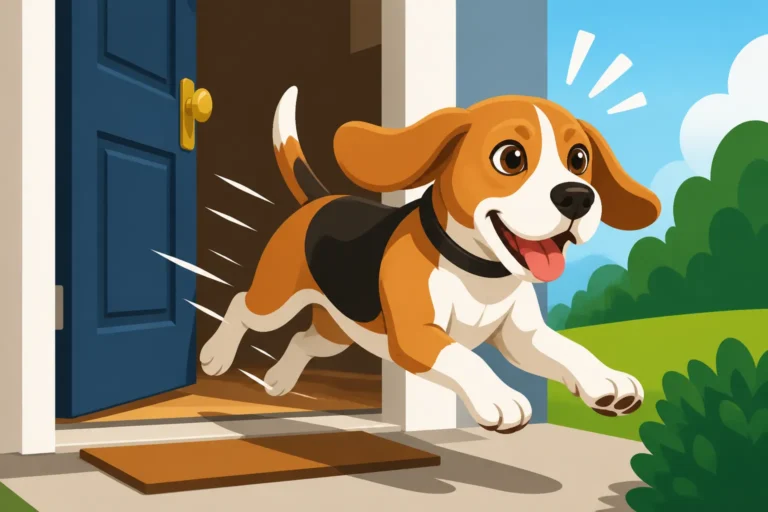
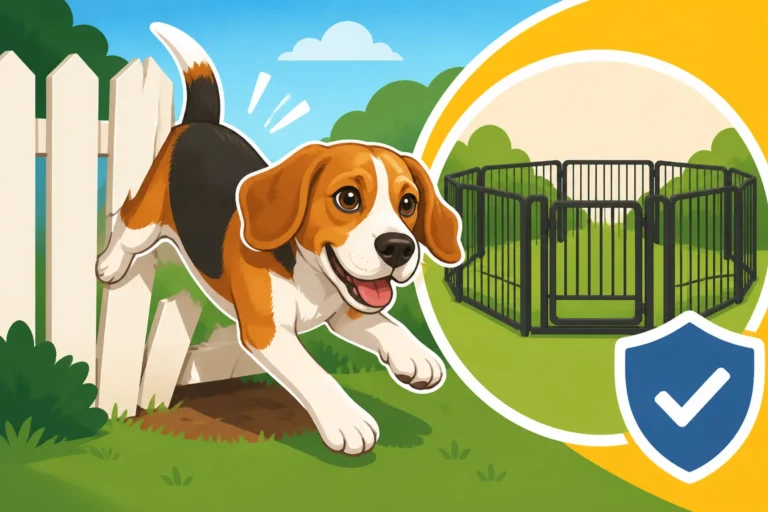
Beagles were bred for centuries to hunt small game, primarily rabbits and hare, by following scent trails for extended periods. This powerful instinct isn't something you can simply train out of them; it's deeply ingrained in their DNA. The "call of the wild," in their case, is the irresistible allure of a fresh, exciting scent. Once they've latched onto a trail, their drive to follow it to its conclusion is immense. This is why attempting to train a Beagle to reliably walk off-leash in an unfenced area, where tempting scents are everywhere, is often an uphill battle, if not outright dangerous. Their ancestral programming tells them to follow that scent, regardless of your pleas or commands. It's a powerful genetic inheritance that makes them magnificent working dogs but challenging companions if their natural inclinations aren't understood and managed appropriately. Why a Beagle Ignores You Halfway Down a Trail really boils down to this potent, ancestral drive.
Harnessing the Power of the Nose: Smart Training Strategies
Given that a Beagle's nose is their most powerful tool and their greatest distraction, it only makes sense to incorporate it into your training. Instead of fighting against their natural instincts, we can lean into them, using their incredible olfactory abilities to our advantage. This approach builds a stronger bond and makes training much more effective.
Training with High-Value Scents
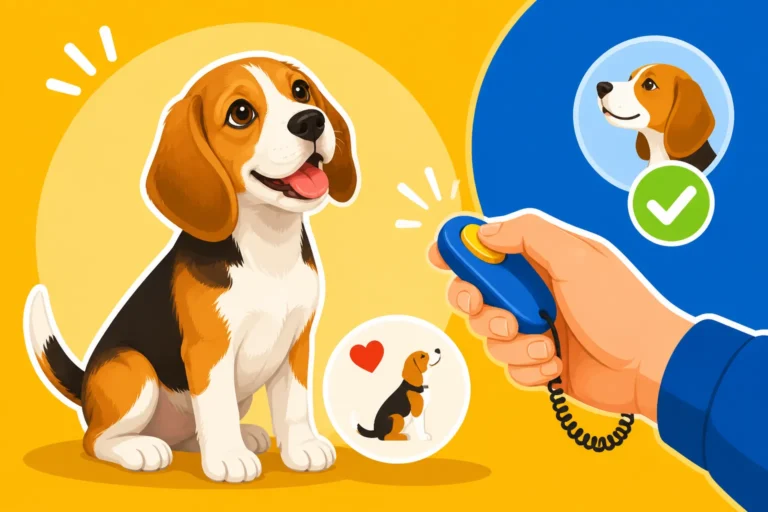
Beagles are incredibly food-motivated, which works hand-in-hand with their scent drive. When training, ditch the dry kibble and opt for truly high-value, aromatic treats – think tiny pieces of cooked chicken, cheese, or even liverwurst. These potent smells act as powerful motivators and rewards. You can use these to teach foundation commands, but also to build engagement during a walk. Instead of just pulling your Beagle away from a tempting scent, try scattering a few high-value treats in the opposite direction and encouraging them to find those. This redirects their attention to you and a new, equally interesting "scent game." The trick is to be more interesting than the environment, and a delicious, hidden treat can often win that battle. Many online training programs, like those offered by BAXTER & Bella, emphasize positive reinforcement with high-value treats, which is perfectly suited to a Beagle's nature. This method allows you to use their innate drive to explore and forage as a reward mechanism.
Building Reliable Recall in a Scent-Driven Dog
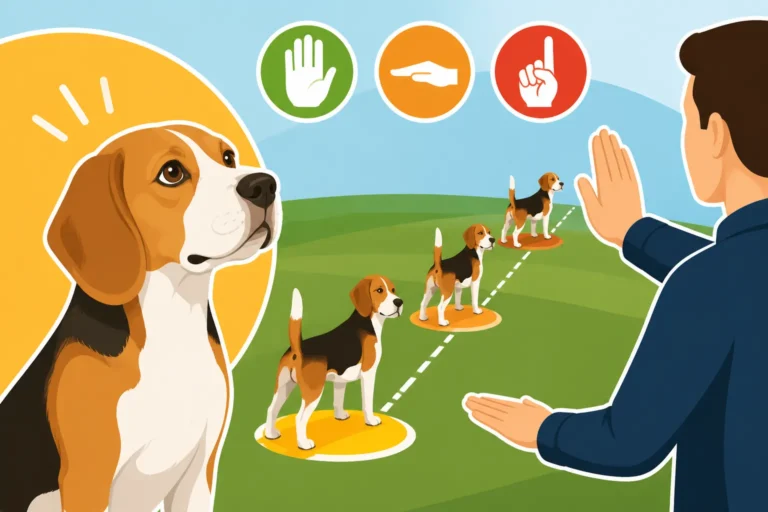
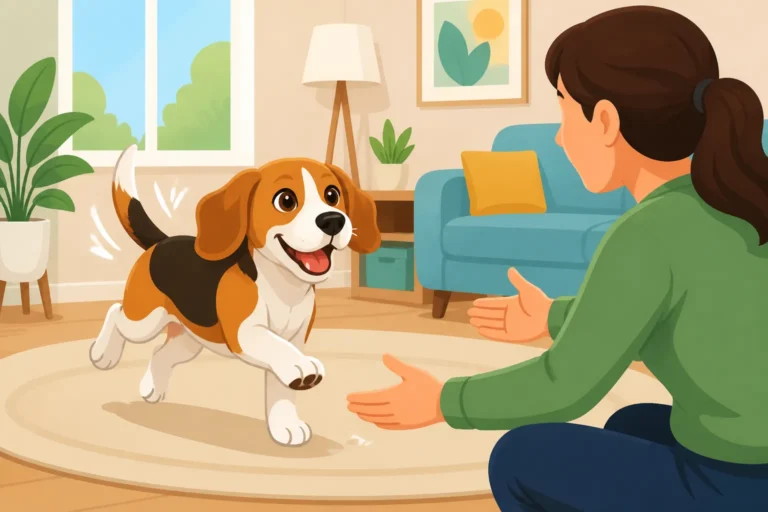
Reliable recall is perhaps the most challenging command for a Beagle owner, precisely because of their profound scent drive. A strong recall for a Beagle must be trained diligently, consistently, and with an understanding of their limitations. Start recall training in a quiet, distraction-free environment, making it a super-positive, high-reward experience every single time. Use a unique, enthusiastic recall word or whistle. As you progress, introduce distractions very gradually. Critically, Long Lines Instead of Off-Leash for a Beagle are an indispensable tool. A long line (15-30 feet) allows your Beagle to explore scents safely while still giving you control and the ability to practice recall without the risk of them vanishing on a trail. Never punish a Beagle for returning slowly; always celebrate their return, no matter how long it took. The goal is to make coming back to you the most rewarding thing they can do, even when their nose is telling them otherwise. This is an ongoing process throughout a Beagle's life, as the call of the wild is constant.
Everyday Implications for Beagle Owners
Living with a Beagle means adjusting your daily routine and expectations to accommodate their powerful nose. It’s not just about training; it's about understanding their fundamental way of experiencing the world and creating an environment where they can thrive without constantly butting heads with human expectations.
Leash Walking Is a Sniffing Adventure
For many dog owners, a walk is about covering distance or getting exercise. For a Beagle, a walk is a "sniffing adventure." Expecting your Beagle to walk politely at your heel for an entire outing, especially in a stimulating environment, is often unrealistic and deprives them of essential mental enrichment. Instead, embrace the sniff! Allow them ample time to explore interesting patches of grass, lampposts, and bushes. These "sniff stops" are not wasted time; they are crucial mental exercise that tires them out just as much, if not more, than physical exertion. Letting a Beagle Sniff on Every Single Walk is paramount. A good front-clip harness can help manage pulling without putting pressure on their sensitive neck, making the walk more comfortable for both of you. You might find excellent quality harnesses on Amazon, alongside other walking essentials. Incorporate specific "sniffari" walks where the primary goal is scent exploration, and shorter, more structured walks when you need them to move at a faster pace. This balance allows them to fulfill their innate needs.
Counter Surfing and Trash Raiding
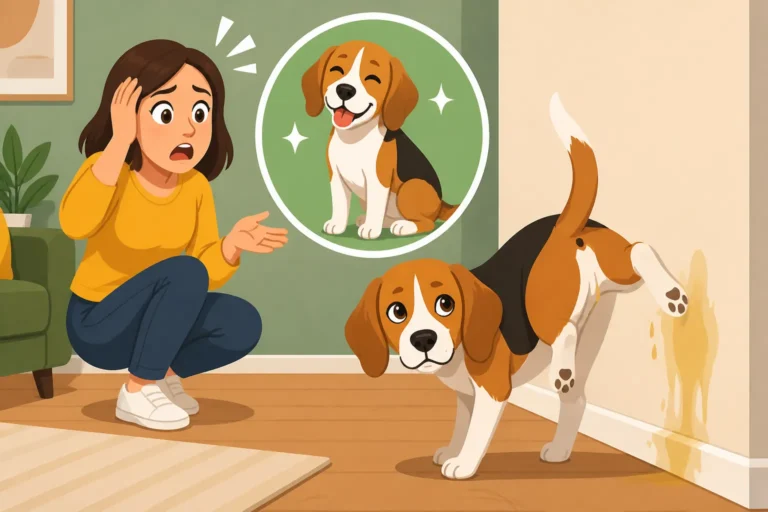
The same incredible nose that tracks rabbits can effortlessly detect a forgotten crumb on the kitchen counter or the tempting aroma emanating from a closed trash can. Beagles are notorious counter surfers and trash raiders, not out of malice, but because their nose leads them to anything remotely edible. Their drive to forage and scavenge is incredibly strong. You’ll need to implement strict management strategies: keep counters clear, secure trash cans with locking lids, and avoid leaving food unattended. Child locks on lower cabinets can prevent access to dangerous cleaning supplies or food items. Training "leave it" and "drop it" commands is crucial, but prevention is your first line of defense. Remember, for a Beagle, any food left within reach or scent range is fair game. They are simply following their most powerful instinct. Beagle-Proofing a Kitchen Counter is not just about keeping your food safe, but keeping your Beagle safe from ingesting harmful items.
Enrichment Through Scent Work: The Job They Were Built For
If you want a truly happy and fulfilled Beagle, give them a job for their nose. Scent work isn't just a fun pastime; it's deeply satisfying for a breed purpose-bred to use their olfactory capabilities. It taps into their natural instincts, provides immense mental stimulation, and strengthens your bond as you work together as a team.
Fun Nose Games at Home
You don't need fancy equipment or a professional trainer to introduce your Beagle to nose work. You can start with simple games at home. "Find It" is a classic: hide a few high-value treats in an easy spot while your Beagle watches, then give them the cue to "find it!" Gradually increase the difficulty by hiding treats in harder-to-reach places or in different rooms, building up to having them wait in another room while you hide the treats. Snuffle mats, readily available on Amazon, are fantastic for encouraging foraging and slowing down mealtime, turning eating into a scent game. Puzzle feeders are another excellent tool, requiring your Beagle to use their nose and paws to manipulate parts of the toy to release food. These activities provide a tremendous mental workout, satisfying their innate drive to search and solve scent puzzles. Puzzle Feeders That Genuinely Slow a Beagle can turn mealtime into a productive activity.
Exploring Formal Scent Work
For Beagles who truly love their nose work, there are structured activities and sports that can elevate their natural talents. Scent detection sports, often called "Nose Work" or "K9 Nose Work," simulate professional detection dog work, where dogs learn to find specific target odors (like birch, anise, or clove) in various environments. These classes are incredibly rewarding and build immense confidence in Beagles. They allow your dog to use their natural abilities in a focused, purposeful way. There are also tracking and trailing sports, which involve following a human scent over varying terrains. Organizations like BAXTER & Bella might offer resources or guidance on finding local scent work classes or online courses that teach the fundamentals. Giving your Beagle a legitimate outlet for their extraordinary nose will not only make them happier but also help manage some of those "stubborn" behaviors by channeling their energy constructively. It truly is Scent Work as the Job a Beagle Was Built For.
| Feature | Human Olfactory System | Beagle Olfactory System |
|---|---|---|
| Number of Olfactory Receptors | 5-6 million | 220 million |
| Olfactory Bulb Size (relative to brain) | Small | ~40x larger than human's |
| Scent Identification | General, broad | Highly specific, detailed, layered |
| Nostril Independence | Limited | High, allows stereo scenting |
| Vomeronasal Organ (Jacobson's) | Vestigial | Fully functional (Flehmen response) |
| Primary Sense | Sight | Scent |
Disclaimer
This article is for general informational purposes only and does not constitute professional advice. Laws, prices and regulations vary by location and change over time. Consult a qualified professional for guidance on your specific situation.