Beagle Microchipping and Registry Fees
It's a heartbreaking scenario no Beagle owner ever wants to face: you look up, and your beloved hound, nose to the ground and mind completely absorbed in a tantalizing scent, has simply vanished. Beagles, with their incredible prey drive and notorious "selective hearing" when a fascinating smell is present, are masters of the disappearing act. This guide is dedicated to helping you understand the vital role of microchipping and registration, offering crucial layers of protection to ensure your adventurous Beagle can always find its way back home to you.
Understanding Beagle Microchipping: More Than Just an ID Tag
When we talk about keeping our Beagles safe, especially those escape artists among them, microchipping is one of the most fundamental steps you can take. It’s not just a fancy gadget; it’s a permanent piece of identification that can be the difference between a lost dog and a joyful reunion. For a breed so easily led by its nose, this tiny chip is a giant reassurance.
What Microchipping Actually Is and How It Works
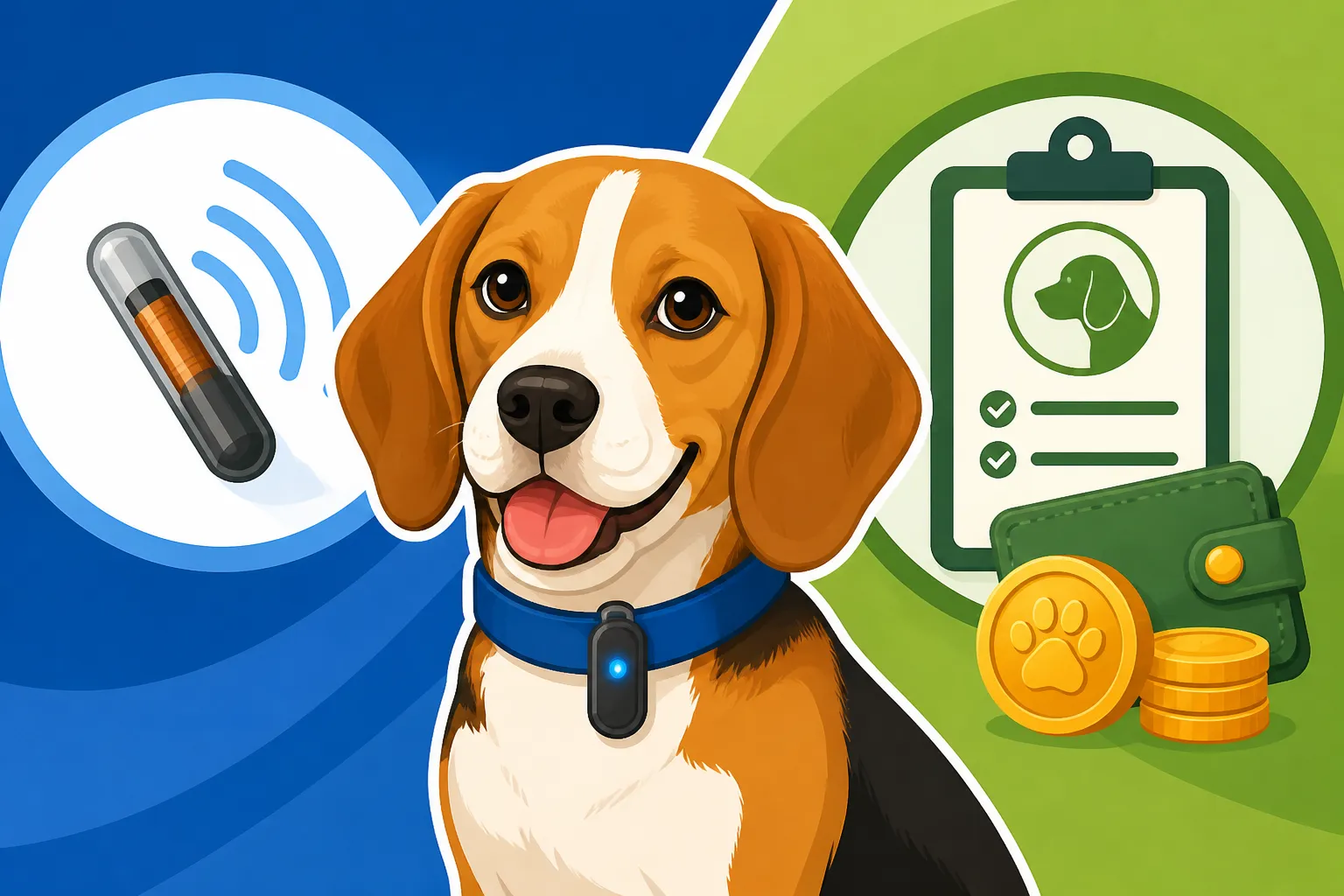
Imagine a grain of rice – that’s roughly the size of a microchip that gets painlessly inserted under your Beagle’s skin, usually between the shoulder blades. This isn't a GPS tracker, so it won't tell you where your Beagle is at any given moment. Instead, it uses passive Radio-Frequency Identification (RFID) technology. When a shelter, vet, or rescue group scans a lost pet with a special handheld scanner, the chip emits a unique identification number. This number is then checked against a national database to find the owner's contact information. The procedure itself is incredibly quick, often compared to a routine vaccination, causing minimal discomfort. There's no battery, so it never needs charging or replacing; it’s designed to last your Beagle's entire life.
Many owners worry about the invasiveness of implanting a chip, and that’s a totally valid concern. You want what's best for your furry family member. However, the benefits of permanent identification far outweigh the momentary prick. Beagles, bless their scent-hound hearts, are famously prone to following a captivating trail right out of a yard or off a leash. Their instincts are powerful, and once they're "on scent," the world around them, including your frantic calls, often fades into the background. Having a microchip dramatically increases the chances of a successful return if they do get lost, even if their collar or ID tag comes off during their escapade. This simple step is an invaluable safety net for a breed so driven by its nose, ensuring that if they do wander, there’s a reliable way to connect them back to you. For a deeper dive into the importance of this, you might want to read our article on Beagle Microchips and Getting a Lost Dog Back.
The Cost of Microchipping Your Beagle
So, what are we talking about in terms of cost? The good news is that microchipping is generally very affordable, especially considering it’s a one-time procedure for a lifetime of identification. Typically, you can expect to pay anywhere from $25 to $75 to have your Beagle microchipped. The price can vary depending on where you get it done. Your regular veterinary clinic will offer this service, and it's a common add-on during a puppy's first few visits or an annual check-up.
However, you often find even more budget-friendly options. Many local animal shelters, humane societies, and community pet clinics host low-cost microchipping events. These can be fantastic opportunities to get your Beagle chipped for a reduced fee, sometimes even as low as $10-$20 during special promotions. If you've adopted your Beagle from a rescue organization, like some of the wonderful Beagles that came out of the Envigo facility, the microchip is often already included in their adoption fee. This is a brilliant perk, as it covers a crucial step in ensuring their safety from day one. It’s definitely worth asking about when you're considering adoption. The initial outlay might feel like just another pet expense, but it’s a small price to pay for the profound peace of mind it offers against the heartbreaking possibility of losing your beloved companion. You can learn more about what's often included in rescue fees in our guide on What a Beagle Rescue Fee Already Covers.
The Lifelong Benefits and Peace of Mind
The real value of microchipping isn’t just about the technology; it's about the security and comfort it brings to you, the owner. A microchip provides a permanent, tamper-proof form of identification for your Beagle. Unlike a collar that can break, get lost, or be removed, a microchip stays with your dog for its entire life, silently waiting to do its job if ever needed. This permanence is particularly vital for Beagles, whose adventurous spirit and powerful scent drive make them adept at exploring beyond their known territory.
The statistics speak volumes: microchipped pets have a significantly higher rate of being reunited with their owners compared to those without chips. Shelters and veterinary offices are equipped with scanners and make checking for a microchip a standard part of their intake process for any found animal. When your Beagle is scanned, and its unique ID number pops up, that number leads directly to your contact information in the associated database. This direct link bypasses the uncertainty of faded tags or lost collars. Knowing that there's a permanent ID system in place offers an immense sense of security. It’s a silent guardian, ensuring that even on your Beagle’s most determined scent chase, there’s a clear path home.
Navigating Microchip Registry Fees for Your Beagle
Getting a microchip implanted is just the first step. It’s like having a driver's license number without it being tied to your name and address – it means nothing on its own. The real magic, and the critical step that many owners either forget or misunderstand, lies in registering that microchip number. This is where your contact information is actually linked to your Beagle's unique chip ID in a database.
Why Registration is Absolutely Critical
Think of your Beagle’s microchip as a phone number. Without it being associated with a person in a phone book (or more accurately, a massive digital database), no one can call you. Similarly, an unregistered microchip is essentially a useless piece of technology inside your dog. A shelter can scan it, get a number, but without registration, they have no idea who to contact. It's a common, and deeply frustrating, oversight that often leaves found pets in limbo, even with a perfectly good chip.
This is where the registry comes in. When you register your Beagle's microchip, you are submitting your name, address, phone number, and email address, along with your dog’s microchip ID, to a national pet recovery database. This database is what shelters and vets search when they find a lost pet. If your information isn't in there, or if it's outdated, then your Beagle’s microchip can’t do its job. It’s a crucial step that activates the chip’s purpose. Without it, all that peace of mind you gained from the implantation simply vanishes. It’s easy to feel overwhelmed by all the steps involved in responsible pet ownership, but trust me, this one is non-negotiable for your Beagle’s safety.
Understanding Registry Types and Their Costs
When it comes to registering your Beagle's microchip, you'll find there are several different companies and organizations that host these databases. Some are tied to the microchip manufacturer itself, while others are independent. The good news is that most registries are compatible, meaning any scanner can read any chip, and most registries will allow you to register any brand of microchip. The key differences often come down to pricing structure and additional services.
Many registries offer a one-time lifetime registration fee, meaning you pay once and your information is kept in the database indefinitely, with free updates. Others might offer a lower initial fee but then charge a small annual renewal fee to keep your information active. It’s really important to read the terms and understand what you’re paying for. Some popular registries include AKC Reunite, PetLink, Found Animals Registry, and AVID. They each have slightly different pricing models and additional benefits, such as lost pet alerts or even emergency assistance hotlines. For instance, some pet insurance providers, like Healthy Paws, might even have partnerships or integrate with certain registries, although their primary focus is health coverage, they are part of a broader network of pet care resources.
To give you a clearer picture, here’s a quick comparison of typical registry types and costs:
| Registry Name | Typical Fee Type | Estimated Cost | Key Features |
|---|---|---|---|
| AKC Reunite | One-time or Annual | $19.95 – $100 | 24/7 recovery service, lifetime enrollment options, optional pet insurance add-ons |
| PetLink | One-time or Annual | $19.95 – $29.95 | Worldwide recovery network, free updates, lost pet alerts |
| Found Animals Registry | One-time | Free | Permanent, free registration, partners with shelters |
| AVID | One-time or Annual | $17.95 – $25 | Global database, lost pet posters |
It's always a good idea to check which registry your vet or shelter recommends, but ultimately, the choice is yours. The most important thing is simply to register and to keep that registration active. While the annual fees might seem like just another recurring pet expense alongside things like food or pet insurance premiums, the cost is minimal compared to the anguish of a lost pet. Understanding where these costs fit into the overall picture of pet ownership, which we discuss further in our article on Beagle Insurance Premiums Provider by Provider, can help you budget effectively.
Keeping Your Beagle's Registry Information Up-to-Date
Okay, so you’ve got the chip, you’ve paid the registration fee, and you’re feeling pretty good. But here’s the kicker: your contact information isn't set in stone. Life happens, right? People move, change phone numbers, or even transfer pet ownership. Any of these changes can render your Beagle’s microchip registration useless if you don't update the associated information.
Imagine your Beagle gets lost, is scanned, and the shelter calls your old phone number, or sends a letter to your previous address. You’d never know they found your dog! It’s a crushing thought, especially when a simple update could prevent it. That’s why it’s absolutely paramount to keep your registration details current. Most registries offer easy online portals to update your information. It takes just a few minutes, and many will even send you annual reminders to log in and confirm your details are still accurate. Think of it like renewing your car's registration or updating your mailing address when you move. It's a small administrative task that ensures the system works as intended. Don't let your diligent efforts in getting your Beagle chipped go to waste by forgetting this crucial last step.
Beyond the Chip: Comprehensive Beagle Safety Measures
While microchipping and registration are non-negotiable for Beagle safety, they are just one layer in a comprehensive strategy. For a breed with such a powerful nose and a well-deserved reputation for wandering, a multi-faceted approach to preventing escapes and aiding recovery is absolutely essential. We love our Beagles for their independent spirit and joyful pursuit of scent, but these very traits mean we, as owners, need to be extra vigilant.
Collars, ID Tags, and GPS Trackers as Layers of Protection
Your Beagle’s collar and ID tags are the first line of defense. They offer immediate visual identification to anyone who finds your dog. A tag should always have your current phone number clearly engraved. While a microchip is permanent, it requires a scanner; a simple tag allows for a quick phone call. It’s a good idea to have more than one way for people to reach you. You can read more about selecting the right identification for your hound in our article, Beagle ID Tags and Which Collar to Use.
For those Beagles who are truly escape artists or have a particularly strong wanderlust, a GPS tracking collar can be a game-changer. Brands like Whistle and Fi offer devices that attach to your Beagle’s collar and allow you to track their location in real-time via a smartphone app. These aren't cheap, often involving an initial device cost and a monthly subscription fee, but for some owners, the peace of mind is priceless. If your Beagle is prone to scaling fences or slipping out of gates, a GPS tracker offers that immediate, active tracking that a passive microchip cannot. It's an excellent supplement to microchipping, not a replacement. A microchip is for when all else fails, a GPS tracker is for preventing the "all else" scenario from escalating too far. You can investigate the costs and benefits further in our discussion on Beagle GPS Tracking Collar Prices.
Preventing Escapes in the First Place
The best way to ensure your Beagle's safety is to prevent them from getting lost in the first place. This requires a dedicated approach, as Beagles are notoriously clever and determined when a captivating scent is calling their name. First and foremost, secure fencing is non-negotiable. A standard 4-foot fence often isn't enough; many Beagles can jump or climb higher, and almost all can dig. Consider a 6-foot fence, and more importantly, install digging barriers along the bottom, such as L-footing or chicken wire buried a foot deep. Even a small gap or a loose latch can be an invitation to adventure for a Beagle. To get specific advice on securing your property, check out How a Beagle Gets Underneath a Fence.
Beyond physical barriers, consistent training is crucial. "Wait" at doors and gates can prevent dashing out, and a strong recall command, practiced in various environments, is vital. However, it's important to be realistic: a Beagle on a hot scent trail can and often will ignore even the most well-trained recall, which is why they should never be trusted off-leash in an unfenced area. Always use a long line or leash when outside your secure yard. Their nose truly is their master, and you’ll find more insights on this challenge in Beagle Recall and Why Your Voice Stops Registering. Regular mental and physical exercise, including scent work, can also help keep your Beagle engaged and less likely to seek out "excitement" elsewhere.
The Community Effort: What Happens When a Beagle Goes Missing
Despite all our best efforts, sometimes Beagles still manage to go missing. When this happens, a robust community network and your proactive measures truly shine. The first place most people take a found dog is to a local animal shelter or veterinary office. This is precisely why microchipping is so essential – every professional facility has a microchip scanner and will immediately check for one. If your Beagle is chipped and registered, they can quickly access your contact information and initiate a reunion.
Beyond the immediate vet or shelter check, online lost pet groups and social media have become incredibly powerful tools. Many communities have dedicated Facebook groups where people post "found dog" notices. Your local shelter will also have policies for reporting lost and found pets, and many have online databases that you can check. The speed at which your Beagle can be identified and returned is directly proportional to how up-to-date your microchip registration is. In this broader ecosystem of pet care, even companies like Chewy and Ollie, while known for their pet food and supplies, implicitly support responsible pet ownership through the products they offer that help keep pets safe and healthy. They remind us that caring for our Beagles goes beyond nutrition; it encompasses their overall well-being and safety within our homes and communities.
Disclaimer
The information provided in this article is for general informational purposes only and is not a substitute for professional veterinary advice. Always consult with a qualified veterinarian for any health concerns or before making any decisions about your pet's medical care or safety protocols.