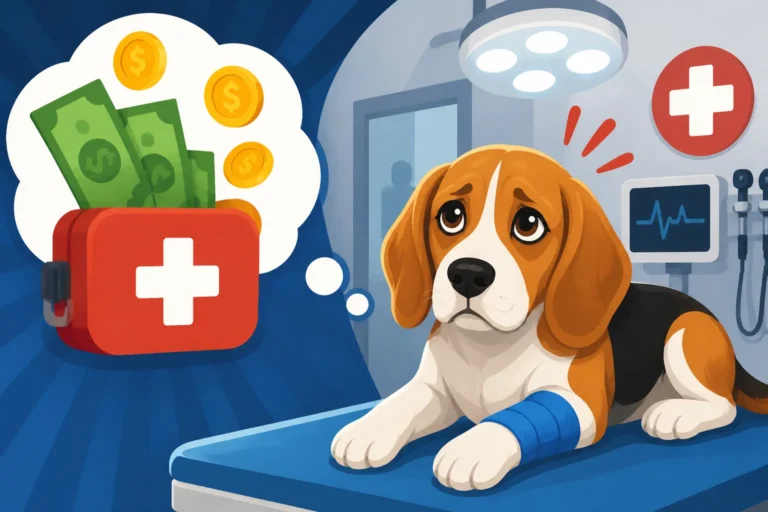
What a Beagle Rescue Fee Already Covers
When you open your heart and home to a Beagle from a rescue organization, one of the first things you'll notice is the adoption fee. It’s easy to look at that number and wonder exactly where it goes, especially when you're already eager to provide a loving new life for a deserving hound. This guide is here to unravel precisely what that Beagle rescue fee covers, offering a clear picture of the significant investment a rescue makes in each dog before they even reach your door, and why it represents incredible value for you and your new furry family member.
Understanding the Beagle Rescue Model
Bringing a Beagle into your life through a rescue is a truly compassionate choice, and it's helpful to understand the backbone of how these organizations operate. They're not businesses designed to turn a profit; instead, they are dedicated networks of volunteers, foster homes, and veterinary partners committed to rehabilitating and rehoming dogs in need. The fee you pay isn't a purchase price; it's a contribution that helps cover a portion of the extensive, often heartbreakingly high, expenses involved in giving a dog a second chance.
Why Rescues Charge a Fee
Imagine a Beagle that’s been abandoned, perhaps found wandering the streets, or surrendered due to circumstances beyond its control. Before that sweet hound can even think about finding its forever home, it needs a safe place to land. This involves everything from immediate shelter to urgent medical attention, sometimes life-saving procedures. Rescues operate on thin margins, largely fueled by donations, fundraising efforts, and, yes, those adoption fees. These fees are vital; they ensure that the next Beagle that comes through their doors – whether it’s a healthy pup or one requiring extensive medical care – will receive the same high standard of treatment.
Think about it this way: for every adoption fee collected, another Beagle can be pulled from a high-kill shelter, treated for an illness, or given a warm bed in a foster home. Many of these organizations are small, passionate groups run by individuals who dedicate countless hours and personal resources. The fee isn't just for your Beagle; it's an ongoing cycle of care that supports the entire rescue community and every dog within it. It’s a direct investment in saving lives, and knowing that can make the cost feel a lot less like an expense and more like an act of profound kindness.
The Difference Between a Rescue and a Shelter
While both rescues and traditional animal shelters work tirelessly to save lives, there are often key differences, especially when it comes to breed-specific organizations like a dedicated Beagle rescue. General animal shelters, often municipal or county-run, handle all types of animals, from cats and dogs to guinea pigs and birds. Their resources can be stretched thin across a vast array of needs, and while they do incredible work, they may not always have the capacity for extensive breed-specific rehabilitation or long-term foster care.
Beagle rescues, on the other hand, specialize. They understand the unique quirks and challenges of the breed – the insatiable nose, the baying vocalizations, the potential for stubbornness once a scent is caught, and even common breed-specific health issues. This specialized knowledge means they can often provide more targeted care, behavioral assessments tailored to the Beagle temperament, and place dogs in foster homes that are already experienced with the breed. This often translates to a better, more informed match between dog and adopter. It means your new Beagle might have already spent time in a home setting, learning basic house manners from someone who truly understands how a Beagle operates.
Essential Medical Care Included in Your Beagle's Adoption Fee
This is often the biggest piece of the puzzle when it comes to understanding what your rescue fee covers. Before any Beagle is made available for adoption, rescue organizations invest heavily in their health, often far beyond what the adoption fee alone can recoup. They take on the financial burden of diagnosing and treating existing conditions, ensuring your new companion starts their life with you on the healthiest paw possible.
Comprehensive Vet Examinations
Every Beagle entering a reputable rescue undergoes a thorough veterinary examination. This isn't just a quick once-over; it's a deep dive into their overall health. The vet will check their eyes, ears, teeth, heart, lungs, and joints. They’ll look for any signs of illness, injury, or underlying conditions. This initial exam is crucial for establishing a baseline of health and identifying any immediate concerns. For many rescued Beagles, this might be their first comprehensive veterinary visit in a long time, or ever. The rescue covers the cost of these exams, often multiple visits if follow-up care is needed.
For example, those long, floppy Beagle ears are adorable, but they can be a magnet for trouble. A rescue Beagle will have its ears thoroughly checked for signs of infection, cleaned, and treated if necessary. This proactive care prevents future discomfort for the dog and saves you a trip to the vet shortly after adoption. Similarly, if there are any concerns about a dog's heart, they might undergo further cardiac evaluation. This thoroughness means you're bringing home a dog whose basic health has been assessed by professionals, often mitigating immediate, unexpected vet bills right after adoption.
Spaying or Neutering Procedures
Without a doubt, one of the most significant costs covered by a Beagle rescue fee is the spaying or neutering of the animal. This isn't just a recommendation; it's a mandatory requirement for almost all reputable rescues, and for very good reasons. Spaying (for females) and neutering (for males) is a surgical procedure that prevents unwanted litters, helping to combat pet overpopulation – the very issue that fills shelters and rescues in the first place. Beyond population control, there are numerous health and behavioral benefits for your individual Beagle.
For females, spaying eliminates the risk of uterine infections (pyometra) and greatly reduces the risk of mammary tumors, especially if done before their first heat cycle. For males, neutering can prevent testicular cancer and some prostate problems, while also often reducing marking behavior, aggression, and the urge to roam in search of a mate. This surgery, complete with anesthesia, pain medication, and post-operative care, can easily cost several hundred dollars on its own at a private veterinary clinic. By covering this, the rescue ensures your Beagle is altered before coming home, removing that significant financial and logistical burden from you.
Vaccinations and Preventative Treatments
Another cornerstone of the medical care covered by the rescue fee is a full suite of vaccinations and ongoing preventative treatments. When a Beagle enters a rescue, its vaccination history is often unknown or incomplete. To protect not only that individual dog but also the other animals in their care, rescues ensure all dogs are brought up to date on their core vaccinations. This typically includes the DA2PP (Distemper, Adenovirus, Parvovirus, Parainfluenza) vaccine, rabies vaccine, and often Bordetella (kennel cough) vaccine, especially if the dog will be in a kennel setting or interacting with other dogs.
Beyond vaccines, rescues also administer crucial preventative treatments. This includes deworming for common intestinal parasites and starting them on monthly flea, tick, and heartworm prevention. For a Beagle, whose nose leads them into all sorts of outdoor adventures, year-round parasite prevention is incredibly important. Imagine the peace of mind knowing your new family member is protected against these common and potentially serious health threats from day one. These preventative measures, combined with the comprehensive vet checks, represent a substantial investment in your Beagle's long-term well-being, all baked into that single adoption fee.
Microchipping, Identification, and Basic Training Foundations
The rescue fee doesn't just cover what's on the inside; it also helps prepare your Beagle for life on the outside, providing essential tools for their safety and well-being. From permanent identification to initial supplies and even foundational behavioral work, rescues aim to set both you and your new dog up for success.
The Lifesaving Power of Microchips
One of the most valuable, yet often overlooked, components of a rescue fee is microchipping. A microchip is a tiny, rice-sized transponder implanted just under your Beagle's skin, usually between the shoulder blades. This chip contains a unique identification number that can be read by a scanner at a vet clinic or animal shelter. Should your Beagle ever get lost – a very real concern with their powerful scent drive and tendency to follow their nose – this microchip greatly increases the chances of a happy reunion.
Most rescues will ensure your Beagle is microchipped and that the chip is registered with their organization, with instructions for you to transfer ownership. This simple procedure, which usually costs around $30-$50 at a vet, is a permanent form of identification that can't fall off like a collar or tag. For a breed known for its wandering tendencies, such as when a strong scent leads them on an adventure far from home, a microchip is a non-negotiable safety net. Losing a dog is every owner's worst nightmare, and the microchip provides a crucial layer of protection.
Initial Collar, Tag, and Basic Supplies
While not always a huge line item, many Beagle rescues will send their adopted dogs home with a few basic essentials to help them transition smoothly into their new life. This often includes a temporary collar and an ID tag with the rescue's information, or even a blank one for you to fill in. Having this immediate identification is crucial for safety during the initial days.
Sometimes, a rescue might also provide a leash, a small bag of the food they've been eating to help with dietary transition (especially if you plan to switch brands), or even a favorite toy or blanket that carries familiar scents. These small gestures help ease the transition for your Beagle, giving them a piece of continuity as they adjust to their new surroundings. While you’ll certainly invest in your own supplies from retailers like Chewy or your local pet store, having these basics covered upfront means less scrambling for you on adoption day.
Behavioral Assessment and Early Training
Rescue organizations don't just provide medical care; they also invest time and effort into understanding each Beagle's unique personality and behavioral needs. Before a Beagle is listed for adoption, it typically undergoes a behavioral assessment. This helps the rescue understand how the dog interacts with people, other dogs, and sometimes even cats. They might evaluate for things like Beagle Separation Anxiety in a Pack Breed, resource guarding, or reactivity. This assessment is invaluable for making a suitable match with an adoptive family.
Furthermore, many foster homes go above and beyond to provide basic training and socialization. This could include working on house training, crate training, or basic manners like "sit" and "stay." They help Beagles learn to walk on a leash (though the powerful nose often means continued training will be needed for Beagle Recall and Why Your Voice Stops Registering). If a Beagle has come from a neglectful situation, the foster family dedicates significant time to building trust and helping the dog learn how to be a beloved pet. This early behavioral foundation, though not always formalized into "classes," is an immense benefit to adopters, as it means you're not starting from scratch with a dog that might have significant behavioral challenges.
Ongoing Support and Peace of Mind for Adopters
The relationship with a Beagle rescue doesn't necessarily end when you take your new dog home. Reputable organizations offer ongoing support, creating a safety net for both the dog and the adopter, which is another hidden value embedded within that adoption fee.
Lifetime Return Policy
One of the most significant forms of ongoing support, and a testament to a rescue's commitment, is its lifetime return policy. This means that if, for any reason at any point in the Beagle's life, you are unable to keep them, the rescue requires that you return the dog to them. They will take the Beagle back, no questions asked, and find them another suitable home. This policy is a crucial safety net. It prevents adopted dogs from ending up back in shelters or on the streets if unforeseen life circumstances arise for the adopter.
This stands in stark contrast to acquiring a dog from a private seller or a less scrupulous source, where if things don't work out, you're often left to figure out rehoming on your own. For a rescue, their commitment to the dog is lifelong. They see themselves as guardians of that Beagle's well-being, ensuring it always has a soft landing. This peace of mind, knowing your Beagle will always have somewhere to go, is an invaluable part of the adoption package.
Access to Breed-Specific Advice and Resources
Beagle rescues are a treasure trove of knowledge when it comes to the breed. The volunteers and foster parents have often lived with Beagles for years, understanding their unique needs, quirks, and potential challenges. When you adopt from a rescue, you gain access to this wealth of experience. Do you have questions about dealing with Beagle Howling, Baying and Barking Explained? Need advice on managing that powerful scent drive? Wondering about common breed-specific health issues like Beagle Ear Infections Under Those Long Ears or Beagle Hypothyroidism and the Weight It Puts On?
The rescue team is often just a phone call or email away, ready to offer guidance, share tips, or connect you with resources. Many rescues also have online communities or support groups where adopters can share experiences and get advice from others who truly "get" the Beagle breed. This ongoing support can be incredibly helpful, especially for first-time Beagle owners, and it’s a level of personalized assistance you simply won't get from other sources of dog acquisition.
Contribution to the Rescue's Mission
Ultimately, every dollar of a Beagle rescue fee, and any additional donations, directly contributes to the rescue's overarching mission: to save, rehabilitate, and rehome Beagles in need. While the fee covers some of the costs associated with your specific Beagle, it also helps fund the operations necessary to help all the other Beagles in their care.
This includes kennel fees (if they use boarding facilities), transportation costs for dogs pulled from distant shelters, administrative expenses, and outreach programs. It ensures that when the next emaciated, injured, or scared Beagle arrives, the rescue has the funds to provide immediate, comprehensive care. Your adoption fee isn't just about the dog you take home; it's about being part of a larger community dedicated to bettering the lives of countless Beagles, contributing to a cause that ensures these merry hounds continue to find loving homes.
Comparing Rescue Fees to Other Beagle Acquisition Costs
Understanding what a rescue fee covers truly highlights the value proposition. When you compare it to the costs associated with other ways of bringing a Beagle into your life, the rescue option often emerges as both financially sensible and ethically superior. It’s not just about the upfront cost, but the bundled services and peace of mind.
Beagle Puppy Prices From Reputable Breeders
If you're considering a Beagle puppy from a reputable breeder, you'll find that the initial price tag can be significantly higher than a rescue fee. A well-bred Beagle puppy from a responsible breeder often costs anywhere from $1,000 to $2,000 or even more, depending on the lineage, location, and whether the parents have achieved titles in conformation or performance. While this initial cost is purely for the acquisition of the puppy itself, it typically doesn't include the immediate medical procedures that are bundled into a rescue fee. For more information, you can read about What a Beagle Puppy Costs From a Breeder.
When buying from a breeder, you'll still be responsible for the full cost of spaying or neutering, which can be several hundred dollars. You'll also pay for the microchip, additional vaccinations, and often the full course of deworming and parasite prevention. While reputable breeders do typically provide initial vet checks and first vaccinations, the comprehensive, potentially ongoing medical care that a rescue provides for a dog that might have a more complex health history is a distinct difference. Breeders focus on healthy puppies from health-tested parents, and the price reflects that careful breeding, but the post-purchase medical responsibilities fall entirely on the new owner.
The Hidden Costs of Free or Cheap Beagles
It can be tempting to look for a "free" Beagle or one advertised at a very low price online. However, this path often comes with significant hidden costs and heartbreaking risks. Dogs given away for free or sold cheaply often lack any veterinary care. They might not be vaccinated, dewormed, or spayed/neutered. This means you could be facing hundreds, if not thousands, of dollars in immediate vet bills just to get them up to a basic standard of health.
Furthermore, these dogs often come with unknown backgrounds, which can lead to behavioral issues that require expensive professional training. You might encounter a Beagle with severe separation anxiety, aggression, or profound lack of house training. Many Beagles are surrendered or given away precisely because their previous owners couldn't handle their behavioral quirks or afford their medical needs. While an adoption fee might seem like a barrier, it's often a fraction of what you'd pay out-of-pocket for a neglected or poorly cared-for dog. A cheap dog upfront can quickly become the most expensive dog you've ever owned.
Pet Insurance Considerations
Bringing a new Beagle home, whether from a rescue or a breeder, is a significant responsibility, and many owners wisely consider pet insurance. Brands like Healthy Paws offer coverage for accidents and illnesses, which can be a lifesaver when unexpected medical issues arise. The comprehensive upfront medical care provided by a rescue can play an interesting role here.
While pet insurance typically doesn't cover pre-existing conditions, a rescue's thorough vet checks and treatments mean that your Beagle is starting with a clean slate as far as known issues go. If the rescue treated a specific condition, it might be documented, but the overall health screening means you're generally adopting a dog whose immediate major health concerns have been addressed. This can give you more confidence when choosing a policy from providers like Healthy Paws, knowing that the most immediate, easily preventable issues have already been handled. It's always a good idea to research Beagle Pet Insurance and What It Runs a Month to understand the costs and benefits. While insurance helps cover future unpredictable events, the rescue fee covers the predictable, essential care your Beagle needed before joining your family.
| Service/Item Covered | Beagle Rescue Fee | Reputable Breeder Puppy Cost | "Free" / Cheap Beagle |
|---|---|---|---|
| Comprehensive Vet Exam | Yes (often multiple) | Yes (initial check) | Usually No |
| Spay/Neuter Surgery | Yes (mandatory) | No (owner's responsibility) | Usually No |
| Core Vaccinations | Yes (up to date) | Yes (initial series) | Usually No |
| Deworming | Yes (completed) | Yes (initial) | Usually No |
| Flea/Tick/Heartworm Prevention | Yes (started) | No (owner's responsibility) | Usually No |
| Microchipping & Registration | Yes (included) | No (owner's responsibility) | Usually No |
| Behavioral Assessment | Yes (breed-specific) | No (breeder assesses temperament) | Usually No |
| Basic Training/Socialization | Often (foster home) | Yes (early exposure) | Usually No |
| Collar/ID Tag | Often | No | Usually No |
| Lifetime Return Policy | Yes (mandatory) | Varies (contract-specific) | No |
| Breed-Specific Support | Yes (ongoing) | Yes (breeder support) | No |
Disclaimer
This article is for general informational purposes only and does not constitute professional advice. Laws, prices and regulations vary by location and change over time. Consult a qualified professional for guidance on your specific situation.