Beagle Puppy Prices From $1,000 to $1,500
One of the first big questions aspiring Beagle parents face is how much that adorable, floppy-eared puppy is actually going to set them back. It's not just a simple matter of walking into a pet store anymore – and honestly, it shouldn't be. The price tag on a Beagle puppy, particularly in the $1,000 to $1,500 range, tells a story about its origins, health, and the care invested in its earliest weeks. This guide will help you understand what goes into those numbers and what you should expect for your investment.
Decoding Beagle Puppy Prices
The sticker price for a Beagle puppy can swing wildly, and it's understandably confusing for new prospective owners. You might see ads for Beagles at a few hundred dollars, while others command upwards of two thousand. The sweet spot of $1,000 to $1,500 often indicates a puppy from a reputable source, but it’s crucial to understand why that price exists and what it should cover. This isn't just about paying for a dog; it's about investing in a healthy, well-socialized, and ethically bred companion.
Breeder Reputation and Experience
A significant chunk of a Beagle puppy's price from $1,000 to $1,500 is directly tied to the reputation and experience of the breeder. Ethical breeders don't just "have puppies"; they meticulously plan litters, invest years in their lines, and often compete in conformation or performance events to prove the quality of their dogs. They are passionate about the Beagle breed standard and health.
Consider a breeder who has been active in the Beagle community for decades, consistently producing sound, healthy dogs with excellent temperaments. They'll have a proven track record, references from previous puppy buyers, and a deep understanding of Beagle genetics and health concerns. This isn't a hobby for them; it's a dedicated pursuit. Their expertise, the time they dedicate to screening potential homes, and the ongoing support they offer throughout your dog's life are invaluable and rightfully factored into the price. They've poured their lives into these animals, and that kind of commitment ensures you're getting a puppy that represents the best of the breed.
Pedigree and Ancestry
Another factor influencing the price in this range is the puppy's pedigree and ancestry. While you might not be planning to show your Beagle, a strong pedigree signifies generations of intentional breeding focused on health, temperament, and adherence to the breed standard. This means the breeder isn't just breeding two Beagles together; they're studying genetic lines, looking at health clearances of ancestors, and making informed decisions to produce the best possible offspring.
Puppies from champion bloodlines, where parents or grandparents have achieved titles in dog shows or field trials, will naturally command higher prices. These titles are not just bragging rights; they are verifiable proof that the dogs excel in their breed's purpose and conformation. For example, if a puppy's parents are both AKC champions with demonstrable good health, it costs the breeder significantly more to acquire, raise, and prove those dogs. This investment trickles down to the puppy price, ensuring you're getting a puppy whose genetic blueprint is well-documented and thoughtfully cultivated. It’s a bit like buying a car from a manufacturer with a long history of engineering excellence – you're paying for the research, development, and proven quality.
Health Testing and Guarantees
This is arguably one of the most crucial elements justifying a Beagle puppy price in the $1,000-$1,500 bracket. Responsible breeders perform extensive health screenings on their breeding stock to mitigate the risk of passing on genetic conditions common in Beagles. This includes tests for hip dysplasia, eye conditions like glaucoma or cherry eye, and genetic diseases such as Musladin-Lueke Syndrome (MLS) and Factor VII deficiency. These tests are not cheap; each one adds to the breeder's overhead.
For instance, an orthopedic evaluation by the Orthopedic Foundation for Animals (OFA) or PennHIP screening can cost hundreds of dollars per dog. Eye exams performed by a board-certified veterinary ophthalmologist are also a significant expense. When a breeder includes these clearances and offers a health guarantee for their puppies, they are demonstrating confidence in their breeding program and taking responsibility for the health of the puppies they produce. This is a massive peace of mind for you, the buyer, as it significantly reduces the likelihood of encountering costly and heartbreaking genetic health issues down the line. A puppy whose parents have completed their "Beagle Health Testing Under CHIC" is a far safer bet than one from untested lines.
The True Cost Beyond the Sticker Price
It’s easy to get fixated on the initial purchase price of your Beagle puppy, but seasoned dog owners will tell you that the sticker price is just the down payment. There's a whole world of expenses that begin the moment you bring your little hound home, and understanding these from the outset is vital for responsible ownership.
Initial Supplies and Setup
Bringing home a new Beagle puppy means you'll need a host of supplies right away. This isn't just a few toys; it's about creating a safe, comfortable, and stimulating environment. You'll need a suitable crate, which is essential for house training and creating a secure den. Think about durable chew toys (Beagles love to chew!), a comfy bed, food and water bowls, a collar and leash, and plenty of puppy pads if you’re still working on house training. A good quality harness is also a wise investment to protect your Beagle's neck and back, especially as they get excited on walks.
Factor in items like grooming supplies – puppy shampoo, a brush suitable for their dense double coat, and nail clippers or a grinder. And don't forget the cleaning supplies for those inevitable accidents! These initial purchases can easily add up to several hundred dollars. For a more detailed breakdown, you might want to look into "The First Month Cost of a Beagle Puppy" to fully prepare your budget. Think of it as setting up a new nursery, but for a furry, four-legged infant who will immediately explore everything with their nose and mouth.
Veterinary Care and Vaccinations
Your Beagle puppy's health journey starts immediately with a vet visit. Most reputable breeders will have already given the first round of vaccinations and deworming, but your puppy will need follow-up shots, including boosters for distemper, parvovirus, adenovirus, and rabies. Regular vet check-ups are critical during their first year to monitor growth, ensure proper development, and catch any potential issues early.
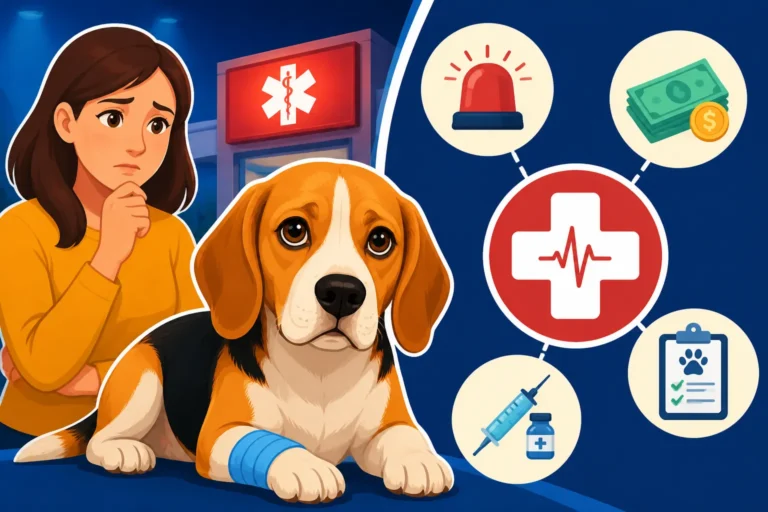
Beyond routine vaccinations, you'll need to discuss parasite prevention for fleas, ticks, and heartworm. Beagles, with their low-to-the-ground sniffing habits, are particularly prone to picking up parasites. Depending on your region, these preventative medications can be a monthly cost. Also, consider the cost of spaying or neutering, which is typically done around six months to a year of age. These crucial veterinary expenses can easily range from $500 to $1,000 or more in the first year alone, varying by your location and your vet's fees. It's an investment in a long, healthy life for your companion.
Food and Nutrition
Beagles are notoriously food-driven, which is both a blessing for training and a challenge for managing their weight. Choosing a high-quality puppy food is paramount for their growth and development. This isn't the place to cut corners. Look for foods appropriate for their age and size, formulated with all the necessary nutrients. Brands like Ollie offer fresh, human-grade food that can be customized to your puppy's specific needs, which can be a fantastic option for optimal health, though it comes with a higher price point than conventional kibble.
You'll also need to budget for treats, as positive reinforcement training is incredibly effective with Beagles. These should be healthy, small, and low-calorie to avoid unnecessary weight gain. Remember, a Beagle would happily eat all day, so portion control is key. A typical Beagle puppy will eat specific amounts for their size, and as they grow, their needs will change. For a deeper dive into managing this particular expense, check out "Beagle Food Budgets for a Dog That Never Stops Eating." An overweight Beagle is a Beagle prone to other health issues like joint problems and diabetes, so investing in good food and careful feeding habits pays off in the long run.
Why a Reputable Breeder Sets a Higher Price
When you're comparing "What a Beagle Puppy Costs From a Breeder", you'll quickly notice that prices vary. The $1,000 to $1,500 range is often a sweet spot for puppies from reputable, ethical breeders. This isn't arbitrary; it reflects significant investments and practices that ultimately benefit you and your future family member. These breeders aren't looking to make a quick buck; they're dedicated to improving the breed and ensuring the well-being of every puppy.
Investments in Breeding Stock
A reputable breeder pours considerable resources into their adult breeding dogs. This includes the initial cost of acquiring high-quality breeding stock, often from established lines known for health and temperament. These dogs aren't just pets; they are carefully selected for their genetics, conformation, and health clearances. This often involves paying top dollar for puppies from other reputable breeders, showing them to championship titles, and performing all the necessary genetic and health screenings.
Beyond acquisition, there's the ongoing care: premium food, regular veterinary check-ups, vaccinations, parasite prevention, and specialized care during pregnancy and whelping. Breeding isn't just about mating two dogs; it requires extensive knowledge of canine reproduction, genetics, and neonatal care. This includes things like progesterone testing to time breeding perfectly, which can be expensive, or even artificial insemination if specific genetic pairings are sought after. All these investments are part of why "Why AKC-Registered Beagle Puppies Reach $2,000" can be a common occurrence, as the AKC registration often goes hand-in-hand with these meticulous breeding practices.
Early Socialization and Care
The first eight to ten weeks of a puppy's life are incredibly formative, and reputable breeders understand this profoundly. They don't just keep puppies in a kennel; they raise them in a stimulating home environment, exposing them to various sights, sounds, textures, and experiences. This early socialization is critical for developing a confident, well-adjusted adult dog. Puppies are handled daily, introduced to children and other friendly dogs, and exposed to household noises like vacuums, doorbells, and music.
This intensive care also includes early neurological stimulation, proper weaning, and beginning the foundations of potty training and crate training. A breeder will meticulously track each puppy's development, ensuring they are hitting milestones and addressing any issues promptly. They also ensure the puppies receive their initial vaccinations and deworming before going to their new homes. This hands-on, dedicated care requires immense time and effort, making these early weeks an invaluable investment in your puppy's future temperament and adaptability. A well-socialized puppy has a much smoother transition into your home and is less likely to develop behavioral issues later on.
Support and Lifetime Resources
One of the less tangible, but equally valuable, aspects of buying from a reputable breeder is the ongoing support system they provide. These breeders don't just sell you a puppy and disappear; they become a lifetime resource. They are genuinely invested in the well-being of the dogs they bring into the world. You'll often find that they are available to answer questions, offer advice, and help troubleshoot any issues that might arise throughout your Beagle's life, whether it's about training, nutrition, or health.
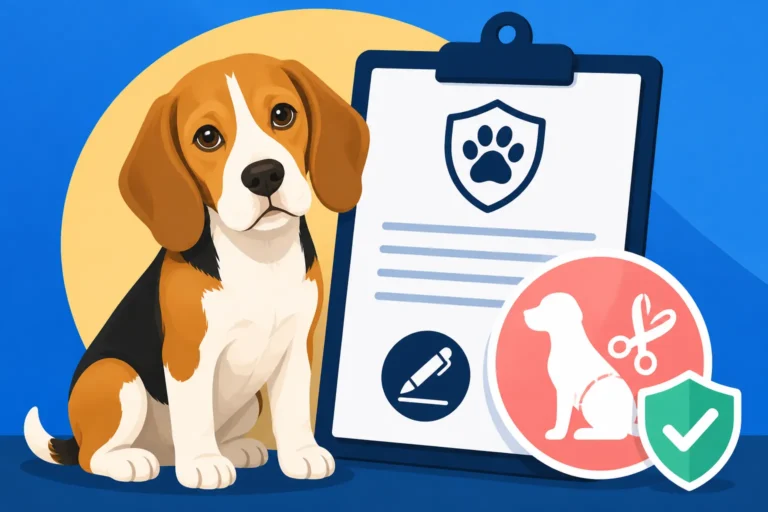
Many breeders will have a comprehensive contract that outlines health guarantees, spay/neuter agreements, and even a clause stating that if you ever need to rehome your Beagle, they will take the dog back, no questions asked. This commitment speaks volumes about their dedication to the breed and their puppies. They want to ensure every dog they breed lives a happy, stable life. This kind of ongoing relationship and safety net is something you simply won't get from a backyard breeder or a pet store, and it's a significant part of the value you're paying for in that $1,000 to $1,500 range.
Understanding the Value of Your Investment
When you pay $1,000 to $1,500 for a Beagle puppy from a reputable breeder, you're not just purchasing a pet; you're making a significant investment in a future family member. This investment extends far beyond the initial transaction, promising long-term benefits in terms of your dog's health, temperament, and your overall peace of mind.
Long-Term Health Benefits
The health testing performed by reputable breeders before breeding significantly reduces the risk of hereditary diseases in your puppy. While no breeder can guarantee a dog will never have health issues, they drastically minimize the chances of conditions like Beagle Hip Dysplasia, certain eye problems, or Musladin-Lueke Syndrome. This upfront investment in a well-bred puppy can save you thousands of dollars in veterinary bills down the road, not to mention the emotional toll of dealing with a chronically ill pet.
Think about it: an ethical breeder tests for things like heart disease or certain neurological conditions, which, if present, can lead to complex and costly treatments. For instance, addressing Beagle Ear Infections Under Those Long Ears early or preventing them through good breeding and care can save many vet visits. Choosing a puppy from parents with clear health certifications means you're starting with the best possible genetic foundation. It's a proactive step towards a longer, healthier, and happier life for your Beagle, which ultimately means more years of joyful companionship for you.
Behavioral Soundness and Training Foundation
A puppy raised in a stimulating, loving, and intentional environment by a responsible breeder is more likely to have a stable and adaptable temperament. Early socialization to various stimuli, people, and other animals helps them develop confidence and resilience. This foundation is invaluable when you start formal training. A well-adjusted puppy is typically easier to house train, less prone to separation anxiety, and more receptive to learning commands like recall or "leave it."
While Beagles have a strong independent streak and their incredible nose can sometimes lead them astray, a good start from a breeder can make all the difference. For example, a puppy that has already been exposed to crate training and positive human interaction will have an easier time transitioning to your routine. This behavioral soundness prevents many of the common issues that lead owners to surrender dogs, such as excessive barking, destructive chewing, or fearfulness. It gives you a strong starting point for addressing things like Beagle Puppy Nipping and Where It Comes From or Training a Beagle Around 220 Million Scent Receptors.
Peace of Mind and Ethical Breeding
Ultimately, paying a higher price for a Beagle puppy from a reputable breeder buys you peace of mind. You can rest assured that your puppy was not the product of a puppy mill or an irresponsible backyard breeder focused solely on profit. You're supporting ethical practices that prioritize the welfare of the dogs over commercial gain. This means parents were healthy, happy, and well-cared for, and the puppies received the best possible start in life.
You'll also have access to the breeder's expertise and support throughout your dog's life, creating a valuable safety net. This ethical choice reflects your values as a pet owner, contributing to the health and integrity of the Beagle breed as a whole. It means knowing you haven't inadvertently contributed to cycles of neglect or exploitation in the pet industry, which is a powerful and reassuring feeling for any conscientious animal lover.
Alternative Avenues: Adoption and Rescue
While many dream of a brand-new puppy, the $1,000 to $1,500 price tag can be a barrier for some families, and that’s perfectly understandable. Thankfully, there are wonderful alternatives to purchasing from a breeder, offering loving homes to Beagles of all ages and backgrounds. Adopting a Beagle Instead of Buying One is a fantastic option that comes with its own set of rewards and considerations.
The Appeal of Rescue Organizations
Beagle-specific rescue organizations across the country are dedicated to finding forever homes for Beagles who, through no fault of their own, find themselves in need. These dogs come from various situations: owner surrenders, strays picked up by animal control, or even those rescued from unfortunate circumstances like puppy mills or research facilities. When you adopt from a rescue, you're not just getting a dog; you're giving a second chance to an animal that truly needs it.
Rescue Beagles often come with a known history, sometimes including temperament evaluations, basic training, and a full veterinary work-up. Many are fostered in homes, allowing the rescue to gather invaluable information about their personality, house-training status, and how they interact with children, other pets, and different environments. This insight helps ensure a good match between the dog and your family, minimizing surprises. It's a hugely rewarding experience, knowing you've made a tangible difference in a dog's life.
Adoption Fees and What They Cover
Unlike the price from a breeder, adoption fees from rescue organizations are typically much lower, usually ranging from $100 to $500. It's important to understand that these fees are not for "buying" the dog but rather help the rescue cover a portion of the extensive costs they incur for each animal. These costs often include spay/neuter surgery, all necessary vaccinations (including rabies, distemper/parvo, bordetella), microchipping, deworming, flea and heartworm prevention, and any other medical treatments the dog needed while in their care.
For example, a rescue might take in a Beagle with significant dental issues or an untreated ear infection. The adoption fee helps offset these expenses, allowing the rescue to continue its vital work. While you won't get a puppy from specific champion lines, you'll be getting a healthy, vetted dog, often with a good head start on training, all for a fraction of the cost of a breeder puppy. The value here is immense, both financially and emotionally.
Considering a Former Research Beagle
A particularly poignant option within rescue is adopting a former research Beagle. These Beagles, often used in laboratory testing due to their docile nature and size, are increasingly finding homes through various rescue efforts. A significant example was the rescue of thousands of Beagles from the Envigo facility in Virginia. These dogs often require a bit more patience and understanding as they adjust to a "normal" life, having never experienced things like grass, toys, or a loving home.
Their prices are typically on the lower end of the adoption fee scale, and they often come with basic medical care already provided by the rescue. While they might initially be shy or unfamiliar with common household items, the transformation these dogs undergo in a loving environment is truly incredible. It's a chance to offer profound comfort and a new beginning to a dog that has known little else but a kennel environment. It's a commitment, but the reward of watching them blossom into confident, joyful companions is unparalleled.
Budgeting for Your Beagle's First Year
Getting a Beagle puppy, even one in the $1,000 to $1,500 range, is a long-term financial commitment. The first year, in particular, can be surprisingly expensive as you establish routines, cover initial vet care, and invest in training and enrichment. Planning ahead is key to ensuring you can provide the best possible life for your furry companion.
Ongoing Food and Treats
After those initial bags of puppy food, you'll transition your Beagle to adult food, but the food budget doesn't stop there. Beagles have a seemingly bottomless stomach and a powerful food drive. Choosing a high-quality food, whether it's premium kibble, fresh food, or a combination, is an ongoing expense that impacts their overall health and well-being. Services like Chewy offer convenient auto-ship options for various brands, often at competitive prices, making it easier to stick to your budget and ensure you never run out.
Remember to factor in treats, too. Training, especially in the first year, relies heavily on positive reinforcement with tasty rewards. You'll also want to consider dental chews for their oral health, which are vital for preventing Beagle Dental Disease and Tartar Buildup down the line. Keep an eye on your Beagle's weight, as obesity is a common issue with this breed. Adjust food portions and treat intake as needed to maintain a healthy body condition.
Insurance and Unexpected Medical Bills
Even with the best breeding and initial health, unexpected medical issues can arise. A curious Beagle's nose can lead them to eat something they shouldn't, or they might suffer a sprain while playing. This is where pet insurance can be a lifesaver. Companies like Healthy Paws offer various plans that can help cover emergency visits, accidents, and illnesses, significantly reducing the financial stress of unforeseen veterinary expenses.
It's wise to enroll your Beagle in a pet insurance plan early, ideally before any pre-existing conditions develop. While the monthly premiums are an added cost, they can prevent you from facing thousands of dollars in bills if your Beagle needs emergency surgery or develops a chronic condition. For example, if your Beagle were to develop Beagle Epilepsy and Seizures From Six Months On, the cost of anti-seizure medication and ongoing monitoring could be substantial without insurance. Building an emergency fund specifically for your Beagle is also a smart strategy, even if you have insurance.
Training and Enrichment
A Beagle's intelligent and scent-driven nature means they thrive on mental and physical enrichment. Training classes, especially puppy socialization and basic obedience, are highly recommended in the first year. These classes not only teach your Beagle good manners but also strengthen your bond and provide crucial socialization. Consider specific classes like scent work or tracking, which tap into their natural abilities and provide an excellent outlet for their energy.
Beyond formal classes, you'll need to invest in interactive toys, puzzle feeders, and sturdy chew toys to keep their minds engaged and prevent boredom-induced destructive behaviors. A high-quality, long leash is also essential for safe outdoor exploration, allowing them to sniff and explore without risk of bolting off. The cost of these items and activities will vary, but dedicating a portion of your budget to training and enrichment will pay dividends in a well-behaved, happy, and fulfilled Beagle.
Comparative Table of Beagle Acquisition Costs
| Source of Beagle Puppy | Typical Price Range | What the Cost Generally Covers | Pros | Cons |
|---|---|---|---|---|
| Reputable Breeder | $1,000 – $1,500 | Health tests, initial vaccinations, socialization | Predictable temperament, health guarantees, breeder support, known lines | Higher initial cost, waiting lists, strict application process |
| Rescue Organization | $100 – $500 | Spay/neuter, vaccinations, microchip, health check | Giving a dog a second chance, lower cost, often already house-trained | Unknown history, may have behavioral quirks, limited puppy availability |
| Backyard Breeder | $500 – $800 | (Often) minimal vaccinations, deworming | Lower initial cost, more readily available | No health guarantees, unknown temperament, supports irresponsible breeding |
| Pet Store | $800 – $2,000 | (Varies) vaccinations, microchip | Convenient, immediate availability | Often sourced from puppy mills, no parental health info, high mark-up |
Disclaimer
The information provided in this guide is for general educational purposes only and should not be considered a substitute for professional veterinary advice. Always consult with a qualified veterinarian regarding your Beagle's specific health, diet, and care needs. Prices mentioned are estimates and can vary based on location, breeder reputation, and specific services included.