What $1,000 Buys Against $2,000 in a Beagle Puppy
Bringing a new Beagle puppy into your home is an incredibly exciting time, full of dreams of wagging tails and happy adventures. But as you start looking, you might quickly notice a vast difference in price tags for these adorable hounds, with some puppies listed for around $1,000 and others easily hitting $2,000 or even more. This disparity can be incredibly confusing, making you wonder if you’re getting ripped off or if a cheaper option means you're compromising your future dog's well-being. This guide will walk you through the crucial differences between these price points, helping you understand what that extra thousand dollars truly buys you and why investing upfront can save you significant heartache and expense down the road.
Understanding Beagle Puppy Pricing Factors
The price of a Beagle puppy isn't just a random number; it's often a reflection of the care, investment, and ethical practices of the breeder. Just like buying a car or a house, you generally get what you pay for when it comes to a living, breathing companion. Several factors contribute to why one Beagle might be listed at $1,000 and another at $2,000, and understanding these can help you make a more informed decision for your family.
The $1,000 Beagle Puppy: What to Expect
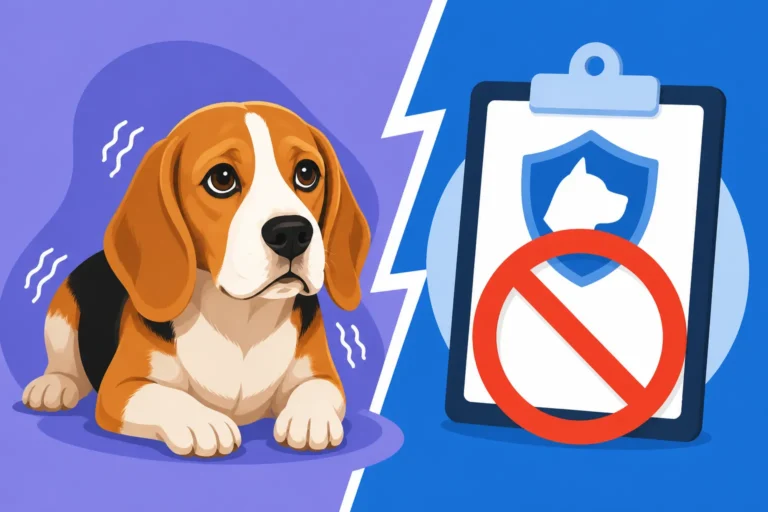
When you see a Beagle puppy advertised for around $1,000, it can seem like a great deal, especially if you’re operating on a tighter budget. However, it's essential to approach these listings with a critical eye and a healthy dose of skepticism. Often, puppies in this price range come from sources that might not prioritize the long-term health, temperament, or genetic integrity of their breeding lines.
You might find these puppies from "backyard breeders," who are typically individuals with one or two dogs they decide to breed, often without extensive knowledge of canine genetics, health clearances, or proper puppy raising protocols. They might not understand the importance of avoiding breeding carriers of genetic conditions like Musladin-Lueke Syndrome, which is why a proper DNA test is crucial. Another common source is accidental litters, where two unspayed/unneutered dogs happen to mate, and the owners are simply looking to rehome the puppies quickly. While these situations can sometimes produce wonderful dogs, they often lack the foundational care that sets a puppy up for success.
What you might typically get with a $1,000 Beagle puppy is basic veterinary care – perhaps a first set of vaccinations and deworming. You might receive minimal paperwork, possibly just a vaccination record. The parents may or may not have had any health testing, meaning you're taking a significant gamble on whether your puppy inherits predispositions to conditions like Beagle Hip Dysplasia and Everyday Joint Wear or even serious issues like Beagle Epilepsy and Seizures From Six Months On. Socialization might be inconsistent; puppies raised in isolated environments without exposure to various sights, sounds, and people can develop behavioral challenges later. Furthermore, you might find that while the puppy is advertised as purebred, there's no AKC registration or verifiable pedigree, or if there is, it’s not backed by health clearances. For a deeper dive into the specific expectations around pricing, you can read more about what $1,000 buys against $2,000 in a Beagle puppy.
The $2,000 Beagle Puppy: What You Should Get
Stepping up to the $2,000 price point for a Beagle puppy generally means you are looking at puppies from reputable, ethical breeders. These breeders view breeding as a serious commitment to the betterment of the breed, not just a way to make a quick profit. They invest significant time, money, and effort into ensuring their breeding dogs are healthy, have excellent temperaments, and produce sound puppies.
For this higher price, you should expect a comprehensive package that provides peace of mind and a strong foundation for your puppy's life. This includes:
- Extensive Health Testing: Reputable breeders thoroughly screen their breeding dogs for known genetic conditions prevalent in Beagles. This means certifications from organizations like the Orthopedic Foundation for Animals (OFA) for hips, elbows, and patellas, and evaluations from a board-certified veterinary ophthalmologist for eyes. Crucially, they will conduct DNA tests for conditions like MLS, ensuring they are not breeding affected or carrier-to-carrier dogs. This is a key part of why the MLS DNA Test Required for Beagle CHIC is so important. They typically participate in programs like the Canine Health Information Center (CHIC), which means their dogs have undergone a standardized set of health tests. You should be able to see verifiable results for both parent dogs.
- Clear Lineage and Registration: Your puppy will come with AKC (American Kennel Club) registration papers, allowing you to trace its pedigree. This isn't just about bragging rights; it's about transparency and accountability within the breed community. If you're wondering why an AKC-registered Beagle costs more, this is a major factor.
- Initial Veterinary Care and Health Guarantee: Expect a puppy that has received multiple rounds of age-appropriate vaccinations, regular deworming, and a thorough vet check-up before coming home. Ethical breeders will also offer a health guarantee, typically for a year or two, covering serious genetic health issues. This shows their confidence in the health of their lines.
- Exceptional Socialization and Early Training: Puppies from reputable breeders are raised in a stimulating home environment, exposed to various sounds, textures, people, and other friendly dogs. This crucial early socialization helps them develop into well-adjusted, confident adult dogs. They may even have started some basic house training or crate training. You can read more about Beagle Puppy Sound Exposure Before Sixteen Weeks.
- Ongoing Breeder Support: A good breeder doesn't disappear once the puppy leaves. They will be a lifelong resource, ready to answer questions, offer advice, and provide support throughout your Beagle's life. Many will even require you to return the dog to them if you can no longer care for it, demonstrating their commitment to every puppy they produce. For example, getting on the list at a small Beagle kennel often means joining a community with continuous support.
Hidden Costs and Long-Term Implications
The initial price tag of a puppy is just the tip of the iceberg when it comes to the lifetime cost of owning a Beagle. Many prospective owners focus solely on the upfront purchase price, only to be blindsided by significant expenses down the line, especially if they chose a cheaper puppy from a less-than-reputable source. Thinking about the full lifetime bill for a Beagle that reaches fifteen can put things into perspective.
Health Concerns and Veterinary Bills
This is perhaps the biggest hidden cost associated with a cheaper puppy. While a $1,000 puppy might save you money initially, the lack of proper health testing in its parents dramatically increases the risk of your dog developing preventable genetic conditions.
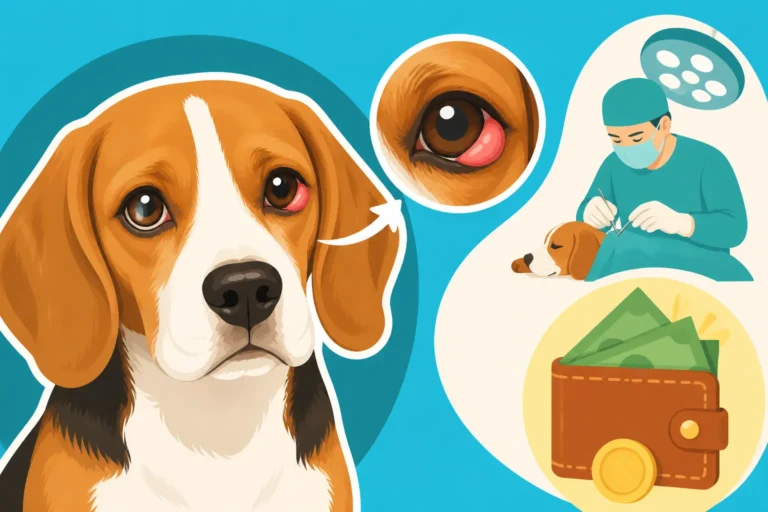
Imagine bringing home that adorable, cheaper Beagle puppy, only to find out a few years later that it's suffering from severe hip dysplasia, requiring expensive surgeries and lifelong pain management. Or perhaps your sweet pup starts having seizures, leading to an Idiopathic Epilepsy in Beagles From Six Months to Six Years diagnosis that means years of costly medication, specialized veterinary visits, and diagnostic tests. These are not minor expenses; a single MRI for a disc issue or surgery for hip dysplasia can run into thousands of dollars, far exceeding the initial savings on the puppy itself.
Consider what it costs to manage Beagle epilepsy with anti-seizure medication for an epileptic Beagle, which often requires regular blood work to monitor liver function. Or dealing with chronic Beagle ear infections under those long ears, which can become a recurring expense if not properly managed. This is where pet insurance becomes invaluable, but it's important to know that many policies, even from providers like Healthy Paws, will consider pre-existing conditions if the diagnosis happens before coverage starts or during a waiting period. Investing in a puppy from health-tested lines is a proactive measure against these potentially devastating financial and emotional burdens.
Training and Behavioral Challenges
Beyond health, a cheaper puppy often means a puppy with less optimal early life experiences, which can manifest as significant behavioral challenges. Reputable breeders dedicate time to early neurological stimulation, proper socialization, and appropriate exposure to novel stimuli. Puppies from these environments are typically more resilient, adaptable, and easier to train.
In contrast, a puppy raised in isolation, a crowded kennel, or without consistent positive human interaction might develop fear, anxiety, or reactivity. A Beagle puppy chewing through everything or struggling with house training are common issues, but more severe problems like separation anxiety or aggression can arise. These issues often necessitate professional training, which can be expensive. Hiring a certified professional dog trainer can cost hundreds or even thousands of dollars, depending on the severity and duration of the issues.
Even basic puppy training, like overcoming Beagle puppy teething and hard mouthing, is much easier when a puppy has a stable foundation. While you can certainly buy training supplies from places like Chewy or even consider healthy, portion-controlled food from services like Ollie for training rewards, no amount of gear or treats can fully compensate for a poor start in life. The investment in a well-bred, well-socialized puppy minimizes these behavioral risks, making training a more rewarding experience for both you and your dog.
Breeder Support and Guarantees
A significant, yet often overlooked, part of the $2,000 price tag is the ongoing relationship and support you get from a reputable breeder. This isn't just about signing a contract; it's about having an experienced mentor who knows the breed inside and out, understands their specific quirks, and has a vested interest in the well-being of the dogs they produce.
When you buy a cheaper puppy, you're usually on your own. If your pup develops a health issue, or you have questions about behavior, diet, or training, the backyard breeder or pet store might be unwilling or unable to help. You'll be left to navigate these challenges by yourself, relying on internet searches or expensive professional help.
An ethical breeder, on the other hand, will be there for you. They’ll likely have clauses in their contract stating they must be contacted if you ever need to rehome your Beagle, demonstrating their lifetime commitment to their dogs. They can offer invaluable advice on everything from Beagle Puppy Teething and Hard Mouthing to Beagle Crate Size and Crying Through the Night or even Beagle Allergy Testing and Immunotherapy Bills if a skin issue arises. This kind of ongoing support is truly priceless and can be the difference between a frustrating, lonely ownership experience and a supported, joyful one.
| Feature | $1,000 Beagle Puppy (Typical) | $2,000 Beagle Puppy (Expected) |
|---|---|---|
| Breeder Type | Backyard breeder, accidental litter, pet store | Reputable, ethical hobby breeder |
| Parent Health Testing | Minimal or none (high risk of genetic conditions) | Extensive (OFA, eye, MLS, CHIC), verifiable results |
| Pedigree/Registration | Unlikely or basic without health verification | AKC registered with full pedigree, health clearances visible |
| Initial Vet Care | Basic shots, deworming, possibly no vet check | Multiple rounds of vaccinations, deworming, full vet check |
| Socialization | Inconsistent, limited exposure (higher behavioral risk) | Extensive, raised in stimulating home environment |
| Health Guarantee | Limited or none | Comprehensive, 1-2 year genetic health guarantee |
| Breeder Support | Little to none after purchase | Lifelong mentorship, take-back clauses |
| Expected Temperament | Variable, potential for anxiety/reactivity | Generally stable, confident, well-adjusted |
| Long-Term Costs | Higher risk of significant vet bills, training costs | Lower risk of genetic issues, better foundation for training |
Making an Informed Decision for Your Family
Choosing a Beagle puppy is a momentous decision, and it’s important to remember that you are committing to a companion for the next 12-15 years. While the initial cost can feel steep, viewing it as an investment in your dog's future health and well-being, and by extension, your own peace of mind, is crucial.
Researching Reputable Beagle Breeders
Finding a reputable breeder is the single most important step in acquiring a healthy, well-adjusted Beagle. Don't be swayed by convenience or a slightly lower price. Start your search by looking for breeders who are actively involved in the Beagle community, such as the National Beagle Club. They often have strict health recommendations and can provide referrals.
Look for breeders who:
- Are transparent about their breeding practices and welcome questions.
- Are happy to show you their facilities, the parent dogs, and the litter’s living environment.
- Conduct all recommended health clearances on their breeding stock. This includes Beagle Health Testing Under CHIC, which usually involves hip, eye, and MLS testing. They should have no problem providing documentation for these tests.
- Prioritize temperament and proper socialization for their puppies from day one.
- Have a waiting list. Good breeders are in high demand and don't always have puppies readily available.
- Provide a written contract that outlines health guarantees, spay/neuter agreements, and their commitment to taking the dog back if needed.
- Are passionate about Beagles and want to ensure their puppies go to loving, responsible homes. They will likely ask you a lot of questions!
Asking the Right Questions
Once you’ve identified potential breeders, don't be shy about asking detailed questions. This is your opportunity to gather information and assess their practices. Here are some essential questions to include:
- What health clearances have been performed on the sire and dam (parents), and can I see the documentation (e.g., OFA certificates, MLS DNA test results)?
- What is the puppy’s veterinary history (vaccinations, deworming, vet checks)?
- What is your philosophy on puppy socialization and early training? How are the puppies raised?
- What kind of support do you offer after I take the puppy home?
- Can I meet the puppy’s parents? What are their temperaments like?
- What is included in the puppy's price (registration, health guarantee, microchip)?
- What is your return policy or rehoming assistance if circumstances change?
- How long have you been breeding Beagles?
A reputable breeder will appreciate your thoroughness and be happy to answer these questions honestly and openly. Their answers will help you discern the value you're receiving for the price, going far beyond just the initial cost of the puppy itself. Remember, an investment in a well-bred Beagle is an investment in a lifetime of companionship, fewer potential health woes, and a much more harmonious home environment.
Disclaimer
The information provided in this article is for general informational purposes only and does not constitute veterinary advice. Always consult with a qualified veterinarian for any health concerns or before making any decisions about your pet's health or treatment.