Beagle Grooming and Ear Care Supplies
Beagle parents often find themselves surprised by the unique grooming challenges that come with these merry little hounds. It's easy to think a short-coated dog is "low maintenance," but between the notorious shedding, the ever-present threat of ear infections lurking under those adorable long flaps, and the general dirt magnet tendencies of a scent hound, keeping your Beagle looking and feeling its best requires more than just a quick wipe-down. This guide will walk you through all the essential supplies and routines you'll need to confidently tackle your Beagle's grooming needs, ensuring they stay healthy, comfortable, and smelling sweet.
Understanding Your Beagle's Unique Grooming Needs
Many first-time Beagle owners quickly realize that while their dog's coat is short, it's far from "easy." The unique characteristics of a Beagle's anatomy and natural instincts dictate a specific approach to grooming and care. Ignoring these nuances can lead to persistent problems, from endless dog hair coating your home to recurring health issues that are both uncomfortable for your pup and costly for your wallet.
The Beagle's Double Coat and Shedding Cycles
Your Beagle's coat is a marvel of evolutionary design, perfectly adapted for its original purpose of tracking scents through varied terrain. It's a dense, water-resistant double coat, meaning it has a softer, insulating undercoat beneath a coarser, protective outer layer. While it might not seem as prominent as a Husky's or a Golden Retriever's, this double coat sheds—and it sheds a lot. Most Beagles shed year-round, but you'll notice significant "coat blows" twice a year, usually in spring and fall, as they adapt to seasonal temperature changes. During these times, it can feel like you're constantly battling a furry avalanche in your home. The frustration of finding Beagle hair clinging to everything, from your clothes to your furniture, is a common lament among owners.
Why Those Droopy Ears Need Special Attention
Perhaps the most iconic feature of a Beagle, those long, pendulous ears, are also their Achilles' heel when it comes to grooming and health. Because they hang down, they create a warm, moist, dark environment within the ear canal – the perfect breeding ground for bacteria, yeast, and even mites. Air circulation is limited, which means any moisture that gets in (from bathing, swimming, or even humidity) tends to stay in. This anatomical design makes Beagles particularly prone to ear infections. You might notice your dog shaking their head, scratching at their ears, or a foul odor emanating from them. These recurring issues are not only incredibly uncomfortable for your Beagle but can also lead to chronic pain and expensive vet visits if not managed proactively. It's a constant battle to keep those ears healthy and clean. To learn more about common ear issues, you can check out our article on Beagle Ear Infections Under Those Long Ears.
Skin Sensitivities and Common Issues
Beyond their coat and ears, Beagles can also be prone to various skin sensitivities. Many Beagles develop environmental allergies, reacting to pollen, dust mites, or certain grasses. Food allergies can also manifest as skin issues, leading to persistent itching, redness, and inflammation. When a Beagle scratches or licks excessively due to irritation, they can quickly develop "hot spots"—raw, moist, painful lesions that can become infected very rapidly. It's incredibly frustrating to see your beloved dog constantly scratching, unable to get comfortable, and trying various diets or medications with mixed results. Recognizing these underlying sensitivities is crucial for effective grooming and overall well-being. Keeping an eye out for these skin issues is important, and you can delve deeper into this topic with Beagle Skin Allergies and Constant Itching.
Essential Brushing and Deshedding Supplies
A solid grooming routine starts with the right tools to manage that dense, shedding coat. Don't underestimate the power of a good brush to keep your Beagle comfortable and your home a little less furry.
Choosing the Right Brushes for a Beagle's Coat
Given their short, double coat, Beagles benefit most from a specific selection of brushes. A rubber curry brush, often shaped like a mitt or with a comfortable handle, is fantastic for daily use. Brands like the Kong Zoom Groom are popular because their rubber bristles gently massage the skin, stimulating blood flow, while effectively grabbing loose hair from both the topcoat and undercoat. These are also great to use during bath time to really work shampoo through the coat and help release more loose fur. A slicker brush, with its fine, wire bristles, isn't usually necessary for tangle-prone Beagles but can be useful for removing any small mats that might form in the feathering around their legs or tail, though this is rare. Finally, a soft bristle brush can be used as a finishing tool to smooth the coat and distribute natural oils, leaving your Beagle looking sleek and shiny. The frustration of buying brushes that just don't seem to make a dent in the shedding is real, so choose wisely.
Deshedding Tools That Actually Work
When those seasonal coat blows hit, you'll need more than just a standard brush. An undercoat rake is a lifesaver for Beagles. It has longer, widely spaced teeth designed to penetrate the topcoat and gently pull out loose undercoat that would otherwise end up all over your furniture. Use it with caution and a light hand to avoid irritating the skin. Deshedding tools, often featuring a blade-like edge with tiny teeth, like those offered by Furminator, can be incredibly effective at removing large amounts of dead undercoat. However, they should be used sparingly and carefully, as over-use can damage the healthy topcoat. A good rule of thumb is to use these tools only when your Beagle is actively blowing their coat, not for daily grooming. For catching loose hair before it hits the floor, specialized vacuum attachments designed for pet hair can also be a game changer. Many online retailers like Chewy offer a wide array of these tools, making it easy to find what you need. It’s truly astounding how much hair these tools can remove, making you feel like you’re finally winning the battle against the shedding. For more detail on managing their fur, check out Beagle Shedding and the Two Coats Underneath.
Tips for Effective Brushing Sessions
To make grooming a positive experience for both you and your Beagle, consistency and technique are key. Aim for short, daily brushing sessions, even if it's just for five minutes. During heavy shedding periods, you might need to increase this to twice a day. Always brush in the direction of hair growth, using gentle, even strokes. Pay particular attention to the back, sides, and belly where hair tends to collect. Start these sessions when your Beagle is a puppy, associating brushing with positive reinforcement like treats and praise. This helps them learn to tolerate and even enjoy the process. If your Beagle is resistant, break it down into even shorter sessions and gradually increase the duration. The frustration of a wiggly dog who dislikes grooming can be overcome with patience and positive reinforcement. Remember, a clean brush is an effective brush, so remove accumulated hair after each session.
Bathing and Coat Care Essentials
Bathing a Beagle is more than just getting them wet; it’s about choosing the right products and techniques to maintain their skin and coat health, especially with those delicate ears.
Shampoos and Conditioners for Beagle Skin
Selecting the right shampoo and conditioner is paramount, especially if your Beagle has sensitive skin or allergies. Look for hypoallergenic, soap-free formulas that won't strip their natural oils. Oatmeal-based shampoos are excellent for soothing dry, itchy, or irritated skin. If shedding is a major concern, you can find deshedding shampoos designed to help release dead undercoat, making subsequent brushing more effective. Always opt for products specifically formulated for dogs, avoiding harsh chemicals, artificial dyes, and strong fragrances that can exacerbate skin issues. Many reputable brands offer excellent options; just be sure to read ingredient lists carefully. Using the wrong products can undo all your hard work and leave your Beagle's skin feeling worse than before.
The Art of Bathing a Beagle
Bathing a Beagle doesn't need to be a weekly affair; typically, every 4 to 8 weeks is sufficient, or as needed if they've rolled in something particularly pungent. Over-bathing can dry out their skin and strip essential oils. Before you even get them wet, give your Beagle a thorough brush to remove as much loose hair as possible. Use lukewarm water, thoroughly wet their coat, and then apply shampoo, working it into a lather. The most crucial step is rinsing. Beagles have dense coats, and any shampoo residue left behind can cause skin irritation, itching, and flakiness. Rinse, rinse, and then rinse again until the water runs completely clear and you can't feel any suds. After rinsing, gently squeeze excess water from their coat and towel dry vigorously. For those sensitive ears, ensure they are thoroughly dried afterward to prevent moisture from getting trapped, which can lead to infections. A dog-specific blow dryer on a cool or low setting can speed up the drying process for the body, but be extra careful around the ears and face. The "wet dog smell" is often intensified if the coat isn't dried properly, adding to the frustration!
Post-Bath Care and Spot Treatments
Once your Beagle is clean and dry, consider some finishing touches. A light coat spray can add shine, help with static, and keep their coat looking fresh between baths. For dry elbows or cracked paw pads, a good quality paw balm can provide soothing relief and protection. During colder months or after long walks, these balms become invaluable for protecting delicate paw pads. It's also worth remembering that skin and coat health are often a reflection of internal health. A balanced diet, like those offered by services such as Ollie, can contribute significantly to a lustrous coat and healthy skin from the inside out. Don't underestimate the power of nutrition in your grooming regimen. Sometimes, despite all your efforts, your Beagle might still develop dry spots or dull fur, and this is where looking at their diet can make a real difference.
Deep Dive into Beagle Ear Care
As we mentioned, those adorable floppy ears are a hotspot for trouble. Regular, proactive ear care is non-negotiable for a Beagle to prevent painful and persistent infections.
Essential Ear Cleaning Solutions and Wipes
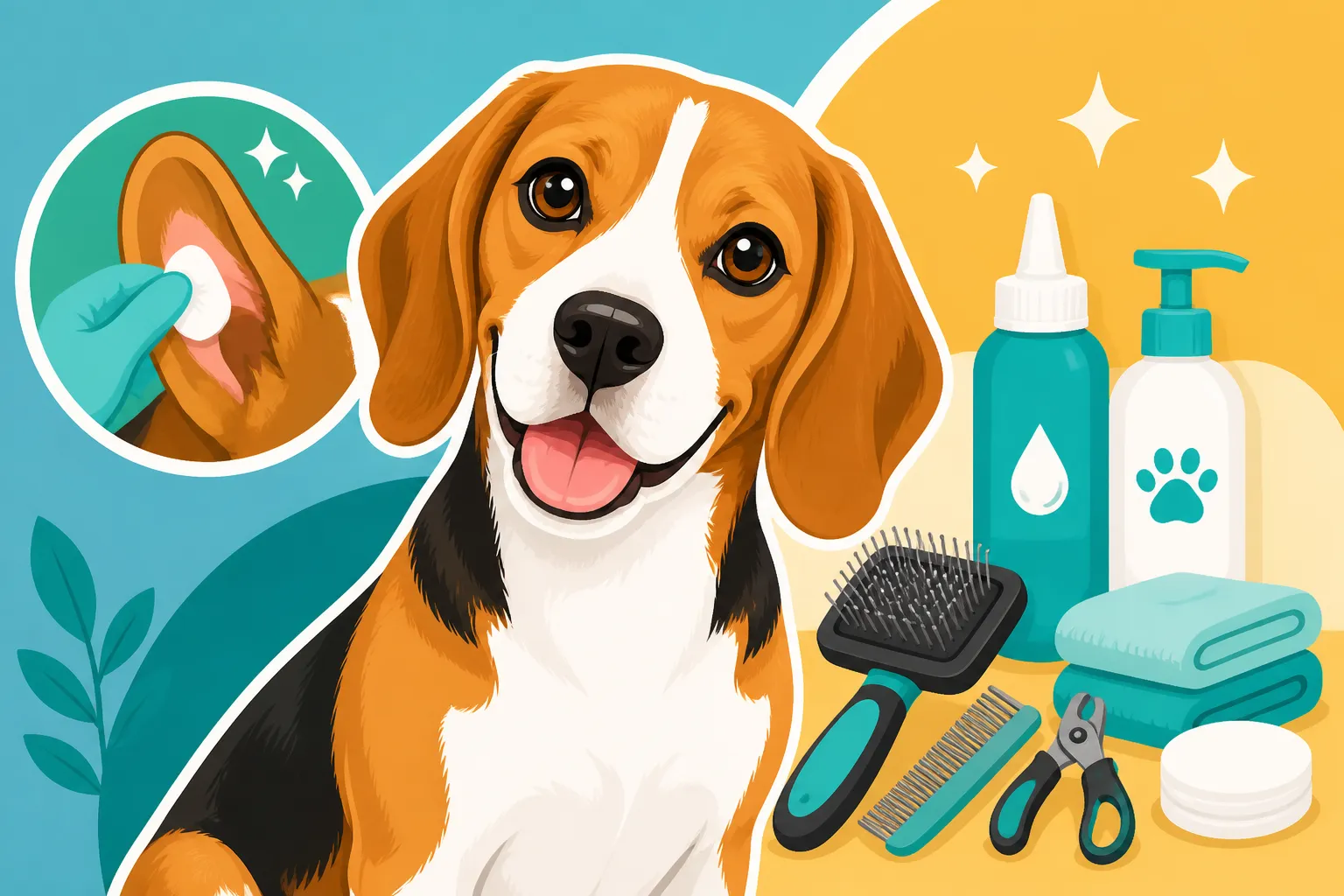
The first rule of Beagle ear care is to use the right products. You'll need an ear cleaning solution specifically designed for dogs. Look for formulas that are alcohol-free to prevent irritation, and ideally contain gentle drying agents and mild antiseptics to discourage microbial growth. Avoid harsh chemicals or anything with a strong fragrance. For quick clean-ups of the outer ear flap or between deeper cleanings, dog-specific ear wipes can be handy. Never use human ear drops or hydrogen peroxide, as these can be harmful. The key is to find a solution that effectively cleans without causing discomfort. It can be frustrating trying to figure out which product is best, but a quick chat with your vet can provide excellent recommendations. For example, many vets recommend brands like Epiotic or TrizULTRA + Keto for routine cleaning.
The Step-by-Step Ear Cleaning Routine
Cleaning your Beagle's ears might seem intimidating at first, but with practice, it becomes a routine task. First, gather your supplies: your chosen ear cleaning solution and plenty of cotton balls or cotton pads. Never use Q-tips as they can push debris further into the ear canal or even damage the eardrum.
- Prepare: Gently lift your Beagle's ear flap, holding it open to expose the ear canal.
- Apply Solution: Carefully fill the ear canal with the cleaning solution. Don't be shy; you want to get enough in there to loosen debris.
- Massage: Gently massage the base of the ear for 20-30 seconds. You should hear a squishy sound as the solution works its magic. This helps break up wax and dirt.
- Allow Shake: Stand back and let your Beagle shake their head vigorously. This is a natural and effective way for them to dislodge gunk from deeper in the canal. You might want to do this in an easy-to-clean area!
- Wipe Clean: Use a fresh cotton ball or pad to gently wipe away any visible debris and excess solution from the outer ear and the folds of the ear flap. Continue with clean cotton balls until no more dirt appears.
This routine should be done weekly, or more frequently if your Beagle loves swimming or is prone to infections. It's a bit messy, but it's vital. To understand the proper frequency, refer to How Often a Beagle's Ears Need Cleaning.
Recognizing and Preventing Ear Infections
Prevention is always better than cure, especially with Beagle ears. Regularly inspect your Beagle's ears for any signs of trouble: redness, swelling, a foul smell, dark brown or yellow discharge, excessive head shaking, scratching, or sensitivity to touch. These are all indicators of a developing ear infection. If you notice any of these symptoms, it's crucial to contact your veterinarian promptly. While regular cleaning helps prevent infections, once an infection has taken hold, it requires professional medical treatment, usually with prescription ear drops or oral medication. Self-treating an active infection can make it worse or delay proper diagnosis. Keeping the ears dry, especially after baths or swims, is also a key preventive measure. Chronic ear infections can be incredibly frustrating and expensive, leading some owners to seek out pet insurance plans like Healthy Paws, which can help cover the cost of repeated vet visits and medications for these persistent issues. Early recognition and veterinary intervention are essential. You can learn more about specific signs in Beagle Ear Infection Symptoms to Catch Early.
| Grooming Task | Recommended Frequency | Key Supplies | Common Frustrations |
|---|---|---|---|
| Brushing | Daily to Every Other Day | Rubber curry brush, undercoat rake, bristle brush | Endless shedding, dog dislikes brushing, hair everywhere |
| Bathing | Every 4-8 weeks, or as needed | Dog-specific shampoo/conditioner, towels, paw balm | Wet dog smell, incomplete rinsing, fear of over-drying |
| Ear Cleaning | Weekly | Dog ear cleaning solution, cotton balls/pads | Dog resisting, fear of hurting dog, recurrent infections |
| Nail Trimming | Every 2-4 weeks | Clippers or grinder, styptic powder | Cutting the quick, dog's fear/resistance, black nails |
| Teeth Brushing | Daily to 3x/week | Dog toothbrush, enzymatic dog toothpaste | Dog resisting, persistent bad breath |
| Paw Pad Checks | Weekly | Paw balm | Cracked pads, limping, foreign objects |
Nail Trimming and Paw Maintenance
Beyond the coat and ears, your Beagle's paws also require consistent attention to ensure their comfort and mobility. Long nails can cause pain, affect gait, and even lead to skeletal issues over time.
Choosing the Right Nail Trimmers and Grinders
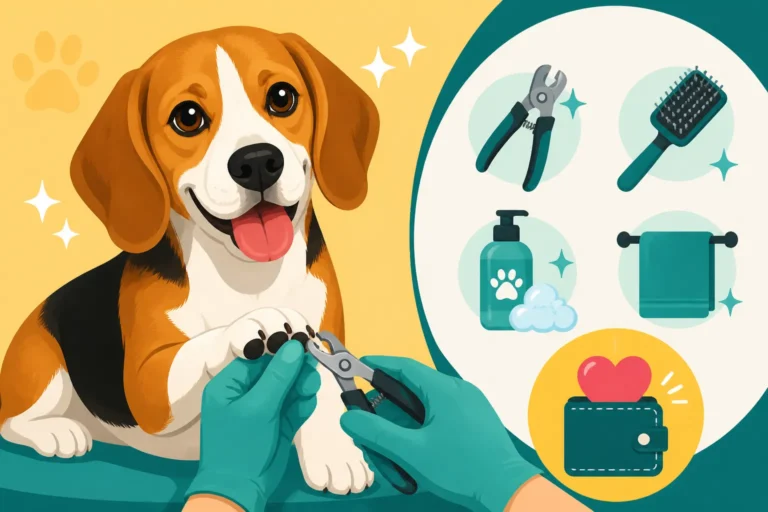
When it comes to nail trimming, you have a couple of primary options. Traditional clippers come in two main styles: guillotine-style, where you insert the nail into a hole, and scissor-style, which operate like a pair of pliers. For Beagles, whose nails are often quite sturdy, a good quality, sharp pair of scissor-style clippers is often effective. However, many owners find nail grinders (Dremel-style tools designed for pets) to be less intimidating. Grinders slowly file the nail down, reducing the risk of cutting too much off and hitting the "quick"—the sensitive part of the nail containing blood vessels and nerves. Whichever tool you choose, having styptic powder on hand is essential. This powder quickly stops bleeding if you accidentally nick the quick, which can happen to anyone, even experienced groomers. The fear of causing pain is a major frustration for many owners, making them hesitant to trim nails at all.
The Nail Trimming Technique and Frequency
Ideally, your Beagle's nails should be trimmed every 2 to 4 weeks, or whenever you hear them clicking on hard floors. If your Beagle is particularly active on rough surfaces, their nails might wear down naturally, requiring less frequent trims.
- Using Clippers: Hold your Beagle's paw firmly. For light-colored nails, you can often see the pink quick through the nail. You want to trim just beyond this. For dark nails, which are common in Beagles, you'll need to trim off small slivers at a time, looking for a grey or white center, and stopping before you see a black dot, which indicates you're close to the quick. Angle the clippers to follow the natural curve of the nail.
- Using a Grinder: Turn the grinder on before approaching your dog to get them used to the sound. Use short bursts, filing a little at a time, moving the grinder from side to side on the tip of the nail. Be careful not to hold it on one nail for too long, as friction can create heat and cause discomfort.
Just like brushing, start nail trims when your Beagle is young and use lots of praise and high-value treats to create a positive association. If your Beagle resists, make it a gradual process, trimming just one or two nails at a time over several days. For Beagles with dark nails, learning to Trimming Black Beagle Nails You Cannot See Through is a skill worth developing.
Paw Pad Care for Active Beagles
Beagles are active dogs, and their paw pads take a beating from daily walks, runs, and exploring. Regularly check their paw pads for any signs of cracking, cuts, foreign objects (like burrs or small stones), or irritation. During winter, salt and ice can be particularly harsh on pads, and in summer, hot pavement can cause burns. A good quality paw balm can help keep pads moisturized and pliable, preventing cracks. Brands like Musher's Secret or Burt's Bees offer excellent natural options. If your Beagle will tolerate them, dog boots can offer protection in extreme weather or on rough terrain. If you notice persistent limping, excessive licking of the paws, or open sores, it's time for a vet visit. Preventing minor issues from becoming painful problems is key to keeping your Beagle comfortable on their feet. You can find more specific advice about this at Beagle Paw Pad Cracks After Field Walks.
Dental Health and Other Grooming Considerations
Grooming extends beyond just the visible coat and ears; internal health, particularly dental health, is a critical component of your Beagle's overall well-being.
Essential Dental Care Supplies
Periodontal disease is incredibly common in dogs, and Beagles are no exception. Without proper dental care, plaque and tartar build up, leading to painful infections, tooth loss, and even systemic health issues. The most effective way to combat this at home is through regular brushing. You'll need a dog-specific toothbrush – these come in various sizes, including finger brushes that fit over your fingertip, or traditional long-handled brushes. Crucially, you must use enzymatic dog toothpaste; human toothpaste contains ingredients that are toxic to dogs. Flavored dog toothpastes (chicken, beef, peanut butter) can make the experience more palatable for your pup. Dental chews and water additives can be supplementary aids, but they are not a replacement for manual brushing. They can help reduce plaque but don't offer the comprehensive cleaning that a brush does. For more details on this topic, consider reading Beagle Dental Disease and Tartar Buildup.
Daily Brushing and Professional Cleanings
Aim to brush your Beagle's teeth daily, or at least several times a week, to effectively prevent plaque accumulation. Introduce brushing slowly, starting by letting them taste the toothpaste, then gradually adding a finger brush, and eventually a proper toothbrush. Focus on the gumline, where plaque tends to accumulate most, gently scrubbing the outer surfaces of their teeth. Even a few minutes of consistent brushing can make a significant difference. You'll notice a marked improvement in their breath and gum health. Despite diligent home care, most Beagles will eventually require professional dental cleanings under anesthesia at their veterinarian's office. These cleanings allow the vet to scale away tartar above and below the gumline and address any underlying issues like diseased teeth or gum inflammation. Your vet will recommend the appropriate frequency for these cleanings based on your Beagle's individual needs. Learning to brush effectively is covered in Brushing a Beagle's Teeth Properly.
Eye Wipes and Anal Gland Care
While Beagles typically don't suffer from excessive tear staining like some flatter-faced breeds, occasional eye wipes can be useful. Use a soft, damp cloth or dog-specific eye wipe to gently clean any crust or debris from around their eyes. Always wipe away from the eye, using a fresh part of the cloth for each eye to prevent cross-contamination.
Finally, a less glamorous but sometimes necessary aspect of Beagle care involves their anal glands. These two small glands on either side of the anus secrete a smelly liquid that usually expresses naturally when your dog defecates. However, sometimes they can become impacted or infected, leading to discomfort. If you notice your Beagle scooting their bottom across the floor, excessively licking their rear, or a strong, fishy odor, their anal glands might need attention. This is usually a job for your veterinarian or a professional groomer, as improper expression can cause further problems. Knowing these subtle signs is part of being a vigilant and empathetic Beagle owner. You can learn more about this specific issue in Beagle Anal Glands and Scooting on the Carpet.
Disclaimer
The information provided in this article is for general informational purposes only and is not a substitute for professional veterinary advice. Always consult with a qualified veterinarian for any health concerns or before making any decisions about your Beagle's medical care or diet.