Why a Beagle Eye Exam Needs an Ophthalmologist
Your sweet-faced Beagle, with those famously soulful eyes, brightens every day. But when those eyes start showing signs of trouble – maybe a little redness, a squint you didn't see yesterday, or a discharge that won't clear up – it can be incredibly worrying. While your regular veterinarian is an indispensable partner in your dog's overall health, there are specific times when a specialized veterinary ophthalmologist isn't just helpful, but absolutely essential for safeguarding your Beagle's precious sight and comfort. This guide is here to explain exactly why their expert care is often a necessity.
Why Beagle Eyes Are Particularly Vulnerable
It’s easy to get lost in those big, soft Beagle eyes, but beyond their charming appearance, there are specific anatomical features and genetic predispositions that make them more prone to certain eye conditions. Understanding these vulnerabilities is the first step in ensuring your furry friend receives the best possible care when issues arise.
The Anatomy of a Beagle's Eye and Breed-Specific Traits
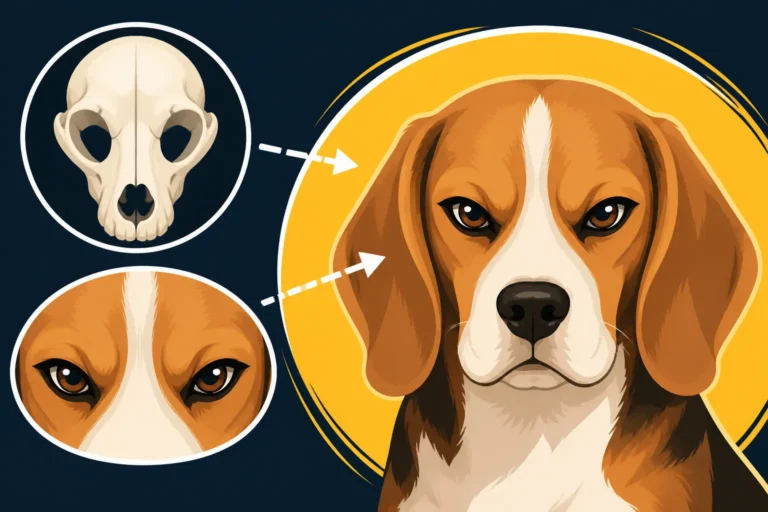
Beagles possess a unique set of physical traits that, while contributing to their adorable look and working abilities, can also make their eyes more susceptible to problems. Their eyes are often slightly prominent, which means they can be more exposed to environmental hazards. Imagine your Beagle, nose to the ground, diligently following an invisible scent trail; their eyes are constantly at the level of dust, allergens, twigs, and other irritants that could easily cause a scratch or introduce infection. This constant exposure is a fundamental part of their Beagle nature, but it does mean their eyes face a higher daily risk than, say, a dog with deeply set eyes.
Furthermore, the structure of their eyelids and tear drainage systems can present challenges. Some Beagles might experience conditions where the eyelids roll inward (entropion), causing eyelashes to rub against the cornea, or roll outward (ectropion), which can lead to inadequate tear distribution and chronic dryness or irritation. These are not always immediately obvious and can manifest as subtle, persistent discomfort rather than a sudden, dramatic injury. A general vet might observe these, but truly understanding the biomechanics and the potential for long-term damage, let alone surgical correction, requires a depth of knowledge that only a specialist typically possesses. These isn't unique to Beagles, but they are certainly seen in the breed.
Genetic Predispositions and Inherited Conditions
Like many purebred dogs, Beagles carry a genetic blueprint that, unfortunately, includes predispositions to certain inherited eye conditions. This isn't a flaw in your individual dog, but rather a characteristic of the breed's lineage that responsible owners and breeders must be aware of. Conditions like certain types of glaucoma, cataracts, or progressive retinal atrophy (PRA) can have a genetic component within the Beagle population. While not every Beagle will develop these diseases, the breed is indeed recognized as being susceptible to them.
This inherent risk is precisely why reputable Beagle breeders are so diligent about performing specific health screenings on their breeding stock. These often include comprehensive eye exams conducted by a board-certified veterinary ophthalmologist, with results frequently registered with organizations like the Orthopedic Foundation for Animals (OFA) as part of the Canine Health Information Center (CHIC) program. This foresight is crucial for identifying and minimizing the passage of these inherited conditions down the generations. When you're looking for a puppy, asking about the parents' certifications for conditions like those listed in Beagle Eye Conditions and the Board-Certified Exam is a non-negotiable step. Without such due diligence, a seemingly healthy puppy could be carrying a hidden risk that only manifests as serious vision problems years down the line, catching an owner completely off guard.
Common Beagle Eye Conditions Demanding Specialist Attention
While a general vet can diagnose and treat many common eye irritations, certain conditions in Beagles are complex enough to warrant the specialized knowledge and equipment of a veterinary ophthalmologist. These aren't just minor annoyances; they can seriously impact your Beagle's vision and quality of life if not managed expertly.
Understanding Cherry Eye and Glaucoma in Beagles
One of the more visually startling eye conditions a Beagle owner might encounter is "cherry eye." This occurs when the gland of the third eyelid, normally tucked away, prolapses and pops out, appearing as a red, fleshy mass in the corner of your Beagle's eye. It looks alarming, and it is an emergency because the exposed gland can dry out and become irritated, potentially leading to discomfort and secondary infections. While some general veterinarians might attempt a simpler "tucking" procedure, a veterinary ophthalmologist has specialized techniques designed to meticulously reposition the gland and secure it, significantly increasing the chances of preserving its vital tear-producing function and preventing recurrence. This preservation is critical, as the third eyelid gland produces a significant portion of the eye's aqueous tears. An improperly performed surgery or simply removing the gland can lead to a chronic, lifelong battle with dry eye.
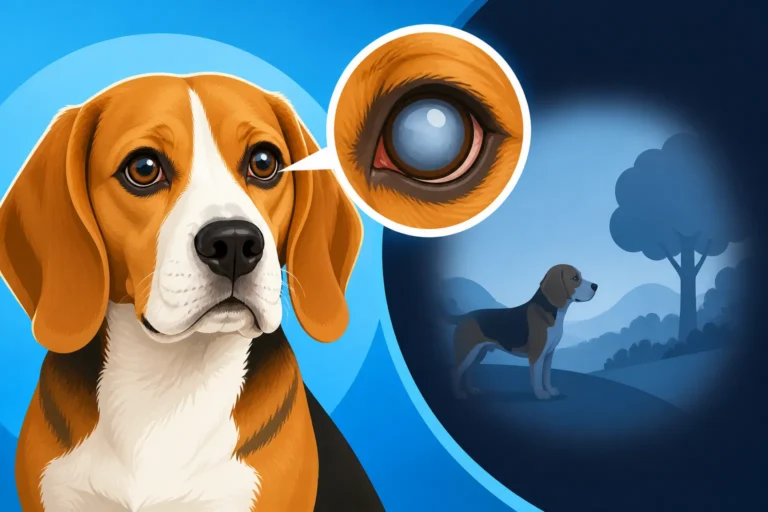
Even more insidious and potentially devastating than cherry eye is glaucoma, a condition characterized by increased pressure within the eye. If this pressure isn't swiftly and effectively managed, it can lead to irreversible damage to the optic nerve and, ultimately, blindness. Beagles are, unfortunately, among the breeds known to be predisposed to primary open-angle glaucoma. The early signs can be incredibly subtle – a slight cloudiness in the eye, a bit of redness that seems to come and go, or your Beagle rubbing their eye more frequently. By the time the signs are obvious to the untrained eye, significant and irreparable vision loss might have already occurred. This is where a specialist's expertise truly shines; they use specialized equipment like tonometers to measure intraocular pressure with precision, allowing for early diagnosis and intervention. For more detailed insights into these urgent conditions, you can consult Beagle Cherry Eye and Glaucoma.
Dry Eye, Eyelash Issues, and More Subtle Concerns
Beyond the more dramatic presentations, Beagles can also suffer from chronic or subtle eye issues that, while less flashy, are no less debilitating over time. Keratoconjunctivitis Sicca (KCS), commonly known as "dry eye," is one such condition. This occurs when the eye doesn't produce enough tears to keep itself adequately lubricated, leading to chronic irritation, persistent redness, thick discharge, and, if left untreated, potential damage and scarring to the cornea. Imagine having a constant gritty sensation in your own eye – that's the daily reality for a dog with untreated KCS. While a general vet can initiate treatment with tear-stimulating drops, an ophthalmologist can perform more precise diagnostic tests, like the Schirmer Tear Test, and develop a more nuanced, long-term management plan that often includes ongoing monitoring and adjustments to medication. What might appear to be a recurring eye infection can often be chronic dry eye masquerading as something else. For comprehensive advice on managing this condition, check out Beagle Dry Eye and Daily Drops.
Furthermore, Beagles can be affected by various eyelash abnormalities that, despite their tiny size, can cause immense discomfort and damage. Conditions like distichiasis involve extra eyelashes growing from the eyelid margin, often rubbing directly against the eye's surface, while ectopic cilia are eyelashes that grow inwards through the conjunctiva, causing severe irritation to the cornea. These seemingly minor issues can lead to persistent pain, corneal ulcers, and scarring if they go unaddressed. A general vet might miss these tiny, offending hairs, or might not have the specialized tools for their precise removal or for advanced treatments like cryosurgery (freezing the hair follicles). A veterinary ophthalmologist, however, is expertly trained to detect these elusive culprits and provide definitive treatment, preventing chronic pain and preserving corneal health. These "minor" irritations can escalate into major problems if not handled by a specialist, as detailed in Beagle Eyelash Problems That Scratch the Cornea.
The Unmatched Expertise of a Veterinary Ophthalmologist
When it comes to the intricate and delicate structures of the eye, having a specialist on your side can make all the difference. The level of training, diagnostic capabilities, and treatment options available through a veterinary ophthalmologist far exceed what a general practice can typically offer.
Specialized Training and Diagnostic Tools
Your primary care veterinarian is truly a remarkable individual, a medical generalist who navigates a vast array of health issues, from routine vaccinations and skin allergies to internal medicine and basic surgical procedures. They are your first line of defense and an invaluable resource. However, just as you would seek out an orthopedic surgeon for a complex joint injury rather than your family doctor, there are moments when your Beagle's eyes demand a depth of knowledge and a precision of care that only a specialist can provide. Veterinary ophthalmologists undergo years of intensive training beyond their standard veterinary degree, completing a rigorous residency program solely focused on the intricate diseases and surgical procedures of the eye. This makes them absolute experts in their field, possessing an unparalleled understanding of ocular anatomy, physiology, and pathology.
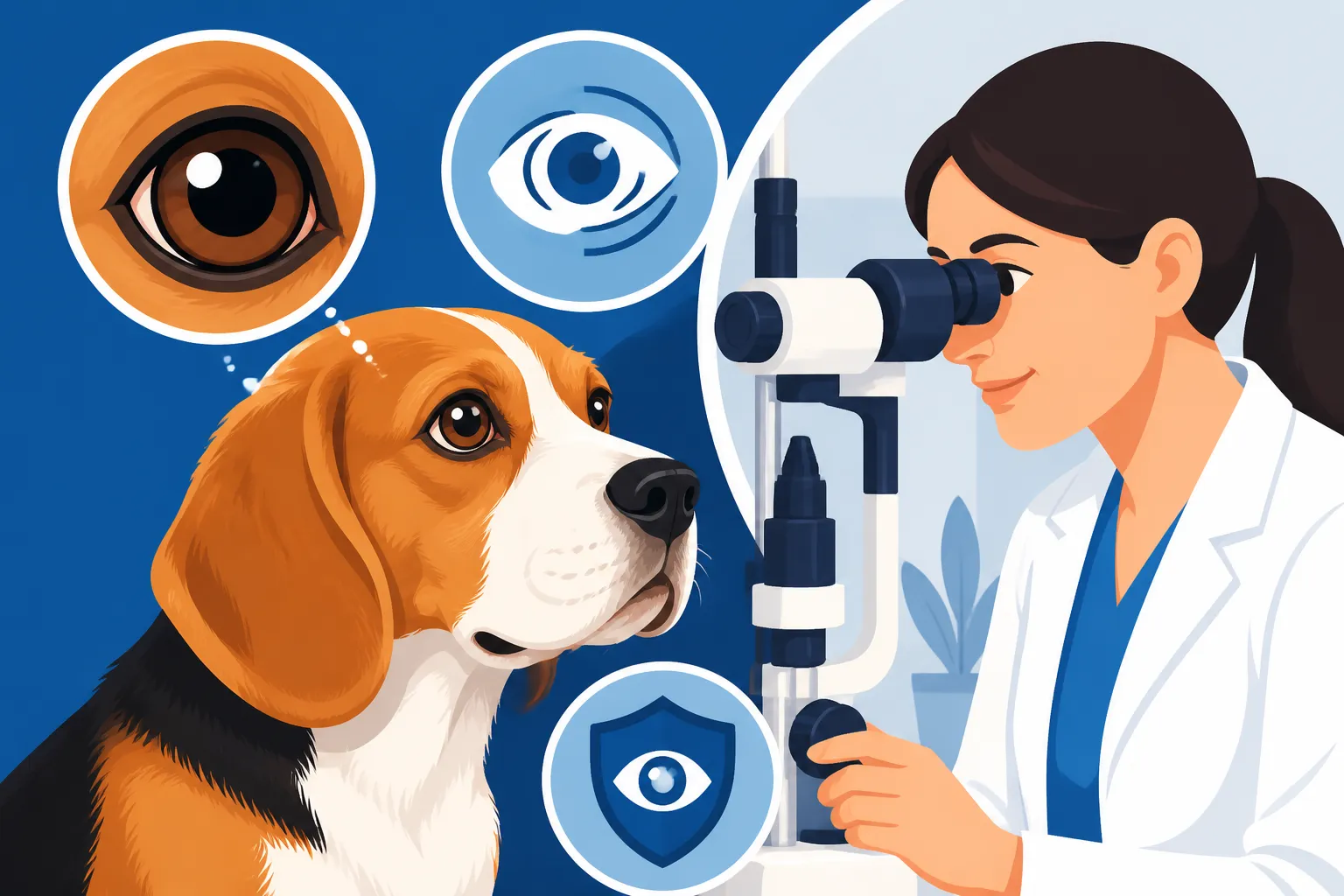
This specialized training is coupled with access to, and proficiency in using, an array of advanced diagnostic equipment that most general practices simply do not have on hand. We’re talking about sophisticated tools like slit lamps, which provide magnified, three-dimensional views of the eye’s internal structures; state-of-the-art tonometers for highly accurate intraocular pressure measurements, vital for catching early signs of glaucoma; gonioscopy lenses to examine the crucial drainage angle of the eye; and even ocular ultrasounds that can visualize structures behind the pupil that are otherwise hidden. This cutting-edge technology allows for much earlier, more precise, and far more confident diagnoses, which can be the critical factor in preserving your Beagle's vision and comfort over the long term, especially with chronic conditions.
Advanced Treatment Options and Surgical Capabilities
When a diagnosis is made, particularly one requiring advanced medical or surgical intervention, a veterinary ophthalmologist's capabilities are truly unmatched. They routinely perform delicate microsurgeries with specialized instruments, often working under the high magnification of an operating microscope. Procedures such as cataract surgery, where a cloudy lens is carefully removed and often replaced with an artificial intraocular lens, or complex corneal repairs, which might involve intricate grafts, are standard procedures for these specialists. Even what might seem like a straightforward cherry eye repair becomes an art form under their experienced hands, utilizing techniques designed for maximum success and minimal recurrence. These are not procedures that can be safely or effectively performed without a steady hand, years of specific practice, and dedicated, highly specialized equipment.
Furthermore, these specialists possess a profound understanding of ocular pharmacology. They know precisely which medications, in what formulations and concentrations, will be most effective for specific eye conditions, while also carefully considering potential side effects and drug interactions. This nuanced and targeted approach to treatment frequently leads to superior outcomes, providing your Beagle with a significantly higher quality of life. When your dog's ability to see and experience the world is at stake, entrusting their care to a dedicated specialist is the most prudent decision you can make. It's a significant investment, both emotionally and financially, but one that can yield immense dividends in your dog's ongoing comfort and health. For those concerned about the financial implications of such specialized care, it's worth exploring pet insurance. Many providers, including Healthy Paws, offer comprehensive plans that can cover a substantial portion of these specialist consultations, advanced diagnostics, and complex surgeries, making expert care more accessible when unexpected conditions arise.
Navigating Your Beagle's Eye Health Journey
Understanding when and how to seek specialized eye care for your Beagle is a crucial part of responsible pet ownership. It means knowing the signs to look for and being prepared for what an ophthalmologist's visit entails.
When to Seek a Specialist Referral
Deciding when to transition from your general vet's care to a specialist can feel like a big step, but often, it's about listening to your gut and observing persistent symptoms. Any sudden and noticeable changes in your Beagle's eyes—such as acute redness, unusual discharge, cloudiness that appears quickly, persistent squinting, or an increase in pawing or rubbing at their eyes—should prompt an immediate visit to your primary veterinarian. If these symptoms don't resolve quickly, worsen, or if your general vet indicates they believe the issue is beyond their current scope, then don't hesitate to ask for a referral to a veterinary ophthalmologist. Your primary vet will likely be the first to suggest this step if they feel a case is particularly complex or persistent.
Beyond acute issues, a specialist referral is highly recommended if your Beagle has a chronic eye condition that isn't responding well to standard treatments, or if your vet suspects a condition with a known genetic predisposition within the breed. This includes conditions like inherited cataracts, certain types of glaucoma, or progressive retinal atrophy, all of which require specific, advanced diagnostic tests and often long-term, specialized management strategies. Early intervention and ongoing care guided by an ophthalmologist can dramatically impact the prognosis and help preserve your Beagle's vision for as long as possible. Remember, as your Beagle enters its golden years, regular eye checks become an even more vital component of their overall Senior Beagle Care After the Age of Ten, as age can often usher in new or worsening ocular challenges. Even for general health, consider the impact of overall wellness on eye health, for example, Beagle Obesity Treated as a Health Problem can sometimes lead to secondary conditions like diabetes, which in turn can cause cataracts.
What to Expect at an Ophthalmologist Appointment
Once you've secured an appointment with a veterinary ophthalmologist, prepare for a thorough and often extensive examination. This isn't just a quick check; it's a deep dive into your Beagle's ocular health. The specialist will begin by taking a very detailed history from you, asking about the onset and progression of symptoms, any previous treatments, and inquiring about any family history of eye problems in your Beagle’s lineage. This comprehensive background helps them piece together the puzzle.
Following the history, the ophthalmologist will perform a meticulous eye exam, which might include several specialized tests:
- Visual Acuity Assessment: While dogs can't read charts, the specialist will observe your Beagle's navigation skills and responses to visual cues.
- Pupillary Light Reflex (PLR): Checking how your Beagle's pupils respond to light helps assess nerve function.
- Schirmer Tear Test: This simple strip test measures tear production over a minute, crucial for diagnosing dry eye.
- Fluorescein Stain: A special dye applied to the eye that highlights any corneal abrasions or ulcers, which glow under blue light.
- Tonometry: Using a special device (often a tonometer or Tonopen) to accurately measure the intraocular pressure within the eye, vital for screening and diagnosing glaucoma.
- Slit Lamp Biomicroscopy: A powerful microscope that allows for a highly magnified, detailed examination of the front structures of the eye, including the cornea, iris, and lens.
- Indirect Ophthalmoscopy: Using a bright light and special lenses, the specialist can examine the very back of the eye, including the retina and optic nerve.
It’s common for your Beagle to receive special eye drops to dilate their pupils during the exam, which allows for a better view of the retina. This might make their eyes sensitive to light for a few hours afterward, so having sunglasses or a shaded area ready for them is a good idea. Once the examination is complete, the specialist will thoroughly discuss their findings, provide a clear diagnosis, explain all available treatment options, and typically give you a detailed written treatment plan. They will also communicate directly with your primary veterinarian to ensure a seamless continuity of care. Planning for these specialist visits, both logistically and financially, is an important aspect of responsible Beagle ownership. Many pet insurance providers, like Healthy Paws, offer comprehensive plans that can significantly ease the financial burden of specialist consultations, advanced diagnostics, and necessary surgeries for conditions that might otherwise be prohibitively expensive, ensuring your Beagle gets the care they need without compromise. Additionally, understanding the prevalence and potential costs of conditions like Beagle Diabetes and Blood Sugar Control can prepare owners for issues that might affect eye health. For any owner planning on breeding, understanding The Eye Exam Required Before Breeding a Beagle is a non-negotiable step to maintain breed health. Lastly, knowing about Beagle Lifespan and the Twelve to Fifteen Year Range can help you understand the long-term commitment to their eye health throughout their life.
Disclaimer
The information provided in this guide is intended for general knowledge and informational purposes only, and does not constitute veterinary advice. Always consult with a qualified veterinarian or veterinary specialist for any health concerns or before making any decisions about your pet's medical care.