The Muscle Jerks That Signal Lafora in a Beagle
It's absolutely heartbreaking and incredibly unsettling to watch your beloved Beagle suddenly experience uncontrollable muscle jerks. One moment they might be sniffing around the yard or curled up on the couch, and the next, their body is twitching or jerking in a way that just isn't normal. This specific type of involuntary movement, often called myoclonus, can be a distressing sign of a severe neurological condition known as Lafora disease, especially in Beagles. This guide aims to shed light on what these muscle jerks signify, other symptoms to look for, and what steps you can take to understand and manage this challenging diagnosis.
Understanding Lafora Disease in Beagles
Lafora disease is a progressive, fatal neurological disorder, and sadly, it’s one that Beagles are particularly susceptible to due to a specific genetic mutation. It's not just a run-of-the-mill seizure disorder; it's caused by the accumulation of abnormal starch-like material, called Lafora bodies, within the brain and other organs. Imagine tiny, sticky clumps building up inside the cells, disrupting their normal function. Over time, these accumulations lead to a range of neurological symptoms, with the muscle jerks being one of the most prominent and earliest signs that many owners first notice.
This condition is an autosomal recessive inherited disorder, meaning a Beagle must inherit two copies of the defective gene – one from each parent – to develop the disease. If a Beagle only inherits one copy, they are considered a carrier and won't show symptoms, but they can pass the gene on to their offspring. This genetic component is why reputable breeders are so crucial in preventing the spread of this devastating disease. When you're looking at The MLS DNA Test Required for Beagle CHIC, for example, you're looking at a breeder who takes genetic health seriously. Knowing about conditions like Lafora helps us understand the importance of genetic testing in the breed.
The Genetic Link: Why Beagles Are Prone
The reason Beagles are so prone to Lafora disease lies deep within their genetic code. Specifically, a mutation in the EPM2B gene has been identified as the culprit. This gene provides instructions for making a protein involved in carbohydrate metabolism. When there's a mutation, this process goes awry, leading to the formation of those sticky Lafora bodies. It's a cruel twist of fate that our sweet-natured, scent-driven companions carry this particular vulnerability.
The prevalence of this gene in the Beagle population can be traced back through breeding lines, highlighting the importance of careful breeding practices to reduce the incidence. For many years, breeders and veterinarians didn't fully understand the cause of these late-onset seizures and muscle jerks, making it incredibly difficult to breed away from it. However, with the advent of genetic testing, we now have a powerful tool to identify carriers and affected dogs, offering hope for a future where fewer Beagles suffer from this condition. It really underscores Why Lafora Hits Beagles Harder Than Other Breeds compared to others.
How Lafora Differs from Idiopathic Epilepsy
It's easy for owners to get confused between Lafora disease and more common forms of epilepsy, especially Idiopathic Epilepsy in Beagles From Six Months to Six Years. Both involve seizures, but they are fundamentally different. Idiopathic epilepsy is often genetic but doesn't have an identifiable structural cause in the brain and typically presents with generalized tonic-clonic seizures (grand mal seizures). These usually start in younger dogs, often between six months and six years of age.
Lafora disease, on the other hand, is a specific form of what's called a progressive myoclonic epilepsy (PME). The hallmark isn't just generalized seizures, but those distinct muscle jerks (myoclonus), which can be quite subtle initially. Another key difference is the onset. While idiopathic epilepsy can appear relatively early, Lafora Disease Starting in a Five Year Old Beagle or even older is more common. It's a late-onset form of epilepsy, typically manifesting in Beagles around 5-6 years of age, sometimes even later, and progressively worsens over time. This makes it particularly heartbreaking, as you've often shared many wonderful years with your Beagle before these devastating symptoms begin.
Recognizing the Muscle Jerks and Other Signs
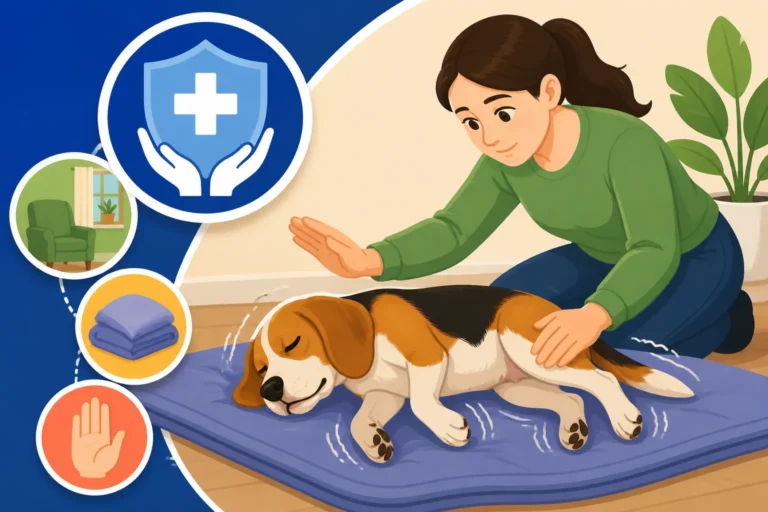
The muscle jerks, or myoclonus, are usually the first clear indicator of Lafora disease. They might be subtle at first – a slight twitch of a limb, a quick head bob, or a whole-body shudder that seems to come out of nowhere. As the disease progresses, these jerks become more frequent, intense, and can be triggered by external stimuli like loud noises, sudden movements, or even flashing lights. Imagine your Beagle dozing, only to suddenly flinch or jerk awake repeatedly. This is different from the full-body convulsions you might associate with a typical epileptic seizure.
Beyond the jerks, affected Beagles will often exhibit other neurological signs. They might become anxious or confused, especially after a cluster of myoclonic episodes. Vision and hearing can be impaired, and some dogs show signs of dementia, such as getting lost in familiar surroundings or staring blankly into space. It's a slow, cruel decline that affects their quality of life, making every day a struggle not just with the physical symptoms, but with cognitive changes as well. This makes observing your Beagle closely and knowing What a Beagle Seizure Actually Looks Like critically important.
Describing Myoclonus: The "Shakes" You See
The "muscle jerks" or myoclonus in Lafora Beagles can manifest in several ways, and they often become more pronounced when the dog is excited, stressed, or even just focusing intensely. It might look like an exaggerated startle response, or a quick, involuntary contraction of a muscle or group of muscles. Sometimes it's localized to a single limb or the face, causing an ear to twitch or a lip to curl. Other times, it can involve the whole body, making the dog seem to "jump" or "shiver" uncontrollably.
Think about a time you've seen someone jump when startled – it's that kind of sudden, brief, involuntary muscle contraction. But for a Beagle with Lafora, it's not always in response to a scare. It can happen spontaneously, even during sleep, or be triggered by something as simple as their name being called, a door creaking, or a light flickering. These muscle jerks can be mild enough to just seem like a quirky habit, or severe enough to cause the dog to lose balance or even fall over. Keeping a Seizure Diary for Your Beagle can be incredibly helpful here, noting down when these jerks occur, what might trigger them, and how long they last.
Other Behavioral and Neurological Changes
As Lafora disease advances, the muscle jerks are often joined by a host of other concerning behavioral and neurological changes. You might notice your once-lively Beagle becoming more withdrawn or disoriented. They might start pacing aimlessly, particularly at night, or seem to forget their house training, having accidents indoors despite knowing better for years. Their vision can deteriorate, leading to bumping into furniture or struggling to navigate familiar spaces, which can be hard to differentiate from Senior Beagle Vision and Hearing Loss.
Beyond confusion, some Beagles with Lafora disease develop generalized seizures, similar to those seen in idiopathic epilepsy, but these are typically in the later stages of the disease. You might also observe increased anxiety, fearfulness, or even aggression, which is completely out of character for the usually merry Beagle temperament. These changes are a direct result of the Lafora bodies accumulating in different parts of the brain, affecting memory, personality, and sensory processing. It's a truly heartbreaking progression for owners to witness.
Diagnosis and Management Strategies
If you're noticing muscle jerks or other suspicious symptoms in your Beagle, the very first step is to schedule an immediate vet visit. Don't delay. Your veterinarian will perform a thorough neurological exam and discuss your observations. While the symptoms are highly suggestive, a definitive diagnosis of Lafora disease relies on genetic testing. This is crucial because managing Lafora requires a different approach than other seizure disorders. Without a clear diagnosis, you're essentially shooting in the dark.
While there is currently no cure for Lafora disease, management focuses on alleviating symptoms and maintaining the best possible quality of life for your Beagle for as long as possible. This often involves a combination of anticonvulsant medications and dietary modifications. It’s important to understand that Lafora disease is progressive, and eventually, the symptoms will likely become too severe to manage effectively, even with medication. This can be a tough reality to face, but having the information upfront allows you to make informed decisions about your Beagle's care.
Getting a Definitive Diagnosis: The Lafora DNA Test
Confirming Lafora disease is relatively straightforward thanks to genetic advancements. There's a specific DNA test available for Beagles that can detect the EPM2B gene mutation responsible for the condition. This test typically involves a simple cheek swab or blood sample, which is then sent to a specialized laboratory. The results will indicate whether your Beagle is clear, a carrier, or affected by Lafora disease.
This The Lafora DNA Test Available for Beagles is invaluable, not only for diagnosing symptomatic dogs but also for breeders looking to make responsible breeding decisions to eradicate the disease from their lines. For an owner with a symptomatic dog, a positive test result provides clarity and helps your vet tailor a management plan. Without this test, distinguishing Lafora from other forms of epilepsy can be challenging, delaying appropriate treatment. Remember, early diagnosis won't prevent the disease, but it will certainly help you navigate the difficult road ahead with more understanding and specific strategies.
Living Day-to-Day with Lafora-Related Myoclonus
Living with a Beagle diagnosed with Lafora disease is undoubtedly challenging, both emotionally and practically. The goal is to minimize the frequency and severity of the muscle jerks and generalized seizures, while also supporting your dog's overall well-being. This often involves a multi-faceted approach, tailored to your individual Beagle's needs.
Your veterinarian will likely prescribe anticonvulsant medications. Common choices might include levetiracetam (Keppra), zonisamide, or phenobarbital. However, it's important to note that Why Lafora Beagles Resist Seizure Medication can be a frustrating reality. The progressive nature of the disease and the unique mechanism of Lafora body accumulation mean that standard seizure medications may not always be as effective as they are for idiopathic epilepsy, or their efficacy may wane over time. You might find a combination of drugs works best, and your vet may need to adjust dosages regularly.
Dietary modifications are also a key component of management. Because Lafora disease involves a problem with carbohydrate metabolism, a low-glycemic diet is often recommended. This means reducing carbohydrates and focusing on protein and healthy fats, which can help minimize the accumulation of Lafora bodies. Your vet can provide specific dietary recommendations, and there are even specialized veterinary diets available. Discussing this with your vet and potentially a veterinary nutritionist can be very beneficial.
Environmental adjustments are also crucial. Since stimuli can trigger myoclonus, creating a calm, quiet, and predictable environment is helpful. This might mean minimizing sudden loud noises, avoiding flashing lights, and ensuring your Beagle has a safe, comfortable space where they can retreat. Gentle, predictable routines can provide comfort and reduce anxiety. Regular, low-impact exercise like sniff walks, rather than high-intensity play, can also be beneficial, providing mental stimulation without overexciting them. For potential financial support in managing such a chronic condition, exploring pet insurance options like Healthy Paws can be a thoughtful consideration, though it's important to understand their policies on pre-existing conditions.
Navigating the emotional toll is just as important. It’s natural to feel overwhelmed, sad, or even frustrated. Joining online support groups or connecting with other owners of Beagles with Lafora disease can provide invaluable emotional support and practical advice. Remember to be patient with your Beagle and yourself. Every day is a gift, and focusing on their comfort and happiness is paramount.
Here's a table comparing Lafora-related myoclonus with generalized epileptic seizures, to help clarify the differences:
| Feature | Lafora Myoclonus (Early/Moderate Lafora Disease) | Generalized Epileptic Seizure (Idiopathic Epilepsy or Late-Stage Lafora) |
|---|---|---|
| Primary Movement | Sudden, brief muscle jerks (twitches, jumps) | Full-body convulsions (paddling, rigidity, uncontrolled movements) |
| Consciousness | Often retains consciousness or is briefly disoriented | Loss of consciousness (unresponsive, staring) |
| Triggers | Often stimulated by noise, light, touch, excitement | Can be spontaneous; sometimes triggered by stress, sleep changes |
| Age of Onset (Beagles) | Typically 5 years and older | Typically 6 months to 6 years |
| Progression | Progressive; worsens over time | Can be managed; frequency/intensity varies; may not worsen consistently |
| Post-Event State | May be confused, anxious, or quickly recovers | "Post-ictal" phase: disorientation, pacing, hunger, temporary blindness |
| Underlying Cause | Genetic mutation leading to Lafora body accumulation | Often genetic, but no structural brain abnormalities identified |
| Diagnostic Test | DNA test for EPM2B gene mutation | Exclusion of other causes, MRI, CSF analysis |
Remember, Lafora disease is a journey, and having a strong partnership with your veterinarian is key. Don't hesitate to ask questions, explore all available options, and ensure your beloved Beagle receives the most compassionate care possible. Even with a difficult diagnosis, you can still provide a loving and comfortable life for them. Considering future vet bills for ongoing conditions, having a solid plan or even checking into comprehensive pet insurance early on, like what Healthy Paws might offer for new conditions, can make a difference.
Disclaimer
This article is intended for informational purposes only and does not constitute professional veterinary advice. Always consult with a qualified veterinarian for any health concerns or before making any decisions related to your Beagle's health or treatment plan.