Beagle Freedom Laws State by State
It's heartbreaking to imagine a Beagle, a breed known for its merry disposition and boundless curiosity, spending its entire life confined within a laboratory setting, never feeling grass beneath its paws or the warmth of a loving home. Many states across the country are now recognizing this profound injustice and are enacting "Beagle Freedom Laws" designed to give these deserving dogs a second chance at a normal life. This guide will explore what these laws entail, how they vary, and what it means for the future of research animals.
The Rise of Beagle Freedom Laws: What Are They, Really?
For decades, Beagles have been the go-to breed for animal testing in various industries, from pharmaceuticals to consumer products, due to their docile nature and convenient size. While regulations for the care of laboratory animals exist, the idea of these intelligent, social creatures living out their lives in cages without ever knowing companionship or a proper home has stirred deep public concern. This frustration has fueled a movement, giving rise to what are colloquially known as "Beagle Freedom Laws."
At their core, Beagle Freedom Laws are legislative measures designed to mandate that research facilities, typically those receiving public funding, offer healthy, adoptable dogs and sometimes other animals like cats, for adoption through animal shelters or rescue organizations once their research protocols are complete. These laws aim to provide a compassionate alternative to euthanasia, allowing these animals to transition into loving homes where they can experience life outside the confines of a lab. It’s a direct response to the powerful question: if an animal is healthy and no longer needed for research, why shouldn't it be given a chance at a normal life?
These laws recognize that Beagles, with their incredible sense of smell and inherent pack drive, are often denied the very things that make them Beagles during their time in a research setting. They’re bred for a specific purpose, but once that purpose is fulfilled, their lives shouldn't just end. The increasing awareness of the plight of these animals, especially following high-profile cases like The Envigo Facility and What Investigators Found, has galvanized support for these legislative changes, aiming to ensure no healthy, adaptable animal is simply discarded.
Navigating the Nuances: State-Specific Approaches to Research Animal Release
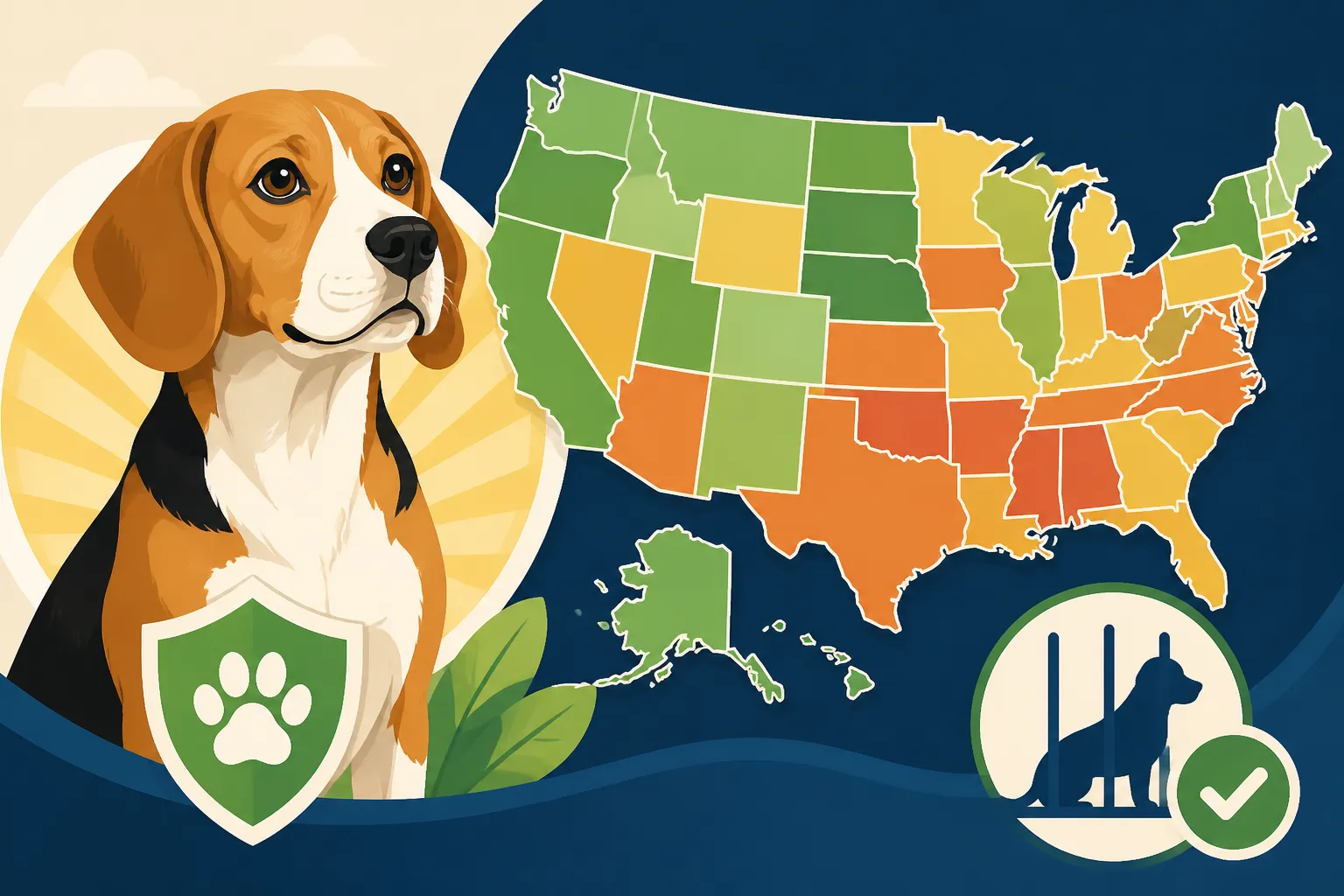
While the intent behind Beagle Freedom Laws is consistent across the board – to facilitate the adoption of former research animals – the specifics can vary quite a bit from state to state. There isn't a single, uniform federal law dictating this process, which means each state that has adopted such legislation has tailored it to fit its own legal and political landscape. This can lead to a patchwork of regulations that can sometimes be confusing for rescue groups and prospective adopters alike.
Some states might focus primarily on dogs and cats, while others extend the provisions to include other species commonly used in research. The types of facilities covered also differ; some laws apply to any research facility within the state, while others are more narrowly focused on institutions receiving public grants or those associated with state universities. This can make it challenging for advocates to ensure compliance and for the public to understand which animals are covered under these protections. For instance, a university lab might fall under one state's law, but a private pharmaceutical company might not, leaving a significant gap in coverage.
Moreover, the process by which animals are released can vary. Some laws require a direct offer to a recognized animal shelter or rescue organization, placing the onus on the facility to initiate contact. Others might establish a more formal system, perhaps involving a state animal welfare agency to oversee the transfer. The goal is always to create a pipeline for these animals to find new homes, but the pathways can be quite distinct. Organizations like the Beagle Freedom Project are instrumental in working with facilities and rescues to navigate these different state requirements, often helping to coordinate the safe transport and placement of these deserving dogs.
Here's a simplified look at how some state laws might vary:
| Aspect | State A (Example) | State B (Example) | State C (Example) |
|---|---|---|---|
| Animals Covered | Dogs, Cats, Rabbits | Dogs and Cats only | Dogs, Cats, Primates |
| Facilities Covered | Publicly funded research institutions | All research facilities (private & public) | University labs & contract testing sites |
| Release Mechanism | Must offer to a qualified rescue | Registry of approved shelters maintained | State animal welfare agency coordinates |
| Required Health Check | Yes, veterinary assessment required | Yes, at facility's expense | Handled by adopting rescue |
| Funding Provisions | State grants available for rescues | None specified | Tax incentives for participating facilities |
It's important to remember that these laws are relatively new, and their implementation and effectiveness are continually evolving. As more states adopt similar legislation, best practices emerge, and the system becomes more streamlined. The overarching aim is to ensure that every healthy research animal gets its chance at a loving family.
Bringing a Former Research Beagle Home: Challenges and Triumphs
Adopting a former research Beagle is a uniquely rewarding experience, but it comes with its own set of considerations. These dogs have often lived incredibly sheltered lives, lacking exposure to many of the sights, sounds, and experiences that pet Beagles take for granted. Imagine a dog that has never felt grass, heard a vacuum cleaner, or seen a squirrel chase up a tree. It's a lot for them to take in, and their adjustment period can be lengthy and require immense patience and understanding.
One of the first things you might notice is that How a Former Lab Beagle Behaves Differently. They may be shy, timid, or exhibit behaviors common in animals that haven't been socialized. Loud noises, strange objects, and even open spaces can be overwhelming. They might not understand how to walk on a leash, or they might be terrified of stairs. House training can be a challenge, not because they aren't intelligent, but because they've never been taught the concept of a designated potty area. Patience is key, and celebrating every small victory, like going potty outside or taking a confident step, is crucial.
Many of these Beagles also arrive with numerical tattoos or other forms of identification from their time in the lab, as detailed in Beagle Tattoos and Laboratory Identification Numbers. These aren't just marks; they're a part of their history and a stark reminder of their past. While some adopters find these emotionally challenging, they also serve as a powerful symbol of the animal's journey to freedom.
What a Former Research Beagle Needs First:
- A Safe, Quiet Space: A crate or a quiet room can provide a secure den where they can decompress and feel safe. Many lab Beagles have spent their lives in cages, so a comfortable, private space can actually be a comfort, not a punishment. Just be sure to create positive associations with it from day one, offering soft bedding and treats.
- Slow Introductions to the World: Don't overwhelm them with too much too soon. Introduce new experiences gradually – a walk around the block, a car ride, meeting a new person or dog. Think about Beagle Puppy Sound Exposure Before Sixteen Weeks and how critical that period is for pet puppies; these Beagles are essentially trying to catch up on a lifetime of missed socialization.
- High-Value Food and Treats: Many lab Beagles are incredibly food-motivated, which can be a huge asset in training and building trust. You'll find a fantastic selection of high-value training treats and food options on sites like Chewy that can help entice your new Beagle to try new things and overcome fears.
- A Good Harness and Leash: Given their potential lack of leash experience and their strong Beagle nose, a secure harness is non-negotiable. It protects their neck and provides better control during walks. You can find comfortable and escape-proof harnesses on Chewy, often with reviews from other Beagle owners.
- Veterinary Care: A thorough vet check-up is paramount. These Beagles might have a history of specific medical needs or have never had routine vaccinations or dental care. Rescues typically provide initial vetting, but ongoing care is crucial. Some might even benefit from specific joint supplements, which you can also find readily available on Chewy.
- Love and Patience: Above all, these dogs need an abundance of love and understanding. They may never be the outgoing, boisterous Beagle you expect, but they will form deep bonds and show immense gratitude. Beagle Separation Anxiety in a Breed Bred for Packs is a concern for any Beagle, but it can be particularly acute for those coming from a group living situation to a quiet home.
Remember, the goal is to help them learn what it means to be a cherished family pet. Organizations dedicated to rescuing these animals, such as The Groups That Rehome Research Beagles, provide invaluable support and resources, helping adopters understand the unique needs of these special dogs.
Beyond the Lab: Supporting the Future of Compassionate Research and Adoption
Beagle Freedom Laws represent a significant step forward in animal welfare, shifting the paradigm from simply discarding research animals to recognizing their right to a life beyond the lab. This legislative progress reflects a growing societal demand for more ethical and humane treatment of animals, even those used in scientific research. It's about finding a balance between scientific advancement and compassionate care.
However, the laws are not a magic bullet. They rely heavily on the cooperation of research facilities and the tireless efforts of rescue organizations and individual adopters. The success of these laws hinges on having enough willing homes and support systems in place to accommodate the influx of animals. Furthermore, these laws also implicitly encourage a broader reevaluation within the scientific community regarding alternative testing methods that reduce or replace the use of animals whenever possible.
For those considering bringing a former research Beagle into their home, it’s an act of profound compassion. It's about offering a second chance, often to an animal that has known nothing but confinement. While the journey can be challenging, the triumphs—seeing a timid Beagle cautiously explore a sunny yard, learning to play with a toy for the first time, or finally cuddling up for a nap—are immeasurable. These dogs teach us about resilience, trust, and the incredible capacity for joy, even after adversity.
By understanding these laws, supporting rescue efforts, and being open to adopting these special dogs, we contribute to a future where science and compassion can coexist, ensuring that no healthy Beagle is ever deprived of the simple joys of being a beloved pet.
Disclaimer
This article is for general informational purposes only and does not constitute professional advice. Laws, prices and regulations vary by location and change over time. Consult a qualified professional for guidance on your specific situation.