Cleaning a Beagle Ear Before Infection Starts
Oh, the beloved Beagle ear! Those long, floppy, velvety ears are absolutely adorable, aren't they? But if you're a Beagle parent, you know they can also be a source of endless frustration, prone to dirt, moisture, and those dreaded, smelly infections. It feels like you're constantly battling against nature sometimes, doesn't it? This comprehensive guide is here to walk you through exactly why your Beagle's ears are such a magnet for trouble and, more importantly, how to establish a proactive cleaning routine that can help you prevent those nasty infections before they even get a chance to take hold.
Understanding Why Beagle Ears Are Prone to Trouble
You look at those magnificent, low-set ears and instantly fall in love, but functionally, they're a bit of an engineering marvel for trapping gunk. Beagles, with their incredible noses, spend a lot of time with their heads down, sniffing every interesting scent the world has to offer. This natural behavior, combined with their unique ear anatomy, creates a perfect storm for ear issues. It's not just about what goes into the ear; it's also about what stays in there and how the environment inside changes.
The Anatomy of a Beagle's Ear Flap
Unlike breeds with upright ears, a Beagle's ear flap, or pinna, hangs down, covering the ear canal opening. This beautiful, soft flap acts like a natural lid, and while it protects the inner ear from some external elements, it also significantly restricts airflow. Imagine wearing a heavy hat all day, every day – that's a bit what it's like for your Beagle's ears. This lack of ventilation creates a warm, moist, and dark environment, which is precisely what yeast and bacteria absolutely love to thrive in. It's an ideal breeding ground if not managed properly.
Beyond the external flap, the internal structure of a Beagle's ear canal is also a factor. Most dog ear canals are L-shaped, first running vertically and then horizontally before reaching the eardrum. This design already makes it difficult for debris and fluid to escape naturally. When you add the floppy ear flap on top, preventing air circulation, you exacerbate the problem. Moisture from baths, swimming, or even just humid weather, along with trapped dirt and ear wax, has nowhere to go. This anatomical predisposition is the number one reason why diligent ear care is a non-negotiable part of Beagle Ear Infections and the Drooping Ear Flap.
How Moisture and Debris Get Trapped
It's not just the shape; it's also your Beagle's lifestyle. Our Beagles are intrepid explorers, always ready to plunge their noses into bushes, tall grass, and muddy puddles in pursuit of an interesting smell. Every time they do this, they’re inadvertently sweeping debris into those ear canals. Plant matter, dust, pollen, and even tiny bugs can easily find their way past the outer ear and into the deeper recesses. And remember, because the ear flap seals the opening, these foreign bodies are less likely to fall out on their own.
Moisture is another huge culprit. Whether your Beagle loves to swim, gets a thorough bath, or simply enjoys a rainy day walk, water can seep into the ear canal. If this moisture isn't properly dried, it creates a damp environment where bacteria and yeast can rapidly multiply, turning a healthy ear into a breeding ground for infection within hours. This is why thorough drying is just as important as cleaning. Even humidity in the air can contribute to this problem, making certain seasons (like hot, sticky summers) particularly challenging for Beagle ear health. Understanding these basic principles helps us move from reactive treatment to proactive prevention.
Recognizing Early Signs of Trouble Before It's a Full Infection
The key to preventing full-blown, painful ear infections is catching the subtle warning signs early. Often, by the time your Beagle is furiously shaking its head or crying out, the infection has already taken hold and is causing significant discomfort. Learning to recognize the very first whispers of trouble allows you to intervene with a gentle cleaning routine before it escalates into something that requires a trip to the vet and a course of antibiotics. It’s all about being observant and knowing your dog's "normal."
Subtle Changes in Smell or Discharge
One of the first indicators that something might be brewing in your Beagle's ear is a change in smell. A healthy Beagle ear should have a very mild, almost neutral odor, or perhaps a faint yeasty scent that isn't unpleasant. If you start to notice a strong, pungent, sweet, or frankly foul odor when you lift their ear flap, that's a red flag. This smell is often caused by the overgrowth of yeast or bacteria as they begin to multiply in the warm, moist canal. It's their waste products creating that distinct, off-putting scent. Trust your nose on this one; it’s usually quite accurate.
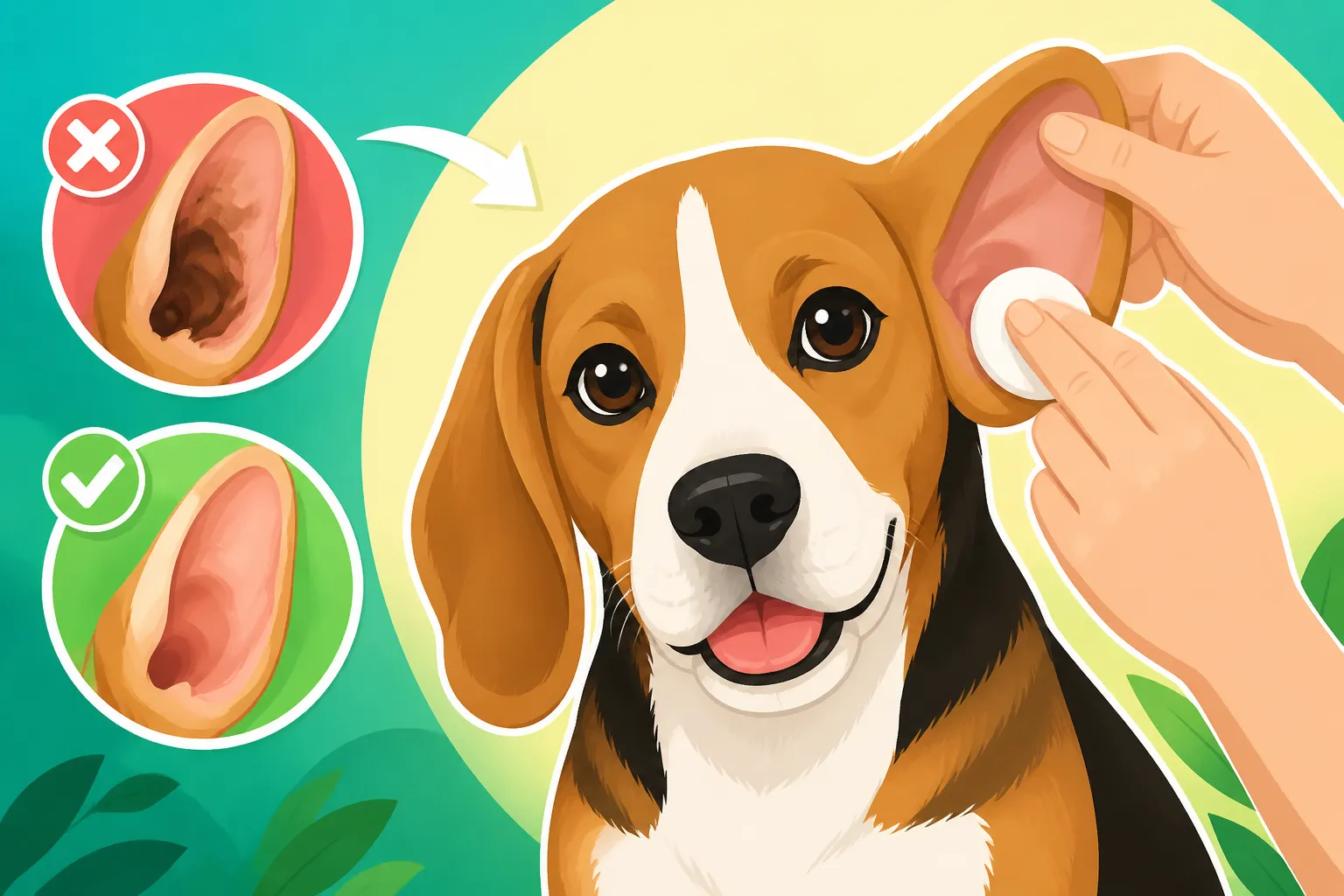
Alongside a change in smell, keep an eye out for any unusual discharge. A normal amount of ear wax is light brown and waxy. However, if you see an increase in wax production, or if the wax changes in color (dark brown, black, yellow, green), consistency (more liquidy, pasty, or chunky), or texture, it’s a sign of irritation or early infection. A very dark, crumbly, coffee-ground-like discharge, for instance, often points to ear mites, while a thick, yellowish, pus-like discharge typically signals a bacterial infection. Even a slight increase in clear, watery fluid can indicate irritation. Checking for these subtle shifts regularly is crucial to Beagle Ear Infection Symptoms to Catch Early.
Behavioral Cues Your Beagle Gives
Our Beagles can't tell us directly when their ears are bothering them, but they certainly communicate through their behavior! Any deviation from their normal routine or typical demeanor can be a clue. The earliest behavioral signs are often very subtle. You might notice your Beagle scratching at an ear more frequently than usual, but not yet incessantly. They might rub their head along the carpet or furniture, or perhaps give a little shake of their head after a good sniff in the yard. These are mild forms of discomfort, indicating something is off.
As the irritation progresses, these behaviors become more pronounced. They might tilt their head to one side more often, favoring the unaffected ear. They might become more withdrawn or, conversely, more restless and agitated, especially if the discomfort is interfering with their sleep or ability to focus on scents. You might even notice them becoming a little head-shy, flinching or pulling away if you try to touch their head or ears. Sometimes, they might hold one ear lower than the other, or their ears might appear slightly swollen or red compared to their normal pale pink. Pay attention to these nuanced signals; they are your Beagle's way of asking for help long before severe pain sets in.
Gathering Your Ear Cleaning Arsenal
Before you even think about putting anything near your Beagle's ear, you need to ensure you have the right tools and products. Using the wrong kind of solution or an abrasive tool can do more harm than good, potentially pushing debris deeper or irritating the delicate ear canal lining. Think of it like preparing for a delicate operation – you need sterile, appropriate instruments for the job. Having everything laid out and ready before you start also helps keep your Beagle calmer, as you won't be rummaging around mid-process.
Safe and Effective Ear Cleaning Solutions
The most important item in your ear-cleaning kit is a high-quality, vet-approved ear cleaning solution. You do not want to use harsh soaps, alcohol, hydrogen peroxide, or anything not specifically formulated for canine ears. These can be incredibly irritating, cause dryness, or even damage the delicate tissues of the ear canal and eardrum. A good canine ear cleaner will typically contain ingredients designed to break down wax, dry the ear canal, and have mild antiseptic or antifungal properties to discourage bacterial and yeast growth. Many solutions include ingredients like witch hazel, salicylic acid, or boric acid, combined with gentle moisturizers to prevent dryness.
When choosing a solution, always look for products recommended by your veterinarian. Brands like Epi-Otic, MalAcetic, and Zymox are popular and generally well-regarded. If your Beagle has particularly sensitive skin or known allergies, your vet might recommend a specific, gentler formula. Some solutions are designed for routine maintenance, while others might be prescribed for specific issues like Beagle Yeast Ear Infections That Keep Returning. Always check the expiration date and store the solution as directed. A slightly warmed solution (by holding the bottle in your hands for a few minutes) can also be more comfortable for your Beagle than a cold one, reducing the startle factor.
Tools for Gentle Cleaning and Drying
Beyond the cleaning solution, you'll need soft, absorbent materials for wiping and drying. Cotton balls or soft gauze pads are ideal for wiping the outer ear and the folds of the pinna. Avoid cotton swabs (Q-tips) for cleaning inside the ear canal. While they might seem like a good idea, they can actually push debris further down the canal, potentially compacting wax against the eardrum or even causing damage. Their use should generally be limited to cleaning the visible crevices of the outer ear, and only if you're very careful.
You'll also need plenty of dry, soft tissues or fresh cotton balls for the crucial drying step. Keep a small towel handy for any spills or shakes. Some owners find having a headlamp or a well-lit area helpful to get a clear view into the ear canal. If your Beagle is particularly squirmy, having a helper to gently hold them can make the process much smoother and safer for both of you. Remember, the goal is always gentle cleaning and thorough drying, minimizing stress and discomfort for your furry friend.
The Step-by-Step Beagle Ear Cleaning Process
Okay, you've got your supplies, your Beagle is calm (hopefully!), and you're ready to tackle those ears. This isn't a race; it's a gentle, methodical process that prioritizes your Beagle's comfort and safety. Taking your time and being patient will make future cleanings much easier for both of you. Consistency and a positive association are key to lifelong ear health.
Preparing Your Beagle for a Positive Experience
Before you even touch an ear, make sure your Beagle is in a relaxed state. Pick a quiet time when they're not overly excited or tired. A quick walk or playtime beforehand can help burn off some energy. Position yourself comfortably, perhaps on the floor with your Beagle between your legs, or on a sturdy table with a non-slip mat if they're used to being groomed there. Have a handful of their absolute favorite high-value treats ready to reward cooperation. For some Beagles, pairing ear cleaning with a positive association, like a special chew or a lick mat, can work wonders.
Start by gently examining their ear, lifting the flap and just looking inside, praising and rewarding them for allowing it. Do this without any solution or wiping for a few days if your Beagle is particularly sensitive. The goal is to make them associate ear handling with good things. If they're wiggly or nervous, a helper to gently steady them can be invaluable. It's better to do a partial, positive cleaning than to force the issue and create a negative experience. Building up trust for The Five Minute Beagle Ear Routine will pay dividends down the line.
The Cleaning Technique, From Solution to Wipe
Now for the actual cleaning!
- Lift the Ear Flap: Gently lift your Beagle's ear flap straight up to expose the ear canal opening.
- Apply Solution: Hold the bottle of ear cleaner above the ear canal. Carefully squeeze a generous amount of solution directly into the ear canal until it's full. You want enough to flood the canal. Don't worry, the L-shape of the canal prevents it from reaching the eardrum easily. The sound of the liquid might surprise your Beagle, so be ready to reassure them.
- Massage: With the solution in place, gently massage the base of your Beagle's ear for about 20-30 seconds. You should hear a squishy sound as the solution works its way down and breaks up wax and debris. This massage also helps the solution coat the entire inner surface of the ear canal.
- Allow Shaking: Let your Beagle shake their head! This is their natural way of dislodging the loosened gunk and excess solution. Stand clear, or have a towel ready, because it can get messy! Reward them after the shake.
- Wipe the Outer Ear: After they've shaken, use a fresh cotton ball or gauze pad to gently wipe away any visible solution, wax, and debris from the entrance of the ear canal and the underside of the ear flap. You'll be amazed at what comes out! Repeat with fresh cotton balls until no more visible dirt comes away. Remember, never go deeper than your finger can comfortably reach with a cotton ball, and absolutely no cotton swabs deep into the canal.
This process ensures the solution effectively cleans the entire canal without pushing debris further inward. The focus is on flushing and wiping away what comes to the surface. This proactive method helps keep the ear canal clear, significantly reducing the chances of irritation or infection.
The Importance of Thorough Drying
This step is absolutely critical, especially for Beagles! After cleaning, the ear canal will be moist from the solution. If you leave it wet, you're essentially recreating the perfect breeding ground for yeast and bacteria you just tried to eliminate. Use fresh, dry cotton balls or soft tissues to gently blot and wipe the outer ear canal and the inner surface of the ear flap. Get into all the visible folds and crevices. You want to absorb as much moisture as possible.
You can also use a fan on a low, cool setting, held a safe distance from your Beagle's ear, to help air dry the deeper parts of the canal, but only if your Beagle tolerates it well. Many will find the sound or sensation unsettling. The main goal is to ensure the parts you can reach are dry to the touch. This attention to detail in Drying Beagle Ears Thoroughly After a Bath (or cleaning) is often overlooked but is paramount for maintaining a healthy, infection-free ear environment. Remember, patience and gentleness throughout this entire process will build a positive association, making future cleanings easier for both of you.
Frequency and Maintenance for Healthy Beagle Ears
Establishing a regular ear care routine is far more effective than only cleaning when you notice a problem. Think of it like brushing your teeth – you do it regularly to prevent cavities, not just when you have a toothache. The ideal frequency will vary slightly depending on your individual Beagle, their activity level, and environmental factors, but there are general guidelines to follow.
Establishing a Regular Cleaning Schedule
For most Beagles with generally healthy ears, a weekly ear check and cleaning every 1-2 weeks is a good starting point. If your Beagle loves to swim, gets frequent baths, or spends a lot of time romping through fields and dusty trails, you might need to clean them more often, perhaps even after every wet or particularly dirty adventure. Conversely, if your Beagle's ears stay relatively clean and dry, you might be able to stretch it to every three weeks. The key is to monitor them closely and adjust as needed.
A quick daily or every-other-day lift of the ear flap to sniff and visually inspect can also give you an early heads-up without needing a full cleaning. If you spot a little dirt or waxy buildup, you can do a quick, localized wipe with a dry cotton ball. Keeping a consistent schedule helps prevent the accumulation of wax and debris and discourages the overgrowth of opportunistic microbes. It truly is a case where a little regular effort prevents a lot of discomfort and expense down the line.
Complementary Practices for Ear Health
Beyond direct cleaning, several other practices contribute to overall ear health for your Beagle.
- Diet: Believe it or not, diet can play a significant role. Some Beagles develop allergies (environmental or food-related) that manifest as itchy, irritated skin, which often includes the ears. If your Beagle suffers from chronic ear issues, discussing a potential food allergy or novel protein diet with your vet might be worthwhile. Beagle Skin Allergies and Constant Itching often go hand-in-hand with ear problems.
- Grooming: While Beagles don't have long ear hair like some breeds, some might have excess hair deep within the ear canal that can trap debris. Your vet can advise if plucking this hair is necessary for your particular Beagle. For most, regular cleaning and drying are sufficient. However, keeping the fur around the ear opening trimmed can help with airflow.
- Parasite Prevention: Regular, year-round parasite prevention is essential, as ear mites are a common cause of ear irritation and infection, especially in puppies or Beagles who spend time with other dogs.
- Environmental Control: If your Beagle is prone to environmental allergies (pollen, dust mites), doing your best to minimize exposure, such as wiping paws after walks or using air purifiers indoors, can indirectly help their ears.
By combining regular cleaning with these complementary care practices, you create a robust defense against ear problems, helping your Beagle live a happier, more comfortable life.
When to Seek Veterinary Help and What to Expect
Despite your best efforts with proactive cleaning, sometimes an ear infection still manages to take hold. It's crucial to know when to stop your home care and reach out to your veterinarian. Ignoring a developing infection can lead to more severe pain, damage to the ear canal, and even hearing loss in extreme cases. Don't feel like you've failed if an infection develops; Beagles are predisposed, and sometimes it just happens. The important thing is to act promptly.
Identifying When Professional Intervention is Needed
You should contact your vet immediately if you notice any of these signs, even after you've been diligently cleaning:
- Persistent Odor or Discharge: If the foul smell or abnormal discharge continues or worsens despite regular cleaning for a few days, it's time for a vet visit.
- Increased Pain or Sensitivity: If your Beagle cries out when you touch their ear, shakes their head excessively, rubs their ear incessantly, or becomes aggressive when you try to examine the ear, they are likely in significant pain.
- Swelling or Redness: Noticeable swelling of the ear flap, redness deep inside the canal, or scabbing and crusting warrant professional attention.
- Head Tilting or Loss of Balance: If your Beagle consistently tilts their head, seems disoriented, or struggles with balance, the infection might be deeper, possibly affecting the middle or inner ear.
- Lack of Improvement: If your routine cleanings don't seem to be making any difference in their comfort or the condition of the ear after a couple of days, it's a clear signal that something stronger is needed.
These symptoms indicate that a home cleaning solution is no longer sufficient and your Beagle needs a proper diagnosis and prescription medication. Delaying a vet visit in these situations can prolong your Beagle's suffering and make the infection harder to treat.
Discussing Chronic Issues and Prevention with Your Vet
If your Beagle seems to get ear infections frequently, even with excellent preventative care, it's time for a deeper conversation with your veterinarian about potential underlying causes. Chronic ear infections are often a symptom of something else going on, not just poor hygiene. Your vet might want to investigate:
- Allergies: As mentioned, environmental or food allergies are a very common cause of recurrent ear infections. Your vet might suggest allergy testing or an elimination diet.
- Hypothyroidism: While less common, an underactive thyroid can sometimes contribute to skin and ear problems. Your vet might recommend Thyroid Testing a Beagle at Twenty-Four Months if other symptoms are present.
- Conformation Issues: In some Beagles, the ear canal itself might be unusually narrow or folded, making it even harder for it to air out and drain.
- Immune System Issues: In rare cases, an underlying immune system deficiency could be at play.
Your vet might also take a swab of the ear to examine under a microscope, identifying the specific bacteria or yeast causing the problem. This allows them to prescribe the most effective medication. For Beagles with a history of recurring infections, your vet might recommend specific prescription ear washes or even preventative medications to be used on a schedule.
It's also worth considering pet insurance, like Healthy Paws, especially if your Beagle has a predisposition to chronic conditions. While most policies won't cover pre-existing conditions, getting coverage early can help with the costs of future ear infections or diagnostics for underlying causes if they haven't been diagnosed yet. Dealing with chronic ear issues can be frustrating and expensive, and having a vet partner who understands your Beagle's specific needs is invaluable. They can help you tailor a preventative and treatment plan that finally brings relief to those adorable, yet often troublesome, Beagle ears.
| Ear Cleaning Solution Type | Key Ingredients (Common) | Primary Benefit | When to Use | Notes |
|---|---|---|---|---|
| Routine Cleanser | Salicylic Acid, Aloe | Gentle wax removal, mild drying, soothing | Weekly/Bi-weekly maintenance | Good for healthy ears, post-bath. |
| Drying Solution | Boric Acid, Isopropyl Alcohol | Rapid drying, mild antiseptic | After swimming, in humid climates | Use sparingly if ears are already dry/irritated; can be too harsh for some. |
| Antiseptic/Antifungal | Chlorhexidine, Miconazole | Targets yeast and bacteria overgrowth | Early signs of infection, vet recommended | Often stronger; use as directed by your vet, especially if a problem is brewing. |
| Allergy-Specific | Hydrocortisone, Ceramides | Reduces inflammation, soothes itchy skin | When allergies are suspected/diagnosed | Often part of a broader allergy management plan, vet guidance essential. |
Disclaimer
The information provided in this guide is for general educational purposes only and should not be considered a substitute for professional veterinary advice. Always consult with a qualified veterinarian regarding any health concerns or before making any decisions about your Beagle's medical care. Individual Beagles may have unique health needs and conditions that require specific diagnosis and treatment plans.