How Close the Small Beagle Came to Extinction
It’s truly a strange thought, isn't it? To imagine a breed as ubiquitous and beloved as the Beagle, a dog known for its merry disposition and unmistakable bay, teetering on the edge of extinction. We see Beagles everywhere today, from family homes to the airport sniffing out contraband with the Beagle Brigade, so the idea that these wonderful hounds were once a rarity can be quite shocking. This guide will walk you through the surprising history of how the smaller, original Beagle types faced near disappearance and the dedicated efforts that brought them back.
The Early Days of Beagle-Type Hounds and Their Purpose
Long before Beagles became the friendly house pets we know, their ancestors roamed the countryside, essential companions for hunters. These early hounds were far from standardized; they were bred for a job, and their appearance varied widely depending on the region and the specific quarry.
Tracing the Ancient Roots of Scent Hounds
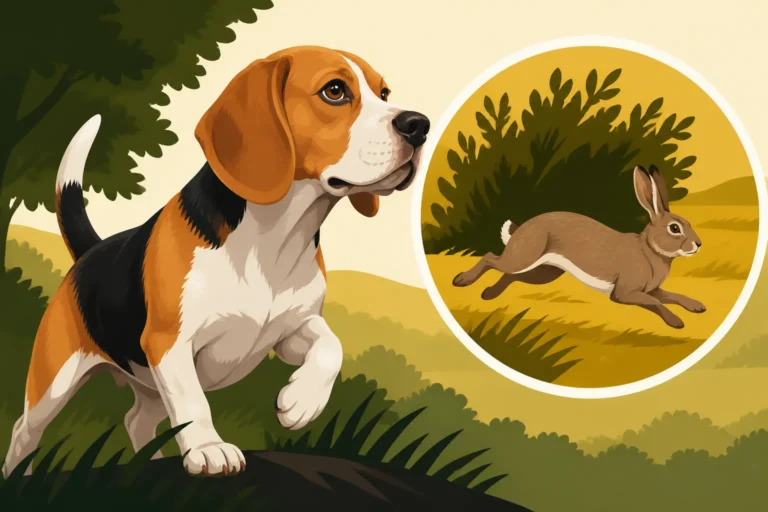
The story of the Beagle doesn't begin with a single, clear origin point. Instead, it weaves through centuries of canine history, tracing back to small scent hounds used for hunting. Imagine a time when formal breeds as we understand them simply didn't exist. Hunters needed dogs with keen noses and boundless energy to track small game like rabbits and hares through dense undergrowth and across open fields. These early "beagle-type" hounds, as they're often called, were valued for their ability to stick to a scent trail, often in packs, giving voice to the hunt with their distinctive calls. Their smaller stature was actually an advantage; it allowed them to navigate thickets and follow game into burrows that larger hounds couldn't access. The earliest records of these types of dogs show that they've been companions to humans for an incredibly long time, certainly for Beagle-Type Hounds Across Twenty-Five Centuries.
These ancestral hounds weren't just functional; they were often the heart of rural communities, providing sport and a vital food source. They weren't bred for a particular "look" or for show rings, but purely for their working ability. If a dog could hunt, track, and bring joy to the chase, it was considered a valuable member of the pack and the household. This practical approach to breeding meant a lot of genetic diversity, which, while beneficial for adaptability, also meant a lack of uniformity that would later be both a strength and a weakness as the concept of "breeds" emerged.
The Rise and Fall of Regional Beagle Varieties
As time moved forward, different regions of Great Britain began to develop their own distinct lines of hounds, each suited to local conditions and hunting preferences. You had the sturdy, slower The Talbot Hound and the Southern Hound, for example, contributing to the genetic soup that would eventually become our modern Beagles. In some areas, hunters preferred dogs so small they could be carried in a saddlebag – these were often called "Pocket Beagles" or "Glove Beagles." Their diminutive size made them excellent for hunting on foot, especially in areas where horses couldn't easily traverse. These tiny hounds were truly specialized, bred to be nimble and tireless.
However, this regional specialization also meant fragmentation. There wasn't one "Beagle" but many different types, some barely recognizable as related to each other beyond their shared hunting purpose. As hunting practices evolved and larger game became more fashionable, some of these smaller, specialized varieties started to fade away. The focus began to shift towards dogs that could keep pace with horses and cover more ground, a trend that put the smaller, foot-hunting hounds at a disadvantage. This era was characterized by a rich tapestry of local dog types, but also by their vulnerability to changing agricultural and sporting landscapes.
The Heyday of the "Pocket Beagle" and Early Breeding Efforts
The idea of the "Pocket Beagle" isn't just a charming myth; it was a real type of dog, revered for its miniature size and impressive hunting prowess. However, their very specialized nature would eventually contribute to their decline.
Reverend Honeywood's Influence and the Ten-Inch Beagle
One of the most significant figures in early Beagle history was Reverend Phillip Honeywood, whose Essex pack became legendary in the mid-19th century. Honeywood was known for breeding Beagles of exceptional quality and, notably, extreme smallness. His famous Reverend Phillip Honeywood and His Essex Pack included dogs that stood as little as 10 inches at the shoulder, truly earning them the "pocket" moniker. These were not simply small dogs; they were fully functional hunting hounds, capable of tracking hares and rabbits with all the dedication of their larger cousins. Why Honeywood's Beagles Stood Only Ten Inches was a matter of deliberate breeding for a specific niche: foot hunting, where a dog that could be easily handled and didn't outrun the hunters was highly prized.
Honeywood's efforts brought a certain level of fame and desirability to these tiny Beagles, making them quite popular among a particular set of hunters and gentry. They represented the epitome of the foot-hunting hound, combining an endearing size with undeniable working ability. Pictures and descriptions from the era speak of these dogs with admiration, highlighting their spirited nature and keen noses. For a time, the idea of a Beagle that could comfortably fit into a game bag or be carried by hand was synonymous with the breed's ideal.
The Shifting Tides of Hunting Fashion
Despite the charm and utility of Honeywood's Beagles, the winds of hunting fashion were beginning to change. The Victorian era saw a rise in the popularity of fox hunting, a grander sport that required larger, faster hounds like Foxhounds and Harriers to keep pace with mounted hunters. Hare hunting, while still practiced, began to lose some of its prestige and widespread appeal. This shift had a direct and detrimental impact on the breeding and preservation of the smaller Beagle types. There was simply less demand for dogs built for foot-hunting small game.
As the focus shifted, so did breeding priorities. Breeders began to favor larger, more robust Beagles that could cover ground quickly and compete with the aesthetics of other popular hounds. The delicate, tiny "Pocket Beagles" found themselves increasingly marginalized. It wasn't just about hunting utility anymore; it was also about the evolving social aspects of sport and the growing interest in dog shows, which often favored dogs of a more substantial build. Without a strong functional or aesthetic demand, the distinct lines of these miniature Beagles began to dwindle, pushing them perilously close to the brink of true disappearance.
The Threat of Obscurity and Near Disappearance
The period following the mid-19th century was critical for the smaller Beagle varieties. As tastes changed and dog breeding became more formalized, the very dogs that once defined the breed became an endangered relic.
The Decline of the Smaller, Original Types
As the 19th century wore on, the once-celebrated small Beagles, particularly those dubbed "Pocket Beagles," faced a stark decline. Their specific role in hunting diminished significantly. The allure of the larger, faster hounds for mounted hunts meant that breeders invested less time and effort in maintaining the lines of the smaller, foot-hunting Beagles. It wasn't that these dogs were less capable; it was simply that the demand for their particular capabilities had waned. Without a strong purpose, many of these specialized bloodlines either died out or were absorbed into larger, more generalized Beagle populations, losing their distinctive traits.
Furthermore, the emerging world of organized dog shows and the establishment of formal breed standards began to favor a more uniform, often larger, Beagle. The tiny, sometimes scruffy, but undeniably effective "Pocket Beagle" didn't fit neatly into these new aesthetic ideals. Judges often preferred the more substantial, symmetrical dogs that would eventually become the foundation for our modern 13-inch and 15-inch varieties. This formalization, while ultimately good for the breed's long-term survival by establishing a clear identity, inadvertently pushed the original, miniature Beagles further into obscurity. For a time, it genuinely seemed like the true Pocket Beagles and Whether They Ever Existed might only live on in historical accounts and old paintings.
The Role of American Enthusiasts in Preservation
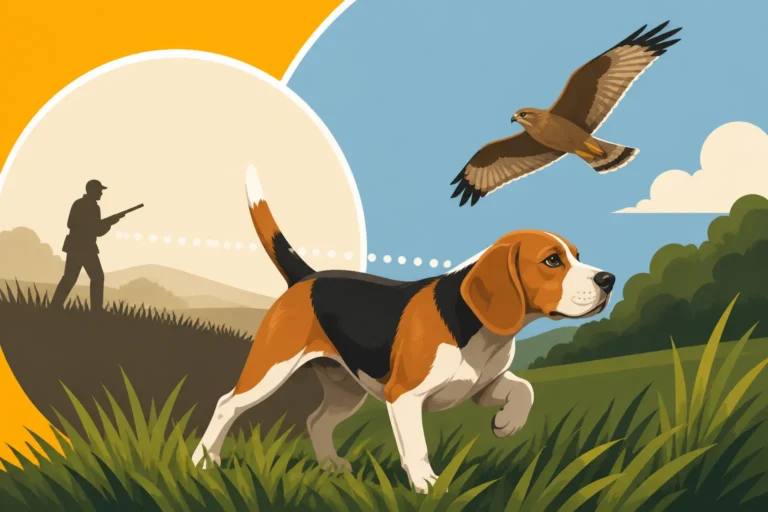
It’s a fascinating twist of fate that the very survival of the Beagle, especially the qualities of scenting ability and merry disposition, largely depended on its journey across the Atlantic. While British enthusiasts continued to develop the breed, it was in America that the Beagle found a renewed purpose and a dedicated base of supporters who refused to let it disappear. American farmers and hunters, particularly those in the South, cherished Beagles for their unmatched ability to hunt rabbits and hares on foot. This was often a practical matter, not just a sport; rabbits were a food source, and Beagles were efficient at flushing them out. This sustained demand in the American countryside kept breeding lines active and diverse, allowing the breed to slowly rebuild its numbers and refine its characteristics.
These American breeders were crucial in saving the breed from total obscurity. They valued the Beagle for its working utility and its jovial temperament, qualities that resonated with the American spirit of self-sufficiency and communal sport. The dogs they bred, though still varied, shared a common ancestry and purpose. This dedicated group eventually came together to form the National Beagle Club, laying the groundwork for the modern breed standard and ensuring that the Beagle would not only survive but thrive. It's truly incredible to think that How American Farmers Saved the Rabbit Beagle is not an exaggeration, but a factual account of how a beloved breed was pulled back from the brink.
Rebuilding the Breed: Standardization and Modern Beagles
The efforts of dedicated enthusiasts on both sides of the Atlantic, particularly in America, marked a turning point. From the brink of disappearing, the Beagle was given a new lease on life through focused breeding and the establishment of clear breed standards.
The Birth of the Modern Beagle Standard
The desire for consistency, both for hunting effectiveness and for exhibition in the burgeoning dog show scene, led to the critical need for a breed standard. In America, this formalization took shape with the founding of The National Beagle Club and Its 1887 Founding. This club played an instrumental role in defining what a Beagle should be – not just in terms of appearance, but also temperament and working ability. The standard helped unite the various surviving regional types, consolidating their best traits into a coherent breed profile. Breeders now had a blueprint to follow, which helped ensure that future generations of Beagles would consistently possess the desired characteristics, preventing further fragmentation and genetic drift.
This period was characterized by careful selection. Breeders sought to produce dogs that were hardy, good-natured, and, above all, excellent scent hounds. While the extreme smallness of the original "Pocket Beagles" was largely phased out, the essence of their keen nose and tracking ability was preserved and enhanced. The standard allowed for two distinct varieties based on height: the 13-inch and the 15-inch, accommodating a practical range of sizes for various hunting styles while maintaining the Beagle's core identity. This standardization effort was a slow, deliberate process, but it ultimately cemented the Beagle's place as a distinct and enduring breed.
Distinguishing Past from Present: The "Pocket" Myth
Today, when we talk about "Pocket Beagles," it's often a term used for dogs that are significantly smaller than the recognized breed standard. While true miniature Beagles existed historically, the modern use of the term can sometimes be misleading. Some dogs labeled as "Pocket Beagles" today might simply be runts, or they might be the result of breeding for extreme smallness without regard for health, potentially leading to genetic issues. The American Kennel Club and other major kennel clubs recognize two size varieties: The Thirteen Inch Beagle and Its Weight Limit and The Fifteen Inch Beagle and Its Weight Range. These are the healthy, established sizes for the breed, representing the culmination of centuries of careful development.
It's important for prospective owners to understand this distinction. A healthy, well-bred Beagle will fall within these established size ranges. While the idea of a tiny Beagle is undeniably charming, prioritizing extreme smallness over sound genetics and conformation can lead to a host of health problems. The current Beagle, available from reputable breeders and rescues (and you can often find a great selection of supplies for them at places like Chewy, no matter their size!), is a testament to dedicated preservation efforts that balanced utility, temperament, and health. The breed no longer faces the threat of extinction, a success story largely thanks to those who understood the value of this merry, scent-driven hound.
Here’s a look at how early Beagle types compare to the modern varieties:
| Feature | Early Small Beagle Types (e.g., "Pocket Beagles") | Modern Beagle Varieties (13-inch & 15-inch) |
|---|---|---|
| Height | Often under 10-12 inches | 13 inches or under; 13-15 inches |
| Weight | Generally under 15 pounds | 18-20 pounds (13-inch); 20-30 pounds (15-inch) |
| Primary Purpose | Foot hunting small game (hare, rabbit) | Hunting small game; family companion; scent work |
| Uniformity | Highly variable, regional differences | Standardized appearance and temperament |
| Breeding Focus | Extreme smallness for specific hunting niche | Balanced health, temperament, and working ability |
| Prevalence | Became rare, nearly extinct | Very popular, widely recognized |
| Health Concerns | Unknown, likely robust for their purpose, but smallness could have issues | Generally healthy, but specific breed concerns exist (e.g., Beagle Epilepsy and Seizures From Six Months On, Beagle Hip Dysplasia and Everyday Joint Wear) |
Disclaimer
This article is for general informational purposes only and does not constitute professional advice. Laws, prices and regulations vary by location and change over time. Consult a qualified professional for guidance on your specific situation.