The Southern Hound and Its Slow Deliberate Trail
For anyone who shares their life with a Beagle, you know that incredible nose. It’s a force of nature, guiding them through the world, often to the exclusion of all else. But have you ever stopped to wonder where that deep, unwavering focus on a scent trail actually comes from? It’s not just a Beagle thing; it’s an ancient trait, deeply rooted in their lineage, particularly from a venerable ancestor known as the Southern Hound. This guide will take you on a journey back in time, unveiling the pivotal role the Southern Hound played in shaping the modern Beagle’s distinct hunting style, especially its legendary slow, deliberate trail.
The Southern Hound: A Glimpse into Ancient Hunting Practices
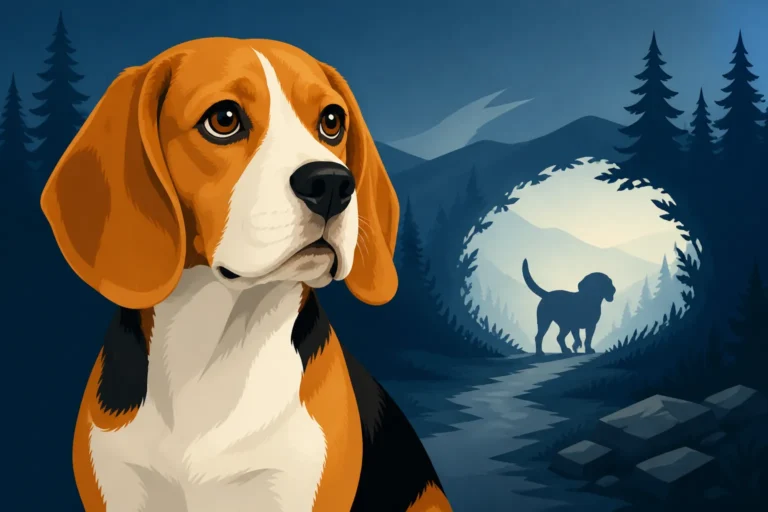
Imagine the English countryside centuries ago, long before fenced yards and squeaky toys. Hunting wasn't a sport for speed demons on horseback; it was often a slower, more methodical pursuit, with hunters on foot following their hounds through dense undergrowth. This is the world where the Southern Hound thrived. These were large, heavy-boned dogs, quite unlike the sleek, athletic hounds we often picture today. They possessed an imposing, almost mournful, baying voice that carried for miles, signaling their progress to the foot followers. Their ears were long and pendulous, hanging low and framing a serious, focused expression, perfectly designed to sweep up scent from the ground.
The Southern Hound wasn't built for a quick dash. Its legs were sturdy, its gait unhurried, and its focus was absolutely unwavering. It was a dog of immense stamina, capable of tracking a cold trail for hours, even days, if necessary. The objective wasn't to outrun the quarry but to meticulously unravel its path, step by deliberate step. This dog was a scent-tracking machine, built for persistence and accuracy above all else. Its temperament was generally described as steady and reliable, perhaps not as "merry" or excitable as some later breeds, but intensely dedicated to its task. They were the original plodders, but in the best possible way, ensuring no detail of a scent trail was missed.
The Art of the Slow, Deliberate Trail
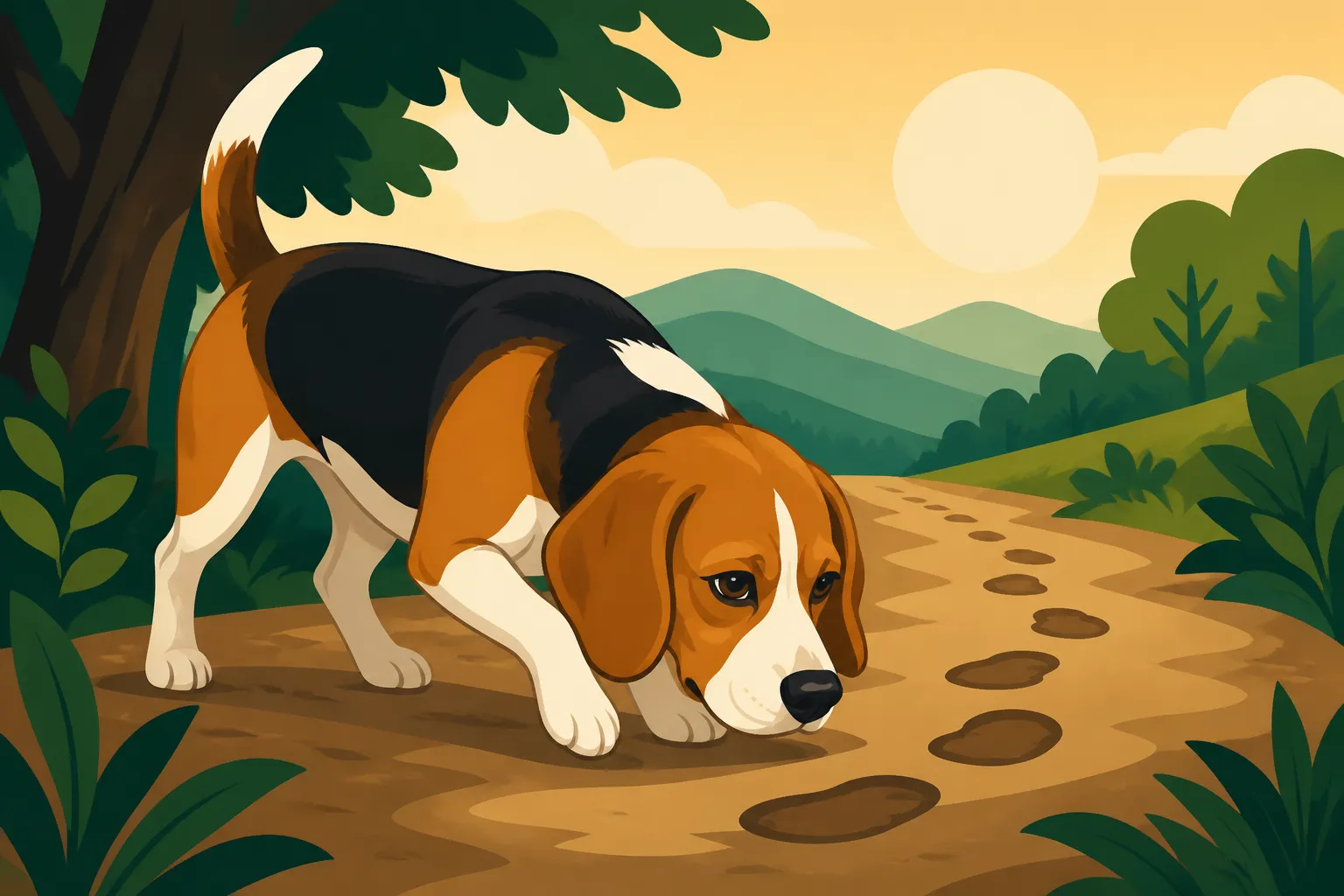
Now, let's dive into that "slow, deliberate trail." This wasn't a flaw; it was a highly prized attribute for the hunters of the time. Think about it: if your hounds tore off at lightning speed, you, the hunter on foot, would quickly be left behind, lost in the woods. A hound that worked slowly and methodically allowed the human hunting party to keep pace, to observe the hunt, and to eventually close in on the quarry. This style of hunting was about the chase, the careful unraveling of the animal's path, rather than a swift kill. It was a partnership between man and dog, where the dog's pace dictated the rhythm of the hunt.
Moreover, a slow, deliberate trail meant the hound could pick up every nuance of a scent, even a faint or old one. They weren't just following the most recent, strongest scent; they were reconstructing the entire journey of the animal. This meticulousness made them incredibly effective, especially for quarry like hare, which often employed cunning evasive maneuvers. Contrast this with faster hounds, which might overshoot a subtle turn or lose a fading scent line because they were moving too quickly. The Southern Hound's approach was akin to a detective carefully examining every clue at a crime scene, rather than a police car speeding down the highway. This innate focus on every single molecule of scent, regardless of external distractions, is a hallmark that echoes through their descendants even today. When you see your Beagle with its nose glued to the ground, utterly oblivious to your calls, you're witnessing the legacy of that slow, deliberate trail. It’s not disobedience; it’s profound ancestral instinct at work.
Southern Hound's Enduring Legacy in the Beagle Lineage
The Southern Hound's influence on the Beagle is undeniable and profound. While the exact blend of ancestral dogs that formed the modern Beagle is complex and involved other types like the Talbot Hound and later, faster North Country Beagles, the Southern Hound undoubtedly contributed the deep-seated instinct for scent work and a sturdy, resilient build. The Beagle's distinctive long, pendulous ears, which help funnel scent towards their incredibly sensitive noses, are a direct inheritance from these older hounds. Their robust bone structure, allowing them to endure long hours of tracking, also speaks to this lineage.
The baying voice, so characteristic of the Beagle, also finds its roots in the Southern Hound. Imagine a pack of Southern Hounds, each contributing its deep, resonant bay, creating a chorus that guided hunters through dense cover. This vocalization was a critical part of the hunting communication system. Today, while your pet Beagle might not be baying at a hare, that instinct to vocalize when on a scent, or when feeling separated from its "pack," is a direct link to those ancient hunting traditions. The Southern Hound provided the foundational blueprint for a scent hound that was both tenacious and thorough, setting the stage for the How the Modern Beagle Was Built in the 1830s.
Here's a quick comparison of some early hound types and their potential contributions to the Beagle:
| Hound Type | Primary Trait | Hunting Style | Potential Beagle Legacy |
|---|---|---|---|
| Southern Hound | Slow, methodical, deep voice | Foot hunting, meticulous trail | Deep scent drive, stamina, baying, sturdy build |
| Talbot Hound | Generalist, ancestral | All-purpose tracking | Broad genetic base, large ears |
| North Country Beagle | Faster, agile, higher energy | Quicker pursuit, often mounted | More lively temperament, speed (though still moderate) |
The Southern Hound's contribution cemented the Beagle as a true nose-to-the-ground worker, a dog that lives to follow a trail. This isn't just about physical traits; it's about the very core of The Beagle Temperament Written Into the Standard, emphasizing a focused, driven approach to scent that can sometimes be mistaken for stubbornness by owners unfamiliar with their breed's deep history.
Recognizing Ancestral Traits in Your Modern Beagle
Even in today’s suburban homes and urban parks, the ghost of the Southern Hound's "slow, deliberate trail" lives on in your Beagle. You see it every time they lower their nose to the ground, becoming completely absorbed in a scent, tuning out the world around them. This isn't your Beagle being disobedient; it's them doing exactly what they were bred to do for centuries. Their brains are hardwired to process scent information with incredible detail and persistence. This explains Why a Beagle Walks With Its Nose to the Ground and how their The 220 Million Receptors Behind a Beagle's Nose make every walk an intricate tapestry of odors.
Understanding this deep-seated instinct is key to living happily with a Beagle. Instead of fighting it, embrace it! Leash walks can become "sniffy walks" where you allow your Beagle ample time to explore and follow scents. This provides immense mental stimulation and is often more tiring for them than a fast-paced jog. You might even consider engaging them in dog sports like scent work or tracking, which are perfect outlets for their innate abilities. Products like long lines, which you can easily find on Chewy, are fantastic for allowing your Beagle a sense of freedom to explore a scent trail in a safe, controlled manner, without the risk of them bolting after a compelling smell. Keeping them engaged with their natural instincts can transform potential frustrations into a deeper bond. Don't forget that even the act of choosing the right durable toys or puzzle feeders, perhaps from Chewy, for your Beagle's relentless curiosity ties back to managing this powerful drive.
This historical understanding also helps explain why Why a Beagle Should Never Be Off Leash Unfenced is such critical advice. That deliberate trail can lead them miles away, deaf to your calls, simply because their nose has taken over. It’s not malicious, it’s just the powerful pull of instinct passed down through generations. From the earliest Southern Hounds to your furry companion today, the core remains the same: a tireless, dedicated scent tracker, living life nose-first. When you visit a specialty pet supply store or browse online at Chewy for your Beagle's needs, remember the long line of ancestors that shaped the dog you love.
Disclaimer
This article is for general informational purposes only and does not constitute professional advice. Laws, prices and regulations vary by location and change over time. Consult a qualified professional for guidance on your specific situation.