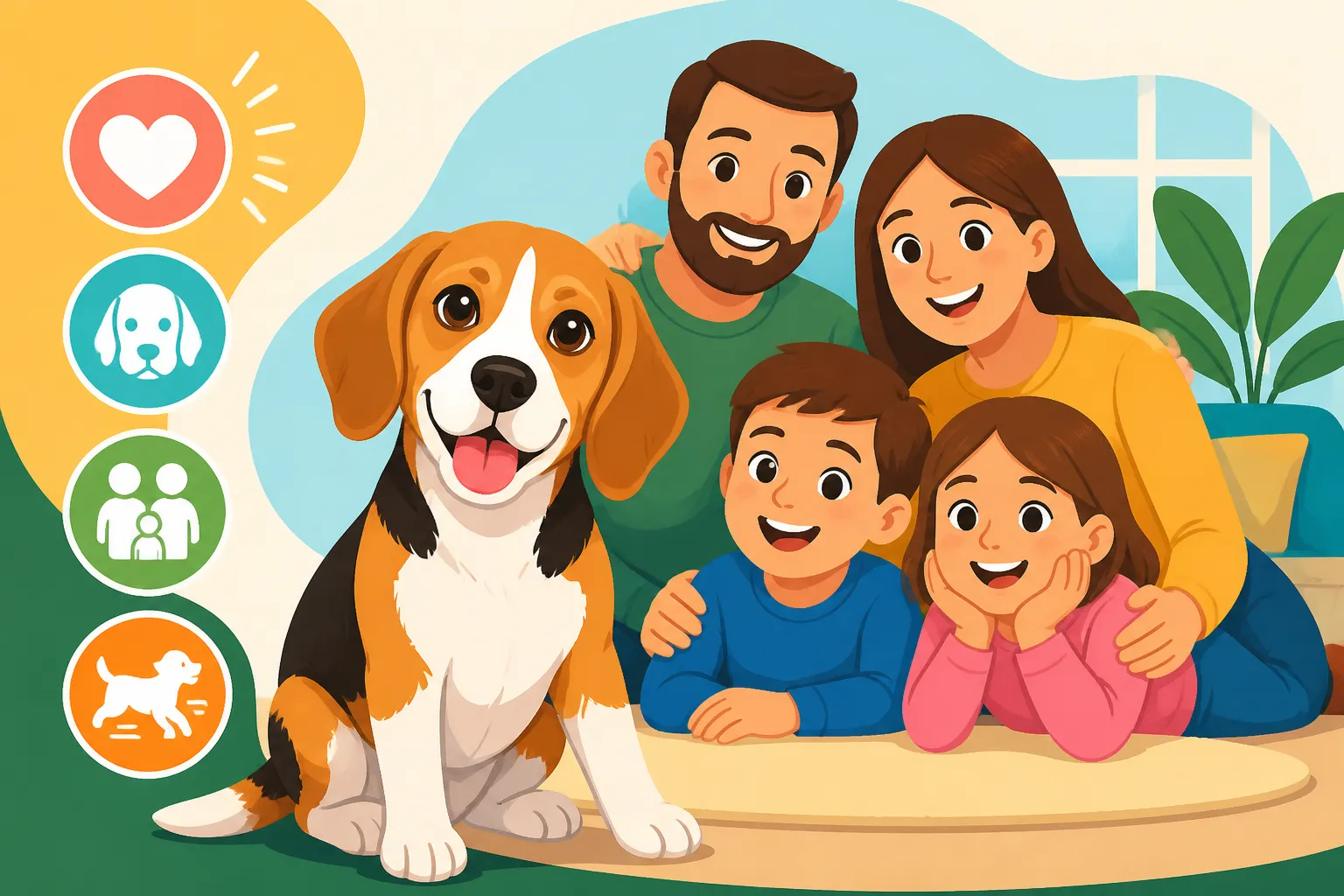
Beagle Temperament and Why the Breed Suits Families
So many people fall in love with the classic image of a Beagle: that adorable, floppy-eared hound, perhaps chasing a butterfly in a sunny meadow. And it’s true, Beagles are absolutely charming, often described as "merry" little dogs, and they can make truly wonderful family pets. But there's a lot more to their spirited temperament than just being cute, and understanding these nuances is key to a happy home for both you and your Beagle. This guide is going to walk you through the real-world temperament of a Beagle, helping you decide if this delightful, scent-driven breed truly suits your family's lifestyle.
Understanding the Beagle's Core Temperament: Merry and Curious
When you look at a Beagle, you often see a picture of pure joy and boundless enthusiasm. They come equipped with a wagging tail, an expressive face, and an eagerness for adventure that is simply infectious. But what drives this famous "merry" disposition, and how does their profound curiosity shape their personality?
The 'Merry' Disposition and Its Origins
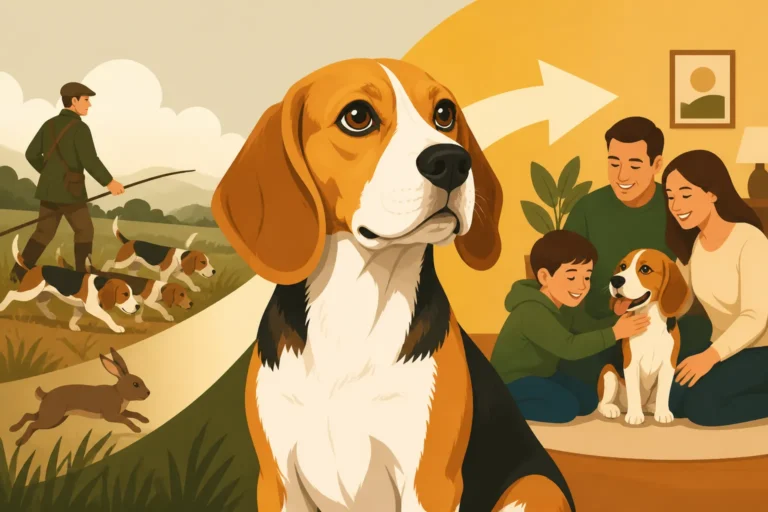
The term "merry" is often used to describe Beagles, and it truly encapsulates their generally cheerful, outgoing, and good-natured personality. This isn't just a charming descriptor; it's deeply rooted in their history as pack hounds. Beagles were bred for centuries to hunt in large groups, often alongside other dogs and people, making them inherently sociable and tolerant creatures. They had to get along with their kennel mates, work cooperatively, and not be overly aggressive or shy, as that would hinder the hunt.
Because of this pack heritage, Beagles typically possess a remarkable resilience and a forgiving nature. They're often slow to anger and quick to rebound from minor upsets. This makes them fantastic companions in busy households where there might be a lot of coming and going, or even the occasional boisterous child. They don't tend to hold grudges, and their primary mode of interaction is usually one of playful engagement or affectionate leaning. They thrive on companionship, whether it's with their human family or other canine friends. This intrinsic desire to be part of a group often means they adapt well to new situations and people, always ready with a tail wag and a hopeful sniff. It’s this natural affability that draws so many families to the breed, promising a dog that will embrace family life with open paws.
Unpacking the Beagle's Insatiable Curiosity
Beneath that merry exterior lies the engine of every Beagle: an insatiable curiosity, almost entirely governed by their nose. A Beagle's olfactory system is truly extraordinary, boasting around 220 million scent receptors, dwarfing our mere 5 million. For a Beagle, the world is a rich tapestry woven from smells, each one a fascinating story waiting to be unravelled. This isn't just a preference; it's a profound, biological drive that dictates much of their behavior and personality.
This extreme curiosity manifests as an almost constant need to explore with their nose firmly planted on the ground. A casual walk for us is an intense investigation for them, a journey through a landscape of fascinating odors. They don't just sniff; they read the ground, interpreting every trace of rabbit, squirrel, or last night's dropped hotdog. This intense focus on scent often makes them appear "stubborn" or "deaf" when they're on a trail. Your voice literally stops registering when their nose has locked onto something truly captivating. This isn't defiance; it's absorption. Their brain is processing an overwhelming amount of information from the environment, and human commands simply get relegated to background noise. Understanding this fundamental aspect of their nature is crucial, as it impacts everything from recall training to leash manners and even their propensity for escaping. They aren't trying to be naughty; they're simply following their instincts, doing what generations of Beagles were bred to do.
Beagles in a Family Setting: Kids and Other Pets
Bringing a dog into a family means considering how they'll integrate with everyone, especially children and existing pets. Beagles have a reputation for being great family dogs, and for many, that reputation holds true. However, it's important to look at the full picture.
Beagles and Children: A Natural Fit (with caveats)
One of the most common reasons families choose a Beagle is their generally excellent disposition with children. Their merry, tolerant nature, combined with their sturdy build, often makes them wonderful playmates. Beagles tend to be patient and resilient, which is a huge plus when dealing with the unpredictable energy of young kids. They're not fragile, so they can generally handle accidental bumps and tumbles from toddlers better than more delicate breeds. Many Beagles adore playing games of fetch, chasing kids around the yard, or simply snuggling up for a story. Their playful spirit often mirrors that of a child, creating a wonderful bond.
However, it's vital to remember that a Beagle is still a dog, and supervision is always necessary, especially with very young children. While tolerant, a Beagle can accidentally knock over a small child in their excitement, or nip if they're startled or hurt. Children also need to be taught how to interact respectfully with a dog – no pulling ears or tails, and giving the dog space when it's eating or sleeping. A Beagle's strong food drive means that they might try to snatch food from a child's hand if not trained properly, which can be upsetting or even dangerous. Establishing clear rules for both the dog and the children from day one will foster a harmonious and safe environment. Think of them as enthusiastic partners, but not babysitters.
Living with Other Dogs: The Pack Animal Instinct
As we touched on earlier, Beagles were bred to live and work in packs, so it's no surprise that they generally thrive in multi-dog households. They inherently understand canine social structures and often enjoy the company of another dog more than being the sole recipient of human attention all day. If you have another dog already, a Beagle is usually a fantastic addition, often integrating seamlessly into an existing pack. They love to play, chase, and cuddle with their canine companions, fulfilling that deep-seated need for group interaction.
For Beagles prone to separation anxiety, or those who simply seem a little lonely, a canine friend can be a game-changer. Another dog can provide mental stimulation, physical play, and emotional comfort during the hours you're away. It can alleviate the pressure of you being their sole source of entertainment and companionship. This isn't to say every Beagle needs another dog, but it's certainly a strong advantage for the breed. If you're considering a second dog, and already have a well-adjusted Beagle, odds are they'll welcome a new friend with open paws and a wagging tail. Just ensure proper introductions and management, as with any new addition to the family.
Beagles and Other Household Pets: Cats and Small Animals
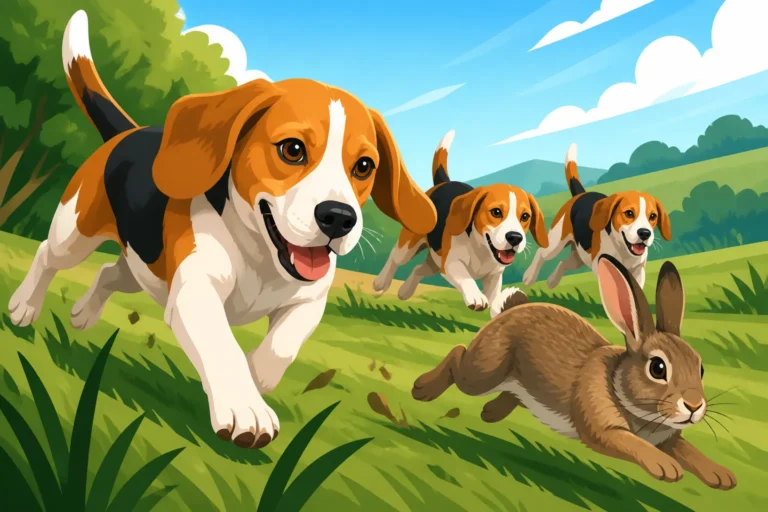
When it comes to other household pets, the Beagle's hunting heritage comes strongly into play. While many Beagles can learn to coexist peacefully with cats, especially if introduced as puppies or if the cat is dog-savvy and confident, it's never a guarantee. Their prey drive, honed over centuries of hunting small game, means that a sudden movement from a cat can trigger a chase instinct. With careful, slow introductions, positive reinforcement, and strict supervision, many families successfully integrate Beagles and felines. The key is to teach the Beagle that the cat is part of the "pack" and not prey, while ensuring the cat always has escape routes and safe, dog-free zones.
However, when it comes to smaller, rodent-like pets such as hamsters, guinea pigs, rabbits, or even pet birds, the situation becomes much riskier. A Beagle's instinct to hunt and track small, scurrying creatures is incredibly strong, and it can be almost impossible to train away. It's often best to assume that small caged pets will be seen as potential prey, no matter how well-behaved your Beagle usually is. Keeping these types of pets completely separate and securely housed is not just advisable, but usually essential for their safety. Being realistic about this innate drive is crucial for the safety and well-being of all your household animals.
The Vocal Beagle: Howling, Baying, and Barking
Ah, the Beagle voice! It's one of their most iconic traits, and also one of the biggest surprises for new owners. Beagles are hounds, and hounds are vocal. This isn't just a little yip here and there; it's a full spectrum of sounds, from charming to ear-splitting. Understanding why they make these noises is the first step in learning to live with them.
Decoding the Beagle's Vocal Repertoire
Beagles have a distinct vocal repertoire that goes far beyond a simple bark. They are famous for their bay, a long, drawn-out cry that sounds like a mournful howl blended with a deep bark. This bay was originally developed to alert hunters to the location of game, to communicate with other pack members, and to express excitement on the trail. When a Beagle bays, it often means they've caught an interesting scent, they're excited, or they're trying to get your attention. It's a sound that carries far, which was a plus in the hunting field but can be a challenge in a suburban neighborhood.
Beyond the bay, Beagles also bark, like most dogs. This can be a sharp, insistent bark when someone comes to the door, or a playful bark during a game of tug. They also howl, a more sustained and melodic sound often triggered by sirens, music, or feelings of loneliness. It's their way of joining the chorus, or calling out to their pack. Beagle Howling, Baying and Barking Explained goes into great detail about these different sounds. For an unsuspecting owner, the sheer volume and variety can be quite a shock. It's easy to get frustrated when your dog seems to be constantly making noise, but it's important to remember this isn't an act of defiance; it's just a Beagle being a Beagle. Their voices are powerful tools, and they aren't shy about using them.
Managing the Noise: Realistic Expectations
Given their innate vocal nature, the goal with a Beagle shouldn't be to eliminate all their sounds – that's like asking a bird not to sing. Instead, it's about managing nuisance vocalization and setting realistic expectations. You will likely never have a silent Beagle, and trying to force one will only lead to frustration for both of you. The key is to understand what triggers their vocalizations and then address those triggers through training and management.
For example, if your Beagle bays when they smell a rabbit in the yard, teaching a "leave it" cue, or providing a more engaging indoor activity, can help. If they howl when left alone, it might be a sign of Beagle Separation Anxiety in a Pack Breed, which requires a different approach, perhaps focusing on gradual desensitization or providing enrichment like a frozen Chewy Kong filled with peanut butter before you leave. Consistency is vital. Every time you reward a vocalization (even by yelling at them, which is still attention), you reinforce it. Instead, try to reward quiet behavior. Engage them with puzzle toys and scent games to redirect their energy. Remember, a tired Beagle (both physically and mentally) is often a quieter Beagle. While you can reduce the frequency and intensity of their vocalizations, accepting that a Beagle will always have things to say is part of living happily with one.
The Independent Streak: Training Challenges and Rewards
Training a Beagle can be a unique experience. They are intelligent dogs, no doubt, but their intelligence is often channeled into pursuits that don't always align with human expectations, particularly when it comes to obedience. Patience, consistency, and a sense of humor are your best friends when training a Beagle.
The "Stubborn" Beagle and Scent Over Obedience
Many Beagle owners affectionately describe their dogs as "stubborn," but it’s more accurate to call them "scent-driven." When a Beagle's nose locks onto a trail, everything else fades into the background. Your calls, your commands, even the offer of a treat, can become secondary to the compelling story unfolding through their olfactory senses. This intense focus on scent is not a sign of disobedience; it’s simply their primary instinct taking over. Beagle Recall and Why Your Voice Stops Registering explains this phenomenon perfectly. They aren't trying to be difficult; they are simply fulfilling their genetic destiny.
This means that traditional obedience training can sometimes feel like an uphill battle. You might have a Beagle who performs flawlessly indoors but seemingly forgets everything the moment you step outside into a world rich with smells. This doesn't mean they can't be trained; it just means you need to adjust your approach. You have to learn to compete with the allure of a captivating scent, which requires understanding, patience, and often, extremely high-value rewards. Expecting a Beagle to ignore a powerful scent trail is like asking a human to ignore their favorite food placed directly in front of them – it’s a massive ask.
Consistency and Positive Reinforcement: The Beagle Way
Given their independent, scent-driven nature, positive reinforcement is the most effective training method for Beagles. Harsh corrections or punishment tend to shut them down or make them distrustful, rather than more compliant. Instead, focus on making training fun, rewarding desired behaviors enthusiastically, and keeping sessions short and engaging. Beagles love food, so using high-value treats (think tiny pieces of cheese, cooked chicken, or even slices of hot dog) is incredibly effective. Using a Beagle's Food Drive as the Training Lever is a fantastic strategy to leverage their natural motivation.
Consistency is paramount. Everyone in the household needs to use the same commands and enforce the same rules. A Beagle will quickly learn who is a pushover and who means business. Short, frequent training sessions – five to ten minutes, several times a day – are far more effective than one long, tedious session. Break down commands into small, achievable steps. When teaching recall, for example, start in a quiet, distraction-free environment, gradually adding more distractions as your Beagle improves. Always remember that for a Beagle, the reward needs to be significant enough to overcome the temptation of a compelling scent. A standard kibble might not cut it when there's a squirrel trail nearby!
House Training and Crate Training a Beagle
House training a Beagle can sometimes be a bit of a marathon, not a sprint. While intelligent, their strong prey drive and desire to explore can make them easily distracted outdoors. They might get so caught up sniffing around the yard that they forget why they were sent out there in the first place, only to relieve themselves the moment they come back inside. Frequent, consistent potty breaks are essential, especially for puppies. Take them out often, immediately after waking up, after eating or drinking, and before bedtime. Celebrate success with praise and treats.
Crate Training a Beagle Bred to Sleep in a Pack is often highly recommended for Beagles, not just for house training but also for providing a safe den. Beagles are den animals by nature, and a properly introduced crate can become their secure, comfortable retreat. It also helps prevent destructive chewing when you can't supervise them. Ensure the crate is the right size – large enough to stand up, turn around, and lie down comfortably, but not so large that they can soil one end and sleep in the other. Make it a positive place with soft bedding and chew toys. While they might protest initially, especially if they’ve never been crated, perseverance and positive associations will generally lead to a Beagle who views their crate as a safe haven. Just remember, a crate is not a place for punishment, and no dog should be left in a crate for excessive periods.
Energy Levels and Exercise Needs
Looking at a Beagle's relatively compact size, some new owners might underestimate their exercise requirements. However, Beagles are working hounds, bred for stamina and endurance, and they need a significant outlet for their energy, both physical and mental. A bored Beagle is almost guaranteed to be a destructive or vocal one.
The Active Hunter: Beyond Just a Walk Around the Block
Beagles might be small-to-medium sized, but they are absolutely packed with energy. A quick stroll around the block simply won't cut it for this breed. They were bred to follow scent trails for hours on end, traversing fields and forests, and that drive for movement and exploration is still very much alive in them. They need vigorous daily exercise to keep them happy, healthy, and out of trouble. This isn't just about burning calories; it's about fulfilling their innate need to "hunt" and explore.
Ideal exercise for a Beagle includes long, meandering "sniff walks" where they're allowed to follow their nose, investigate interesting smells, and move at their own pace. This type of walk is incredibly enriching and tiring for them, much more so than a forced march at your side. Off-leash time in a securely fenced area is also fantastic, allowing them to stretch their legs and run freely. Running, hiking, or even swimming (if introduced positively) can also be excellent activities. Exercising a Beagle Enough to Settle It means providing both quantity and quality of movement. Without sufficient exercise, a Beagle can become restless, destructive, and prone to barking or howling, as that pent-up energy needs to go somewhere.
Mental Stimulation for the Busy Beagle Brain
It's not just physical exercise that Beagles need; their intelligent, scent-oriented minds also require a lot of mental stimulation. A Beagle's brain is constantly processing information, especially olfactory data. If this powerful brain isn't given a "job" to do, it will find its own job – and that job might be something you don't appreciate, like destroying your sofa or reorganizing your trash bin. Mental exercise can be just as tiring, if not more so, than physical exercise.
Puzzle toys, especially those that dispense food or treats, are a Beagle's best friend. Brands like Chewy offer a wide variety of interactive toys that challenge a Beagle to figure out how to get their reward, engaging their problem-solving skills and food drive simultaneously. Scent games, like hiding treats around the house for them to find, tap directly into their natural abilities and are incredibly satisfying for them. Scent Work as the Job a Beagle Was Built For is a wonderful activity that many Beagles excel at, channeling their primary instinct into a fun, structured sport. Regular training sessions also provide excellent mental stimulation, reinforcing commands and learning new tricks keeps their minds sharp and engaged.
Preventing Boredom: The Roots of Destructive Behavior
A bored Beagle is almost invariably a destructive Beagle. When they don't get enough physical activity or mental stimulation, their inherent drives – to chase, to chew, to dig, to explore with their nose – will find an outlet, often in ways that are frustrating for their human families. This is where behaviors like excessive digging in the yard, chewing on furniture, counter surfing, or incessant barking and howling often originate. They're not being "bad"; they're simply trying to entertain themselves or alleviate their pent-up energy and frustration.
The solution lies in proactive management and enrichment. Ensure your Beagle has plenty of appropriate chew toys, rotate them to keep them interesting, and consider providing long-lasting chews. Designate a "digging zone" in the yard if digging is a problem, or provide a sandpit for them to explore. Implement regular training sessions and interactive play. A Beagle who is regularly exercised and mentally challenged is far less likely to resort to destructive behaviors. Think of it as investing in your home's peace and quiet; a little effort in enrichment goes a long way in preventing bigger problems down the line.
Escape Artists and Counter Surfers: The Beagle's Clever Challenges
If there's one thing almost every Beagle owner can attest to, it's their dog's incredible talent for escape and their relentless pursuit of food. These traits are deeply ingrained in their temperament and require vigilant management from their human companions.
The Great Escape: Why Beagles Are Houdinis
Beagles are notorious escape artists, and for good reason. This isn't because they don't love you or their home; it's because their nose leads them on an irresistible adventure. Once a compelling scent trail is detected – whether it's a rabbit, a deer, or even a particularly interesting food smell – a Beagle will follow it, often with single-minded determination, regardless of fences, leashes, or open doors. Their powerful drive to track means they can seemingly vanish in an instant, and once they're on a trail, they can tune out everything else, making recall incredibly difficult. Beagle Escape Artistry and How to Contain It is a challenge that many owners face.
They employ a variety of tactics: digging under fences, squeezing through surprisingly small gaps, pushing open weak gates, or even climbing over fences if there's enough leverage. Many Beagles are also expert "door dashers," seizing any opportunity to bolt out an open door or gate the moment your attention is elsewhere. This behavior isn't malicious; it's simply an overpowering instinct to explore and follow scent. A loose Beagle is at high risk of getting hit by a car, getting lost, or encountering other dangers, so preventing escapes is a top priority for responsible ownership.
Securing Your Home and Yard: Beagle-Proofing Strategies
Given their escape artist tendencies, Beagle-proofing your home and yard is not an option; it's a necessity. Fences need to be robust, at least six feet high, and preferably have a "dig guard" installed along the bottom, such as buried wire or concrete, to prevent tunneling. Regularly check your fence line for any new weaknesses or holes. Gates should have strong, Beagle-proof latches, and it's a good idea to double-latch them or add a padlock. Never rely on an invisible fence for a Beagle; their drive to follow a scent will easily override any discomfort from an electronic collar. Fencing a Yard That a Beagle Cannot Escape is crucial reading for any current or prospective Beagle owner.
Indoors, practice teaching your Beagle a strong "wait" or "stay" command at doorways, so they don't bolt when you open the door. Consider using baby gates to create a secure zone near entryways. Many owners also find GPS tracking collars invaluable for peace of mind, allowing you to locate your Beagle quickly if they do manage to slip away. You can find durable, secure options for collars and harnesses, perfect for your adventurous Beagle, from retailers like Chewy. These tools are not replacements for training and secure containment, but they add an extra layer of safety.
The Ever-Hungry Counter Surfer
If you own a Beagle, consider all food left unattended on counters, coffee tables, or accessible pantry shelves as fair game. Beagles have an incredibly strong food drive – stronger, perhaps, than almost any other breed of dog. This is another trait that stems from their hunting past, where quickly consuming found food was a survival advantage. For your pet Beagle, it means that if it smells good and it's within reach, they will try to eat it. The Beagle Food Drive That Empties Your Counters is a challenge every owner will face.
This behavior isn't just annoying; it can be dangerous. Beagles are not discerning eaters and will happily consume anything from chocolate (toxic to dogs) to socks, corn cobs, or even sharp objects, leading to expensive vet visits for foreign body removal. The solution is vigilance and training. "Beagle-proof" your kitchen and pantry: keep counters clear, use secure trash cans with lids that latch, and store food in high-up cabinets. Teach a strong "leave it" command, and practice it often with tempting distractions. Use puzzle feeders and slow-feeder bowls, available at stores like Chewy, to make mealtime last longer and provide mental stimulation, which can somewhat curb their constant hunt for food.
Grooming and Health Considerations for Temperament
While often overlooked, a Beagle's physical comfort and overall health directly impact their temperament and behavior. A dog in pain, discomfort, or suffering from a chronic condition is unlikely to be the merry, playful companion you expect. Proactive care is key to maintaining their good nature.
Grooming for Comfort and Health
Beagles have short, dense coats that are relatively low maintenance in terms of professional grooming, but they do shed. Regular brushing, especially during seasonal shedding, helps manage the hair and keeps their skin healthy. It's also a great opportunity to bond and check for any lumps, bumps, or skin issues. Their nails need regular trimming; if you can hear them clicking on the floor, they're too long. Long nails can cause discomfort and impact their gait.
However, the most critical grooming task for a Beagle, and one that directly impacts their comfort and mood, is ear cleaning. Those long, floppy ears are adorable, but they create a warm, moist environment that is a perfect breeding ground for bacteria and yeast infections. Untreated ear infections are incredibly painful and can make a Beagle irritable, head-shy, and generally miserable. Beagle Ear Cleaning as a Weekly Job is not just a suggestion; it's a vital part of their routine care. Keeping their ears clean and dry, especially after baths or swims, will prevent a lot of discomfort and ensure your Beagle remains the cheerful companion you love.
Common Health Issues Affecting Behavior
Several health conditions common in Beagles can significantly impact their temperament, often leading to behavioral changes that can be misinterpreted as naughtiness or stubbornness. For example, Beagle Ear Infections Under Those Long Ears are a common culprit. A dog with painful, itchy ears might scratch excessively, shake their head, or become grumpy and unwilling to be petted around their head. Owners might see this as irritability, when in reality, the dog is simply in discomfort.
Another common issue is Beagle Hypothyroidism and the Weight It Puts On. A dog with an underactive thyroid can experience lethargy, weight gain, hair loss, and even behavioral changes like increased anxiety or aggression. If your usually energetic Beagle suddenly seems sluggish or moody, a vet visit to check their thyroid levels might be in order. Similarly, Beagles are prone to Beagle Back Problems and Intervertebral Disc Disease. A dog in chronic back pain might be reluctant to jump, play, or even be touched, appearing withdrawn or irritable. Any sudden or gradual change in your Beagle's behavior or personality should always warrant a veterinary check-up to rule out underlying medical issues, as addressing their physical comfort is paramount to maintaining their merry temperament.
Is a Beagle the Right Fit for Your Family?
Deciding to bring a Beagle into your life is a big commitment, and it's essential to weigh their unique temperament against your family's lifestyle, expectations, and capacity for their specific needs. They are truly wonderful dogs, but they are not the right fit for absolutely everyone.
Assessing Your Lifestyle and Expectations
Before you commit to a Beagle, take an honest look at your lifestyle. Do you have the time and energy for daily, vigorous exercise that includes scent walks and mental stimulation? Beagles thrive when they have a "job" to do, and a long walk where they can sniff to their heart's content is their equivalent of reading a good book. Are you prepared for a vocal dog, one whose bay might occasionally wake the neighbors or echo through your home? While management strategies help, you'll need a degree of tolerance for their natural sounds.
Critically, do you have a securely fenced yard, or are you committed to always keeping your Beagle on a leash or long line when outside? Their escape artist tendencies are real, and an unfenced yard or an owner who occasionally lets their dog off-leash in an insecure area is simply asking for trouble. Why a Beagle Should Never Be Off Leash Unfenced cannot be stressed enough. Furthermore, are you ready for the constant vigilance required to manage their powerful food drive, ensuring counters are clear and trash is secured? Whether a Beagle Fits the Home You Have truly depends on your willingness to embrace and accommodate these unique hound traits. If you expect a dog that will quietly sit by your side during a walk or be perfectly content with minimal interaction, a Beagle might not be the best choice.
The Rewards of Living with a Beagle
If, however, you've considered all the Beagle's unique traits and feel ready for the adventure, the rewards of living with one are immense. Beagles are incredibly affectionate, loyal, and full of character. Their merry disposition is genuinely infectious, and they bring so much joy and laughter into a home. They are fantastic companions for active families, always up for an adventure, whether it's a hike in the woods or a lively game of fetch in the yard. Their intelligence, while sometimes channeled towards mischievous ends, also means they are capable of learning a great deal, especially with consistent, positive training.
The bond you form with a Beagle is deep and unwavering. They thrive on companionship, and their love for their human family is boundless. They are the kind of dog that will greet you with a full-body wiggle and a happy bay every time you walk through the door, making even the worst day a little brighter. Living with a Beagle is about embracing their unique blend of charm, curiosity, and canine exuberance. It's an experience filled with humor, warmth, and the unwavering companionship of a dog whose heart is as big as their sense of smell. They might challenge you, but they will undoubtedly enrich your life in ways you never expected.
| Trait | Beagle Characteristic | Potential Challenge for Families | Benefit for Families |
|---|---|---|---|
| Temperament | Merry, outgoing, sociable | Can be overly exuberant | Excellent with kids & other dogs |
| Curiosity/Drive | High scent drive, independent | "Deaf" to commands on scent, escapes | Great for scent work, engaging |
| Vocalization | Prone to baying, howling, barking | Can be noisy for neighbors | Alerts to visitors/strangers |
| Trainability | Food-motivated, intelligent | Appears stubborn, easily distracted | Learns quickly with right motivation |
| Energy Level | High endurance, active | Requires significant daily exercise | Great companion for active families |
| Food Drive | Extremely high | Counter surfing, trash raiding | Excellent for training with treats |
| Pack Instinct | Thrives on companionship | Can suffer separation anxiety | Loves family, good with other pets |
| Grooming/Health Needs | Needs ear cleaning, prone to some conditions | Requires consistent preventative care | Generally sturdy, healthy breed |
Disclaimer
This article is for general informational purposes only and does not constitute professional advice. Laws, prices and regulations vary by location and change over time. Consult a qualified professional for guidance on your specific situation.