The Beagle From English Rabbit Packs to American Homes
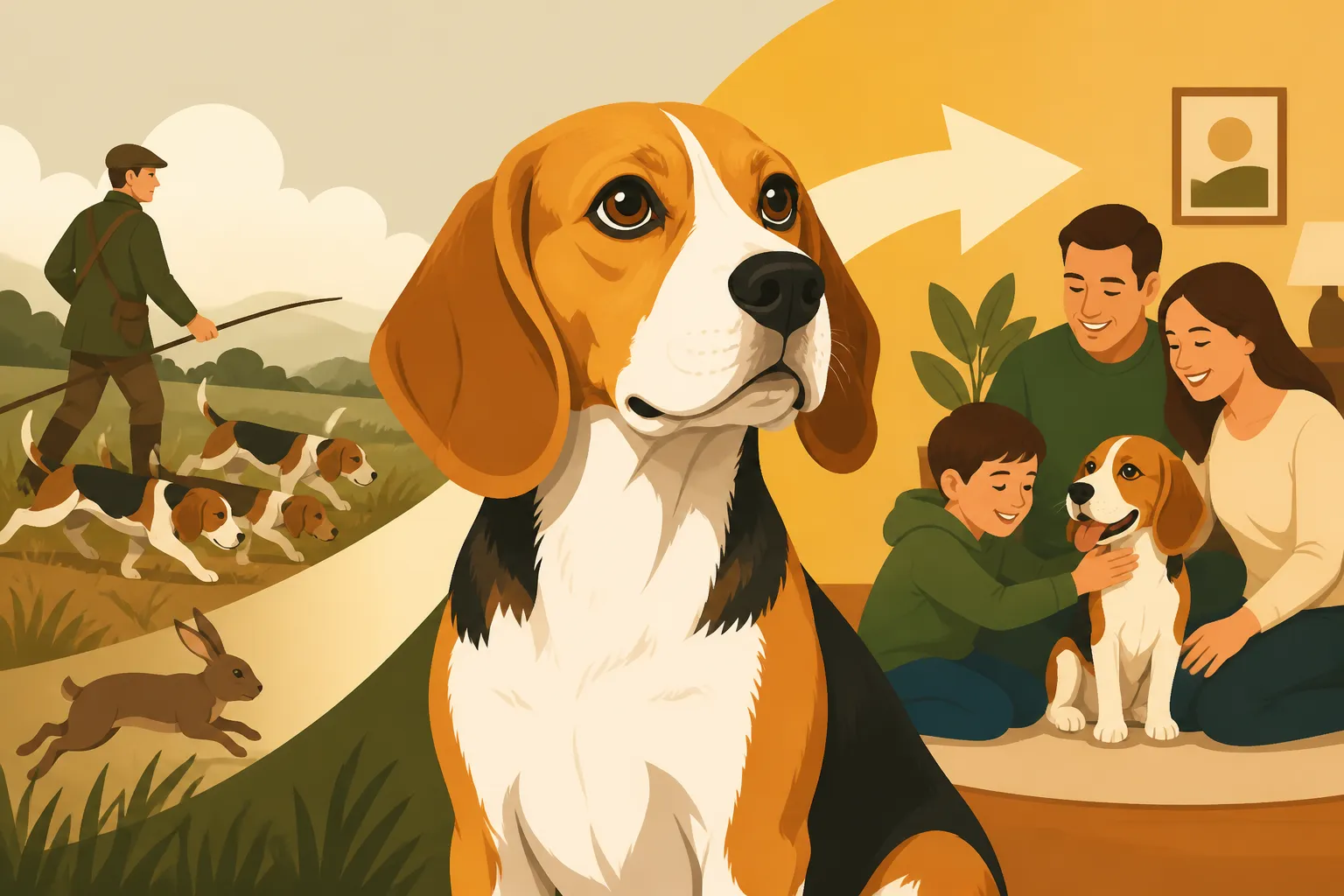
For anyone who has ever fallen for those soulful, pleading Beagle eyes, you know there's more to this breed than just an adorable face. These dogs carry centuries of history in their DNA, a lineage that has shaped every bay, every enthusiastic sniff, and every charming, yet sometimes challenging, personality quirk. This guide isn't just a dry historical account; it's a journey through the evolution of a beloved companion, exploring how the Beagle transitioned from a working dog in the English countryside to the cherished family member we welcome into our American homes today, complete with all their unique traits and needs.
The Ancient Roots of the Scent Hound
Before the Beagle as we know it ever took shape, there were simply "scent hounds." These were dogs bred for one singular purpose: to follow a scent trail, often with their nose glued to the ground, announcing their progress with a distinctive cry. Understanding this ancient lineage helps us truly appreciate why our modern Beagles behave the way they do, why that nose is so powerful, and why their voice is so impossible to ignore. It’s not just a cute habit; it’s instinct honed over millennia.
Tracing the Ancestry of the Beagle Type
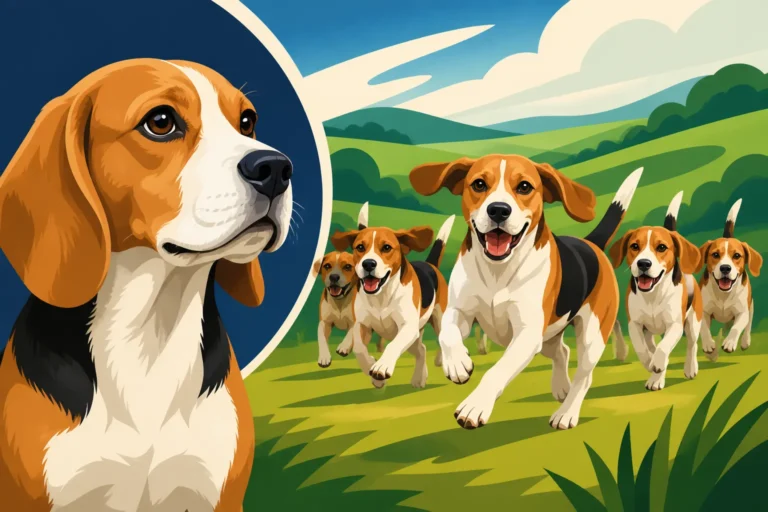
The concept of a scent-following dog is as old as human hunting itself. Long before formalized breeds, hunters relied on dogs to track game, and for smaller prey like rabbits or hares, a dog that could meticulously follow a ground scent was invaluable. These early hounds weren't necessarily small, but the type of hunting dictated the desired traits. If you were on foot, you didn't want a lightning-fast dog that would disappear over the horizon; you wanted one that stayed with the trail, keeping pace with its human companions. This slow, methodical pursuit allowed hunters to keep up, ensuring a successful chase.
Evidence of Beagle-like hounds can be traced back to Roman times, and certainly throughout medieval Europe. While we don't have definitive records of "Beagles" by name from these eras, the function they served, and the physical characteristics described – relatively small, keen sense of smell, vocal – suggest a common ancestry. These dogs were not bred for appearance or companionship but purely for their working ability. Their value was directly tied to their skill in the field, making them indispensable partners in subsistence and sport hunting alike. Many modern breeds can claim lineage from these versatile working dogs, but the path of the Beagle type is particularly clear for its specialized pursuit of small game. You can dive deeper into this long history by checking out Beagle-Type Hounds Across Twenty-Five Centuries.
The Influence of the Talbot and Southern Hounds
As hunting practices evolved in medieval England, so too did the dogs. Two notable ancestors in the Beagle's distant family tree are often cited: the Talbot Hound and the Southern Hound. The Talbot, thought to have been brought to England by William the Conqueror in the 11th century, was a large, slow, deep-chested white hound, famed for its excellent nose and perseverance. While quite different in appearance from today's Beagle, its genetic contribution was significant, particularly its incredible scenting ability and deliberate tracking style. These were serious hunting dogs, often depicted on coats of arms and in tapestries, signifying their noble status.
The Southern Hound, which flourished in England by the 17th century, was a more direct predecessor. Larger and heavier than modern Beagles, these hounds were known for their profound baying voices and their slow, methodical tracking of hares. They had long, pendulous ears and a deep chest, much like some of our larger modern hounds. They hunted in packs, allowing the hunters, often on foot, to follow at a manageable pace. Their strong, resonant voices were crucial for hunters to keep tabs on the pack in dense undergrowth. The Southern Hound refined the traits of persistence and vocalization that would become hallmarks of the Beagle.
How the Modern Beagle Emerged in England
The transition from general "scent hound" to the distinct Beagle breed we recognize today was a slow process, rooted in the specific hunting needs of 19th-century England. As fox hunting gained popularity with larger hounds, there remained a strong desire for a smaller, more nimble dog that could hunt hares and rabbits on foot. This need fostered the refinement of what we now call the Beagle, transforming it from a diverse collection of small hounds into a recognized and cherished breed.
Reverend Honeywood's Essex Pack and the Pocket Beagle Myth
One of the most significant figures in the early development of the modern Beagle was Reverend Phillip Honeywood of Essex, England. By the 1830s, Honeywood had established a pack of Beagles that were renowned for their uniform size and exceptional hunting abilities. His focus was on creating a hound that was perfectly suited for hunting hare, a sport that could be enjoyed by those who preferred to follow on foot rather than horseback. This specific aim led to the breeding of smaller, more compact hounds, making the chase accessible and enjoyable for a wider range of participants. You can learn more about his influence in Reverend Phillip Honeywood and His Essex Pack.
It's from this era that the "Pocket Beagle" myth often arises. Historical records do indeed mention very small Beagles, some standing as little as 10 inches at the shoulder. These tiny hounds were said to be small enough to be carried in a hunter's saddlebag, only to be released when the chase entered dense undergrowth or difficult terrain where larger dogs struggled. While these miniature Beagles certainly existed, they were primarily working dogs, bred for a specific function, not as novelty pets. The idea of a "Pocket Beagle" today often conjures images of unethically bred miniature dogs, but in historical context, it referred to a legitimate working variant, a testament to the versatility of the early Beagle.
Standardizing the Beagle for Show and Field
By the late 19th century, as dog shows gained popularity and the concept of "purebred" dogs became more formalized, there was a growing movement to standardize many breeds, including the Beagle. The diverse types of small hounds needed a clear definition, and enthusiasts began to work towards a consistent breed standard. This effort was crucial for preserving the breed's characteristics and ensuring its future. The Beagle Club was formed in England in 1890, largely dedicated to promoting the breed and establishing a consistent type. This marked a pivotal moment, shifting the Beagle from a purely utilitarian working dog to one also recognized for its distinct appearance and temperament.
However, this standardization wasn't without its challenges or internal debates. There was a natural tension between those who valued the Beagle's traditional hunting prowess and those who focused on conformation for the show ring. Breeders often specialized, with some continuing to breed for field ability (often called "field Beagles") and others prioritizing the aesthetic qualities outlined in the emerging breed standard ("show Beagles"). Despite these different focuses, the core traits of the Beagle – its remarkable nose, its merry disposition, and its distinctive vocalizations – remained paramount. The work of these early clubs was instrumental in ensuring that the Beagle, with its charming character and formidable hunting instincts, would continue to thrive.
The Beagle's Journey Across the Atlantic
The Beagle's story wouldn't be complete without its transatlantic voyage and subsequent rise to popularity in America. Like many European breeds, the Beagle found fertile ground in the New World, adapting to American landscapes and hunting traditions, eventually becoming one of the most beloved dog breeds in the country. This journey was driven by practical needs, dedicated fanciers, and the breed's undeniable charm.
American Farmers and the Preservation of the Breed
Beagles first arrived in America as early as the colonial period, but their true impact began to be felt in the mid-19th century. American farmers and hunters, much like their English counterparts, needed a dependable hound for tracking small game, primarily rabbits and hares. The Beagle, with its keen nose, sturdy build, and manageable size, was perfectly suited for these tasks. They could navigate the diverse American terrain, from dense forests to open fields, and their distinctive baying allowed hunters to follow the chase through challenging environments. Unlike larger hounds, Beagles were also more economical to keep and less demanding in terms of space, making them ideal for the working farm.
The practicality of the Beagle meant that while formal breed clubs were still developing, many American farmers were already breeding and utilizing these dogs for their undeniable working ability. These were not show dogs; they were tools, integral to pest control and providing food. This utilitarian focus helped preserve the breed's natural instincts and robust health, ensuring that the working qualities remained strong. The success of the Beagle in the American countryside laid the groundwork for its formal recognition and widespread adoption as a beloved companion animal. Their adaptability and effectiveness truly cemented their place in American rural life.
The National Beagle Club and the AKC Recognition
As the 19th century drew to a close, a more organized effort to promote and standardize the Beagle in America took shape. In 1887, a group of dedicated enthusiasts founded the National Beagle Club in the United States. This club was instrumental in establishing a consistent American breed standard, mirroring many of the ideals being developed in England, but tailored slightly to the American context. Their efforts led directly to the American Kennel Club (AKC) recognizing the Beagle as a distinct breed in 1884, with formal classifications for its two size varieties emerging shortly thereafter. This recognition was a huge step, bringing the Beagle into the formal world of dog shows and pedigrees.
The National Beagle Club quickly became the parent club for the breed, overseeing its development, promoting ethical breeding practices, and organizing field trials that tested the dogs' natural hunting instincts. These field trials were crucial because they ensured that even as Beagles gained popularity in the show ring, their foundational purpose as scent hounds was not forgotten. The National Beagle Club and Its 1887 Founding delves into this history. The club’s dual focus on conformation and working ability helped maintain the breed’s balance between beauty and brains. This structured approach, combined with the Beagle's inherent charm and adaptability, paved the way for its steady ascent into the hearts and homes of American families, eventually cementing its status as one of the most consistently popular breeds in the nation.
The Beagle Standard and Its Enduring Traits
The breed standard for the Beagle is more than just a list of physical attributes; it’s a blueprint that encapsulates centuries of selective breeding for a specific purpose. Every detail, from the length of their ears to the carriage of their tail, has a story, often linked to their heritage as a tenacious scent hound. Understanding these characteristics helps us appreciate the Beagle's unique charm and the reasons behind some of their most endearing, and sometimes challenging, behaviors.
The Two Recognized Varieties: 13-inch and 15-inch
The American Kennel Club recognizes two distinct varieties of Beagles, differentiated solely by their height at the shoulder: the 13-inch variety and the 15-inch variety. This distinction is purely for show purposes, allowing dogs to compete against others of similar size. The 13-inch variety includes any Beagle that does not exceed 13 inches in height, while the 15-inch variety encompasses Beagles over 13 inches but not exceeding 15 inches. It's important to understand that beyond this height difference, there are no other significant distinctions in temperament, coat, or overall conformation between the two. They are both Beagles, through and through, sharing the same merry disposition and incredible scenting ability. For more on this, you can look at The Thirteen Inch Beagle Variety.
This size classification harks back to their working origins, where different sizes might have been preferred for specific terrains or types of game. The smaller hounds were arguably more agile in dense cover, while slightly larger ones might have had an edge in endurance over longer hunts. For today's pet owner, the choice between a 13-inch or 15-inch Beagle often comes down to personal preference or availability, though many don't even realize their Beagle falls into a specific category until they look at their registration papers. Regardless of their exact height, both varieties require the same commitment to exercise, mental stimulation, and training that all Beagles thrive on. Their energy levels and intellectual needs are consistent across both sizes.
Characteristic Physical Features: Head, Ears, and Tail
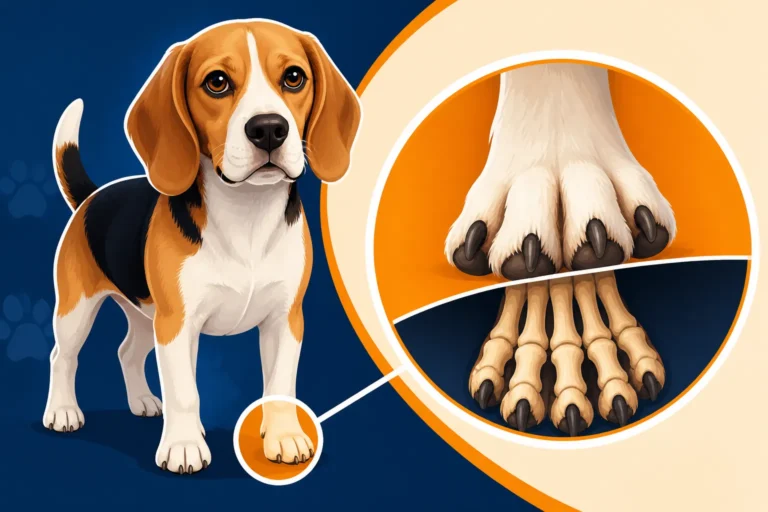
A Beagle's appearance is utterly distinctive, and many of its characteristic features are direct links to its working past. Take their head, for example. The skull is fairly long, slightly domed, and the muzzle is medium length, straight, and square-cut, all allowing for maximum space for their incredible olfactory system. Their eyes, often described as having a "pleading" or "soft" expression, are typically brown or hazel and are set wide apart, conveying an intelligent and gentle nature. This expression is one of the most captivating aspects of the breed and a big reason why so many people fall in love with them at first sight.
Perhaps the most iconic features are their long, low-set, pendulous ears, which feel velvety to the touch. These ears aren't just charming; they serve a practical purpose. As a Beagle follows a ground scent, its ears essentially sweep the ground, gathering and funneling scent particles directly towards its nose, enhancing its already phenomenal scenting ability. This is why keeping those ears clean and healthy is so crucial for preventing infections, a common Beagle ailment. Then there's the tail, carried gaily erect like a flag, with a characteristic white tip. This white tip, often called the "flag," was selectively bred into the standard because it made the dog easier to spot when it was hot on a trail through tall grass or dense underbrush. It’s a small detail with a big historical purpose. All these features combine to create the unmistakable Beagle silhouette. If you're curious about their adorable facial features, Beagle Ears, Eyes and Expression is a great read.
Understanding the Beagle Temperament
The breed standard famously describes the Beagle as "merry," and honestly, it’s one of the most accurate descriptions you'll ever find for a dog. Beagles possess an undeniable zest for life, an endless curiosity, and a generally friendly, outgoing nature. They are truly pack animals at heart, having been bred to work closely with other dogs and often with people. This makes them excellent family pets, typically getting along well with children and other animals. Their affectionate nature means they thrive on companionship and can sometimes struggle with being left alone for long periods, potentially leading to separation anxiety if not properly managed.
However, beneath that merry exterior lies a strong-willed and determined hound. Their entire being is geared towards following a scent, and once they've locked onto an interesting trail, their selective hearing kicks in with impressive efficiency. This "stubbornness" isn't defiance; it's simply their instinct overriding all other commands. It's why recall can be such a challenge and why a secure, fenced yard is non-negotiable for a Beagle. They are endlessly curious and love to explore with their nose, which can lead them into all sorts of mischief if left unsupervised. Understanding this inherent drive is key to a successful relationship with a Beagle. Being aware of The Beagle Temperament Written Into the Standard can help prepare prospective owners for the joys and quirks of this breed.
The Beagle's Multifaceted Role in Modern Society
While the Beagle's original purpose as a rabbit hunter remains a cherished part of its identity, the breed has evolved to fill a variety of roles in contemporary society. From dedicated working dogs safeguarding our borders to beloved family companions, and even historically, in scientific research, the Beagle's adaptability and unique traits have made it a versatile and recognizable presence in many different spheres.
The Beagle Brigade: Working Dogs with an Unmistakable Nose
One of the most famous modern roles for the Beagle is undoubtedly the "Beagle Brigade." These specially trained Beagles work for the U.S. Customs and Border Protection at airports and other points of entry, sniffing out prohibited agricultural products. Their job is critical: preventing the introduction of foreign pests and diseases that could devastate American crops and ecosystems. The Beagle's friendly, non-intimidating appearance is a major asset in this role. Unlike larger, more imposing working dogs, a Beagle quietly and efficiently sniffing luggage doesn't typically alarm travelers, making them incredibly effective in high-traffic environments.
Their unparalleled sense of smell, honed over centuries of hunting, makes them perfectly suited for detecting a wide array of fruits, vegetables, and other organic materials. A Beagle's nose is truly a wonder, capable of discerning tiny traces of scent even amidst the cacophony of an airport terminal. These Beagles often come from shelters or are retired hunting dogs, showcasing the breed's natural abilities regardless of their background. They perform an invaluable service, embodying the working spirit of their ancestors in a thoroughly modern context. It’s a job that perfectly highlights their strengths: their scenting power, their focus, and their ability to work diligently for a high-value reward, often a simple treat or toy. If you're fascinated by their customs work, The USDA Beagle Brigade at the Airport offers a great look into their daily lives.
Beagles in Research and Advocacy
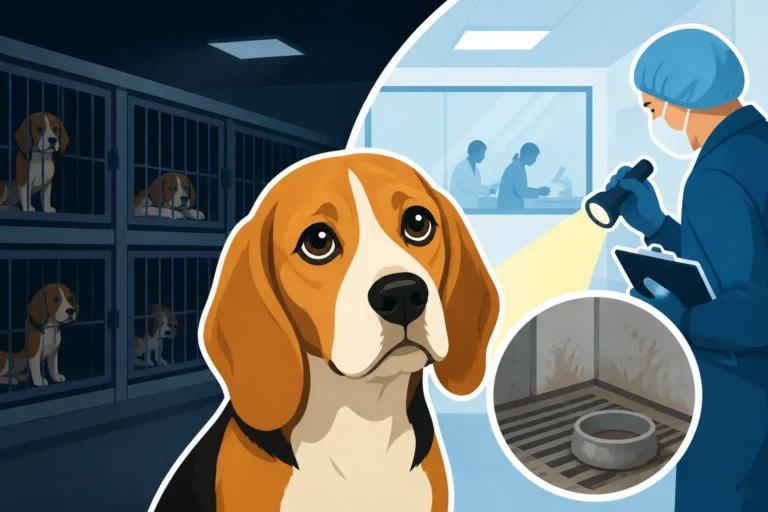
Historically, Beagles have been widely used in scientific and medical research. Their relatively small size, docile temperament, and genetic uniformity made them a preferred choice for laboratory studies, particularly in pharmacology and toxicology. For decades, thousands of Beagles were bred and housed in research facilities, contributing to advancements in human and animal medicine. However, the ethical implications of animal testing have increasingly come under scrutiny, leading to significant advocacy efforts aimed at reducing and ultimately replacing the use of animals in research.
In recent years, there has been a notable shift, with a growing movement to rescue and rehome Beagles from research facilities once their studies are complete. The "Envigo Beagles" case, where thousands of Beagles were rescued from a breeding facility, brought significant public attention to this issue and spurred widespread adoption efforts. Organizations are now dedicated to rehabilitating these former research dogs, helping them adjust to life outside a laboratory setting, often for the first time. This transition requires immense patience and understanding, as many of these dogs have never experienced grass, a soft bed, or human affection in a traditional sense. These rescue efforts highlight the Beagle's resilient spirit and the compassion of countless volunteers and adopters. For those interested in this aspect, Adopting a Beagle That Came Out of a Lab explores the unique challenges and rewards.
Beagles as Beloved Family Companions
Despite their strong working instincts and sometimes challenging quirks, the vast majority of Beagles in America today live as cherished family pets. Their merry, affectionate, and generally tolerant nature makes them wonderful companions, especially for families with children. They love to be involved in family activities, whether it's a backyard game of fetch or simply snuggling on the couch. Their pack mentality means they thrive on companionship and often do well in homes with multiple pets, including other dogs. Beagles With Children and With Other Dogs explains more about their social tendencies.
However, owning a Beagle as a pet comes with its own set of realities. Their powerful scent drive means they need secure containment and cannot be trusted off-leash in unfenced areas. Their vocalizations, ranging from barks to bays and howls, can be a charming trait to some but a source of frustration for neighbors if not managed. They also have a famously strong food drive, requiring careful portion control to prevent obesity and diligent counter-proofing. Despite these challenges, the loyalty, endless entertainment, and deep affection a Beagle offers make them incredibly rewarding companions for families prepared to meet their specific needs. It's a testament to their enduring charm that so many people willingly embrace these quirks for the joy a Beagle brings into their home.
Why the Beagle Captures So Many Hearts Today
The Beagle's journey from historical hunting hound to modern-day icon is a testament to its enduring qualities. They continue to be one of the most popular breeds, not just for their charming looks and merry personality, but for the profound connection they forge with their human families. Their presence in popular culture and their distinct needs contribute to a unique ownership experience that many wouldn't trade for anything.
Popularity and Cultural Impact
The Beagle has consistently ranked among the top ten most popular dog breeds in America for decades, a testament to its widespread appeal. Their moderate size, generally friendly disposition, and iconic appearance make them a recognizable and beloved figure. Much of this popularity can also be attributed to their significant presence in popular culture, most notably through Charles Schulz's creation, Snoopy. This beloved cartoon character, a fiercely imaginative and often philosophical Beagle, captured the hearts of millions around the world, making the breed instantly recognizable and deeply endearing. Snoopy and the Beagle in American Culture truly explores this phenomenon.
Beyond Snoopy, Beagles have appeared in numerous films, television shows, and advertisements, further cementing their image as a friendly, intelligent, and sometimes mischievous companion. This media exposure has undoubtedly influenced public perception and contributed to the breed's sustained popularity. Their approachable look and adaptable nature make them ideal "actors," capable of conveying a wide range of emotions and personalities that resonate with audiences. This cultural omnipresence means that even those who have never owned a Beagle feel a sense of familiarity and affection for the breed.
Living with a Beagle: Rewards and Realities
For those considering bringing a Beagle into their lives, it's essential to understand both the immense rewards and the specific realities of living with this breed. The rewards are plentiful: Beagles offer unwavering loyalty, boundless affection, and endless entertainment with their goofy antics and curious explorations. Their joyful approach to life is infectious, and their snuggly nature makes them excellent cuddle buddies. There's a deep satisfaction in watching a Beagle joyfully follow a scent trail in a secure area or solving a puzzle feeder you bought from a reputable online store like Chewy, knowing you're fulfilling their innate drives.
However, the realities also need to be embraced. Beagles require significant exercise and mental stimulation to prevent boredom and destructive behaviors. Their independent scent drive means consistent training and an understanding that sometimes, their nose will win. Their vocalizations can be a concern for apartment dwellers or those with close neighbors. They are expert escape artists, and a truly Beagle-proof yard is often more of a challenge than anticipated. Potential owners should also prepare for a strong food drive, requiring diligent feeding routines and counter-surveillance. It's a commitment, but one that dedicated Beagle owners will tell you is absolutely worth it. If you want a candid look at what to expect, What Nobody Tells You Before Getting a Beagle is a must-read.
The Enduring Appeal of a Scent Hound
At the core of the Beagle's enduring appeal is its fundamental identity as a scent hound. This isn't just a historical footnote; it's a living, breathing aspect of every Beagle. Their joy is often found with their nose to the ground, deciphering the invisible world of scent. Modern Beagle owners have increasingly embraced this instinct, moving beyond traditional hunting to engage their dogs in scent work, nose work, or barn hunt activities. These sports not only provide immense mental stimulation but also strengthen the bond between dog and owner, allowing Beagles to do what they were truly bred to do. You can find many enriching toys and training aids for scent work on sites like Chewy.
The Beagle's resilience, coupled with its zest for life, ensures its continued place as a cherished companion. They are hardy dogs, capable of adapting to various living situations as long as their core needs for exercise, mental engagement, and companionship are met. Their unique blend of merry charm, determined spirit, and unparalleled olfactory abilities makes them truly one-of-a-kind. For generations, they've been by our side, following trails and filling our homes with their distinctive voices and loving presence. The Beagle's story is a continuous thread woven through history, a testament to the power of a dog that lives fully, nose first, in every moment. Learning about Scent Work as the Job a Beagle Was Built For can illuminate how to best channel their natural talents.
Beagle History in a Nutshell: A Timeline
To better understand the Beagle's journey, here’s a quick overview of key milestones in its development and recognition:
| Era/Event | Key Development | Impact on Beagle Breed |
|---|---|---|
| Ancient Times | Existence of small scent hounds across Europe | Laying the genetic and functional groundwork for the Beagle type. |
| 11th-17th Century | Development of Talbot and Southern Hounds in England | Contributed strong scenting ability, methodical tracking, and vocalization. |
| 1830s | Reverend Phillip Honeywood establishes a notable pack in Essex | Refined the smaller, uniform hunting Beagle; source of "Pocket Beagle" history. |
| 1840s | John Mills writes about Beagles in The Sportsman's Library | Early documentation and recognition of the emerging Beagle type. |
| 1870s | First Beagles formally imported to America for breeding purposes | Introduction of the breed to American hunting and dog fanciers. |
| 1884 | American Kennel Club (AKC) recognizes the Beagle breed | Formal establishment of the Beagle in the U.S. dog fancy. |
| 1887 | National Beagle Club of America founded | Established breed standard, promoted ethical breeding, organized field trials. |
| 1890 | The Beagle Club (England) founded | Further standardized the breed in its country of origin. |
| Mid-20th Century | Rise in popularity as family pets; Snoopy character introduced in 1950 | Transformed public perception; cemented Beagle as a cultural icon and beloved companion. |
| Late 20th Century – Present | Increased use in government detection (Beagle Brigade), focus on rescue and ethical treatment | Demonstrates continued working utility and growing advocacy for animal welfare. |
Disclaimer
This article is for general informational purposes only and does not constitute professional advice. Laws, prices and regulations vary by location and change over time. Consult a qualified professional for guidance on your specific situation.