Wiping a Beagle’s Eyes and Tear Stains
One of the most common cosmetic and sometimes health-related frustrations Beagle owners face is dealing with those stubborn, reddish-brown tear stains that can accumulate around their expressive eyes. It often feels like a never-ending battle, wiping and cleaning, only for them to return days later, leaving you wondering if you're doing something wrong or if it's a sign of a deeper issue. This guide is here to walk you through why Beagles get tear stains, how to effectively clean them, and practical steps you can take to prevent them from becoming a persistent problem.
Understanding Beagle Eye Health and Why They Get Tear Stains
Those endearing, soulful eyes are one of a Beagle's most distinctive features, but they can also be prone to collecting tear stains. It's not just an aesthetic issue; persistent moisture around the eyes can lead to skin irritation or even secondary infections. Understanding the root causes is the first step toward managing this common Beagle challenge.
The Unique Anatomy of a Beagle's Eyes
Beagles, with their characteristic deep-set, soft brown eyes, often have a slightly looser eyelid structure compared to some other breeds. This can sometimes lead to tears not draining perfectly through the tear ducts, especially if there's any slight irritation or swelling. Their long, drooping ears, while adorable, can also trap humidity around the face, creating an environment where moisture around the eyes might not dry as quickly. This constant dampness becomes a breeding ground for yeast and bacteria, which contribute to the reddish-brown discoloration we call tear stains. It’s a bit of a perfect storm – an anatomical predisposition combined with environmental factors – that makes our Beagles particularly susceptible.
Beyond the physical structure, a Beagle's active, curious nature means they're constantly sticking their noses into everything. This can expose their eyes to more dust, pollen, and environmental irritants than a less adventurous dog. Imagine your Beagle exploring a tall patch of grass or sniffing through dusty leaves in the park; tiny particles can easily find their way into their eyes, causing irritation and increased tear production. All these seemingly small factors add up, turning what might be a minor tear production issue into a visible staining problem that frustrates many owners.
Common Causes of Tear Stains in Beagles
Tear stains, clinically known as epiphora, can stem from several common issues in Beagles. One of the primary culprits is the presence of porphyrins. These are iron-containing waste products found in tears, saliva, and urine. When porphyrins are exposed to light, they turn a reddish-brown color, creating the stains you see. Every dog produces porphyrins, but some dogs produce more, or their tears are exposed to light more readily, making the stains more apparent. It's a natural process, but the intensity can vary.
Another frequent cause is blocked or partially blocked tear ducts. Just like us, dogs have tear ducts to drain excess tears. If these ducts are too narrow, inflamed, or blocked, tears will overflow onto the face instead of draining properly. Allergies are also a huge factor. Beagles can suffer from environmental allergies (pollen, dust mites), food allergies, or even sensitivities to cleaning products used in the home. These allergies can cause itchy, watery eyes, leading to increased tear production and, you guessed it, more staining. Bacteria and yeast, particularly Malassezia, thrive in moist environments and can colonize the damp fur around the eyes, leading to that tell-tale reddish-brown or sometimes even blackish discoloration. Understanding Beagle Skin Allergies and Constant Itching can shed more light on how allergies manifest.
Differentiating Between Normal Stains and Medical Issues
While some tear staining is a purely cosmetic annoyance caused by natural porphyrins, it's crucial to know when those stains might be signaling a more serious underlying medical condition. Normal tear stains tend to be consistent in color and texture – a soft reddish-brown that appears gradually over time. The skin underneath should look healthy and uninflamed, even if the fur is stained. If the staining is mild and occasional, or if your Beagle has always had a touch of staining without other symptoms, it's usually nothing to worry about beyond routine cleaning.
However, a sudden increase in tearing, a change in the color or consistency of the discharge (yellow, green, thick, or pus-like), or if the area around the eyes becomes red, irritated, swollen, or develops a strong odor, it's time to see your vet. These could be signs of an infection, an ingrown eyelash, an ulcer on the cornea, glaucoma, or even a foreign object irritating the eye. Conditions like Beagle Cherry Eye and Glaucoma or Beagle Dry Eye and Daily Drops require prompt veterinary attention and won't clear up with just wiping. Your veterinarian can perform a thorough eye exam, check tear duct patency, and rule out conditions that require medication or even minor surgery. It's always better to be safe than sorry when it comes to your Beagle's precious eyesight. For a comprehensive check, you might ask your vet about Beagle Eye Conditions and the Board-Certified Exam.
Your Step-by-Step Guide to Wiping Beagle Eyes
Once you've ruled out any serious medical concerns with your vet, managing tear stains becomes a consistent part of your Beagle's grooming routine. It's all about gentle care and persistence. Don't feel overwhelmed; with the right tools and a calm approach, you'll have those Beagle eyes sparkling in no time.
Gathering Your Essential Cleaning Supplies
Before you even think about approaching your Beagle's face, make sure you have everything you need laid out and ready. This will make the process smoother and less stressful for both of you. First, you'll want some soft, lint-free pads. Cotton balls or squares work, but specialized pet eye wipes, often available at pet stores or online retailers like Chewy, are often pre-moistened with gentle cleansing solutions and are perfectly sized for the job. Avoid harsh cotton that can leave fibers behind, which could further irritate the eye.
Next, you'll need a suitable cleaning solution. Never use plain tap water, as it can contain irritants and often doesn't effectively clean or inhibit bacterial growth. Opt for a veterinarian-approved eye-cleaning solution designed specifically for dogs. These often contain mild antiseptics or chelating agents that break down porphyrins. Some owners also find success with a diluted saline solution (like contact lens saline, but ensure it has no added ingredients) or even cooled, boiled water with a tiny pinch of salt. You might also consider a fine-toothed comb or tear stain comb, particularly if your Beagle has longer fur around the eyes that can get matted with tears. Finally, keep some high-value treats handy. Positive reinforcement is key to making this a pleasant experience for your sensitive hound.
The Gentle Art of Daily Eye Wiping
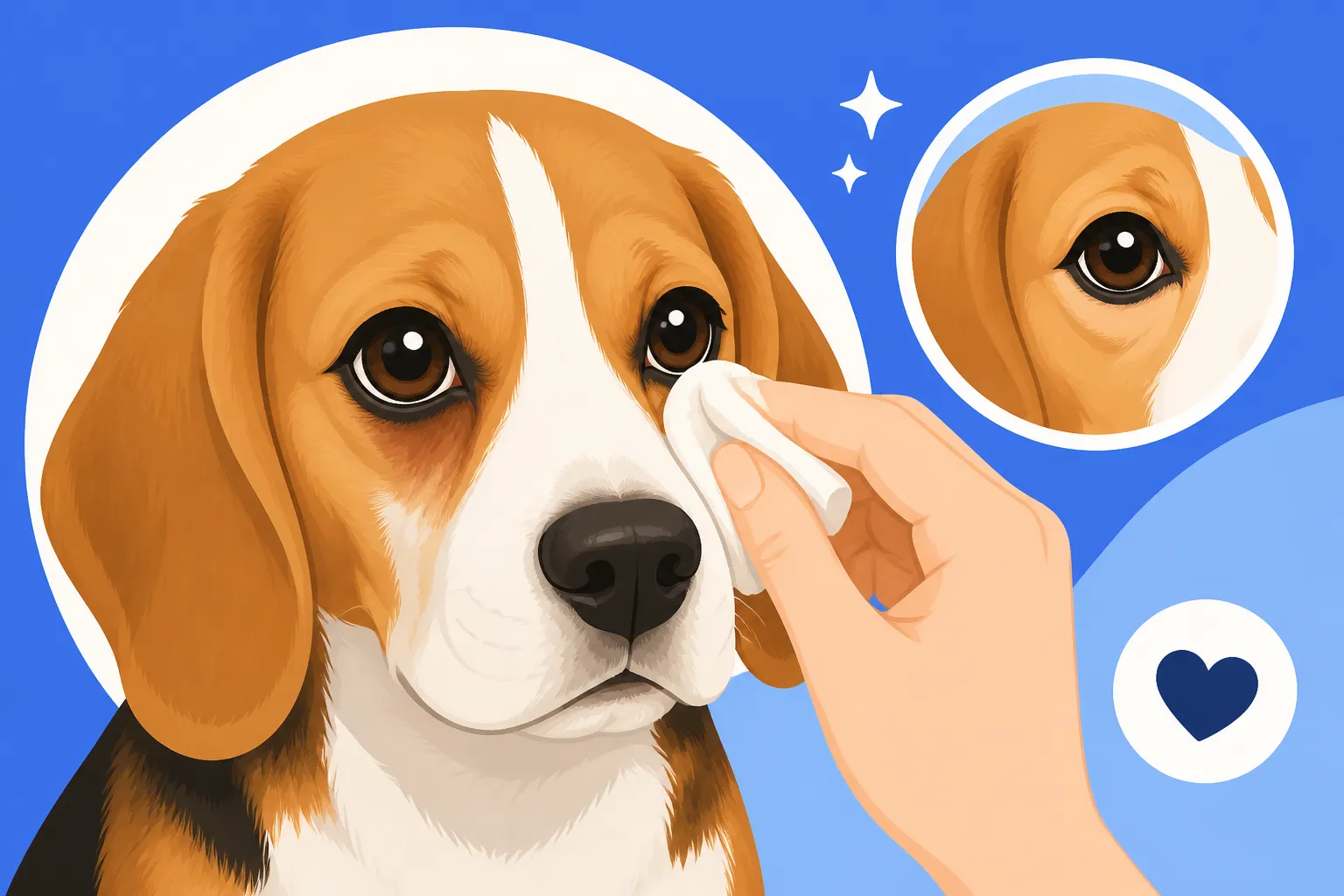
Consistency is truly your best friend when it comes to preventing and managing tear stains. Aim to wipe your Beagle's eyes at least once daily, and ideally twice if you're battling significant staining. Choose a quiet time when your Beagle is relaxed, perhaps after a nap or a gentle play session. Start by gently cupping your Beagle's head in one hand, speaking in a soothing voice. Hold the pre-moistened wipe or a cotton pad dampened with your chosen solution, ensuring it's not dripping wet.
Carefully wipe the area below the eye, starting from the inner corner and moving outwards, away from the eye itself. Use a fresh part of the wipe or a new pad for each eye to prevent any potential spread of bacteria. Be very careful not to touch the eyeball directly. The goal is to clean the fur that collects the tears and to gently remove any crusty discharge. For really stubborn, dried-on gunk, you might need to hold the moist pad against the area for a few seconds to soften it before gently wiping. Afterward, gently pat the area dry with a clean, soft cloth. This last step is crucial: moisture is the enemy, so ensuring the area is dry helps prevent yeast and bacteria from thriving. Reward your Beagle immediately with praise and a treat for their cooperation.
Tackling Stubborn Tear Stains Safely
Sometimes, those reddish streaks seem truly embedded in the fur, no matter how much you wipe. For stubborn tear stains that daily cleaning doesn't fully resolve, you might need to step up your game, but always with caution. There are specialized tear stain removers available, often found on Amazon, which typically come in topical solutions, powders, or even oral supplements. Topical solutions often contain mild bleaching agents (like hydrogen peroxide, but in very dilute, pet-safe formulations) or gentle acids that break down the porphyrin pigment. Always patch-test these products on a small, less sensitive area first and follow the instructions precisely, keeping them strictly away from the eye itself.
For severe staining and matting, carefully use a tear stain comb or a flea comb to gently work through the stained fur after softening it with a cleaning solution. If the fur is severely matted and tight against the skin, it might be safer to have a professional groomer or your vet carefully trim the stained hair away. This should only be done if you are absolutely confident and have appropriate grooming shears with blunt tips, as the risk of accidentally injuring your Beagle's eye is significant. Never try to cut out matted fur with regular scissors near the eyes. Remember, while these products and techniques can help improve appearance, addressing the underlying cause (like allergies or tear duct issues) is always the most effective long-term solution.
Preventing Tear Stains Before They Become a Problem
The best defense is a good offense, right? When it comes to tear stains, prevention can save you a lot of time and your Beagle a lot of irritation. While you can't completely stop a Beagle from tearing up (they're dogs, after all!), you can minimize the factors that contribute to staining.
Dietary Considerations for Clearer Eyes
What goes into your Beagle's bowl can sometimes have a surprisingly big impact on tear staining. Many owners report that switching to a high-quality, easily digestible diet can reduce tear staining. This is largely because a better diet can lead to a healthier immune system and less inflammation throughout the body, which could reduce eye irritation and excessive tearing. Look for foods with whole, identifiable ingredients and without excessive fillers, artificial colors, or by-products.
Some owners even find success with novel protein diets or those free from common allergens if a food allergy is suspected to be contributing to watery eyes. If you're considering a significant diet change, discussing it with your vet is always a good idea, especially if you're thinking about specialized or fresh food options like those offered by Ollie. While it's not a guaranteed fix for all Beagles, ensuring your dog is getting optimal nutrition can contribute to their overall health, potentially reducing conditions like Beagle Food Allergies Showing Up on the Skin and improving eye clarity. Always ensure your Beagle has access to fresh, filtered water too; the minerals in some tap water can sometimes contribute to staining around the mouth and eyes.
Environmental Factors and Their Impact
Your Beagle's immediate environment plays a huge role in preventing tear stains. Think about anything that might irritate their eyes or encourage bacterial growth. Dust, smoke, strong cleaning chemicals, and even perfumes can be irritants that cause increased tearing. If you use air fresheners or diffusers, consider if they might be contributing. Keeping your home clean, vacuuming regularly, and using air purifiers can reduce airborne allergens and dust, making a noticeable difference for sensitive Beagles.
Outdoors, pay attention to potential irritants. If your Beagle loves to run through tall grasses, check their eyes afterward for any foreign debris. Consider trimming the hair around your Beagle's eyes if it's long enough to wick tears onto the face or poke into their eyes, causing irritation. You can ask your groomer about this. Furthermore, humidity can be a factor. In humid climates, moisture stays on the fur longer, providing a perfect breeding ground for yeast. Ensuring good ventilation and keeping the area around their eyes dry after walks or intense play can help.
Regular Grooming Habits Beyond Just Wiping
Beyond daily eye wiping, a holistic grooming routine is essential for preventing tear stains. Regular bathing with a gentle, dog-specific shampoo helps keep the fur clean and free of irritants, especially if your Beagle has a knack for rolling in interesting smells. Pay particular attention to drying the face thoroughly after baths; again, moisture is the enemy. While Beagles have a short, dense double coat that doesn't require extensive styling, general grooming helps manage shedding and overall skin health. Learn more about Beagle Grooming and That Shedding Double Coat to ensure you're covering all bases.
Here's a quick reference for a comprehensive tear stain prevention approach:
| Area of Focus | Prevention Strategy | Why It Helps |
|---|---|---|
| Diet | High-quality, balanced food; filtered water | Reduces inflammation; minimizes mineral intake that can cause staining |
| Environment | Reduce dust, smoke, chemical irritants; use air purifiers | Decreases airborne allergens and eye irritants |
| Hygiene | Daily eye wiping; regular baths; keep fur around eyes trimmed | Removes porphyrins and prevents yeast/bacteria growth; reduces irritation |
| Vet Care | Regular check-ups; address allergies/infections promptly | Catches underlying medical issues before they become chronic problems |
| Supplements | (Optional, discuss with vet) Probiotics, cranberry, specific enzymes | May support gut health or reduce porphyrin excretion in some cases |
Don't forget other aspects of routine care. Healthy ears and teeth also contribute to overall well-being. Keeping up with Cleaning a Beagle Ear Before Infection Starts is just as important as eye care, as ear infections can sometimes trigger secondary eye irritation. Similarly, maintaining good Beagle Dental Disease and Tartar Buildup hygiene ensures that inflammation from dental issues doesn't indirectly contribute to facial discharge. By adopting these consistent habits, you'll not only keep those tear stains at bay but also contribute to your Beagle's overall health and happiness.
Disclaimer
This article is for general informational purposes only and does not constitute professional advice. Laws, prices and regulations vary by location and change over time. Consult a qualified professional for guidance on your specific situation.