The Five Minute Beagle Ear Routine
Dealing with your Beagle's ears can feel like a constant battle, especially with those adorable long flaps that seem designed to trap every speck of dirt and moisture. Many of us have experienced the frustration of a sudden ear infection, the constant head shaking, or that tell-tale yeasty smell emanating from deep within. But keeping those ears healthy doesn't have to be a daunting, time-consuming chore. This guide will walk you through a simple, effective five-minute routine to help keep your Beagle's ears clean and happy, minimizing those stressful vet visits and keeping your furry friend comfortable.
Why Those Long, Floppy Beagle Ears Need Consistent Care
Beagles are incredible dogs, known for their boundless energy, cheerful disposition, and legendary noses. But those very traits, combined with their unique ear anatomy, make them particularly susceptible to ear problems. It's not just about aesthetics; those long, velvety ears are a health consideration that requires regular attention.
The Anatomy That Invites Trouble
Take a moment to look at your Beagle's ears. They're long, often reaching past their jawline, and they hang down, covering the ear canal. This lovely, floppy design, while characteristic of the breed, creates a perfect microclimate for bacteria and yeast to thrive. Unlike dogs with prick ears where air can circulate freely, your Beagle's ears effectively seal off the canal. This lack of ventilation means that any moisture, whether from a bath, a swim, or even just humidity in the air, gets trapped inside. And where there's warmth and moisture, there's often trouble brewing.
Think of it like this: imagine trying to dry a damp towel in a sealed plastic bag. It's just not going to happen efficiently. The same principle applies to your Beagle's ears. This anatomical quirk is precisely Why Beagle Ears Trap Moisture So Well, making them a prime breeding ground for opportunistic infections. Many Beagle owners know the pain of recurrent issues because of this design. It’s why proactive care, rather than reactive treatment, is so crucial for these wonderful hounds.
The Scent-Driven Lifestyle Adds to the Challenge
Beyond anatomy, a Beagle's very nature contributes to its ear woes. These dogs are purpose-bred scent hounds, meaning their noses are almost constantly to the ground. Every walk, every sniff in the backyard, every adventure through tall grass is an opportunity for dust, dirt, pollen, seeds, and other debris to get swept directly into those open ear canals. If you've ever watched your Beagle follow an invisible trail, head down, tail up, you've seen them literally vacuuming up the ground.
This constant interaction with the environment means their ears are exposed to more foreign material than many other breeds. Pollen can trigger allergies, leading to inflammation and itchiness, which in turn can predispose them to infection. Tiny grass seeds can even migrate down the ear canal, causing immense irritation and requiring veterinary removal. It’s a vicious cycle that starts with their incredible nose and ends, sometimes, with an unhappy ear. Recognizing this helps us understand that Beagle Ear Infections Under Those Long Ears are not just bad luck, but a direct consequence of their wonderful, Beagly traits and anatomy.
Gathering Your Arsenal: What You Need for Your Ear Routine
Before you embark on your five-minute ear cleaning mission, it’s essential to have all your supplies ready and within reach. A calm, prepared approach makes the whole process smoother for both you and your Beagle. No one likes a frantic search for supplies mid-clean!
Essential Cleaning Solutions and Tools
First and foremost, you'll need a good quality, vet-approved ear cleaning solution. This isn't just plain water; these solutions are specially formulated to break down wax and debris, dry the ear canal, and often contain ingredients that help prevent bacterial and yeast overgrowth. Always opt for a solution recommended by your veterinarian. Avoid anything with alcohol, hydrogen peroxide, or harsh chemicals, as these can irritate sensitive ear tissue, especially if there's already some inflammation.
You can often find excellent, gentle ear cleaners from trusted retailers. For example, a quick search on Chewy or Amazon will show you a wide array of options. Many popular brands are readily available, and reading reviews from other dog owners can help you choose. Remember, the goal is to clean, not to sterilize aggressively, which can disrupt the natural balance of the ear. As for applicators, stock up on soft cotton balls or gauze pads. These are perfect for wiping away debris. What you absolutely want to avoid are cotton swabs (Q-tips). While tempting for reaching "deeper," they can push debris further into the ear canal, compact wax, and even damage the delicate eardrum. It’s important to know What Solution to Use Inside a Beagle Ear to avoid causing more harm than good.
Creating a Calm Environment
Beyond the physical supplies, your mental approach and the environment you create are just as crucial. Beagles are incredibly sensitive to our moods. If you're stressed or rushed, they'll pick up on that immediately and associate ear cleaning with an unpleasant experience. The goal is to make this a positive, or at least neutral, part of their routine.
Choose a quiet time when your Beagle is relaxed, perhaps after a nice walk or a meal. Find a comfortable spot where you can easily reach their head and ears – a grooming table, the floor, or even your lap if they're a smaller Beagle. Have plenty of high-value treats ready. Because Beagles are so food-driven, using treats liberally throughout the process can turn it from something they tolerate into something they anticipate (mostly for the snacks!). Talk to them in a calm, soothing voice, offering praise and reassurance. If you have a particularly squirmy Beagle, having a second person to gently hold them and offer treats can be incredibly helpful. Consistency in your approach and positive reinforcement are key to building a good association with ear care.
The Step-by-Step Five-Minute Beagle Ear Cleaning Routine
Alright, supplies gathered, environment set, and you're ready to tackle those ears. Remember, the goal is gentle efficiency. You're not performing surgery; you're just tidying up!
Prepping Your Beagle and the Ear
Start by gently getting your Beagle into position. Speak to them calmly, offering praise and a small treat for cooperation. You might have them sit or lie down, whatever makes them most comfortable and provides you easy access to their ears. Take a moment to lift the ear flap and visually inspect the ear canal. This initial check is vital. What are you looking for?
Look for any signs of redness or swelling on the visible skin inside the ear flap and around the entrance to the canal. Is there any discharge? Normal earwax is usually light brown and minimal. Dark brown, yellowish, or black discharge, especially if it's excessive or has an unusual consistency, is a red flag. Pay close attention to the smell. A healthy ear has little to no odor. A foul, yeasty, or sweet smell often indicates an infection. Your Beagle might also be giving you clues through their behavior, like excessive scratching, head shaking, or holding their head tilted. These are all Beagle Ear Infection Symptoms to Catch Early and signal that a routine cleaning might not be enough, and a vet visit could be necessary.
The Gentle Cleanse
Now for the actual cleaning!
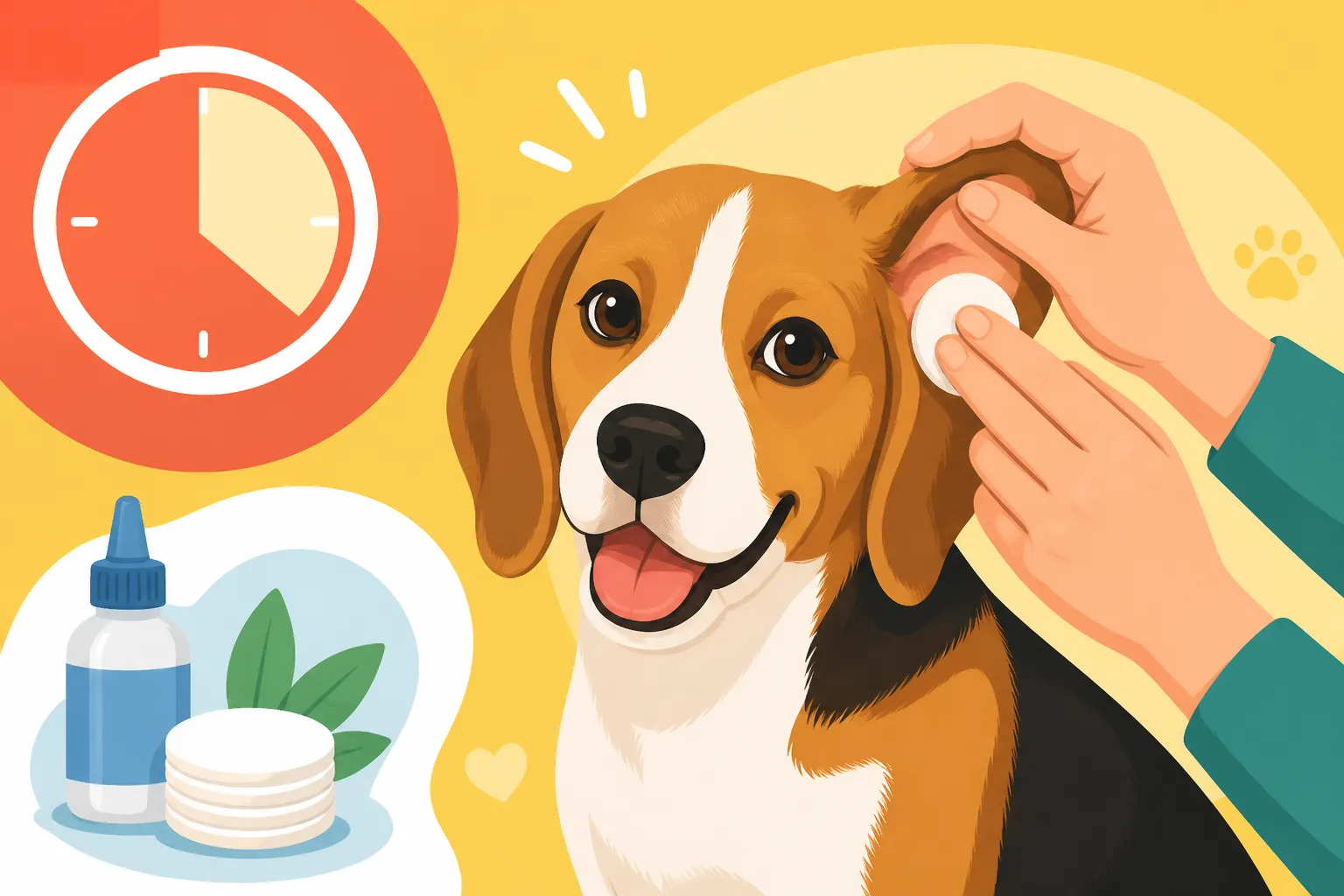
- Apply the Solution: Hold your Beagle's ear flap up, exposing the ear canal. Carefully insert the tip of the ear cleaner bottle into the opening of the canal. Don't push it too far down – just into the opening. Squeeze a generous amount of the cleaning solution into the ear canal until it's visibly full. You'll hear a squishy sound.
- Massage: Lower the ear flap and gently massage the base of the ear, just below the opening. You should hear the liquid sloshing around. Massage for about 20-30 seconds. This helps the solution break up wax and debris deep within the canal. Many Beagle owners find this part the most effective for dislodging buildup.
- Allow the Shake: Let go of your Beagle's head and step back slightly. Your Beagle will almost certainly want to shake their head vigorously. Let them! This shaking action helps dislodge the loosened wax and cleaning solution. It's messy, so be prepared for a spray of liquid – maybe do this outdoors or in a bathroom.
- Wipe Away: Once your Beagle has finished shaking, take a cotton ball or gauze pad and gently wipe out the visible parts of the ear canal and the inside of the ear flap. Don't go deep into the canal with your finger or the cotton ball; just clean what you can easily see and reach. You'll likely see a lot of brown discharge and debris on the cotton. Use fresh cotton balls until they come out relatively clean.
When choosing a solution, consider options like those specifically designed for waxy or sensitive ears. Brands available on Chewy or Amazon often specify their ingredients and purpose. For instance, some solutions contain drying agents, which are particularly helpful for Drying Beagle Ears Thoroughly After a Bath or after a humid day.
Post-Cleaning Checks and Rewards
Once you've wiped away all the visible gunk, take one final look at the ear. Does it appear cleaner? Less red? Does it smell better? Make sure there's no excess moisture left on the outer parts of the ear flap, as this can still lead to problems.
The most important step at the end of the routine, however, is the reward! Give your Beagle lots of praise, a favorite toy, or, true to their nature, a really good high-value treat. You want them to associate this experience with positive outcomes. This reinforcement makes future cleanings much easier. If you consistently make ear cleaning a pleasant (or at least tolerable) experience, your Beagle will be far more cooperative down the line.
When it comes to frequency, a good rule of thumb is to clean your Beagle's ears once a week or every two weeks, especially if they are prone to infections or spend a lot of time outside sniffing. However, if your Beagle swims often, or if you live in a very humid environment, you might need to clean them more frequently, maybe every 3-5 days. Conversely, a Beagle with perfectly healthy, clean ears might only need a check and a quick wipe every month. It’s about finding the right balance for your individual dog, but generally, consistent, gentle care is best to proactively prevent problems. Knowing How Often a Beagle's Ears Need Cleaning is key to maintaining their health without over-irritating them.
When to Elevate Your Concerns: Spotting Trouble Beyond Routine Cleaning
While a regular ear cleaning routine is an excellent preventative measure, it's equally important to recognize when a problem is beyond what you can handle at home. Sometimes, despite your best efforts, an infection can still take hold, or a different issue might be at play.
Common Issues to Watch For
Even with a consistent cleaning schedule, some Beagles are just more predisposed to ear trouble. Here are some signs that indicate something more serious might be going on:
- Persistent Redness and Swelling: If the ear canal and outer flap remain red and inflamed even after cleaning, it's a sign of ongoing irritation or infection.
- Strong, Unpleasant Odor: A healthy ear should smell neutral. A distinctly foul, pungent, or very "yeasty" odor is a strong indicator of bacterial or yeast overgrowth.
- Excessive Discharge: Beyond a bit of normal earwax, any discharge that is heavy, yellow, green, black, or bloody is abnormal and needs veterinary attention. Beagle Yeast Ear Infections That Keep Returning are a common problem and often present with a distinct smell and brownish, waxy discharge.
- Intense Itching and Head Shaking: While some head shaking after cleaning is normal, constant scratching, pawing at the ear, or frequent, violent head shaking means your Beagle is uncomfortable. This constant agitation can even lead to secondary issues like Beagle Ear Hematomas Caused by Head Shaking, where blood vessels rupture within the ear flap.
- Pain Upon Touching the Ear: If your Beagle flinches, cries out, or acts aggressively when you touch their ear, it's a clear sign of pain and inflammation deep within the ear.
- Head Tilt or Loss of Balance: In more severe cases, an inner ear infection can affect balance, causing your Beagle to tilt their head persistently or appear disoriented.
Knowing When a Vet Visit Is Essential
If you observe any of the persistent or severe symptoms listed above, it's time to call your veterinarian. Don't try to "tough it out" or experiment with home remedies, as this can delay proper treatment and allow the infection to worsen, potentially leading to more complex and painful conditions. Your vet can accurately diagnose the problem, whether it's a bacterial infection, a yeast infection, ear mites, a foreign body, or even an underlying allergy. They will often take a swab of the ear discharge to examine under a microscope and identify the exact culprit, ensuring targeted and effective treatment. Early intervention is always best for your Beagle's comfort and long-term ear health.
Here's a quick guide to common ear problems and what to do:
| Symptom | Likely Cause | What to Do Next |
|---|---|---|
| Mild wax, light brown debris, no odor | Normal buildup | Routine 5-minute cleaning at home |
| Redness, swelling, strong yeasty smell | Yeast infection | Vet visit for diagnosis and antifungal treatment |
| Foul odor, yellow/green pus-like discharge | Bacterial infection | Vet visit for diagnosis and antibiotic treatment |
| Intense itching, dark crumbly discharge | Ear mites (common in puppies) | Vet visit for diagnosis and parasiticidal medication |
| Constant head shaking, swollen ear flap | Hematoma (from trauma/shaking) | Immediate vet visit, likely surgical drainage |
| Pain, sensitivity, head tilt | Severe infection, foreign body | Immediate vet visit, could be serious |
| Chronic recurrence of any of the above | Allergies, anatomical issues | Discuss long-term management with your vet |
This article is for general informational purposes only and does not constitute professional advice. Laws, prices and regulations vary by location and change over time. Consult a qualified professional for guidance on your specific situation.