Beagle Obesity and the Risk of Diabetes
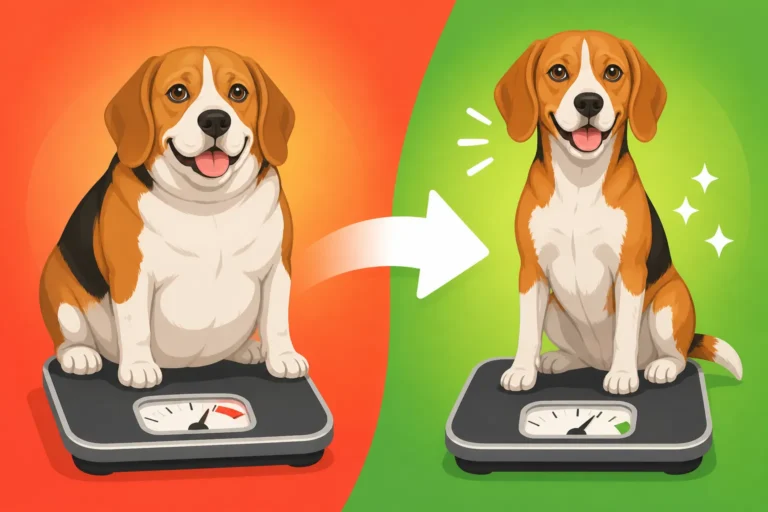
It’s a heartbreaking truth that so many of our beloved Beagles struggle with their weight. Their unending love for food, combined with those soulful eyes begging for just one more treat, makes it incredibly hard to say no. But this isn't just about aesthetics; Beagle obesity carries serious health consequences, none more concerning than the heightened risk of developing diabetes. This guide will walk you through understanding this connection, recognizing the signs, and taking proactive steps to protect your furry family member.
Understanding the Link Between Beagle Obesity and Diabetes
As a Beagle owner, you know the struggle is real. They're built with a nose for scent and a stomach for anything edible. This powerful combination often leads them down the path of becoming a little (or a lot) overweight. What many don't realize is that this extra fluff isn't just extra padding; it's a metabolic game-changer that can dramatically increase their chances of developing canine diabetes. It’s a silent, insidious threat that creeps up on us and our dogs, often when we least expect it.
The Silent Threat of Excess Weight in Beagles
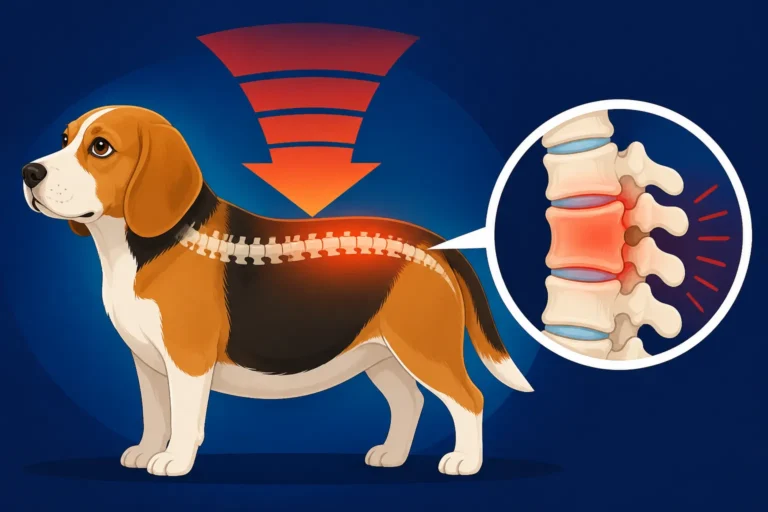
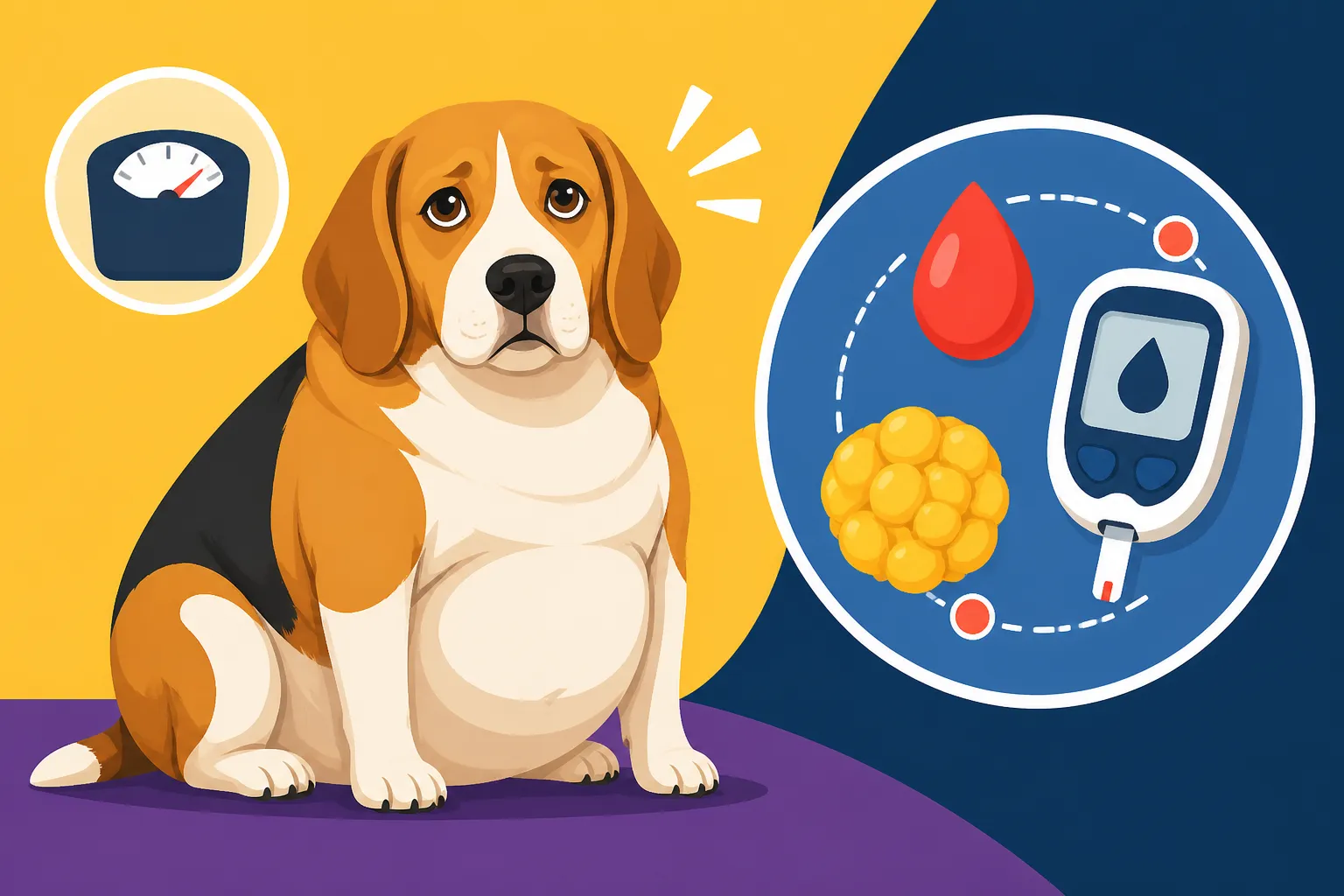
When your Beagle carries extra pounds, it’s not just their joints that feel the strain, though that’s certainly a major concern. Beagle Obesity and Arthritis Arriving Together is a common pairing. The fat tissue itself is biologically active, constantly releasing hormones and inflammatory substances that disrupt the body's normal functions. It's not just a passive storage site; it's an endocrine organ working against your dog's health. This persistent low-grade inflammation and hormonal imbalance can make cells less responsive to insulin, which is the cornerstone of how diabetes starts to manifest.
Think about it like this: every extra ounce of fat your Beagle carries is adding resistance to a system that's designed to be efficient. Over time, their body has to work harder and harder to manage blood sugar, until eventually, it can't keep up. This puts immense pressure on the pancreas, the organ responsible for producing insulin, making it a ticking time bomb for metabolic disorders. This struggle often goes unnoticed until symptoms become severe, which is why understanding the underlying mechanism is so crucial for prevention.
How Insulin Resistance Develops
Insulin is like a key that unlocks cells, allowing glucose (sugar) from food to enter and provide energy. In an overweight Beagle, the body's cells, particularly those in fat and muscle tissue, become less sensitive to this key. This phenomenon is called insulin resistance. It means that even when the pancreas produces insulin, the cells don't respond as effectively, and glucose stays circulating in the bloodstream.
To compensate for this resistance, the pancreas goes into overdrive, pumping out even more insulin in an attempt to get glucose into the cells. For a while, it might succeed, masking the underlying problem. However, this compensatory effort cannot last forever. Eventually, the pancreas becomes exhausted, unable to produce enough insulin to overcome the resistance, leading to consistently high blood sugar levels. This is the point where diabetes mellitus typically becomes clinically evident. It's a progressive disease, and obesity is often the primary driver, accelerating this process significantly. The longer a Beagle is overweight, the greater the demand on their pancreas, and the higher the likelihood of it eventually failing to keep blood sugar in check.
Recognizing the Signs of Obesity and Potential Diabetes in Your Beagle
Catching obesity and the early warning signs of diabetes is absolutely critical. It can feel a bit overwhelming, especially since Beagles are so notoriously food-motivated, making it tough to judge what's 'normal' for them. But knowing what to look for, both in terms of body shape and behavior, can literally save your Beagle's life or at least significantly improve their quality of life.
What Healthy Weight Looks Like for a Beagle
Determining a healthy weight for a Beagle isn't just about a number on the scale, although that's a good starting point. Beagles come in two main varieties: 13-inch and 15-inch, and their ideal weights will differ accordingly. A 13-inch Beagle might ideally weigh between 18-22 pounds, while a 15-inch Beagle typically falls into the 22-30 pound range. However, every dog is an individual, and it's more about their body condition score than a strict number. Setting a Goal Weight for Your Beagle's Frame requires a careful assessment.
A healthy Beagle should have a visible waist when viewed from above, like an hourglass figure, and their abdomen should tuck up slightly when viewed from the side. You should be able to easily feel their ribs when you run your hands along their sides without pressing hard, much like feeling the back of your hand. Their spine should also be palpable, and they shouldn't have excessive fat over their tail base. If you can't feel these bony landmarks easily, or if they have a saggy belly or a round, barrel-like appearance, they are likely overweight. This visual and tactile assessment is far more telling than just the scale alone and should be a routine check you perform at home.
| Body Condition | Appearance | Ribs | Waist | Abdomen |
|---|---|---|---|---|
| Underweight | Ribs, spine, pelvic bones prominent from distance | Easily visible, no fat cover | Severely tucked | Severe abdominal tuck |
| Ideal Weight | Well-proportioned, visible waist | Easily palpable with slight fat cover | Clearly visible from above | Tucked up from side |
| Overweight | Ribs difficult to feel, heavy fat cover | Palpable with difficulty, moderate fat cover | Barely visible | Slightly tucked or straight line |
| Obese | Ribs not palpable, massive fat deposits | Not palpable under thick fat | No waist, broad back | Hanging abdomen, no tuck |
Early Warning Signs of Canine Diabetes
The symptoms of diabetes in dogs, much like in humans, are often subtle at first and can easily be mistaken for other conditions or simply "getting older." However, knowing what to watch for can prompt an early vet visit and diagnosis, which is crucial for managing the disease effectively. One of the most common early signs is an increase in thirst (polydipsia) and, consequently, an increase in urination (polyuria). Your Beagle might start drinking from unusual places, emptying their water bowl much faster, or needing to go outside more frequently, even having accidents indoors.
Another key symptom is unexplained weight loss, despite a seemingly normal or even increased appetite. While it sounds counterintuitive for a dog that was previously overweight, diabetic Beagles aren't able to properly utilize the glucose from their food, so their body starts breaking down fat and muscle for energy. This can lead to a gradual but noticeable loss of condition. You might also notice lethargy or a general decrease in energy levels, as their cells aren't getting the fuel they need. Beagle Diabetes Signs and Daily Insulin outlines these symptoms in more detail. In some cases, you might also see changes in their vision, such as cloudiness in their eyes, which can be an early sign of diabetic cataracts. Any combination of these symptoms warrants an immediate veterinary check-up.
Practical Steps to Manage Your Beagle's Weight and Prevent Diabetes
The good news is that many cases of weight-related diabetes can be prevented or significantly managed with a dedicated approach to diet and exercise. It takes consistency and commitment, but seeing your Beagle thrive at a healthy weight is absolutely worth every effort. Remember, you're their advocate, and their health is in your hands.
Tailoring Diet for Weight Loss and Blood Sugar Control
The cornerstone of weight management and diabetes prevention in Beagles is a controlled, high-quality diet. This means moving away from free-feeding and carefully measuring out their meals. Measuring Beagle Food by Weight Rather Than Cups can provide much more accuracy than volumetric measures. Start by calculating your Beagle's ideal daily calorie target, usually in consultation with your vet, based on their target healthy weight and activity level. For a typical 20-pound Beagle, the daily calorie target might be surprisingly low, so adherence is key.
Choose a dog food that is high in protein and fiber, and lower in carbohydrates and fat. Protein helps them feel full and maintain muscle mass during weight loss, while fiber promotes satiety and helps regulate blood sugar. Look for foods that list meat as the first ingredient and avoid those with excessive fillers or by-products. Companies like Ollie offer fresh, pre-portioned meals that can simplify calorie control, while Chewy provides a vast selection of weight-management kibbles and prescription diets that your vet might recommend. Breaking their daily allowance into Splitting a Beagle's Day Into Two Measured Meals can help manage hunger and metabolism. Don't forget that treats count! Use low-calorie options or tiny pieces of vegetables like carrots or green beans, always factored into their daily calorie budget. Utilizing Puzzle Feeders That Genuinely Slow a Beagle can also help them feel more satisfied with smaller portions.
Effective Exercise Strategies for an Overweight Beagle
Diet is half the battle, but exercise is the other equally crucial component. Beagles are active dogs by nature, bred for stamina in the field, but even they can become couch potatoes if not consistently motivated. For an overweight Beagle, exercise needs to be introduced gradually to avoid injury, especially if they have underlying joint issues. Start with shorter, more frequent walks, slowly increasing the duration and intensity as their fitness improves.
Scent walks are a fantastic way to engage a Beagle's natural instincts and provide mental and physical stimulation. Let them take their time sniffing every interesting smell, allowing them to burn calories while using their incredible noses. This is far more enriching and tiring for a Beagle than a forced march. Exercise That Actually Burns Beagle Calories often includes these mentally stimulating activities. Consider introducing gentle games of fetch or hide-and-seek with their kibble portions in the house. If available, hydrotherapy or swimming can be excellent low-impact exercises, especially for dogs with significant weight to lose or joint pain. Remember to consult your vet before starting any new exercise regimen, particularly for very overweight Beagles, to ensure it's safe and appropriate for their current health status.
The Role of Regular Vet Check-ups and Monitoring
Regular veterinary care is absolutely indispensable when managing Beagle weight and preventing or monitoring for diabetes. Your vet is your best partner in this journey. They can help establish a healthy target weight, recommend appropriate diet plans, and rule out other medical conditions that might contribute to weight gain, such as Beagle Hypothyroidism and the Weight It Puts On. A comprehensive exam will also include blood work to check blood sugar levels and other metabolic markers.
For Beagles on a weight loss journey, routine weigh-ins and body condition scoring by your vet can keep you on track and make necessary adjustments to their plan. If diabetes is a concern, your vet will perform specific tests, including blood glucose curves and fructosamine levels, to confirm a diagnosis. Early detection means earlier intervention, which can significantly improve outcomes and potentially delay the progression of the disease. Never underestimate the power of these consistent check-ins. Beagle Vet Visit Frequency After the Age of Ten also emphasizes how crucial these appointments become for older dogs, where diabetes risk naturally increases.
Living with a Diabetic Beagle: Management and Support
Receiving a diabetes diagnosis for your Beagle can feel overwhelming, but it's not a death sentence. With diligent management and a strong partnership with your veterinarian, many diabetic Beagles can live long, happy, and fulfilling lives. It requires commitment, patience, and a consistent routine, but it's entirely manageable.
Daily Care and Monitoring for a Diabetic Beagle
Managing a diabetic Beagle often involves daily insulin injections, typically given twice a day at consistent intervals, usually after meals. Your vet will teach you how to administer these injections safely and comfortably for your dog. It sounds scary at first, but most owners quickly become adept, and Beagles often tolerate it very well, especially when there's food involved! Consistency in timing for meals and insulin is paramount for stable blood sugar control. Missing doses or giving them at irregular times can lead to dangerous fluctuations.
Monitoring your Beagle's condition at home is also vital. You'll need to watch for signs of low blood sugar (hypoglycemia), such as weakness, disorientation, trembling, or seizures, which can occur if they receive too much insulin or don't eat enough. Having a sugar source like Karo syrup on hand is crucial for emergencies. You'll also need to keep an eye on their thirst, urination, appetite, and energy levels, reporting any significant changes to your vet. Some owners also learn to monitor blood glucose at home using a pet-specific glucometer, which can provide valuable data for your vet to fine-tune their insulin dose. Keeping a detailed log of food intake, insulin doses, and any symptoms will be a huge help to your veterinary team.
Nutritional Considerations for Diabetic Beagles
Diet plays an even more critical role for Beagles diagnosed with diabetes. The goal is to stabilize blood sugar levels and prevent spikes. Your vet will likely recommend a prescription diabetic diet, which is typically high in fiber and complex carbohydrates, and moderate in fat and protein. The fiber helps slow down glucose absorption and promotes a feeling of fullness, which is beneficial for weight management as well. Brands like Purina Pro Plan Veterinary Diets, Royal Canin Veterinary Diet, and Hill's Prescription Diet offer excellent options specifically formulated for diabetic dogs, available through your vet or platforms like Chewy and Amazon with a prescription.
Consistency is key here too. Sticking to the same food, in the same measured amounts, at the same times each day, is crucial for maintaining stable blood sugar. What Changes in a Beagle's Bowl at Eleven is particularly relevant for senior diabetic Beagles, as their dietary needs may shift further. Treats should be severely limited and, if given, should be low-calorie, high-fiber options like small pieces of cooked chicken, green beans, or specific diabetic treats approved by your vet. Avoid sugary or high-carb human foods entirely. Your vet will help you craft a precise nutritional plan that works with their insulin regimen, ensuring your diabetic Beagle receives the best possible care.
Disclaimer
This article is for general informational purposes only and does not constitute professional advice. Laws, prices and regulations vary by location and change over time. Consult a qualified professional for guidance on your specific situation.