Harnesses That Take Load Off a Beagle Neck
It’s a tale as old as time for Beagle owners: you step out the door, leash in hand, ready for a lovely walk, and the next thing you know, your determined hound is pulling like a freight train, nose to the ground, utterly oblivious to the strain on their neck. That constant tugging on a traditional collar isn't just uncomfortable; it can lead to real health concerns over time. This guide is here to walk you through why a well-fitted harness, particularly a front-clip design, can be a game-changer, protecting your Beagle's delicate neck and ensuring happier, healthier adventures together.
Understanding the Risks of Collar Pulling for Beagles
Many of us start our Beagles on a standard neck collar out of habit or convenience. We often don't realize the potential damage that even moderate, consistent pulling can inflict on such a sensitive area. Beagles, with their incredible scent drive, are notorious for putting their whole body into following a fascinating trail, making them prime candidates for collar-related issues.
The Anatomy of a Beagle's Neck and Throat
A Beagle's neck is a surprisingly delicate area, packed with vital structures that are vulnerable to pressure. Underneath that sturdy fur and muscle, you'll find the trachea, or windpipe, which can be easily compressed, leading to coughing, choking, or even long-term damage. There are also important blood vessels, nerves, and the thyroid gland, all located superficially and susceptible to external force. Imagine the constant pressure from a collar repeatedly yanking against these soft tissues; it's a recipe for discomfort, if not outright injury.
Beyond the visible structures, the cervical spine – the bones of the neck – also absorb the shock of sudden pulls. While Beagles aren't typically considered a breed with extreme neck fragility, any repetitive strain can contribute to issues over time. This is especially true if a Beagle is prone to lunging or making sudden stops while tracking a scent. It's not just about comfort; it's about safeguarding their foundational well-being.
Common Injuries from Collar-Only Walking
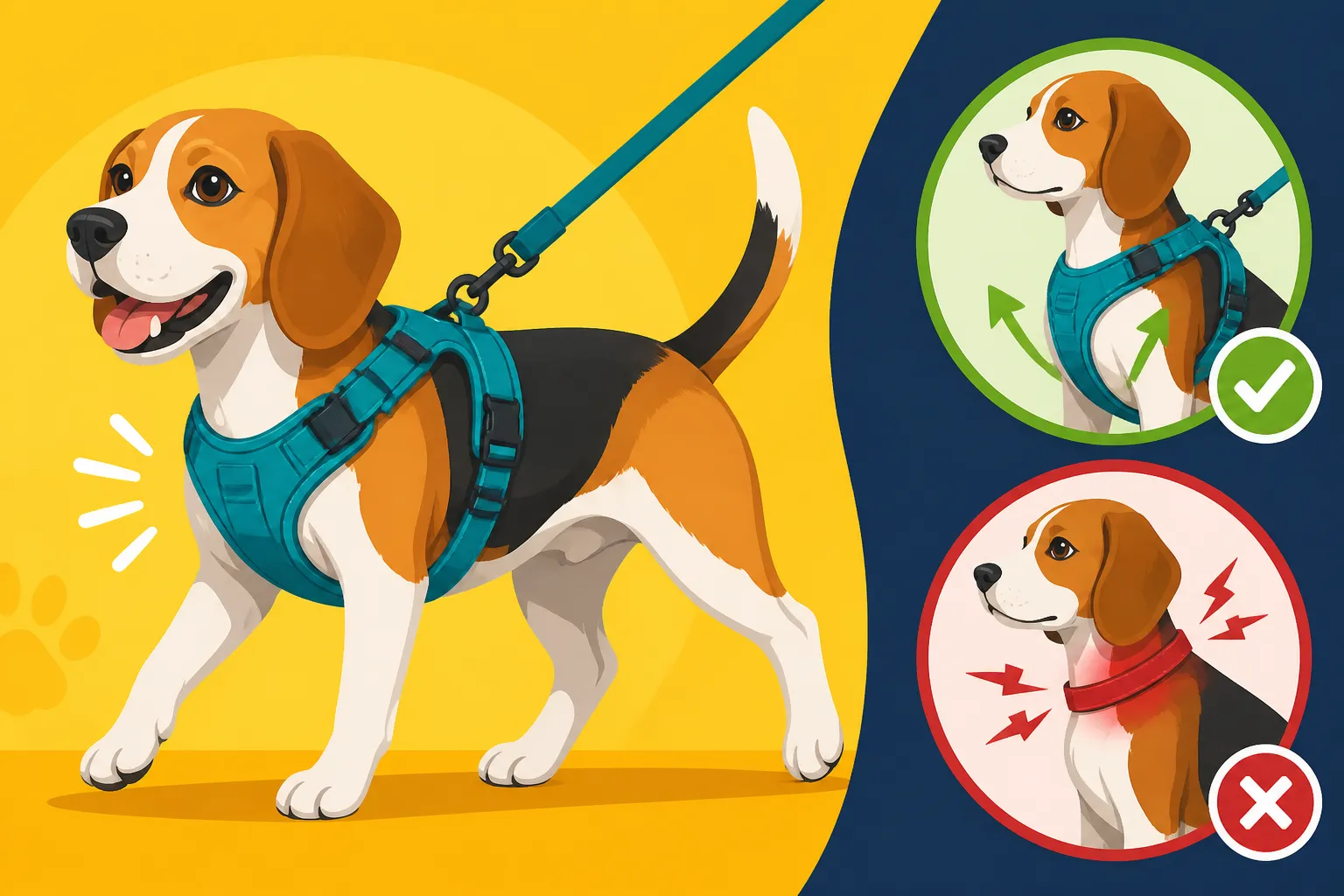
The repercussions of a Beagle consistently pulling on a traditional collar can range from minor irritations to severe medical conditions. On the milder side, you might notice skin irritation, hair loss around the collar area, or a persistent cough, often referred to as "collar cough." This cough is a direct result of the trachea being compressed and irritated by the collar. If you hear your Beagle making a hacking sound during or after a walk, it's a definite red flag.
More serious issues can include laryngeal or tracheal collapse, particularly if your Beagle has a predisposition or is getting older. The thyroid gland, if repeatedly compressed, could also experience issues, though this is less commonly documented. For a breed that loves to pull, the risk of acute neck sprains or strains is also elevated, leading to Beagle Neck Pain and a Head Held Low which can be incredibly debilitating and require veterinary intervention. In extreme cases, sustained pressure can even increase intraocular pressure, which is a concern for Beagles prone to eye conditions like glaucoma.
Why Beagles Are Prone to Pulling Scent Drive
Let's be honest, trying to get a Beagle to walk politely on a leash when there's a world of smells out there is like asking a fish not to swim. Beagles were bred for centuries to follow scent trails, and their entire being is wired for it. They possess an extraordinary sense of smell, boasting around 220 million scent receptors, compared to our mere 5 million. When a Beagle puts its nose to the ground, it enters a whole different dimension, and your voice, your presence, and your desire for a loose leash often fade into the background.
This powerful instinct is precisely why Beagles pull. They aren't being stubborn or disobedient; they are simply fulfilling their deepest genetic programming. Every fascinating whiff, every faint trace of rabbit, squirrel, or even last night's dropped hamburger crumb, becomes an irresistible magnet. It’s an immersive experience for them. Understanding this isn't just an excuse; it's crucial for choosing the right equipment and training methods. A device that works with their instincts rather than constantly fighting against them is key, and this is where a harness truly shines. For more on their incredible noses, check out How Far a Beagle Can Actually Smell.
How Front-Clip Harnesses Alleviate Neck Pressure
When you have a Beagle that views every walk as a personal mission to solve the mystery of the smells, a traditional collar is simply not enough. This is where the magic of the front-clip harness comes in, offering a much-needed redirection of that powerful pulling energy away from their throat and neck.
The Mechanics of a Front-Clip Design
A front-clip harness, as the name suggests, features a leash attachment ring located on your Beagle's chest, rather than on their back or neck. This seemingly small design difference makes a huge impact on how pulling force is distributed. When your Beagle pulls forward, the leash attached to the front ring naturally guides them to turn towards you. Instead of moving directly forward with all the pressure on their throat, their momentum is gently redirected sideways.
Think of it like steering a boat. If you push from the back, it goes straight. If you pull from the front, it turns. This immediate, gentle redirection discourages pulling without causing pain or discomfort. It creates an almost self-correcting mechanism: the harder they pull, the more they turn, making straight-line pulling much less effective and appealing. The pressure is distributed across their chest and shoulders, which are much more robust and less vulnerable areas than their neck and throat.
Redirecting Pulling Energy Effectively
The brilliance of the front-clip harness lies in its ability to harness your Beagle's natural movement and redirect it. When your Beagle lunges ahead on a regular collar, they gain momentum and learn that pulling works to get them where they want to go. With a front-clip harness, however, that forward momentum is immediately disrupted. Instead of moving straight ahead, they pivot towards you, which is usually not their intended direction when tracking a scent. This frustrates the pulling behavior without causing physical pain.
This redirection helps to break the habit of pulling over time. Your Beagle quickly learns that charging ahead doesn't yield the desired result of advancing on a scent trail. It encourages them to stay closer to you because that's the path of least resistance. It's a gentle, positive method of communication that uses physics rather than force, making walks more enjoyable for both of you. It's particularly effective for Front-Clip Harnesses for a Beagle That Pulls Toward Scent.
Different Types of Front-Clip Harnesses
Not all front-clip harnesses are created equal, and there's a fantastic variety out there to suit different Beagles and owner preferences. Some popular designs include the Y-front harness, which features straps that form a 'Y' shape over the chest, allowing for a wide range of shoulder movement and avoiding pressure points. Others might have a more T-shaped front. Material also varies greatly, from lightweight nylon webbing to padded, breathable mesh, which can be great for Beagles with sensitive skin or for warmer climates.
Some harnesses also offer multiple attachment points – often a front clip for no-pull training and a back clip for regular, relaxed walks once your Beagle has learned better leash manners. This versatility can be incredibly useful as your Beagle progresses in their Leash Training a Beagle From Eight Weeks. When shopping online, retailers like Chewy and Amazon offer a wide array of options from various brands, allowing you to compare features, read reviews, and find the perfect fit for your individual Beagle's needs and body shape.
Choosing the Right Harness for Your Beagle
Selecting the perfect harness for your Beagle isn't just about grabbing the first one you see. A poorly fitting harness can be just as uncomfortable, if not more so, than a collar that causes pulling. The right harness will feel like a second skin, allowing for free movement while providing the necessary control and protection.
Key Features to Look For
When you're sifting through the many options available, keep these essential features in mind to ensure you get a harness that truly helps your Beagle:
- Adjustability: This is paramount. Look for harnesses with multiple adjustment points – at least two around the chest and one around the girth. Beagles come in a range of sizes, even within their two varieties, and a harness needs to conform perfectly to their unique shape. Good adjustability ensures a snug fit without chafing or restricting movement, especially around the shoulders and armpits.
- Material: Opt for durable yet comfortable materials. Nylon webbing is common and sturdy, but consider softer options like padded mesh or fleece lining if your Beagle has sensitive skin or a very fine coat. The material should also be breathable, especially for active Beagles, to prevent overheating.
- Front-Clip D-Ring: Ensure the D-ring on the chest is robust and securely attached. This is the primary point of control and needs to withstand your Beagle's enthusiastic pulling.
- Reflective Strips: For safety during early morning or late evening walks, reflective stitching or strips can be invaluable, increasing your Beagle's visibility to cars and cyclists.
- Hardware: Check the buckles and clips. They should be strong, easy to operate, but also secure enough that your Beagle can't accidentally unclip themselves. Many harnesses also feature an additional safety buckle or lock.
Measuring Your Beagle for a Proper Fit
A harness is only effective if it fits correctly. A harness that’s too loose can allow your Beagle to slip out, while one that’s too tight can cause chafing, restrict breathing, or even damage their shoulders. Here’s how to get the measurements right:
- Girth Measurement: This is the most critical measurement. Use a soft tape measure (the kind used for sewing) and wrap it around the widest part of your Beagle's rib cage, just behind their front legs. Make sure the tape is snug but not tight – you should be able to comfortably slip two fingers underneath it.
- Neck Measurement: For some harnesses, you might also need a neck measurement. Wrap the tape measure around the base of their neck where a collar would typically sit. Again, the two-finger rule applies.
- Chest/Length Measurement: For some Y-front or specialized harnesses, you might need to measure from the base of the neck down their chest to just behind their front legs.
Compare these measurements to the sizing chart provided by the harness manufacturer. When the harness arrives, try it on and adjust all straps. You should still be able to comfortably slide two fingers under any strap, and it shouldn't rub against their armpits or restrict their gait. Watching them walk around in it for a few minutes will help you spot any awkwardness.
Harness Brands and Where to Find Them
There are many reputable brands on the market offering excellent front-clip harnesses designed with canine comfort and safety in mind. Some popular and well-regarded options include Easy Walk, Ruffwear, Freedom No-Pull Harness, and PetSafe. Each brand might have slight variations in design, material, and price point, so it’s worth exploring a few to see what suits your Beagle best.
For a vast selection, online retailers are often your best bet. Chewy, for example, carries a huge range of harnesses from various manufacturers, often with detailed product descriptions and customer reviews specific to different breeds. You can easily compare features, colors, and sizes all in one place. Amazon is another excellent resource, offering competitive pricing and quick shipping on many popular harness styles. Remember, while a good price is tempting, prioritizing a proper fit and durable construction will pay off in the long run for your Beagle's comfort and safety.
| Harness Type | Pros for Beagles | Cons for Beagles | Ideal Use Case |
|---|---|---|---|
| Front-Clip | Redirects pulling, less neck strain, better control | Can twist on dog if not well-fitted, may restrict shoulder movement if poor design | Training, strong pullers, long walks |
| Back-Clip | Comfortable for non-pullers, easy to put on | Encourages pulling, can put strain on neck if Beagle pulls | Calm walks, dogs with good leash manners, short-nosed breeds |
| Dual-Clip | Versatile (front for control, back for casual walk) | More straps to adjust, potentially bulkier | Owners wanting flexibility, transitioning from pulling |
| Head Halter | Excellent control, immediate redirection of head | Requires more training to accept, can be mistaken for muzzle | Very strong pullers, dogs needing strong directional control |
Introducing and Training Your Beagle to a Harness
While a harness is a fantastic tool, it's not a magic bullet. For it to be truly effective and for your Beagle to embrace it, a proper introduction and consistent training are essential. This helps build positive associations and ensures your Beagle learns to walk politely while wearing it.
Making the Harness a Positive Experience
For many Beagles, especially if they've only worn a traditional collar, a harness can feel strange and unfamiliar. The key is to introduce it gradually and positively. Start by simply showing your Beagle the harness, letting them sniff it. Offer high-value treats and praise whenever they show curiosity or a calm demeanor around it. You can even place it near their food bowl or bed for a few days so it becomes part of their normal environment.
Next, try putting the harness on for very short periods, perhaps just a minute or two, while distracting them with a favorite toy or a delicious treat. Once it's on, praise them lavishly. Immediately take it off before they get uncomfortable or try to chew it, and offer another treat. Gradually extend the time they wear it, eventually leading up to short walks around the house or yard before tackling the great outdoors. This slow, positive conditioning helps them associate the harness with good things and builds confidence.
Leash Training with a Harness for Optimal Results
Even with a front-clip harness, some Beagles might still try to pull, especially if they've developed a strong habit of doing so. The harness simply makes it easier to train them not to pull. Consistency is paramount. Start training in a low-distraction environment, like your backyard. When your Beagle starts to pull, stop walking immediately. Become a "tree." Only resume walking when the leash slackens. This teaches them that pulling gets them nowhere, while a loose leash means forward progress.
Reward loose-leash walking generously with praise and small, high-value treats. You can also use a verbal marker like "yes!" or a clicker to mark the exact moment the leash is loose. This positive reinforcement makes it clear what behavior you want. As your Beagle improves, gradually introduce more distractions. Remember that Beagles are easily lured by scents, so patience and repetition are crucial. Consistency in your technique, combined with the harness's design, will slowly but surely transform your walks. You can find more tips in Building Beagle Focus in a Distracting Place.
Troubleshooting Common Harness Issues
Even with the best intentions, you might encounter some common hurdles when using a harness. One frequent issue is a Beagle trying to chew the harness. This usually happens if they find it uncomfortable, or if they're bored and redirecting energy. Ensure the fit is perfect, and introduce it more slowly, providing plenty of positive distractions. You might also consider a more robust, chew-resistant material or supervising them closely until they're accustomed to it.
Another problem can be chafing or rubbing, particularly in the armpit area. This often points to an ill-fitting harness. Double-check all adjustments, making sure straps aren't too tight or too loose, and that the material isn't bunching up. Sometimes, a different harness design or brand might be necessary to accommodate your Beagle's specific body shape. If your Beagle is still pulling relentlessly, ensure you're being consistent with your stop-and-go training. Sometimes, the issue isn't the harness itself, but the human at the other end of the leash who needs to stick to the training plan!
Beyond Neck Protection: Additional Benefits of Harnesses
While protecting your Beagle's neck is a primary reason to use a harness, the advantages extend far beyond just this critical area. Harnesses offer a suite of benefits that enhance safety, improve control, and contribute to your Beagle's overall well-being, making them an indispensable tool for every Beagle owner.
Improved Control and Safety on Walks
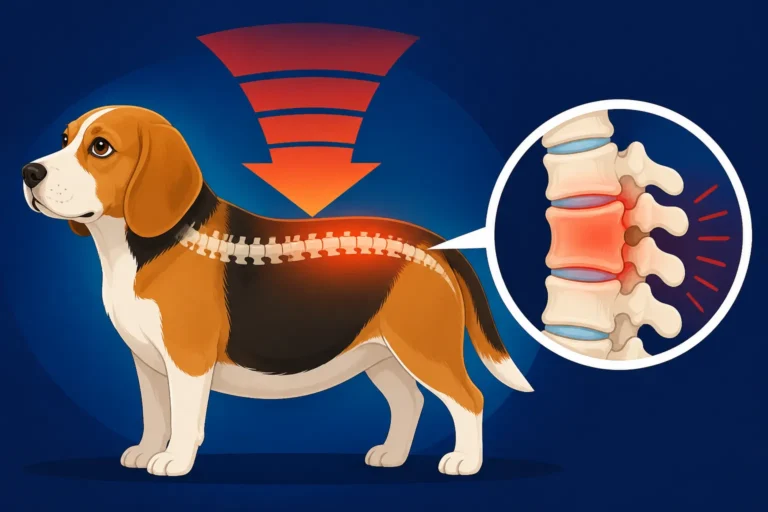
One of the most immediate and noticeable benefits of a good harness is the dramatically improved control you gain over your Beagle, especially on a front-clip design. When your Beagle suddenly lunges for that irresistible squirrel or tries to dart across the path of an oncoming cyclist, a harness distributes that sudden stop across their chest, preventing a sharp jerk on their neck. This reduces the risk of injury not just to their throat, but also to their back and spine, which can be vulnerable to sudden twists and impacts. For a breed that loves to pull and twist, this is invaluable in preventing Beagle Back Problems and Intervertebral Disc Disease.
Furthermore, harnesses provide a more secure point of attachment than a collar alone. A determined Beagle can sometimes slip out of a loose collar, especially if they back away from pressure. A properly fitted harness, however, makes escape much more difficult, significantly increasing their safety in busy environments. This added security gives you peace of mind, knowing that your adventurous Beagle is less likely to bolt into traffic or disappear on a fascinating scent trail.
Support for Beagles with Existing Health Concerns
For Beagles with pre-existing health issues, harnesses are not just an option but often a necessity. Dogs suffering from conditions like tracheal collapse or laryngeal paralysis cannot tolerate any pressure on their throat, and a harness becomes their only safe option for walks. Similarly, Beagles prone to Beagle Hypothyroidism and the Weight It Puts On might benefit from a harness, as excess weight can exacerbate pressure on the neck and spine during pulling.
Even for Beagles recovering from neck or back injuries, or those prone to disc issues, a harness is crucial. It ensures that no undue stress is placed on their healing or vulnerable areas, supporting their recovery and preventing further damage. Senior Beagles, who may have weakened neck muscles or arthritic changes in their spine, also greatly benefit from the gentle support and even pressure distribution that a harness provides. Investing in a good harness is an investment in your Beagle’s long-term health and comfort, especially as they age. You can read more about Senior Beagle Care After the Age of Ten.
Long-Term Health Benefits for a Beagle's Spine
The benefits of a harness truly compound over a Beagle's lifetime. By eliminating constant strain on the neck, you're not just preventing immediate discomfort; you're safeguarding their cervical spine and overall musculoskeletal health for years to come. Every sharp tug on a collar sends a jolt through the neck bones and discs, which, over time, can contribute to degenerative changes. A harness, by distributing pressure across a broader, more muscular area, minimizes these repeated micro-traumas.
This long-term protection is particularly important for active Beagles who spend many hours on leash throughout their lives. It helps maintain the integrity of their intervertebral discs and reduces the likelihood of chronic neck or upper back pain as they mature. Ultimately, choosing a harness is a proactive step toward ensuring your Beagle enjoys a full, active, and comfortable life, free from preventable pain related to their walks.
Disclaimer
This article is for general informational purposes only and does not constitute professional advice. Laws, prices and regulations vary by location and change over time. Consult a qualified professional for guidance on your specific situation.