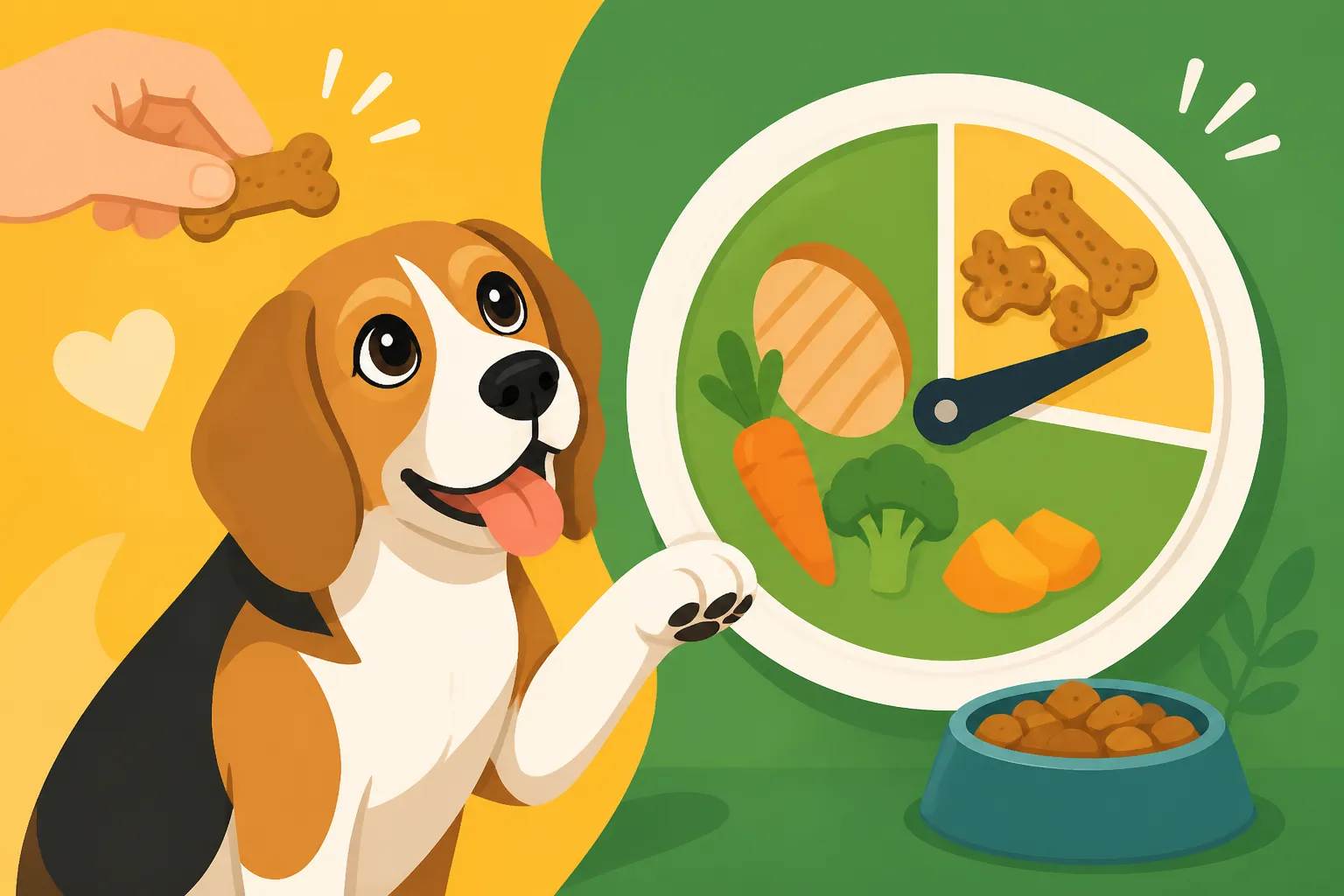
Fitting Beagle Treats Inside a Daily Calorie Budget
It's a familiar scenario for any Beagle owner: you're trying to stick to a healthy diet for your beloved hound, but those big, soulful eyes and that ever-present "hungry" look make it incredibly difficult to resist handing over just one more treat. Before you know it, those little gestures of love add up, and suddenly, your Beagle is carrying a few extra pounds, putting their health at risk. This guide will walk you through how to smartly integrate treats into your Beagle's daily calorie budget, ensuring they stay happy, healthy, and perfectly trim, without sacrificing those special bonding moments.
The Treat Trap: Why Our Beagles Get More Than They Need
Let's be honest, those adorable, pleading Beagle eyes are practically designed to melt our hearts and open the treat jar. We all fall for it, myself included! It’s not just about spoiling them; often, treats are our go-to for training, for comforting, or just for showing affection. But for a breed as food-motivated as the Beagle, every single morsel counts, and it's surprisingly easy for those little extras to tip the scales.
The Undeniable Beagle Charm and Its Impact on Treat Giving
Beagles are masters of persuasion. They have this uncanny ability to make you believe they haven't eaten in days, even moments after finishing their dinner. Their whole existence seems to revolve around food, a trait that's endearing but also a challenge for responsible owners. From the moment you rustle a bag in the kitchen to the second you sit down with a snack, their internal radar is on high alert. This intense focus on food makes them fantastic to train with treats, but it also means we, as owners, need to be extra disciplined. We want to see that happy tail wag, that eager bounce, and a treat seems like the quickest way to get it. However, this constant treat-giving, however well-intentioned, can inadvertently lead to significant calorie overloads, especially when multiple family members are involved in the "treat economy."
The Silent Creep of Extra Calories in a Beagle's Diet
Many of us don't really think about the caloric content of treats. A biscuit here, a dental chew there, a few training morsels throughout the day—they seem so small, so insignificant compared to a full meal. But these calories add up insidiously. Imagine giving your Beagle five medium-sized biscuits a day. If each biscuit is 50 calories, that's an extra 250 calories! For a Beagle that might only need 700-900 calories a day to maintain a healthy weight, that's a huge percentage, nearly a third of their total intake. This is how the weight gain starts, slowly, almost imperceptibly, until one day you realize your lean, athletic hound is looking a bit, well, round. Beagle Obesity Treated as a Health Problem can sneak up on even the most diligent owners when treats aren't factored into the total daily intake.
Understanding Your Beagle's Actual Calorie Needs
Before you can fit treats into a budget, you need to know what that budget actually is. Generic guidelines on dog food bags are a start, but they don't account for the nuances of your individual Beagle. We need to consider factors like activity level, current weight, desired weight, and even their age and whether they've been spayed or neutered.
Calculating the Baseline: Activity Level and Body Condition
The first step is figuring out how many calories your Beagle needs just to maintain their ideal weight. This isn't a fixed number; it varies wildly. A Beagle that spends its days mostly napping on the couch will need far fewer calories than one that's actively engaged in scent work, running, or hiking every day.
You also need to assess their current body condition. Can you easily feel their ribs without pressing hard? Do they have a visible waist tuck when viewed from above? If the answer is no to either of these, they might already be carrying too much weight, and their calorie budget needs to be adjusted downwards. Body Condition Scoring a Beagle Under a Thick Coat is a crucial skill for every Beagle owner to learn. Your vet can help you determine an ideal weight and calculate a starting point for daily calories. For a typical adult Beagle, this might range from 600-1000 calories per day, but it's really specific to them.
Why Age and Spay/Neuter Status Matter for Calorie Intake
It's not just about how much they run around. A young, growing Beagle puppy needs significantly more calories to fuel their development than a mature adult. Similarly, a senior Beagle, whose metabolism has naturally slowed down and whose activity might be less vigorous, will require fewer calories. Ignoring these life stage changes is another common way for excess weight to creep on. What Changes in a Beagle's Bowl at Eleven highlights how crucial these adjustments become later in life.
Furthermore, spaying or neutering your Beagle dramatically impacts their metabolic rate. Most studies show that neutered dogs require 20-30% fewer calories than intact dogs to maintain the same weight. This is a huge reduction that many owners overlook, continuing to feed the same amount they did before the surgery. Why a Neutered Beagle Needs Fewer Calories is a real game-changer for budgeting food and treats. If your Beagle was recently spayed or neutered, and you haven't adjusted their food intake, this could be a major factor in any weight gain you're observing. Always consult your vet to fine-tune these numbers, but armed with this knowledge, you're already ahead of the game.
Smart Treat Choices: Quality Over Quantity
Once you know your Beagle's daily calorie budget, the next step is to make smart choices about the treats themselves. It’s not just how many treats, but what kind of treats. The goal is maximum reward for minimum calories.
Low-Calorie, High-Reward Options for Training
For a Beagle, practically anything edible can be a high-reward treat, especially during training. This works in your favor! You don't need giant, calorie-dense biscuits. Think small, potent, and palatable. Cut larger treats into tiny, pea-sized pieces. Even a single regular biscuit can become 5-10 training rewards.
Good options include:
- Boiled Chicken Breast: Shredded or diced into minuscule pieces. Very low in fat and packed with protein.
- Plain Carrots or Green Beans: Many Beagles love the crunch. These are excellent for volumetric feeding – they feel like a lot but have very few calories.
- Air-Popped Popcorn (plain): A surprisingly good, low-calorie option for some dogs, just make sure there's no salt, butter, or artificial flavorings.
- Frozen Blueberries: A tiny burst of flavor and a nice cool treat.
- Commercial Training Treats: Look for brands specifically marketed as "low calorie" or "training treats." These are often designed to be small and have fewer calories per piece. For instance, many good quality brands found on Chewy offer soft, bite-sized options perfect for repeated rewards. The key is to check the calorie count per treat, not just the ingredients. Treats Small Enough for a Hundred Beagle Repetitions are ideal.
DIY Treats and Single-Ingredient Snacks
Making your own treats gives you ultimate control over ingredients and calorie count. It's often cheaper, too!
Consider:
- Dehydrated Meats: Thin slices of chicken or beef, dehydrated until crispy. No additives, just pure meat protein.
- Sweet Potato Chews: Thin slices of sweet potato, baked until chewy. A healthy, fiber-rich option.
- Plain Cottage Cheese or Yogurt: A tiny dollop can be a high-value reward, especially if your Beagle loves dairy. Always check for xylitol in yogurts, which is toxic to dogs.
- Scrambled Egg Whites: Cooked plain, then broken into tiny bits.
For a Beagle's intense food drive, even a simple piece of kibble from their daily allowance can be a powerful motivator. Training a Beagle Without Making It Fat becomes much easier when you're mindful of these ingredient choices.
Commercial Treats: Reading Labels Like a Pro
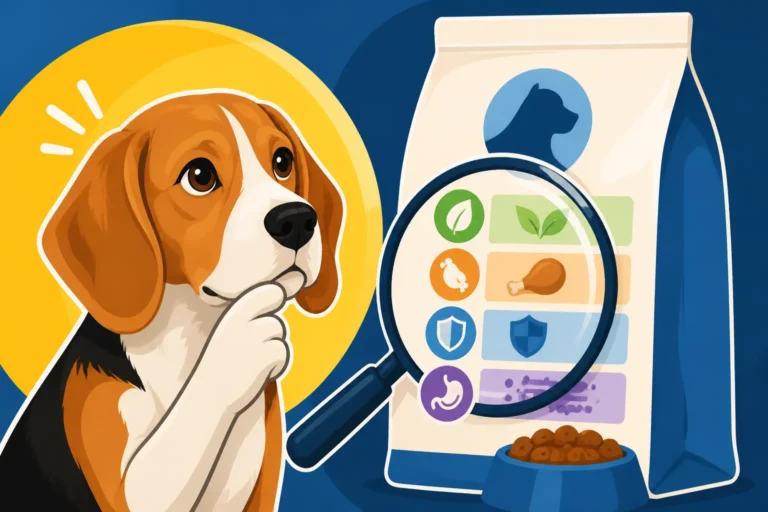
When buying commercial treats, you have to become a detective. Don't just grab the prettiest bag. Turn it over and look for the nutritional information.
Here’s what to check:
- Guaranteed Analysis: This tells you crude protein, fat, fiber, and moisture. Good treats will have decent protein and moderate fat.
- Ingredient List: Look for whole, identifiable ingredients at the top. Avoid treats with a long list of unpronounceable chemicals, excessive sugars, or artificial colors and flavors.
- Calorie Content (Metabolizable Energy – ME): This is the most important part. It should be listed as kcals per treat or kcals per kg. If it's only per kg, you'll need to do some math based on the treat's weight. Many brands are getting better at clearly stating "calories per treat." Don't be fooled by small size; some tiny treats are surprisingly calorie-dense! Brands available on Amazon often have a good selection, allowing you to compare calorie information easily before purchasing.
| Treat Type | Example | Typical Calorie Range (per piece/portion) | Pros | Cons |
|---|---|---|---|---|
| Low-Calorie Veggies | Carrot, Green Bean, Apple Slice | 1-10 kcals | Very healthy, high fiber, low calorie | Some dogs aren't interested |
| Plain Cooked Meats | Boiled Chicken, Lean Beef | 5-15 kcals (small piece) | High value, protein-rich, easy to digest | Requires preparation, spoils quickly |
| Commercial Training Bits | Zuke's Mini Naturals, Wellness Soft Bites | 2-5 kcals | Convenient, small, often palatable | Can still add up, check ingredients |
| Dental Chews | Greenies, OraVet | 25-100+ kcals (per chew) | Good for dental health | Very high calorie, must be budgeted |
| Biscuit Treats | Milk-Bone, Purina Beggin' Strips | 20-150+ kcals | Convenient, widely available | Often high calorie, can have fillers |
Remember, even with dental chews, which are fantastic for oral hygiene, those calories count! A single dental chew might be equivalent to a quarter of your Beagle's meal. Budget them carefully.
Integrating Treats into the Daily Meal Plan
Now that you're armed with your Beagle's calorie budget and savvy treat choices, let's talk about how to make it all work seamlessly without feeling like you're constantly counting.
The "Treat Allowance" Method
This is my favorite method for managing treat intake. Once you have your Beagle's total daily calorie target, allocate a specific percentage of that to treats. A good starting point is 10%, or a maximum of 20%, of their total daily calories. The remaining 80-90% comes from their regular dog food.
Let's say your Beagle needs 800 calories a day.
- 80% from meals: 640 calories
- 20% from treats: 160 calories
Now, you know you have 160 "treat calories" to play with throughout the day. If your chosen training treat is 3 calories per piece, you know you can give approximately 53 of those tiny treats (160 / 3 = 53.3) and still stay within budget. This gives you a tangible number to work with and helps prevent accidental overfeeding. You can even set aside the day's treat allowance in a small container in the morning, making it easy to track how much your Beagle has had.
Using Meal Portions as Training Rewards
This is arguably the healthiest and most budget-friendly way to offer "treats." Instead of using extra food, simply set aside a portion of your Beagle's daily kibble or fresh food allowance to use for training and rewards throughout the day.
For example, if your Beagle gets two meals a day, you could take a quarter of their morning portion and a quarter of their evening portion and put it into a treat pouch. This way, every "treat" you give is already accounted for in their daily calorie intake. Your Beagle still gets the satisfaction of receiving a reward, and you don't add any extra calories. This method is especially effective if you use a high-quality food like Ollie, which provides precisely portioned fresh meals. You can easily set aside a small handful of their regular food, knowing exactly its caloric value, and use it for positive reinforcement. Using a Beagle's Food Drive as the Training Lever means this strategy is incredibly effective.
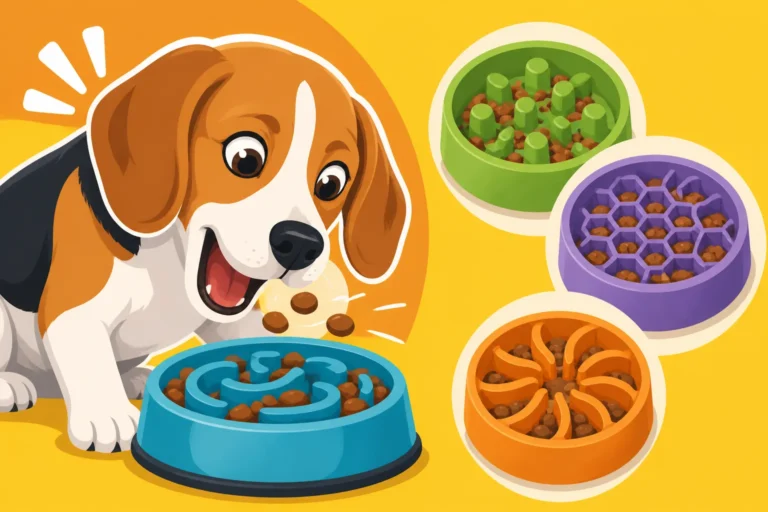
This approach also encourages slower eating. Instead of inhaling their meal in two minutes, your Beagle is working for bits of it throughout the day, extending their engagement and mental stimulation. You can even use puzzle feeders for their actual meals, distributing the food over a longer period. Puzzle Feeders That Genuinely Slow a Beagle are a lifesaver for fast eaters.
Non-Food Rewards: Beyond the Edible
While Beagles are famously food-motivated, they aren't only motivated by food. Incorporating non-food rewards is excellent for managing calories and building a more robust bond with your dog.
Think about what else your Beagle loves:
- Praise and Affection: A happy "Good boy!" coupled with a scratch behind the ears or a belly rub can be incredibly rewarding.
- Playtime: A quick game of tug-of-war, fetch, or a chase in the yard. This is especially good for highly energetic Beagles.
- Favorite Toy: Access to a special squeaky toy or a brief tug session with their favorite rope.
- "Life Rewards": This means using things they want to do as rewards for good behavior. Want to go outside? Sit first. Want to eat dinner? Lie down patiently. Want to jump on the couch? Wait for permission. These are powerful, everyday rewards that cost zero calories.
- Sniffing Opportunities: For a Beagle, being allowed to follow an interesting scent trail for a few minutes is a huge reward. Integrate this into walks: ask for a "sit" at the curb, then release them with a "go sniff!" command.
By mixing in these non-food rewards, you diversify what your Beagle finds valuable, making them less reliant on edible treats and giving you more flexibility in managing their diet.
Practical Strategies for the Whole Family
Managing a Beagle's treat intake isn't just about what you do; it's about what everyone in the household does. Consistency is key, and without it, even the best individual efforts can be undermined.
Communicating the Plan to Everyone Who Feeds Your Beagle
This is where many plans fall apart. You might be meticulously measuring, but if your partner, kids, or even visiting grandparents are slipping your Beagle extra snacks, your calorie budget is blown. It’s crucial to have an open conversation with everyone who interacts with your dog.
Here are some tips for success:
- Educate: Explain why you're doing this. Frame it positively: "We want to help [Beagle's Name] stay super healthy and active for a long time." Explain the risks of Beagle Obesity and the Diseases It Brings On.
- Establish Clear Rules: "No human food from the table" should be a universal rule. If you allow any, make it clear which foods are absolutely off-limits for safety (e.g., onions, grapes, chocolate – The Foods That Are Toxic to a Beagle).
- Use the Treat Allowance Container: As mentioned before, putting the day's treat allowance in a visible container is a great visual cue. Once it's empty, everyone knows treats are done for the day.
- Identify Approved Treats: Have a designated "Beagle Treat Jar" filled only with the low-calorie, approved options you've selected. Make it clear that treats should only come from this jar.
- Designate a Treat Giver (if necessary): For particularly persistent Beagles, or in multi-person households, you might designate one or two people responsible for treat distribution, or at least for monitoring the daily allowance.
- Sticky Notes: Sometimes a simple note on the treat jar or fridge saying "Max 2 treats per dog today!" can work wonders.
Consistency across the board makes a huge difference in teaching your Beagle (and your family!) new habits.
The Power of Puzzle Toys and Enrichment Without Overfeeding
Beagles are smart, curious dogs with an incredible nose, and they thrive on mental stimulation. This is a fantastic opportunity to provide enrichment that doesn't involve extra calories. Puzzle toys are your best friend here.
Instead of filling a puzzle toy with high-calorie treats, use a portion of their regular kibble from their meal allowance. This turns mealtime into a game, slowing down their eating and engaging their brain. Your Beagle will spend 15-30 minutes working to get their meal, instead of scarfing it down in 30 seconds. This is excellent for digestion and mental well-being.
Beyond food puzzles, think about other ways to engage their powerful sense of smell:
- Scent Games: Hide bits of their kibble around the house and let them "hunt" for their meal. This is physically and mentally exhausting for a Beagle.
- Snuffle Mats: These fabric mats have hidden pockets and folds where you can sprinkle kibble, forcing your Beagle to sniff and forage for each piece. They get to use their nose, which is incredibly satisfying for them.
- Long Sniff Walks: Allow your Beagle plenty of time to explore with their nose during walks. This mental exercise is far more tiring than just a brisk walk around the block and doesn't require any food rewards during the activity itself. Sniffing Walks and Why They Tire a Beagle Out truly tap into their natural instincts.
By leveraging these enrichment strategies, you satisfy your Beagle's natural drives and keep them happy and engaged, all while staying firmly within their daily calorie budget. It's a win-win for everyone involved!
Disclaimer
This article is for general informational purposes only and does not constitute professional advice. Laws, prices and regulations vary by location and change over time. Consult a qualified professional for guidance on your specific situation.