Why a Long-Lived Breed Costs More Overall
When you first bring home that adorable, wriggly Beagle puppy, it’s easy to get swept up in the immediate joy and the flurry of initial expenses like puppy shots and a new crate. What often doesn't sink in until much later is the sheer financial marathon of owning a dog that can happily live for 12 to 15 years, sometimes even longer! This guide aims to pull back the curtain on why a long-lived breed, especially one as prone to certain habits and health quirks as a Beagle, ends up costing significantly more over its lifetime, helping you plan for the beautiful, long journey ahead.
The Accumulation of Routine Care Over Years
It’s not just the big, flashy emergencies that drain the bank account; it’s the steady drip, drip, drip of everyday needs that truly adds up over a decade and a half. Every year, every month, every single day presents new, albeit small, costs that accumulate into a substantial sum.
More Vet Visits, More Vaccinations, More Preventatives
Imagine multiplying your current annual vet budget by 12 or 15 years. That's the reality for a long-lived dog. Those yearly wellness exams aren't just a suggestion; they're vital for catching issues early. Each visit often comes with routine vaccinations – distemper, rabies, Bordetella – and while the cost of a single jab might seem minimal, they’re not one-and-done deals. Boosters are needed, and sometimes, specific lifestyle needs (like if your Beagle attends doggy daycare or frequents dog parks) might necessitate additional immunizations.
Then there are the ongoing preventatives: flea and tick medications, and perhaps most crucially for a Beagle who lives with its nose to the ground and samples everything, heartworm medication. These aren't seasonal anymore; most vets recommend year-round protection. Think of that monthly pill or topical treatment. It might be $20-$40 a month, which is manageable on its own. But multiply that by 12 months, then by 15 years, and suddenly you’re looking at several thousand dollars just for parasite prevention. It’s a non-negotiable expense for your Beagle’s health, but it’s a constant one. It really helps to map out the typical expenses for a healthy dog, which is why understanding Beagle Routine Vet Costs Across a Year can be so insightful. It’s not about fear-mongering; it's about realistic budgeting.
Daily Food and Treat Budgets That Never End
Beagles are renowned for their insatiable appetites. It’s not a stereotype; it’s often a fact of life for us Beagle parents! They live to eat, and that means a consistent, high-quality food supply for a very long time. For a dog that might live 15 years, that's 5,475 days of meals, minimum. If your Beagle eats two meals a day, that's over 10,000 individual servings of kibble or fresh food. The cost difference between a budget-friendly kibble and a premium brand, or even a fresh food delivery service like Ollie, becomes enormous when stretched across such a long period. Many owners also find themselves investing in puzzle feeders and slow-feeder bowls to manage their Beagle's enthusiastic eating habits, adding another layer to the initial setup costs, even if they aren't daily expenses.
And treats? Forget about it! Beagles are incredibly food-motivated, making treats essential for training and enrichment. Whether you’re using them for simple obedience, nose work games, or just as a joyful reward, those little bags of yummy goodness vanish quickly. While you might opt for economical options or even make your own, the cumulative cost of satisfying that endless Beagle tummy is a significant line item in your long-term budget. It’s truly eye-opening to consider The Annual Cost of Feeding One Beagle and then expand that out to a dog's full lifespan.
Grooming, Dental, and Essential Supplies
Those floppy Beagle ears are adorable, but they are also prime real estate for moisture and yeast, meaning regular ear cleaning is crucial to prevent infections. You’ll be buying ear cleaning solution and cotton balls for years, perhaps even medicated drops if an infection does crop up (and it likely will at some point). Beyond the ears, Beagles have a short, dense double coat that sheds – a lot! Regular bathing with good quality shampoo and brushing with a deshedding tool are necessary, again, year after year.
However, one of the most consistently underestimated costs for any long-lived dog is dental care. Just like humans, dogs accumulate tartar, and without regular cleaning, they develop periodontal disease. This isn't just bad breath; it can lead to painful infections, tooth loss, and even impact heart and kidney health. Professional dental cleanings, performed under anesthesia, are a significant expense. While some Beagles might get away with fewer, many require a cleaning every 1-3 years, especially as they age. Multiplying that by 10-15 years can add thousands of dollars to your overall bill. If you want to keep your Beagle's teeth healthy and avoid extractions later on, you'll want to read up on Beagle Dental Care Across Fifteen Years. And don't forget the everyday basics: poop bags, beds that wear out, leashes, collars, and toys that get chewed up. Each small purchase adds to the grand total.
Managing Age-Related Health Concerns for Longer
The silver lining of a long life means more years of companionship, but it also means more years for age-related health issues to develop and progress. These later-life conditions are often where the true financial impact of a long-lived breed hits hardest.
The Inevitable Rise of Senior Care Costs
As Beagles gracefully enter their golden years, typically after the age of ten, their bodies start to show wear and tear. Arthritis is incredibly common. Those youthful bounds and enthusiastic tail wags might become stiffer, requiring joint supplements, pain medication, or even specialized diets. It's a sad but inevitable truth that these conditions become part of daily management. Your vet visits might increase in frequency, moving from annual check-ups to semi-annual or even quarterly visits to monitor chronic conditions. You might need to consider doggy acupuncture, hydrotherapy, or other physical therapy options to keep your senior Beagle comfortable, all of which come with a price tag.
Beyond the physical, some senior Beagles may experience cognitive decline, leading to confusion, anxiety, or changes in sleep patterns, which might require medication or environmental adjustments. Vision and hearing loss are also common, making navigating the world a little harder for them and requiring more direct supervision or modifications to your home. All of this adds up to specialized care and higher veterinary bills. Understanding the nuances of Senior Beagle Care After the Age of Ten can help prepare you for these financial realities.
Chronic Conditions Requiring Lifelong Management
Beagles, like many purebred dogs, are predisposed to certain genetic conditions. If a Beagle lives a long life, it simply has more years for these conditions to manifest and require ongoing treatment. Hypothyroidism, for example, is relatively common in Beagles. If diagnosed at, say, five years old, that’s potentially a decade of daily thyroid medication, plus regular blood tests to ensure the dosage is correct. Each bottle of pills, each lab test, becomes a recurring expense for the rest of their life. For more on this, check out Beagle Hypothyroidism and the Weight It Puts On.
Another significant concern for Beagles is epilepsy. If your Beagle develops idiopathic epilepsy, often starting between six months and six years of age, as discussed in Beagle Epilepsy and Seizures From Six Months On, they may require lifelong anti-seizure medication. This isn't just the cost of the medication itself; it's also the frequent blood work needed to monitor liver function (as some medications can be hard on the liver) and ensure therapeutic drug levels are maintained. These ongoing medical costs can easily amount to hundreds, if not thousands, of dollars annually, year after year after year. Pet insurance, like policies offered by Healthy Paws, can be a godsend in these situations, helping to offset the staggering costs of chronic illness management.
Increased Risk of Major Illnesses Like Cancer
The longer any living creature lives, the higher its statistical chance of developing serious illnesses, and Beagles are no exception. Cancer is a heartbreaking reality for many senior dogs. A Beagle living to 13 or 14 years old has simply had more time for abnormal cells to develop and multiply. Diagnosing cancer can involve expensive imaging (X-rays, ultrasounds, MRIs), biopsies, and specialist consultations. Treatment options, such as surgery, chemotherapy, or radiation, can run into many thousands of dollars.
While we all hope our beloved Beagles stay healthy their entire lives, facing a cancer diagnosis in a senior dog means tough decisions that often come with a heavy financial burden. It’s a cost that a dog with a shorter lifespan might never reach, but for a Beagle, it’s a very real possibility. Learning about Beagle Cancer Risks That Rise With Age can help you understand the specific concerns for the breed. These are the moments when a robust emergency fund or pet insurance truly makes a difference, allowing you to focus on your dog's well-being rather than being crippled by impossible medical bills.
The Hidden Costs of an Extended Active Life
Beyond food and medical care, a long-lived, active breed like the Beagle comes with other less obvious, but equally significant, expenses over its many years.
Sustained Training and Enrichment Needs
Beagles are intelligent, curious, and driven by their noses. They need mental stimulation just as much as physical exercise to prevent boredom and destructive behaviors. This means that throughout their long lives, you'll be investing in various forms of enrichment. Puppy classes are just the beginning. Many Beagle owners continue with obedience classes, nose work workshops, or even agility training (though care must be taken with their backs). Each class has a fee, and while immensely beneficial, these costs are ongoing for years if you choose to pursue them. Scent Work as the Job a Beagle Was Built For is a fantastic outlet for them, but it also comes with associated costs for classes, equipment, or even just high-value treats to keep them engaged.
Even if you don't do formal classes, you'll be constantly replenishing puzzle toys, KONGs, and snuffle mats to keep their clever brains busy. A Beagle who lives a long, bored life is a Beagle who will find trouble, often in expensive ways, like chewing through furniture or escaping the yard. Investing in consistent training and enrichment is not just for their happiness; it's also a preventative measure against more costly issues down the line.
Damage Control and Home Modifications
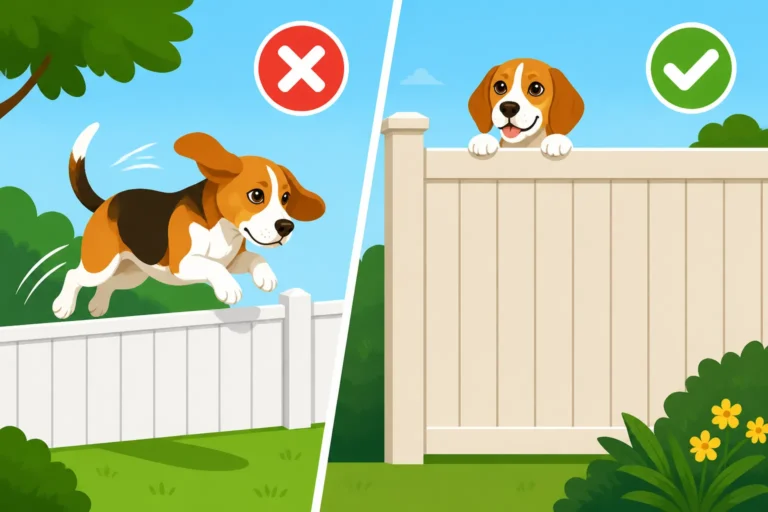
Beagles are known for their persistent personalities, which can sometimes manifest as a knack for getting into things they shouldn't. Over 15 years, a determined Beagle can certainly leave its mark on a home. This might mean replacing garden fences that they’ve managed to dig under or escape from, repairing chewed baseboards, or dealing with the aftermath of a counter-surfing incident that resulted in a ruined appliance or a vet visit for eating something toxic. The longer they live, the more opportunities they have to be, well, Beagles.
As your Beagle ages, you might also find yourself investing in home modifications for their comfort and safety. Ramps for the couch or bed become essential to protect their back and joints, especially if they are prone to issues like intervertebral disc disease, which you can learn more about in Ramps and Steps That Protect a Beagle Spine. Car ramps can also save their aging bodies from the impact of jumping in and out of vehicles. These aren't huge costs individually, but when added to general wear and tear over a long lifespan, they contribute to the overall expenditure.
Boarding, Sitters, and Travel Over Many Years
For many of us, our dogs are part of the family, and we want to take them everywhere. But sometimes, life calls for trips where your Beagle can’t join. This is where the costs of boarding or pet sitters come into play. A typical boarding facility or pet sitter charges a daily rate. If you take just one week-long vacation a year, that's already a significant expense. Multiply that by 12-15 years, and you’re looking at a substantial budget line item. For a more detailed breakdown, consider reading Beagle Boarding, Sitters and Travel Costs.
Traveling with your Beagle also has costs. Pet-friendly hotels often have extra fees, and if you’re flying, the fees for bringing a dog in-cabin or as cargo can be quite high, not to mention the cost of airline-approved carriers. Over a long life, these travel-related expenses can accumulate significantly. The convenience of having a flexible pet care arrangement is invaluable, but it rarely comes cheap when you're looking at a decade-plus commitment.
Financial Planning for a Long-Term Companion
Acknowledging the financial commitment upfront isn't about being pessimistic; it's about being a responsible and prepared Beagle parent. When you know what to expect, you can plan accordingly, ensuring your furry best friend receives the best care throughout their extended life.
Building a Robust Emergency Fund
One of the most crucial steps you can take is to build and maintain a dedicated emergency fund specifically for your Beagle. Given their long lifespan, the odds of them needing unexpected, expensive veterinary care at some point are quite high. This could be anything from an emergency surgery after swallowing something they shouldn’t have (a very Beagle thing to do!) to an unexpected illness or injury. These emergencies often come with bills in the thousands of dollars, and without a fund, you might face difficult choices or accrue significant debt.
Aim to save several thousand dollars. Think of it as your Beagle's own personal safety net. Having this money set aside provides immense peace of mind and allows you to prioritize your dog's health without financial stress clouding your judgment. It's truly a testament to being a proactive owner, and learning about Beagle Emergency Funds Worth Building can help you get started on the right foot.
Considering Pet Insurance Early On
Pet insurance is another vital tool for managing the long-term costs of a long-lived breed. The best time to get pet insurance is when your Beagle is young and healthy, before any pre-existing conditions develop. This is because most policies won't cover conditions that were diagnosed before your coverage began. If you wait until your Beagle is seven or eight and starts developing arthritis or a chronic ear issue, those specific problems might be excluded.
With a Beagle's potential 15-year lifespan, the chances of them needing treatment for something significant – whether it's an unfortunate accident, a chronic illness like hypothyroidism or epilepsy, or even a cancer diagnosis in their later years – are substantial. Pet insurance can reimburse a large percentage of those covered veterinary costs, turning a potentially crippling bill into a manageable deductible and monthly premium. While monthly premiums are an ongoing cost, the peace of mind and financial protection against major medical events are often well worth it for a breed with such a long road ahead. Companies like Healthy Paws offer various plans that can help cover these expenses. Understanding Beagle Pet Insurance and What It Runs a Month is a great first step in exploring this option.
Budgeting for the "Golden Years"
Even with an emergency fund and pet insurance, it’s wise to specifically budget for the unique needs of your senior Beagle. As they age, their nutritional requirements might change, necessitating specialized senior diets or prescription foods to support kidney health, joint function, or weight management. Brands like Ollie, for example, can offer customized meal plans that cater to these evolving needs. These specialized foods often come at a higher price point than standard adult formulas.
Beyond food, you might face increased medication costs for managing chronic pain, cognitive dysfunction, or other age-related ailments. Mobility aids, such as orthopedic beds, slings, or even a doggy wheelchair, might become necessary investments to maintain their quality of life. Regular check-ups might become more frequent, incorporating blood work to monitor organ function. Planning for these "golden years" expenses means you can embrace the extra time you have with your senior Beagle fully, knowing you're prepared to give them the comfort and care they deserve until the very end.
| Expense Category | Annual Cost (Estimate) | Lifetime Cost (15 Years Estimate) | Notes |
|---|---|---|---|
| Food & Treats | $500 – $1,000 | $7,500 – $15,000 | Varies greatly by food quality and treat frequency. |
| Routine Vet Care | $300 – $600 | $4,500 – $9,000 | Includes exams, vaccinations, heartworm/flea prevention. |
| Grooming/Supplies | $100 – $300 | $1,500 – $4,500 | Ear cleaner, shampoo, brushes, nail trims, poop bags. |
| Dental Cleanings | $100 – $500 (avg.) | $1,500 – $7,500 | Assumes cleanings every 1-3 years; cost spread annually. |
| Training/Enrichment | $50 – $200 | $750 – $3,000 | Classes, puzzle toys, KONGs, chew toys. |
| Pet Insurance Premiums | $450 – $900 | $6,750 – $13,500 | Varies by coverage, deductible, and age. Does not include deductibles/co-pays. |
| Potential Emergencies/Chronic Illness | Variable (often $0 in healthy years, thousands in bad years) | $5,000 – $20,000+ (highly variable) | This is where emergency fund/insurance is critical. |
| Total (excluding major emergencies) | $1,500 – $3,500+ | $22,500 – $52,500+ | A conservative estimate for a healthy Beagle over 15 years. |
Disclaimer: This article is for general informational purposes only and does not constitute professional advice. Laws, prices and regulations vary by location and change over time. Consult a qualified professional for guidance on your specific situation.