Daycare Rates When a Beagle Bays All Day
Let's face it, that distinctive Beagle bay is charming when you're out on a trail, but when it echoes through your home all day while you're at work, or worse, when the neighbors start complaining, it quickly turns into a major source of stress. Finding a solution that keeps your beloved hound happy and your home peaceful, without breaking the bank, can feel like an impossible task. This guide is here to walk you through understanding why your Beagle bays, exploring daycare options tailored for vocal dogs, and navigating the often-confusing landscape of daycare rates and what they truly offer for a dog like yours.
The Heart of the Matter: Why Beagles Bay (and Why It's Not "Bad")
It's easy to feel frustrated when your Beagle's baying is causing issues, but it's crucial to remember that this isn't "bad" behavior in the human sense. It's deeply ingrained instinct, a part of their very identity as a breed. Understanding this fundamental truth can help you approach solutions with more empathy and less exasperation. They're not trying to annoy you; they're simply being Beagles.
The Instinctive Call of the Hound
Beagles were purpose-bred for centuries to hunt small game, particularly rabbits and hare, working in packs. Their signature bay is a critical communication tool, signaling to their fellow hounds and the hunters that they've picked up a scent trail or located their quarry. Imagine a Beagle with its nose to the ground, processing millions of scent receptors, and suddenly hitting a hot trail – that bay is an automatic, joyous announcement. It's their way of shouting, "Eureka! I found it!"
This incredible olfactory ability means their world is always full of compelling scents, even in your suburban backyard or apartment living room. A squirrel's fleeting path, a distant dog, or even the lingering scent of a delivery truck can all trigger that powerful vocalization. It's a natural expression of their breed, and trying to train it out entirely is often a losing battle and can even be detrimental to their happiness. We cover this in more detail in "Why Hunting Beagles Were Bred to Bay at All".
For owners, especially those new to the breed, this can be incredibly challenging. You hear it, your neighbors hear it, and you start to wonder if you've done something wrong or if your dog is truly miserable. The truth is, your Beagle is likely just expressing itself, albeit loudly, in the way it was designed to. Your frustration is completely valid, as it impacts your daily life and relationships, but the root cause isn't malice on your Beagle's part.
When the Bay Becomes a Problem: Loneliness and Boredom
While the bay is natural, excessive or persistent baying, particularly when you're away, often points to underlying issues beyond just following a scent. Loneliness, boredom, and even anxiety can amplify a Beagle's natural vocal tendencies, turning an occasional "arooo" into a constant symphony that no one appreciates. Beagles are pack animals at heart; they thrive on companionship and activity.
When left alone for long periods, especially without sufficient mental or physical stimulation, a Beagle can easily fall into destructive patterns or develop separation anxiety. The baying then becomes a distress signal, a plea for attention, or simply an outlet for pent-up energy and frustration. It's a classic symptom of "Beagle Separation Anxiety in a Pack Breed", where the dog genuinely feels panicked by isolation.
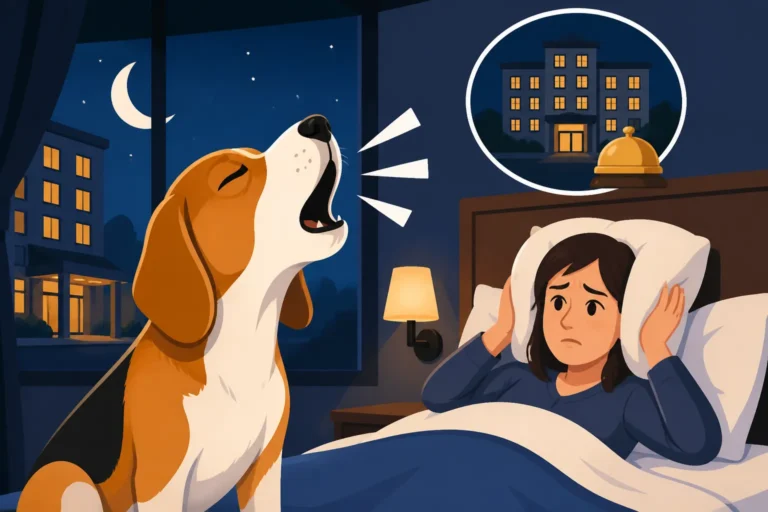
The repercussions of this type of baying extend beyond your own stress. Neighbor complaints are a real and very common issue for Beagle owners. Persistent barking or howling can strain relationships with those living nearby, potentially leading to warnings from landlords or homeowner associations. This added pressure can make an already difficult situation feel overwhelming. You’re not just managing a dog; you’re managing community relations, all because your sweet hound just can't keep its excitement, or anxiety, to itself. This is exactly why we explore topics like "Beagle Noise and the Neighbors Next Door".
Finding the Right Fit: Daycare Options for Vocal Beagles
Once you understand why your Beagle bays, the next step is finding a solution that supports their natural instincts while providing the mental and physical outlets they desperately need. Dog daycare can be an excellent option, but not all daycares are created equal, especially for a vocal breed like the Beagle. You need to be discerning to ensure it's a positive experience for everyone involved.
Group Play vs. Structured Environments
Many traditional dog daycares operate on a large group play model, where dogs are allowed to socialize freely in open areas, supervised by staff. For some dogs, this is a fantastic way to burn energy and practice social skills. However, for a vocal Beagle, it can be a double-edged sword. The constant stimulation of many dogs, new smells, and changing dynamics can be incredibly overstimulating, potentially exacerbating their baying. A Beagle might bay to join in the excitement, to call other dogs, or even due to sensory overload. Some daycares may not tolerate persistent vocalization, which could lead to your Beagle being isolated or, worse, rejected.
Alternatively, some daycares offer more structured environments, with smaller play groups, rotation schedules, or even dedicated quiet zones. These types of facilities might be a better fit for a vocal Beagle, as they can provide stimulation without constant overwhelm. Home-based daycares, often run by individuals out of their private residences, can also offer a calmer, more personalized setting with fewer dogs and more one-on-one attention. This can be particularly beneficial for Beagles prone to anxiety, as the consistency and familiarity can reduce stress and, consequently, vocalization.
Then there are specialized daycares that incorporate training into their daily routine. These facilities might focus on positive reinforcement techniques to teach impulse control or offer specific programs to help manage vocalization. They understand that a baying Beagle isn't necessarily misbehaving, but rather needs guidance and an appropriate outlet for their instincts. Always ask about their philosophy on vocalization and how they handle it before committing.
What to Look For in a Beagle-Friendly Daycare
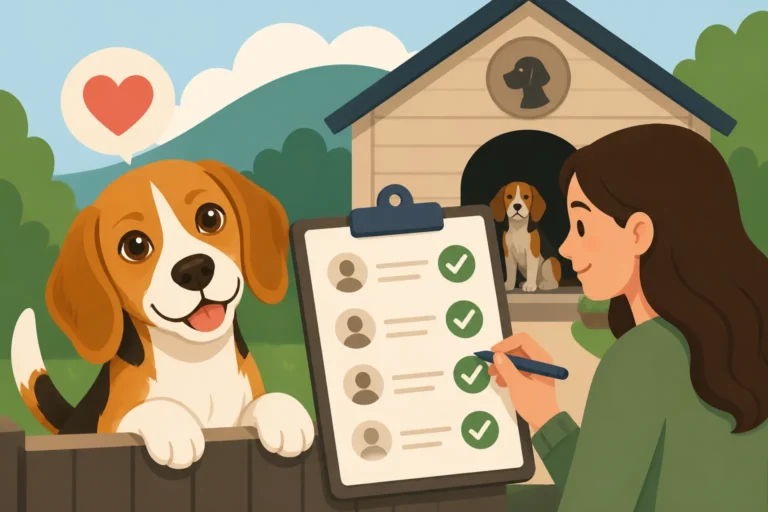
When scouting for a daycare, especially with a vocal Beagle in mind, it's vital to do your homework and ask a lot of questions. Don't just pick the first one you see. Your goal is to find a place that understands hounds, or at least has strategies in place for managing vocal dogs effectively and humanely.
First, inquire about their staff-to-dog ratio. A lower ratio generally means more individual attention and better supervision, which can be crucial for redirecting a baying Beagle before it escalates. You want staff who are actively engaging with the dogs, not just passively observing. Second, consider the facility's layout and amenities. Does it have outdoor space where your Beagle can sniff and explore safely? Are there separate areas for different play styles or for dogs needing a quiet break? Some facilities even incorporate soundproofing, which can be a huge bonus.
Crucially, understand their policy on vocalization. How do they respond if a dog bays excessively? You want to ensure they use positive reinforcement and redirection, rather than punitive measures that could further stress your Beagle. A good daycare will view vocalization as a behavior to be managed and redirected, not punished. Finally, always ask for a trial day or half-day. This is essential to see how your Beagle adapts to the environment and how the staff interacts with them. Observe carefully, and don't hesitate to pull your Beagle out if it doesn't seem like a good fit. This process is covered in articles like "Beagle Daycare and Whether It Actually Helps".
Navigating the Costs: Daycare Rates and Value for a Vocal Beagle
Understanding the financial commitment of dog daycare is just as important as finding the right environment. Daycare rates can vary significantly based on numerous factors, and while we can't give you exact numbers, we can certainly help you understand the landscape of what you might expect to pay and what that money typically covers. It's an investment in your Beagle's well-being and your own peace of mind, so it's worth weighing the costs against the benefits.
Understanding Daycare Pricing Structures
Most dog daycares offer a range of pricing options designed to accommodate different needs and budgets. You'll typically encounter daily rates, which are the most flexible but often the most expensive per visit. If you plan for your Beagle to attend regularly, many daycares offer weekly or monthly packages, or even membership plans, which provide a discount per day compared to the single-day rate. These packages can make a significant difference in your overall expenditure if you're looking at consistent attendance.
It's also common to find discounts for additional dogs from the same household, which is great if you have a pair of Beagles. Always inquire about any long-term commitment discounts, as some places will offer better rates for a six-month or annual membership. Beyond the base rates, be aware of potential additional fees. These can include charges for administering medication, providing special meals, extended hours drop-off/pickup, or even for "special handling" if your Beagle requires extra attention due to their vocal nature or anxiety. Always get a clear breakdown of all potential costs before you commit.
Sometimes, comparing daycare to services like "Beagle Boarding Rates Per Night" can help put the cost into perspective. While boarding is typically higher due to overnight care, the daily rate for high-end daycare can sometimes approach boarding prices, highlighting the level of service and facilities you might be getting. Don't forget to ask if there are any "behavioral assessment" fees before your dog's first visit, as these are common.
Factors That Influence the Rate
The price you pay for Beagle daycare isn't arbitrary; it's influenced by a multitude of factors, much like any other service. Understanding these can help you justify a higher price point or find a more budget-friendly option without compromising too much on quality.
Location is a huge determinant. Daycares in major metropolitan areas or affluent suburban neighborhoods will almost always command higher rates than those in more rural or less expensive locales. The cost of real estate, labor, and utilities in a given area directly impacts the daycare's overhead, which is then passed on to the consumer. A high-end facility in a city like New York or Los Angeles will naturally be pricier than a similar setup in a smaller town.
Beyond geography, the facility's amenities play a significant role. Does it boast extensive outdoor play yards, an indoor pool, advanced air filtration systems, or live webcams for owners to check in? These luxuries, while nice, add to the cost. The experience and certification of the staff also factor in. Daycares with highly trained, certified canine professionals, especially those skilled in behavior management for vocal or anxious dogs, will often charge more for their expertise. You are paying for peace of mind, knowing your Beagle is in capable hands.
Ultimately, you need to consider the value. Is a higher rate worth it if it means your Beagle comes home exhausted, happy, and less prone to baying at every passing leaf? If it translates to fewer neighbor complaints and a calmer household, the investment can truly pay off. For instance, if your Beagle needs special food to help with gut health, which can sometimes impact anxiety, remember that services like Chewy make it incredibly easy to order specific diets or calming supplements that you might send with your dog to daycare.
Budgeting for Long-Term Daycare
Integrating dog daycare into your monthly budget requires a realistic understanding of it as a recurring expense, not a one-time splurge. For many Beagle owners, especially those with demanding work schedules or noise-sensitive neighbors, daycare can become an essential part of their dog's routine, much like food or vet visits.
First, be honest about how often your Beagle really needs to go. Is it five days a week, or could two or three days suffice if combined with other enrichment at home? Calculate the total monthly cost based on your chosen package and factor in any potential extra fees. This figure should then be considered within your overall "The Yearly Cost of Keeping a Beagle". It’s surprising how quickly these costs add up over a year, but it’s also important to consider the costs of not providing adequate care – property damage, vet bills for anxiety-related issues, or fines from noise complaints.
While pet insurance typically doesn't cover daycare fees, it's still a smart financial tool for pet owners. Providers like Healthy Paws (and others) can offer significant financial relief if your Beagle experiences an unexpected illness or injury, which could theoretically happen at daycare. Having that safety net means you won't have to choose between your dog's health and your ability to maintain their routine care. Beyond insurance, building an Emergency Funds Worth Building is always a wise decision for any pet owner, preparing you for the unforeseen without disrupting your carefully planned budget for things like daycare and food.
Beyond Daycare: Holistic Approaches for a Content Beagle
While daycare can be a fantastic tool for managing a vocal Beagle, it's rarely a standalone solution. For lasting peace and a truly content hound, a holistic approach that combines structured outings with enriching home life and, sometimes, professional behavioral support, is often the most effective path.
Enriching Life at Home
A tired Beagle is often a quiet Beagle. But for a breed with such a powerful nose, physical exercise alone isn't always enough. You need to engage their incredible scenting abilities, giving them a "job" that satisfies their innate drive. This is where scent work truly shines. Instead of just walking around the block, try "sniffing walks" where you allow your Beagle ample time to explore every intriguing smell. You can even hide treats around your yard or house for them to find, turning mealtime into a mental game. Articles like "Scent Work as the Job a Beagle Was Built For" delve deep into this.
Puzzle toys and snuffle mats are also invaluable tools for keeping a Beagle's mind engaged when you can't actively play with them. Stuffing a Kong with their meal or a special treat, or scattering their kibble in a snuffle mat, can keep them occupied and mentally stimulated for a good stretch of time. Many owners find success using high-quality, palatable food for these activities, and brands like Ollie offer fresh, custom-portioned meals that can be perfect for filling puzzle feeders or using as high-value training rewards. Remember, a stimulated mind often leads to less restless baying.
Finally, consider the environment itself. If home-alone time is unavoidable, think about creating a calming space. This might involve playing classical music or white noise to mask external sounds that trigger baying. Some owners even invest in soundproofing one room for a vocal Beagle, especially if neighbor complaints are a persistent issue. Providing a comfortable, secure den, like a crate, where your Beagle feels safe can also reduce anxiety-related vocalizations.
Professional Help and Training
Sometimes, despite your best efforts, your Beagle's vocalization might stem from deeper behavioral issues, such as severe separation anxiety, that require expert intervention. In these cases, consulting with a certified professional dog trainer or a veterinary behaviorist can be a game-changer. These specialists can help identify the root cause of the behavior and develop a tailored training plan using positive reinforcement techniques.
A behaviorist might suggest specific counter-conditioning and desensitization exercises to help your Beagle cope with being alone, addressing the core of "A Beagle That Howls the Second You Leave". They can also teach you techniques to manage triggers and reinforce quiet behavior. It's not about silencing your Beagle entirely, but about teaching them appropriate outlets and building their confidence. This might involve working on impulse control, attention exercises, or even crate training to help them feel more secure.
In extreme cases, particularly when anxiety is severe and impacting your Beagle's quality of life, a veterinary professional might discuss the possibility of medication in conjunction with behavior modification. This is always a last resort and part of a comprehensive treatment plan, never a standalone fix. The key to success is patience, consistency, and a willingness to understand and address your Beagle's unique needs, combining the benefits of daycare with targeted home enrichment and, if necessary, expert guidance.
| Daycare Type | Pros | Cons | Cost Indicator (Shape, not specific) | Best for Vocal Beagles? |
|---|---|---|---|---|
| Large Facility | High socialization, structured play, many amenities | Can be overwhelming, high noise levels, less individual attention | Moderate to High | May exacerbate baying if not well-managed; look for quiet zones |
| Home-Based | Calmer environment, more individual attention, smaller groups | Limited space, fewer amenities, less oversight (check references) | Moderate | Often better for anxious or sensitive Beagles; limited capacity |
| Training-Focused | Behavioral support, specific vocalization training, structured activity | Higher cost, less free play, may require commitment to programs | High | Good potential if they have specific programs for vocalization |
| Drop-in / Hourly | Flexibility, good for short stints, less commitment | Higher daily rate, inconsistent routine | Variable, higher per hour | Not ideal for chronic baying or anxiety; lacks routine |
| Individual Sitter | One-on-one attention, in-home care, customized routine | Highest cost, limited availability, less socialization with other dogs | Highest | Excellent for severe anxiety/vocalization; very personalized |
Disclaimer
This article is for general informational purposes only and does not constitute professional advice. Laws, prices and regulations vary by location and change over time. Consult a qualified professional for guidance on your specific situation.