House Training a Beagle That Gets Distracted Outside
It's a familiar scene for many Beagle owners: you take your sweet, squiggly puppy or even your older rescue outside, certain they need to go, only for them to become a four-legged sniffing machine, utterly oblivious to the task at hand. House training a Beagle, especially when the great outdoors presents an irresistible buffet of smells, can feel like an endless battle against their primary instinct. This guide is here to validate that frustration and arm you with realistic strategies to navigate the wonderfully distracting world outside, helping your Beagle understand where and when to do their business.
Understanding the Beagle's Distraction Blueprint
Before we can tackle the problem, we have to truly understand what makes a Beagle tick—or, more accurately, sniff. Their world is dictated by scent, and the outdoors is their personal, uncensored newspaper, television, and gossip column all rolled into one. It’s no wonder they forget why they're out there in the first place!
The Unbeatable Nose: Why Scents Rule Their World
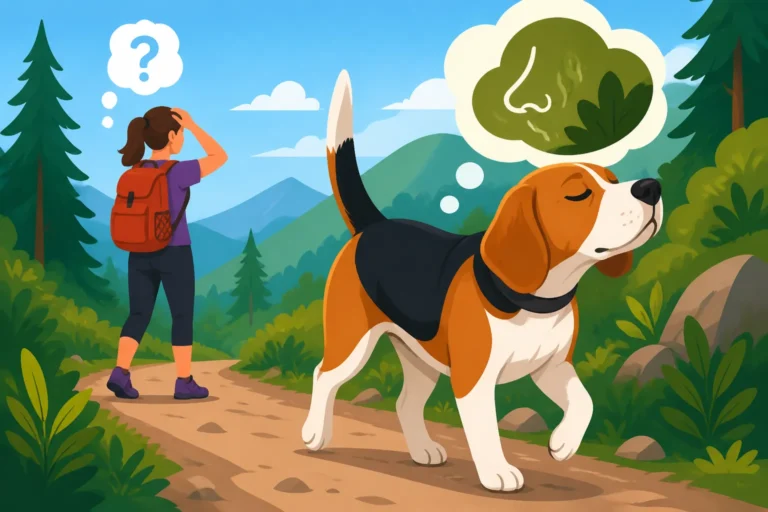
Imagine having a superpower that lets you experience the world in incredible detail, far beyond what mere mortals can perceive. That's a Beagle's nose. They possess around 220 million scent receptors, compared to our paltry 5 million. This isn't just a slight advantage; it's a completely different way of processing reality. When your Beagle steps outside, they're not just seeing the grass; they're reading the intricate story of every creature that has passed by – squirrels, other dogs, that mysterious cat from three streets over, even the faintest whisper of a dropped crumb.
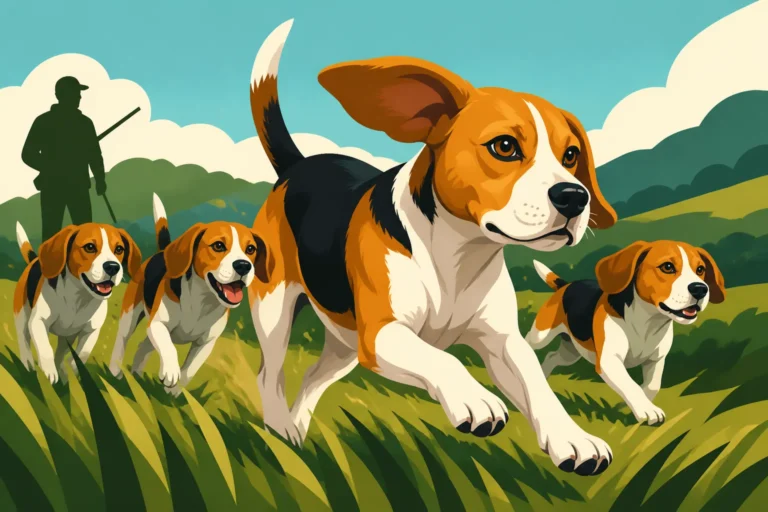
Their olfactory bulb, the part of the brain that processes smell, is disproportionately large, making them exceptional at not just detecting scent, but also discriminating between countless odors simultaneously. This incredible ability means that when you're standing there, patiently waiting for them to pee, they are actually engaged in a complex, captivating symphony of smells. Asking them to ignore it to go potty is like asking us to ignore a live rock concert in favor of doing taxes. It’s hardwired into their DNA; they were quite literally bred to follow a scent trail for miles, ignoring all else. This deep-seated instinct often makes house training them a test of human patience and strategy. For more on their incredible sense of smell, check out The 220 Million Receptors Behind a Beagle's Nose.
Sensory Overload: Sights and Sounds Beyond Scent
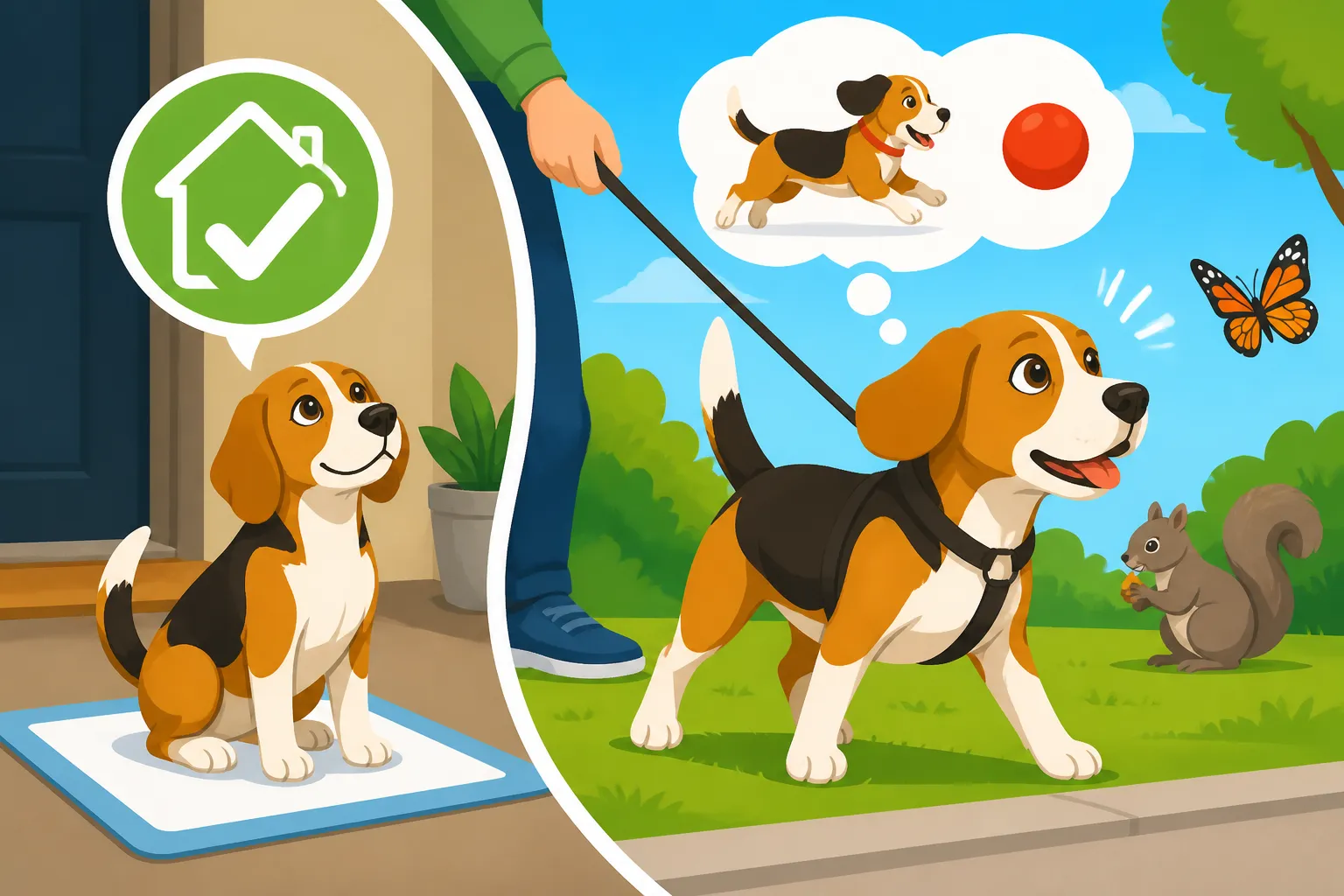
While their nose is certainly the star of the show, it's not the only performer in the outdoor distraction circus. Beagles are curious and alert little hounds, and the world offers a dazzling array of sights and sounds that can easily pull their attention away from the simple act of relieving themselves. A rustling leaf could be a hidden mouse. A distant siren might warrant a mournful howl. A bird landing on a fence post is an invitation to chase.
Even something as mundane as the reflection of sunlight on a puddle can capture their attention. These sensory inputs create a constant barrage of stimulation, making it incredibly difficult for a young Beagle, or even a newly adopted adult, to focus on the task you've set for them. In a busy backyard or a public park, the sheer volume of competing stimuli can lead to your Beagle wandering, sniffing, and playing, only to come back inside and then decide it’s the perfect moment to go on your favorite rug. It's not defiance; it's just that their brains are wired for exploration and investigation, often at the expense of immediate compliance with your potty training goals.
Setting Up for Success: Creating a Predictable Potty Zone
Given a Beagle's natural inclination to explore with their nose, our biggest asset in house training them is creating an environment and routine that makes the "potty spot" the most boring, yet most rewarding, place to be. We need to streamline their options and make the right choice abundantly clear.
Choosing and Conditioning a Dedicated Spot
The first step in combating outdoor distraction is to give your Beagle a very specific, unchanging location for their business. While it might be tempting to let them roam and choose, that's exactly what leads to prolonged sniffing excursions. Instead, pick a small, unassuming patch of grass or dirt in your yard. It doesn't need to be fancy or large; in fact, smaller is often better. This designated "potty zone" needs to be consistently the same every single time they go outside to eliminate.
The key here is to make this spot boring. This isn't the play zone, the sniff-every-blade-of-grass zone, or the chase-squirrels zone. When you take your Beagle to this spot, it's strictly business. Don't play with them, don't engage in long conversations, and initially, try to minimize their ability to wander and explore other enticing scents. The more predictable and dull this spot is for anything other than eliminating, the faster your Beagle will associate it with the act of going potty. Once they perform, that's when the excitement happens, reinforcing the location and the action.
Leash-Led Potty Breaks and Structured Routines
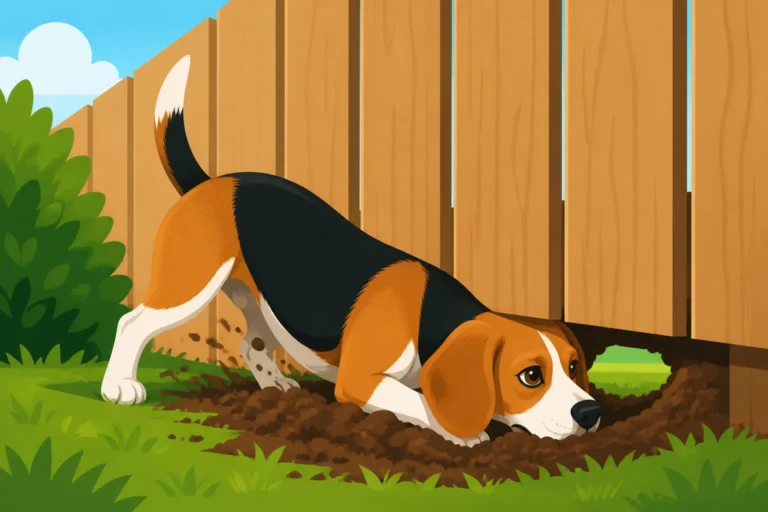
This might sound counterintuitive if you have a fenced yard, but keeping your Beagle on a leash for all potty breaks is a game-changer. Even in a secure backyard, an unleashed Beagle will immediately revert to explorer mode, nose to the ground, taking a leisurely tour of every fascinating scent. By keeping them on a short leash, you can guide them directly to their designated potty spot and keep them focused on the task. No meandering, no lengthy sniff-a-thons. The leash acts as a gentle, physical reminder that this trip outside has a purpose.
Beyond the leash, establishing a rock-solid, predictable routine is paramount. Beagles thrive on routine, and knowing when they will go out helps regulate their systems and builds anticipation for the right moment. Take your Beagle out:
- Immediately upon waking up in the morning.
- After every meal and drink.
- After vigorous play sessions.
- Before bedtime.
- Anytime they wake up from a nap.
Use a consistent verbal cue like "Go potty" or "Do your business" the moment you arrive at the spot. This vocal association helps them connect the phrase with the action. If they don't go after a few minutes, bring them back inside, confine them (either in a crate or on your lap), and try again in 5-10 minutes. This cycle teaches them that outdoor time is for pottying, and if they don't go, they don't get free-roaming privileges. For help with confinement, consider exploring Crate Training a Beagle Bred to Sleep in a Pack.
Strategies for Overcoming Outdoor Distractions
Now that we've set the stage, let's talk about the specific tactics that can help your Beagle break through the noise of the outside world and focus on their potty duties. It's all about making the right choice the most appealing one.
High-Value Rewards and Prompt Delivery
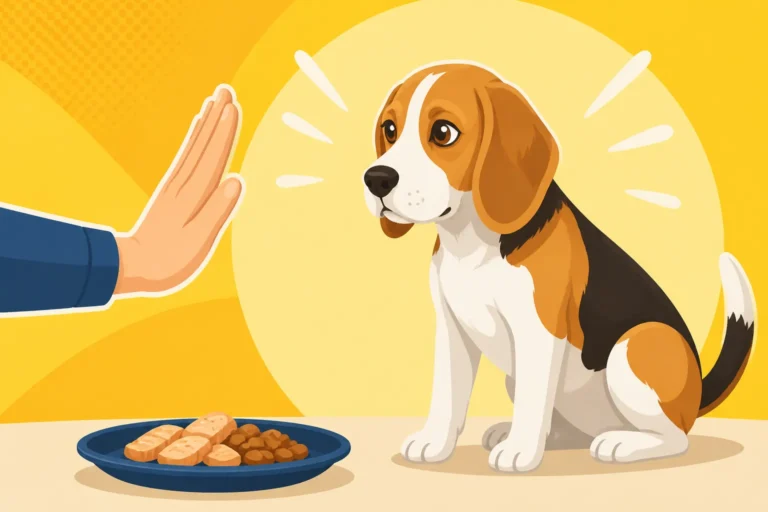
When you're competing with the allure of a million fascinating smells, a simple "good dog" often isn't enough. You need to pull out the big guns: high-value treats! These are the treats your Beagle absolutely goes bonkers for—think tiny pieces of cooked chicken, cheese, hot dogs, or a special soft training treat they don't get at any other time. The key is that they need to be small, easy to swallow, and delicious enough to instantly grab their attention.
The timing of the reward is critical. The moment your Beagle finishes eliminating, say your verbal cue ("Good potty!") with enthusiasm and immediately pop that high-value treat into their mouth. Don't wait until you're back inside. Don't wait until they've walked a few steps. The reward needs to be delivered within three seconds of them finishing to create a strong, clear association between the act of going potty in the right spot and receiving something truly amazing. This rapid, high-value reinforcement teaches them that ignoring the distractions to do their business leads to a far better outcome than simply sniffing. To understand what kind of treats work best, you might find The Treats a Beagle Will Work Hardest For helpful. Many trainers, like those at BAXTER & Bella, emphasize the power of timely, irresistible rewards in building strong positive associations.
The "Potty First, Play Later" Rule
This is a golden rule for Beagles, and it requires consistency from everyone in the household. Every single time you take your Beagle outside, especially for a scheduled potty break, the sequence must be: potty, then play (or sniff, or explore). If you let them immediately start running around, chasing balls, or embarking on a grand sniffing adventure, they'll quickly learn that outdoor time is for fun and games, and that going potty is just an inconvenience that interrupts the good stuff.
Instead, take them directly to their designated potty spot on a leash. Stand still, give your verbal cue, and wait patiently. If they go, immense praise, the high-value treat, and then you can release them for a few minutes of supervised play or a sniff walk. If they don't go after a few minutes of waiting, bring them straight back inside, no playing, no scolding. Crate them or keep them closely supervised, then try again in 5-10 minutes. Repeating this cycle teaches them that the sooner they do their business, the sooner the fun begins. It sets a clear expectation and makes the reward contingent on the desired behavior. Think of it as: "Once you take care of business, then we can have fun."
Managing the Environment: Reducing Overwhelm
Sometimes, the outdoor environment itself is just too much, especially for a young puppy or a Beagle new to your home. We can't eliminate all distractions, but we can manage them to give our Beagles a better chance at success.
- Choose Quieter Times: Take your Beagle out for potty breaks during the least distracting times of day. Early mornings, late evenings, or even during a light drizzle when fewer people, dogs, and wildlife are out can make a big difference. The fewer competing stimuli, the easier it is for them to focus.
- Create a Barrier: If you have a larger yard, consider creating a temporary barrier around the designated potty spot using stakes and netting, or even just strategically placed garden furniture. This helps create a smaller, more focused area where their options for wandering and sniffing are limited.
- Gradual Exposure: Once your Beagle is consistently eliminating in their designated spot during quiet times, you can gradually introduce more distractions. Start with a slightly busier time of day, then maybe a new spot with slightly more scent. The key is gradual exposure, building their ability to focus in increasingly complex environments. This isn't about eliminating their nose-driven nature, but about teaching them to perform a specific task despite it. Utilizing principles of positive reinforcement, as advocated by resources like BAXTER & Bella, can significantly help in building this focus.
| Distraction Level | Common Scenarios | Management Strategy |
|---|---|---|
| Low Distraction | Quiet backyard, early morning/late evening, light rain, newly mown grass. | Leash-led directly to spot. Minimal talking. High-value treats immediately after eliminating. "Potty First, Play Later" strictly enforced. Keep the spot boring for anything else. |
| Moderate Distraction | Backyard with familiar scents, distant neighborhood sounds, occasional bird/squirrel. | Continue leash-led to spot. Increase treat value slightly. Stand close to limit wandering. If they get distracted, gently redirect their focus back to the spot without scolding. Stay patient and consistent with the "Potty First, Play Later" rule. |
| High Distraction | Public park, busy street, yard with new animal scents, construction noise, children playing. | Prioritize quiet times/spots initially. Use an extra-long leash (but keep it short at the potty spot) to allow minimal exploration after potty. Use your most irresistible, high-value treats. If they fail to eliminate after several focused attempts, bring them inside for a short "reset" and try again. This may not be the ideal place for early training. |
Troubleshooting Common Beagle Potty Training Hurdles
Even with the best strategies, Beagles will inevitably throw a few curveballs during house training. It's important to anticipate these challenges and have a plan for how to handle them without getting too discouraged.
The "I Went Outside But Didn't Potty" Problem
This is perhaps the most infuriating Beagle habit for owners. You've just spent ten minutes outside, patiently waiting, offering cues, and your Beagle has meticulously sniffed every blade of grass, investigated a stray leaf, and maybe even bayed at a passing cloud. You bring them inside, utterly convinced they're empty, only for them to squat and relieve themselves on your carpet mere moments later. This isn't usually spite; it's a combination of their distraction outdoors and a learned behavior of holding it in until they feel safe or less stimulated indoors.
The solution here is a strict "no free roaming" policy until they've successfully eliminated outside. If they don't go after a reasonable amount of time (say, 5-7 minutes) at their potty spot, bring them inside and either put them directly into their crate or keep them on a leash with you, preventing them from wandering off. Then, try again in another 5-10 minutes. Repeat this cycle of short outdoor trips followed by confined indoor time until they go. The moment they go outside, lavish them with praise and treats, and then they can earn a period of supervised indoor freedom. This teaches them that the only way to get out of confinement is to do their business outside. For more on the typical duration of house training, see How Many Weeks Beagle Potty Training Usually Takes.
Regression and Consistency Breaks
Just when you think you've turned a corner and your Beagle is house-trained, you might experience a setback. Regression is common, especially during adolescence, or if there's a change in routine, environment, or even your own consistency. A new baby, a house guest, moving to a new home, or even just a few days where you weren't as diligent with the routine can cause your Beagle to "forget" their training. It’s incredibly frustrating, but it’s a normal part of the process.
When regression hits, don't get angry. Simply go back to basics. Re-implement the strict routine, the leash-led potty breaks, the high-value rewards, and the "potty first, play later" rule. Everyone in the household needs to be on board and consistent. Treat your Beagle as if they are a brand new puppy again in terms of house training. It might take a few days or even a couple of weeks to get back on track, but consistency is key. Sometimes, stress or anxiety can also contribute to accidents, so consider if anything in their environment has changed to cause emotional distress.
When to Seek Professional Guidance
If you've tried everything, maintained strict consistency, and your Beagle is still having frequent accidents indoors, it might be time to consult a professional. Before you call a trainer, always rule out medical causes first. A trip to the veterinarian is crucial to ensure there isn't an underlying health issue like a urinary tract infection, bladder stones, or even conditions like Beagle Diabetes and Blood Sugar Control or Kidney Disease in an Old Beagle that could be causing increased urination or lack of bladder control. Your vet can perform a physical exam and urinalysis to check for these issues.
Once medical causes are ruled out, a professional dog trainer specializing in positive reinforcement and scent hounds can provide tailored guidance. They can observe your Beagle's behavior, identify specific triggers or areas where your training might be faltering, and offer personalized strategies. Sometimes, an outside perspective and expert advice can make all the difference, especially with a breed as unique as the Beagle. Don't be afraid to ask for help; it's a sign of a responsible pet owner committed to their Beagle's well-being. Additionally, if you notice any other concerning symptoms alongside accidents, don't hesitate to contact your vet immediately; understanding Beagle Emergency Signs That Cannot Wait Until Morning is vital.
Disclaimer
This article is for general informational purposes only and does not constitute professional advice. Laws, prices and regulations vary by location and change over time. Consult a qualified professional for guidance on your specific situation.