Neighbors Who Keep Feeding a Loose Beagle
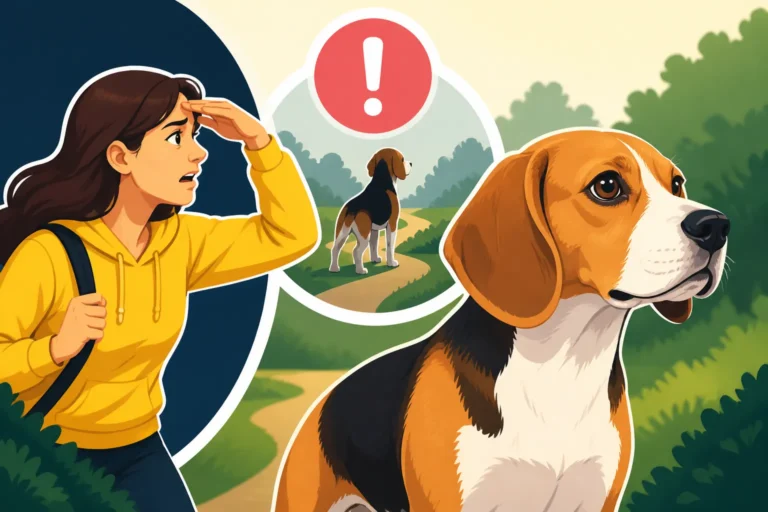
There’s a special kind of heart-stopping panic that washes over you when your Beagle goes missing. You frantically search the neighborhood, calling their name, only to discover later that your beloved hound wasn’t truly lost at all – they were simply being "helped" by a well-meaning but utterly misguided neighbor who decided to feed them. This scenario is incredibly frustrating and, more importantly, genuinely dangerous for your dog. This guide is here to walk you through why this happens, the risks involved, and how to gently but firmly address this delicate situation.
The Immediate Problem: Why Neighbors Feeding Your Loose Beagle Is a Big Deal
It's natural for people to want to help a seemingly lost or stray animal. Their intentions might be entirely good-hearted – they see a hungry-looking dog, maybe one that looks a little forlorn or disoriented, and their first instinct is often to offer food and comfort. For a Beagle, with their perpetually hungry nature and incredible nose, a free meal is an irresistible invitation. However, while their kindness is appreciated on a human level, it can create a host of serious problems for you and your dog.
The Dangers of Unknown Food Sources
When a neighbor feeds your Beagle, even if it's just a small snack, it introduces an element of the unknown into your dog's diet, and that can lead to significant health risks. Imagine you're on a carefully managed diet for your own health, and suddenly someone is offering you random treats without knowing your dietary restrictions. It’s exactly the same for your Beagle.
Many Beagles have specific dietary needs, allergies, or sensitivities. A well-meaning neighbor might offer a piece of leftover chicken bone, a chocolate chip cookie, or even just some table scraps that are perfectly safe for humans but toxic or harmful to dogs. We've talked extensively about What a Beagle Should Never Be Allowed to Eat, and the list is longer than most people realize. Even seemingly benign foods like grapes, raisins, onions, garlic, or artificial sweeteners (xylitol) found in many sugar-free products can cause severe illness or even be fatal. A sudden change in diet can also lead to gastrointestinal upset, like vomiting or diarrhea, which is unpleasant for everyone and can be a sign of something more serious. If your Beagle is prone to Beagle Food Allergies Showing Up on the Skin, an unknown food source can trigger a flare-up that takes weeks to clear.
Encouraging Escape and Discouraging Recall
One of the biggest frustrations for any Beagle owner is their dog's incredible nose and their independent spirit. Beagles were bred for centuries to follow a scent trail, often ignoring everything else, including their owner's calls. This is why Beagle Recall and Why Your Voice Stops Registering can be such a challenge. When a neighbor provides food, they are inadvertently reinforcing your Beagle's tendency to roam and, even worse, teaching them that wandering off can lead to delicious rewards.
Think about it from your Beagle's perspective: "If I slip out of the yard, there's a good chance that nice person down the street will give me yummy human food." This creates a powerful incentive for them to escape again. It makes your job of training recall, which is already a monumental task, even harder. Every time your Beagle is fed by a stranger, it undermines your efforts to teach them that you are the source of all good things and that coming back to you is the best choice. This can also make future attempts to find them even more difficult, as they might actively seek out these "feeding stations" instead of returning home. This is why Why a Beagle Should Never Be Off Leash Unfenced is such a crucial piece of advice.
Undermining Your Training and Trust
Beyond the immediate dangers, a neighbor regularly feeding your loose Beagle can erode the trust and training you've painstakingly built. You spend hours on Beagle Training Around 220 Million Scent Receptors, using high-value treats and consistent commands to teach good behavior. Then, your Beagle gets a free, often more exciting, meal from someone else, completely derailing your system.
This isn't just about food; it's about boundaries and consistency. Dogs thrive on routine and clear expectations. When an external party disrupts this, it confuses your dog and can lead to behavioral regressions. Your Beagle might start to ignore your commands more often, become less motivated by your treats, or even develop a preference for the neighbor's company over yours when off-leash. This can be heartbreaking for an owner who dedicates so much to their dog's well-being and training. It's a breach of an unwritten social contract, even if done with the best intentions.
Addressing the Situation: How to Talk to Neighbors About Your Beagle
Discovering that your neighbor is feeding your loose Beagle can feel infuriating, embarrassing, or a mix of both. Your immediate reaction might be to confront them, but taking a calm, diplomatic approach is almost always more effective. Remember, they likely think they're doing a good deed, so approaching them with anger might put them on the defensive and make them less receptive to your concerns.
The Initial Conversation: Approach With Empathy, Educate With Facts
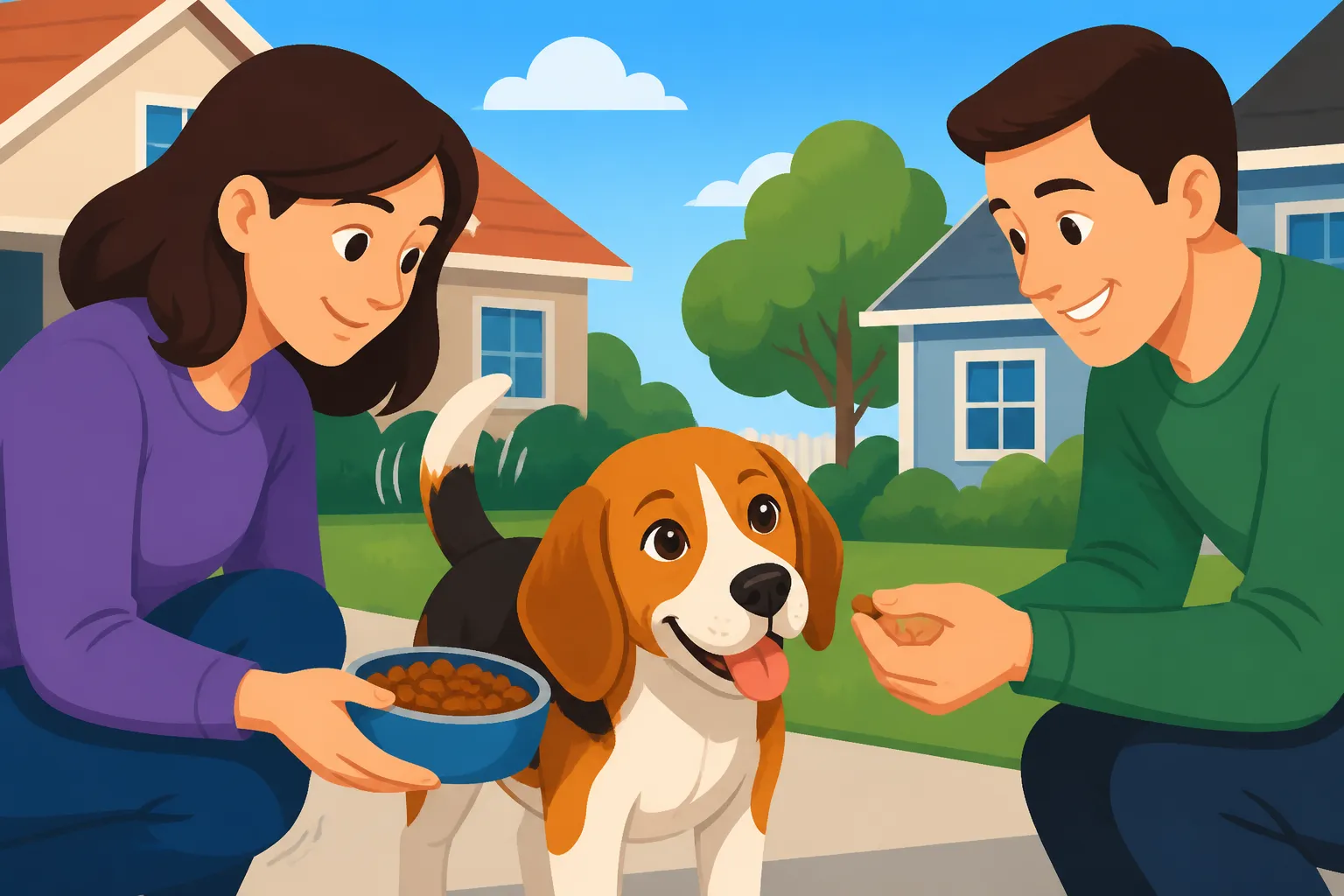
The key to a successful conversation is to start from a place of understanding, even if you’re internally seething. Begin by thanking them for their kindness and concern for your Beagle. Acknowledge their good intentions. Something like, "Hey [Neighbor's Name], I just wanted to thank you so much for looking out for [Beagle's Name] when they got out. It really means a lot that you care!" This disarms them immediately.
Once you’ve established that positive opening, gently pivot to the factual dangers. Explain, without judgment, why feeding your Beagle is actually harmful. Focus on the health aspects first, as these are often easier for people to understand and sympathize with. You could say, "I really appreciate you giving [Beagle's Name] some food, but I wanted to let you know that they have a really sensitive stomach/allergies/a strict diet, and even a small amount of different food can make them really sick. We've even had vet visits for it before." This makes it about your dog's well-being, not about their perceived transgression.
Then, you can move on to the behavioral aspect. "Also, Beagles are such clever escape artists, and when they get a reward like food from someone when they're loose, it actually teaches them that getting out of the yard is a fun and rewarding adventure, which makes it even harder to keep them safe and home. We’re working really hard on their Beagle Recall That Works Before the Nose Wins, and these treats, while sweet, really confuse them." You might even explain that Beagles were bred to follow scent for miles, so their drive to explore is incredibly strong, and food reinforces that drive.
Offering Alternatives and Solutions
Instead of just telling them what not to do, provide clear alternatives for what they should do if they see your Beagle loose again. This empowers them to still "help" in a way that is genuinely beneficial.
Suggest specific actions:
- Call you immediately: Give them your phone number and emphasize that a quick call is the best help they can offer. Offer to exchange numbers.
- Bring the Beagle home: If they are comfortable and your Beagle is friendly, suggest they just walk your dog back to your house.
- Do not feed: Reiterate this point gently. "If you see [Beagle's Name] out again, the best thing you can do for their health is actually not to give them food, but to call me right away. That way, I can make sure they get home safely and don't eat anything that could make them sick."
- Offer a designated treat: If they truly insist on giving your dog something, perhaps provide them with a small bag of your Beagle's regular treats and explain, "If you ever see [Beagle's Name] out and want to give them something, these are safe for them, but please still call me right away so I can get them home." This is a compromise that might work in some situations, but it still has the risk of reinforcing the escape behavior. Use your judgment here.
Consider creating a small, laminated card with your Beagle's picture, your contact information, and a polite request not to feed them if found loose. You can hand this out to close neighbors. For the very difficult cases, sometimes people need a more official-looking reminder.
Documenting and Escalating (If Necessary)
Most reasonable people will understand once the risks are clearly explained. However, there might be rare instances where a neighbor continues to feed your dog despite your requests. In these cases, you might need to take further steps.
- Keep a log: Document dates and times your Beagle was fed, if you know.
- Involve a community leader: If you have a neighborhood association or community watch, they might be able to help mediate.
- Animal Control/Local Authorities: This is usually a last resort, as it can strain neighborly relations. However, if your dog's health is at serious risk, or if the neighbor is actively encouraging your dog to stay loose, your local animal control or municipal authority might have ordinances about feeding stray or unsupervised animals. They can often provide an official warning or educational materials. Explain that your primary concern is your dog's safety and well-being. This is particularly relevant if your Beagle has a chronic condition like Beagle Diabetes and Blood Sugar Control or requires Beagle Thyroid Medication Paid for Life, where an uncontrolled diet could be life-threatening.
A table outlining the approach might be helpful:
| Step | Action | Why it Works |
|---|---|---|
| Initial Contact | Thank them for caring; acknowledge good intentions. | Disarms defensiveness; establishes common ground. |
| Educate on Health Risks | Explain specific dietary needs, allergies, and toxic foods. | Highlights immediate danger to the dog, appealing to their caring nature. |
| Educate on Behavior | Explain how feeding reinforces escape and undermines training/recall. | Addresses the long-term safety and management of the dog. |
| Offer Solutions | Provide clear alternatives: "Call me," "bring them home," "do not feed." Share contact info. | Empowers them to help correctly; gives actionable steps. |
| Follow Up Gently | Check in after a few weeks if you notice continued issues, or to reinforce thanks if it stopped. | Maintains communication; shows you're serious and appreciative. |
| Document (If Problems Persist) | Keep a log of incidents and communications. | Provides evidence if escalation is needed. |
| Escalate (Last Resort) | Involve community leaders or animal control if dog's health/safety is still compromised. | Uses official channels to resolve persistent, dangerous behavior. |
Preventing Future Escapes: Securing Your Beagle and Your Property
While addressing the neighbor directly is crucial, it's also important to reinforce your own efforts to keep your Beagle safely contained. Beagles are notoriously good at finding weaknesses in fencing and are driven by their noses. Beagle Escape Artistry and How to Contain It is a skill they seem to be born with, so we, as owners, need to be one step ahead.
Bolstering Your Physical Barriers
Start with your yard. Walk your fence line regularly, looking for any weaknesses. Beagles are diggers, so check for loose dirt under fences or gaps they could squeeze through. You might need to add a "dig skirt" – burying wire mesh along the bottom of your fence – to prevent them from tunneling out. Digging Barriers Along a Beagle Fence Line are a game-changer for determined excavators.
Also, consider the height and material of your fence. The Fence Height That Actually Holds a Beagle is generally higher than you might think, as some Beagles can get a surprising amount of air when motivated. If you have a gate, ensure the latch is secure and can't be easily nudged open. Double-check that everyone in the household, and any visitors, understand the importance of keeping the gate securely closed.
For those quick trips outside, consider a long line or leash. Even if you have a fenced yard, if there's any doubt about its security, a long line can give your Beagle some freedom to sniff while keeping them tethered to you. This is also a great tool for practicing The Long Line Length a Beagle Actually Needs for recall training in a somewhat controlled environment.
Enhancing Supervision and Management
No fence is 100% Beagle-proof, especially not when there's an enticing smell or a known food source just beyond it. This means constant vigilance.
- Supervised yard time: Whenever your Beagle is outside, even in a fenced yard, supervise them. Don't just let them out and assume they'll be fine. This is especially true if you know they have a history of escapes or if they’re particularly engrossed in a scent.
- GPS trackers: For Beagles, a GPS tracking collar can be a lifesaver. Brands like Fi and Tractive offer real-time tracking, allowing you to locate your dog quickly if they do manage to get out. You can find various compatible accessories, like sturdy collar attachments, on Amazon. This gives you peace of mind and significantly reduces the time your Beagle might be roaming, potentially encountering neighbors with treats. We've talked about Beagle GPS Collars and Tracking Tags before, and they're worth the investment.
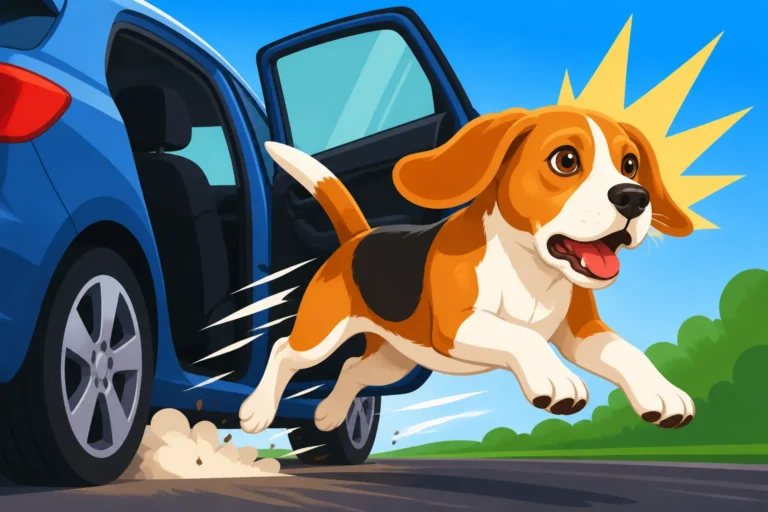
- Door and gate discipline: Teach your Beagle to wait at doors and gates. Practicing a "stay" or "wait" command before opening any exit point can prevent them from darting out the moment an opportunity arises. This is part of general impulse control training that is vital for Beagles.
Investing in Training and Enrichment
A tired Beagle is often a good Beagle. Physical and mental exercise can help reduce the drive to escape.
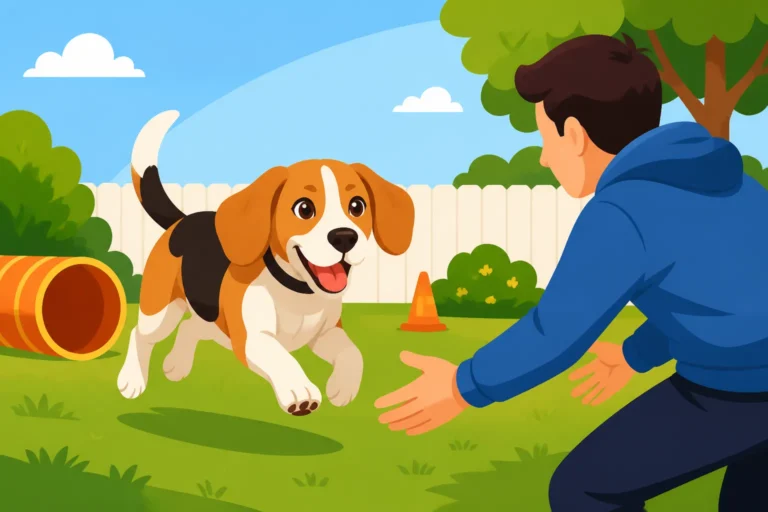
- Consistent training: Keep up with obedience training, especially recall. Even if it feels like an uphill battle against their nose, consistency is key. Consider enrolling in classes, either in person or through online platforms like BAXTER & Bella, which offer structured programs that can help reinforce good habits and teach you new techniques for managing a scent-driven dog.
- Scent work and enrichment: Give your Beagle an outlet for their natural sniffing abilities. Scent Work as the Job a Beagle Was Built For can be incredibly tiring and fulfilling for them. Puzzle feeders, snuffle mats, and hiding treats around the house or yard can keep their minds engaged and reduce boredom, which can often be a catalyst for escape attempts. A Beagle that has spent an hour "working" its nose in the backyard is often less inclined to try and find adventure beyond the fence.
- Regular exercise: Ensure your Beagle gets plenty of physical exercise. Daily walks, especially "sniffing walks" where they are allowed to explore scents on a leash, can burn off energy and satisfy their natural instincts. A Beagle with pent-up energy is more likely to look for an escape route.
Educating Your Community: Fostering a Safer Environment for All Dogs
While focusing on your immediate neighbors is critical, there's also value in broader community education, especially in areas where loose dogs might be a common sight. Many people genuinely don't understand the complexities of dog behavior and health.
Public Awareness Campaigns
Local humane societies or animal shelters often have resources or campaigns about responsible pet ownership. You could inquire about putting up flyers in community areas, or even writing a short piece for a neighborhood newsletter (if one exists), gently explaining the dangers of feeding loose pets. Frame it as a community safety issue, not just a personal one.
- Highlight health risks: Emphasize how unknown food can cause severe digestive issues, allergic reactions, or even poisoning, especially for dogs with specific medical conditions. Mentioning common toxic foods like chocolate, xylitol, and grapes can be impactful.
- Explain behavioral impact: Educate people on how feeding loose dogs reinforces escape behavior, makes recall training difficult, and can lead to dogs ignoring their owners in favor of "free meals." This helps them understand they aren't helping the dog in the long run.
- Promote microchipping and identification: Encourage everyone to ensure their pets are microchipped and wear ID tags. If a loose dog is found, the fastest way to reunite them with their owner is through proper identification, not through feeding them. We’ve covered Beagle Microchips and Getting a Lost Dog Back as a critical safety net.
Building Relationships and Communication Channels
Good relationships with your neighbors are invaluable. If your Beagle is known and liked, people are more likely to cooperate and contact you if they see them loose.
- Introduce your Beagle: Make sure your immediate neighbors know your Beagle by name. Let them meet your dog (on leash, in a controlled setting) so they can see how friendly and well-cared for they are.
- Open lines of communication: Offer your phone number to a wider circle of neighbors. Encourage them to text or call if they ever see your Beagle out, rather than trying to catch or feed them.
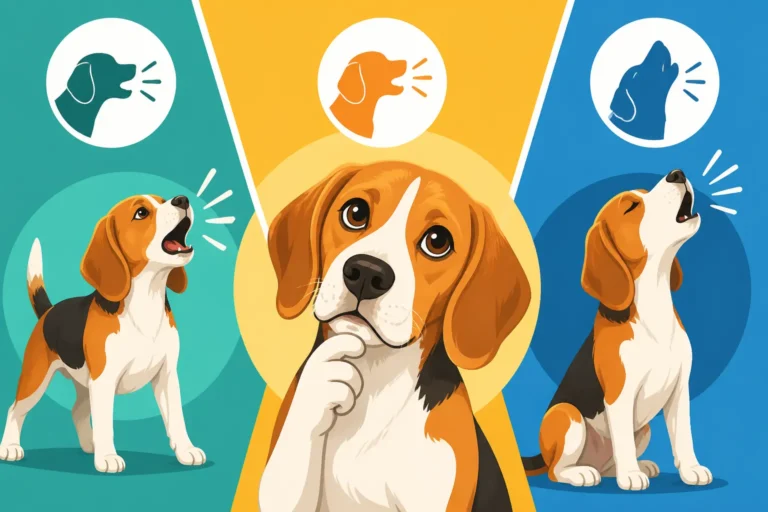
- Be a good neighbor: Demonstrate responsible pet ownership yourself. Clean up after your Beagle, manage their vocalizations (Beagles are vocal, but excessive baying can be addressed), and keep them contained. This builds goodwill and makes others more receptive to your requests. We all know Beagle Howling, Baying and Barking Explained is part of their charm, but managing it is key to harmonious neighbor relations.
By taking a proactive, educational approach, you can turn a potentially adversarial situation into an opportunity to foster a more informed and safer community for all Beagles, and indeed, all pets. It's a team effort to keep our furry family members safe and sound, especially when their noses lead them on grand adventures.
Disclaimer
This article is for general informational purposes only and does not constitute professional advice. Laws, prices and regulations vary by location and change over time. Consult a qualified professional for guidance on your specific situation.