Why a Beagle Will Follow a Scent for Miles
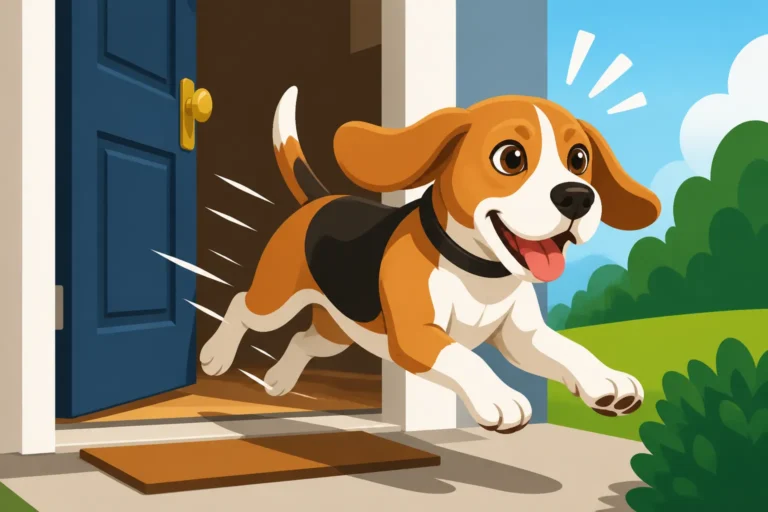
The frustration of watching your beloved Beagle vanish over the horizon, nose to the ground, utterly deaf to your frantic calls, is a feeling many Beagle owners know all too well. It’s not stubbornness; it’s an ancient, powerful instinct that compels them to follow a captivating trail wherever it leads. This guide will delve into the incredible world of the Beagle's nose, explaining why they are so compelled to follow a scent for miles, and offer practical strategies to keep your adventurous hound safe and sound.
The Extraordinary World Inside a Beagle's Nose
To understand why a Beagle will follow a scent for miles, you first have to appreciate the sheer biological marvel that is their nose. It’s not just a cute, wet button on their face; it's a super-sensitive, highly specialized organ that operates on a level we humans can barely comprehend. When a Beagle puts its nose to the ground, it’s not just smelling; it’s interpreting an entire landscape of information that we are completely oblivious to.
The Sheer Number of Scent Receptors
The primary reason a Beagle's sense of smell is so incredibly powerful lies in the number of olfactory receptors it possesses. While an average human has about 5 to 6 million of these specialized cells, a Beagle boasts an astonishing 220 million. Imagine having a super high-definition camera versus a blurry old flip phone – that's the difference in their ability to detect and differentiate scents. These receptors are housed within an elaborate network of folds and turbinates inside their nasal cavity, providing a massive surface area to capture even the most fleeting scent molecules.
This incredible abundance means that a Beagle can pick up on scent particles that are literally parts per trillion in concentration. Think about being able to detect a single drop of a specific liquid in an Olympic-sized swimming pool. That's the kind of sensitivity we're talking about. This isn't just a slightly better nose; it's an entirely different sensory experience that shapes their perception of the world around them. It’s why what might be a faint, unnoticeable odor to you is a blazing billboard of information to your Beagle. Want to know more about this incredible faculty? We've explored it in detail in The 220 Million Receptors Behind a Beagle's Nose.
How a Beagle Processes Scents
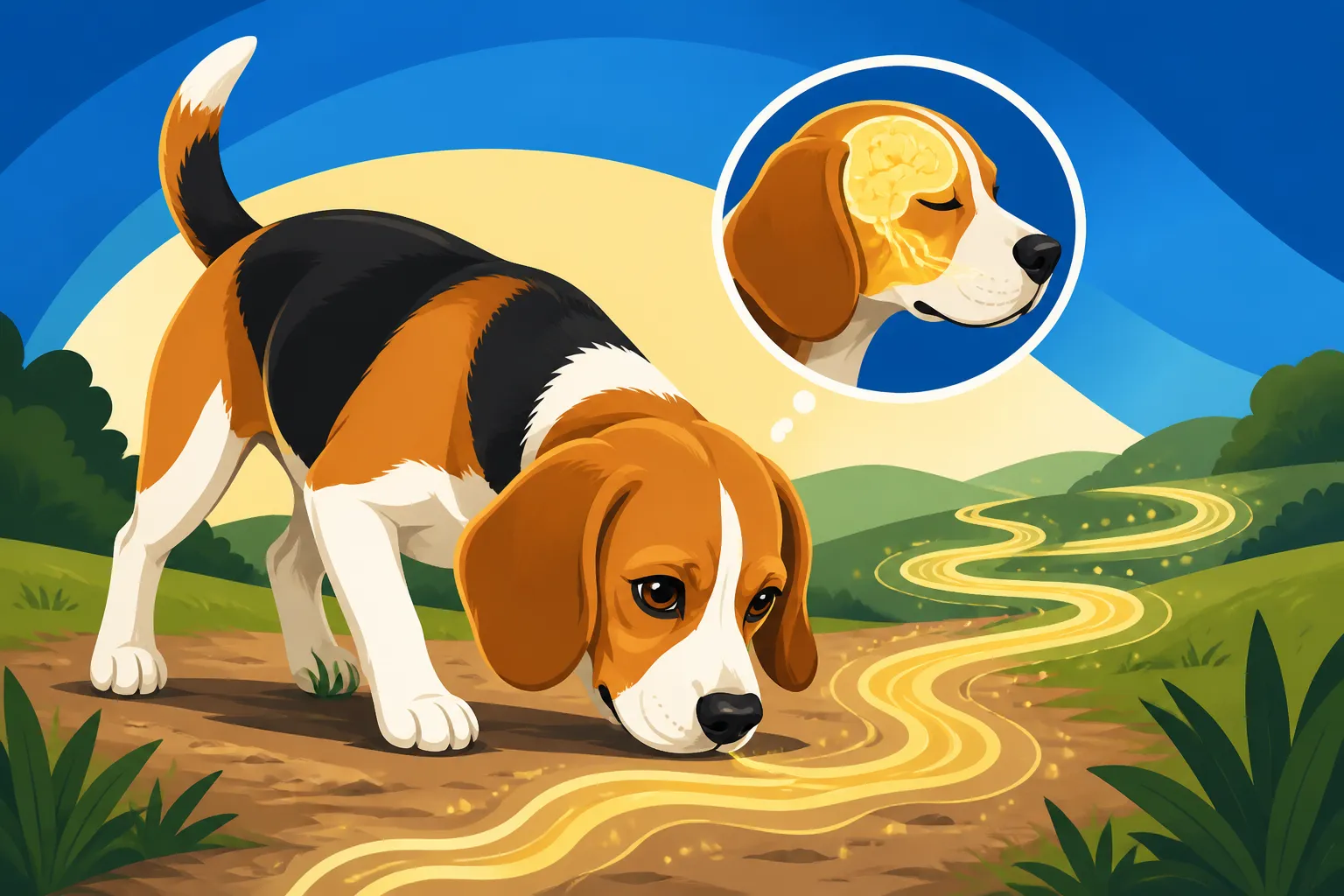
Beyond just collecting scent, a Beagle's brain is uniquely wired to process and prioritize this sensory input. Their olfactory bulb, the part of the brain responsible for interpreting smells, is disproportionately large compared to their overall brain size, taking up a significant chunk of neural real estate. For comparison, about 1% of a human brain is dedicated to processing scent, whereas for a Beagle, it can be closer to 12.5%. This means scent isn't just background noise; it's a primary, dominant form of communication and navigation.
When a Beagle smells, it’s almost like they’re seeing with their nose. Each nostril can operate somewhat independently, allowing them to essentially "smell in stereo" and determine the direction of a scent with incredible accuracy. This dual processing helps them pinpoint the source of a smell and maintain a consistent trail, even when it seems to dissipate. They're not just getting a general impression; they're constructing a detailed, three-dimensional map of their environment based entirely on odors. This dedication to scent processing allows them to follow a faint trail for astonishing distances, even days after it was laid.
Why a Scent is More Than Just an Odor
For a Beagle, a scent isn't merely a smell; it's a story. Every single whiff carries a wealth of information: who passed by, how long ago, what they ate, if they were stressed, injured, or in heat. A rabbit's scent isn't just "rabbit"; it's "rabbit, recently here, running this way, possibly female." This rich narrative is deeply compelling and serves as a constant, irresistible draw. It’s like finding a gripping mystery novel laid out on the ground, chapter by chapter, with your Beagle absolutely determined to read to the end.
This depth of information is what makes a Beagle so singularly focused. When they latch onto a particularly interesting trail, their world shrinks to that scent. All other stimuli—your calls, passing cars, even other dogs—fade into insignificance. Their brain is entirely engaged in unraveling the scent's narrative, driven by an instinctual need to follow it to its conclusion. This is why when they appear to ignore you, they're not being defiant; they are simply experiencing a sensory immersion so profound that your voice genuinely doesn't register. If you’ve ever wondered what’s going on in their head when they tune you out, read Why a Beagle Ignores You Halfway Down a Trail.
The Deep-Rooted Instinct to Hunt and Trail
The Beagle’s modern capabilities are not a random evolutionary quirk; they are the direct result of centuries of selective breeding. These dogs were quite literally engineered to be supreme scent hounds, tasked with a very specific job: to find and follow game, primarily rabbits and hare, over vast distances. This history has etched a profound and unshakeable instinct into their very DNA.
Bred for the Chase, Not for Obedience
For generations, Beagles were bred for their exceptional tracking ability, perseverance, and their distinctive baying voice to alert hunters. Obedience, in the human sense, was secondary to their drive to follow a scent. A good hunting Beagle was one that wouldn't come back when called if it was on a hot trail. It was prized for its independence and tenacity in sticking to the scent, not for its willingness to heel or sit on command. This historical imperative is crucial to understanding your modern pet Beagle. They aren't trying to be difficult; they are simply fulfilling the purpose they were born to execute.
This intrinsic drive means that a Beagle’s deepest satisfaction often comes from engaging its nose and pursuing a trail. It's not about catching the rabbit anymore for most pet Beagles; it's about the process of tracking, the mental challenge, and the pure joy of following that invisible line of scent. This makes their nose not just a tool, but a profound motivator. To get a glimpse into their original purpose, check out What a Beagle Was Originally Bred to Hunt.
The Thrill of the Trail
Imagine a thrilling treasure hunt where every clue is perfectly laid out, leading you inexorably to the prize. That's what a scent trail is for a Beagle. The act of trailing is intrinsically rewarding for them, releasing dopamine and other feel-good neurochemicals in their brain. Each successful step in following a scent reinforces the behavior, making them even more likely to pursue the next captivating odor. It’s an addiction, a passion, and a deep-seated instinct all rolled into one.
This "thrill of the chase" is so powerful that it can override almost any other impulse or learned behavior. Once a Beagle locks onto a scent, the world outside that olfactory tunnel often ceases to exist. They become singularly focused, their bodies and minds completely consumed by the task at hand. It's not a matter of choice; it's a compelling, almost hypnotic, experience that few other breeds understand to the same degree. This is why even the most well-trained Beagle can seem to "switch off" its ears when an irresistible scent presents itself.
Sensory Overload and Selective Hearing
When a Beagle is on a scent trail, its brain is experiencing an intense form of sensory overload, but it's an overload entirely dedicated to the olfactory sense. All other input, especially auditory commands from a human, are relegated to the furthest background, if they register at all. It's not that your Beagle suddenly forgot its name or its recall cue; it’s that the urgent, captivating narrative of the scent is screaming for its attention at a deafening volume, drowning out everything else.
This phenomenon is often misinterpreted as stubbornness or disobedience, which can be incredibly frustrating for owners. However, it's a natural, hardwired response to their environment. Their brain is prioritizing the most evolutionarily relevant information—the scent of potential prey or another animal—over the sound of a human voice, which historically would have been less critical in the field. Understanding this helps shift the perspective from "my dog is ignoring me" to "my dog is doing what it was profoundly bred to do, and I need to manage that instinct."
The Real-World Risks of a Trailing Beagle
While their incredible noses are fascinating, the reality for Beagle owners is that this powerful drive comes with significant risks. A Beagle following a scent for miles isn't a quaint picture; it's a serious safety concern that demands careful management and proactive prevention.
Getting Lost and Disoriented
One of the most immediate and terrifying risks is a Beagle getting lost. When they are completely immersed in following a scent, their spatial awareness, beyond the immediate trail, often diminishes. They might not be paying attention to landmarks, turns in the road, or how far they've traveled from home. They are literally following a line, regardless of where that line leads. This singular focus can lead them far afield, into unfamiliar territories, making it incredibly difficult for them to find their way back once the scent fades or their "trance" breaks.
The panic an owner feels when their Beagle vanishes cannot be overstated. Even in familiar neighborhoods, a Beagle can quickly become disoriented if its nose leads it into an unexpected area. Factors like weather changes, busy streets, or even just the sheer distance covered can turn a simple sniff into a harrowing search and rescue mission. This is where tools like a GPS collar become invaluable. While a good GPS collar is an investment, it provides peace of mind when a Beagle’s nose inevitably wins out. You can find reliable options on platforms like Amazon, but always check reviews for accuracy and battery life. If your Beagle does go missing, knowing The First Hour After a Beagle Goes Missing is critical.
Road Hazards and Other Dangers
Beyond simply getting lost, a Beagle on the trail is oblivious to the dangers of the modern world. They will cross busy roads without looking, dart into traffic, or wander onto private property without a second thought, all in pursuit of that elusive scent. Their focus is so intense that they often don't register the sound of an approaching car, a territorial dog, or a person calling out to them. This makes unsupervised off-leash time an extreme gamble, even in seemingly safe environments.
Consider a scenario where a Beagle picks up the scent of a deer near a residential street. It won't stop at the curb; it will follow that scent across multiple lanes of traffic if the trail persists. This tunnel vision makes them incredibly vulnerable to accidents, injuries, and even theft. Their friendly nature can also be a liability, as they might approach strangers or other animals without caution, potentially leading to negative interactions. It truly emphasizes why a Beagle should never be off leash unfenced; the risk is simply too high. This is why Why Off-Leash Parks Are Risky for a Beagle is a must-read for any Beagle owner.
The Emotional Toll on Owners
Living with a Beagle’s powerful scent drive can be emotionally exhausting for owners. The constant vigilance required, the fear of escape, and the feeling of being "ignored" can lead to frustration, anxiety, and sometimes even resentment. It's easy to feel like you're failing your dog, or that your dog is deliberately trying to defy you, when in reality, they're just being a Beagle. The worry of an escape can lead to constant stress, particularly if your yard isn't perfectly fenced, or if you live near busy roads.
This persistent underlying concern can sometimes prevent owners from fully enjoying their time with their Beagle, as walks might become less about bonding and more about managing potential escapes. The emotional burden of continually having to call, chase, or retrieve a scent-driven dog is significant. Understanding that this behavior stems from deep-seated instinct, rather than malice, can help owners approach the situation with more empathy and focus on proactive management strategies rather than simply trying to "fix" their dog's nature.
Strategies for Keeping a Scent-Driven Beagle Safe
While you can't "train out" a Beagle's powerful scent drive, you can absolutely implement strategies to manage it effectively and keep your beloved companion safe. It’s all about understanding their innate tendencies and working with them, rather than against them.
Masterful Recall is Non-Negotiable
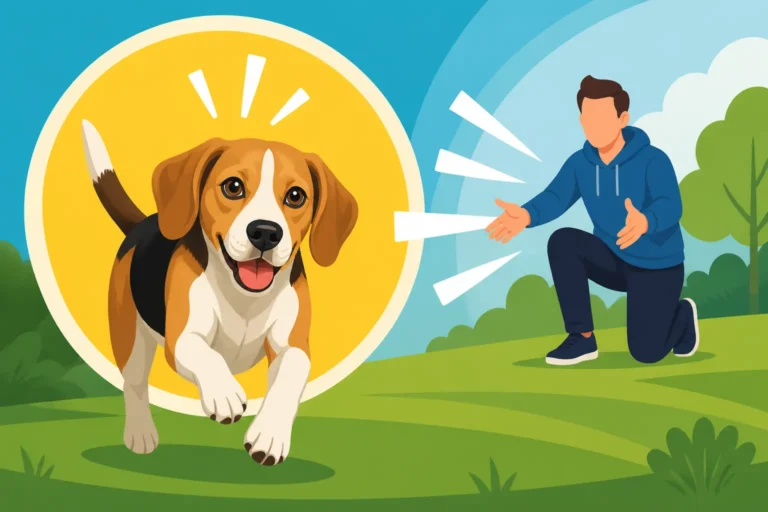
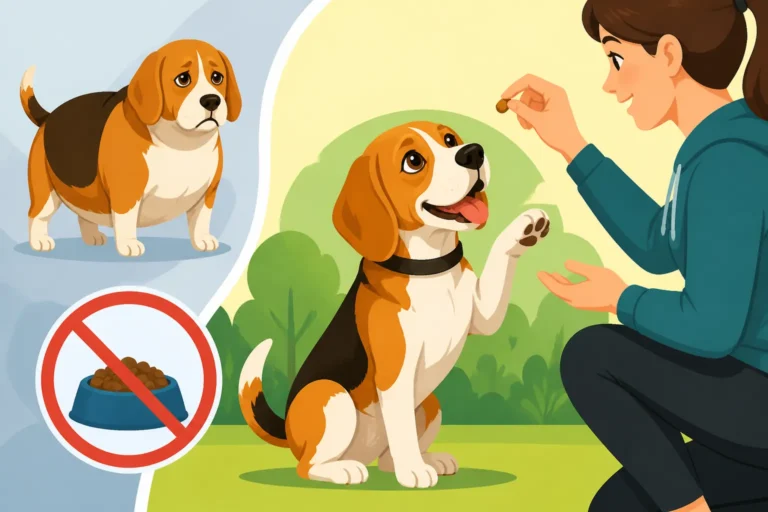
A rock-solid recall is the single most important command for any Beagle owner, but it needs to be an emergency recall, practiced with extremely high-value rewards and in increasingly distracting environments. Traditional recall often fails because a scent is more rewarding than whatever you're offering. You need to make yourself, or what you're offering, momentarily more compelling than the most enticing scent. This means using treats that are truly irresistible – think boiled chicken, cheese, or hot dogs – and practicing consistently.
Start recall training indoors, then move to a securely fenced yard, gradually introducing distractions. Never use your recall cue for anything negative, like calling them to punish them or to end a fun activity. The cue must always signal something amazing is about to happen. Consider enrolling in online training programs, such as those offered by BAXTER & Bella, which emphasize positive reinforcement and building a strong foundation for commands like recall. Their structured lessons can be incredibly helpful for addressing the specific challenges of a scent-driven breed. For in-depth recall advice, be sure to read Beagle Recall That Works Before the Nose Wins.
| Recall Training Stage | Environment | Reward Level | Goal |
|---|---|---|---|
| Foundation | Indoors, quiet | High-value | Build positive association with cue |
| Intermediate | Fenced yard, minimal distractions | Very high-value | Practice with minor environmental competition |
| Advanced | Public parks (on long line), moderate distractions | Extremely high-value | Reinforce reliability amidst real-world temptations |
| Emergency | Any situation where safety is paramount | Top-tier; unexpected | Instant response, regardless of scent |
Secure Containment: Fences and Leashes
Given their strong drive, a Beagle should ideally never be off-leash in an unfenced area. This means reliable physical containment is paramount. For yards, this usually translates to a sturdy fence that is at least six feet high, and often requires added measures to prevent digging underneath. Beagles are notorious escape artists; they will find the smallest gap, tunnel under a weak spot, or even scale surprisingly tall fences if sufficiently motivated by a scent. Inspect your fence line regularly for any weaknesses. For more on preventing escapes, see How a Beagle Finds the One Gap in a Fence.
When out and about, a leash or a long line is your Beagle's lifesaver. A good quality, secure harness (rather than just a collar) is recommended, as Beagles can easily slip out of collars when pulling hard on a scent. A long line, ranging from 15 to 50 feet, allows your Beagle to explore scents more freely and safely in appropriate areas, while still giving you control. You can find durable, weather-resistant long lines on Amazon, perfect for those extended Sniffing Walks and Why They Tire a Beagle Out. Remember, the goal isn't to prevent them from using their nose, but to ensure they do so safely. Knowing The Long Line Length a Beagle Actually Needs can help you choose the right length.
Channeling the Scent Drive Positively
Instead of fighting their natural instincts, embrace and channel your Beagle's scent drive into constructive, safe activities. This is one of the best ways to provide mental enrichment and fulfill their inherent needs. Scent work, nose work, and tracking are fantastic outlets that allow your Beagle to use its incredible nose in a controlled environment. These activities are not only mentally stimulating but also physically tiring, helping to create a more content and well-behaved companion at home.
Many communities offer beginner scent work classes, or you can start with simple games at home. Hide treats around the house or yard and encourage your Beagle to find them. Puzzle feeders, also readily available on platforms like Amazon, are another great way to engage their problem-solving skills and scent detection abilities during meal times. These activities reinforce the idea that using their nose can be rewarding and fun, without the inherent dangers of following a wild scent for miles. Consider diving into Starting a Beagle in Scent Work Classes for practical advice on getting started.
Finally, while you might never fully stop a Beagle from wanting to follow a scent for miles, equipping yourself with knowledge, training, and the right tools—like a secure leash, a strong recall, and perhaps a GPS Collars as a Backup for Beagle Recall—will significantly increase their safety and your peace of mind.
Disclaimer
This article is for general informational purposes only and does not constitute professional advice. Laws, prices and regulations vary by location and change over time. Consult a qualified professional for guidance on your specific situation.