What Sets Off a Beagle Bay Indoors
That distinctive, melodious bay of a Beagle, so charming in the field, can become a real challenge when it echoes through your living room. Many of us have been there, wondering why our otherwise sweet-natured hound suddenly turns into a canine alarm bell the moment the mailman pulls up or a squirrel dares to cross the yard. It's frustrating when you just want a moment of peace, but your Beagle has other plans. This guide is here to help you understand exactly what sets off a Beagle's bay indoors and, more importantly, what practical steps you can take to bring a little more quiet calm into your home.
Understanding the Beagle's Voice and Its Instinctive Purpose
Before we can tackle the baying, we have to understand it. A Beagle’s vocalizations aren't just random noise; they're deeply ingrained behaviors, honed over centuries. Trying to silence a Beagle entirely is like trying to convince a fish not to swim – it goes against their very nature. The key isn't eradication, but understanding and thoughtful management.
The Ancient Roots of the Beagle's Bay
Beagles were purpose-bred for hunting, specifically to track hare and rabbit in packs. Their incredible noses, combined with their distinctive voices, were essential tools in the hunt. The bay wasn't just a sound; it was a sophisticated communication system. When a Beagle caught a scent, it would bay to alert the other hounds and the hunter: "I've found the trail! Follow me!" or "The quarry is headed this way!" This vocal feedback was crucial for coordinating the pack and ensuring a successful chase.
Think about that for a moment. This isn't just a learned trick; it's a fundamental instinct, hardwired into their DNA over generations. It's what makes them such effective scent hounds. You can teach a child not to shout in a library, but you can't erase their capacity for loud vocalization entirely. Similarly, you cannot truly "train out" the bay from a Beagle because it’s part of their intrinsic being. It’s a core component of what makes them a Beagle. Trying to suppress this natural instinct entirely often leads to frustration for both you and your dog, as it denies them a fundamental form of expression.
Because of this deep historical purpose, expecting a Beagle to be completely silent indoors is often an unrealistic goal. Our aim should be to understand the triggers and provide appropriate outlets or management strategies, not to create a completely mute dog. Recognizing this helps us approach the problem with empathy and more effective solutions, leading to a happier household and a less stressed Beagle. Indeed, some sources argue that Why You Cannot Train the Bay Out of a Beagle is a truth every owner must accept.
Differentiating the Bay from Other Vocalizations
It’s easy to lump all dog sounds together, but Beagles actually possess a full and varied vocabulary, and understanding the differences can help you pinpoint the underlying cause. A typical bark, for instance, is often sharper, more abrupt, and used for immediate alerts, perhaps when someone is at the door or a sudden noise startles them. It’s usually a quick, declarative statement.
The Beagle's characteristic bay, however, is quite distinct. It's a longer, more drawn-out, almost melodious sound that often rises and falls in pitch. It has a specific, "on the trail" quality to it, even if the "trail" in question is just a perceived scent in your living room. It’s designed to carry over long distances, to communicate with a pack that might be spread out in the field. What a Beagle Bay Actually Sounds Like can give you a much better auditory understanding of this unique sound. This isn't a simple "woof"; it's a full-throated declaration.
Then there’s the howl, which tends to be more sustained and often triggered by high-pitched sounds like sirens, music, or the distant howls of other dogs. While some Beagles will howl as part of their separation anxiety, the classic bay is usually more tied to a specific scent or visual trigger. Understanding these nuances helps you diagnose the trigger better: Is it an alert bark at the door, a mournful separation howl, or an excited bay when they catch a faint whiff of a rabbit that once crossed your yard? Each type of vocalization might require a slightly different approach to management, highlighting the importance of keen observation.
Common Indoor Triggers for That Resounding Bay
Once you understand that baying is part of their inherent nature, the next step is identifying what specific situations spark that instinct indoors. These triggers can range from sensory input to emotional states, and often, it’s a combination of factors.
Outside Sights and Sounds: The World Beyond the Window
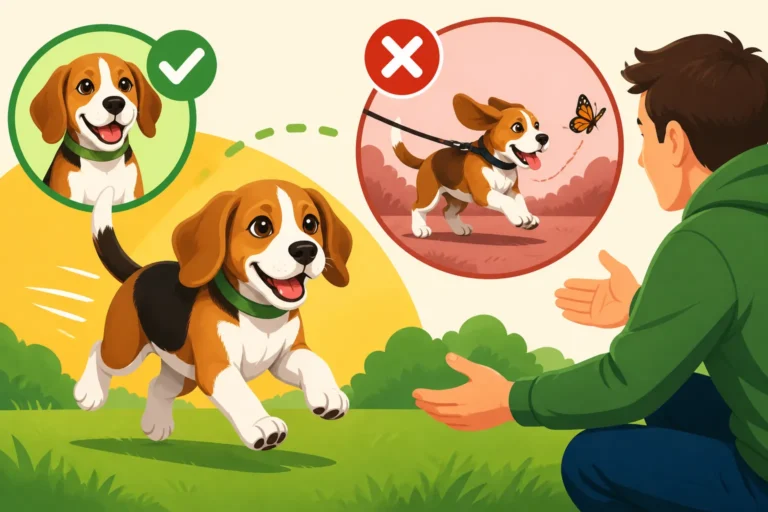
This category is, without a doubt, the most frequent culprit for indoor Beagle baying. Your Beagle, with its phenomenal senses, perceives the world outside in exquisite detail, often long before you do. Imagine you're relaxing, and suddenly your Beagle erupts in a volley of bays at the window. You look out, see nothing, and feel frustrated. But your Beagle might have detected the faintest whiff of a rabbit trail that blew onto your porch, or seen a flicker of movement from a squirrel far down the street, or even picked up on the subtle scent of the mail carrier's approaching vehicle.
These external stimuli—a squirrel scampering up a tree, a neighborhood cat strolling by, the distant bark of another dog, or the familiar rumble of a delivery truck—are irresistible targets for a Beagle’s innate hunting drive. Their ancient instinct kicks in, prompting them to alert their "pack" (you!) to the presence of "prey" or an "intruder" with a hearty, enthusiastic bay. It's not malicious; it's just them doing their job, as they understand it.
For some Beagles, even the distant sound of children playing at a nearby park or a car door shutting down the block can be enough to set off their internal alarm. If your Beagle has a favorite "watch spot" by a window or a glass door, these situations can escalate quickly, turning your peaceful home into a symphony of hound music. Recognizing that the trigger often originates from outside is the crucial first step in devising effective strategies to manage the baying. Without addressing the external input, you're constantly fighting a losing battle against their natural impulses.
Loneliness, Boredom, and the Call for Connection
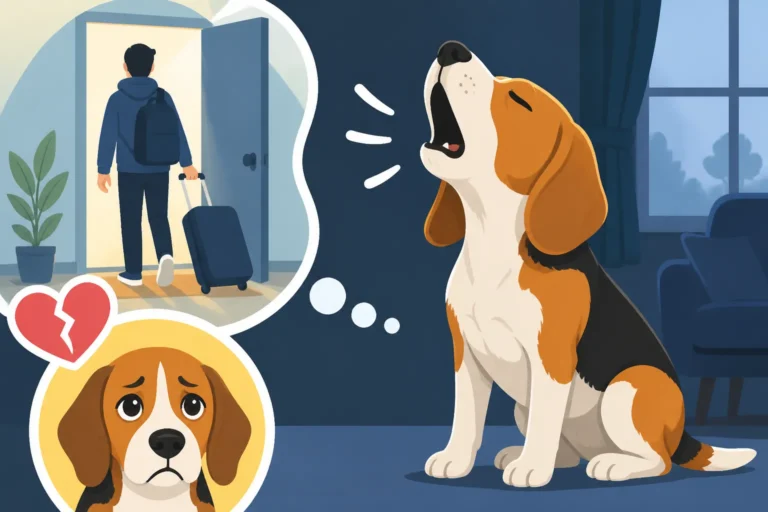
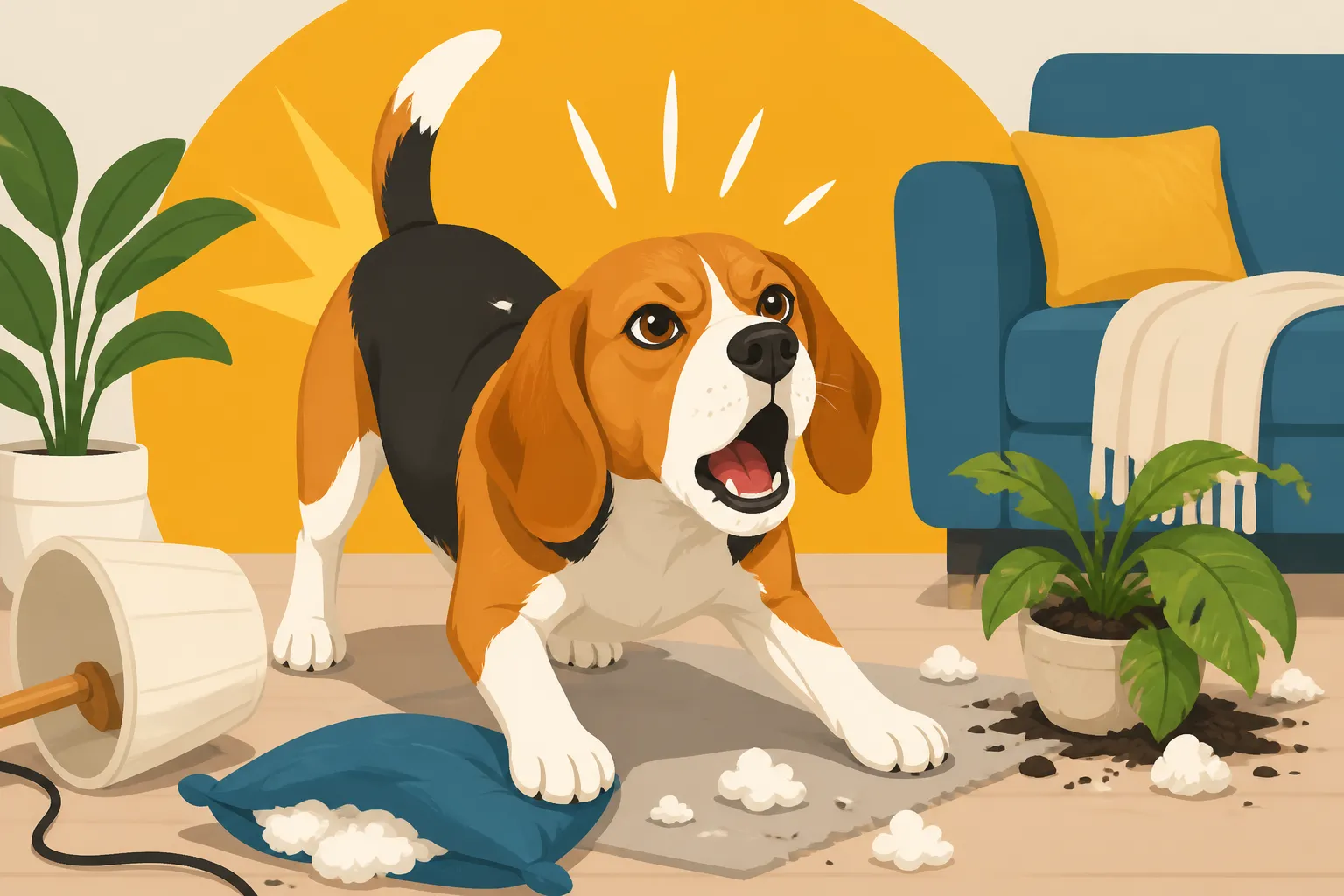
Beagles are quintessential pack animals. They thrive on companionship, interaction, and, perhaps most importantly, mental engagement. When left alone for extended periods without adequate physical or mental stimulation, they can become anxious, frustrated, or simply profoundly bored. For a Beagle, boredom doesn't equate to calmly napping; it often manifests as undesirable behaviors such as destructive chewing, digging at carpets, or, most notably for this discussion, incessant vocalization. The bay, in these instances, can become a desperate plea for attention, a manifestation of anxiety, or even a self-soothing mechanism.
If you observe that your Beagle's baying typically begins shortly after you leave the house, or if it intensifies when they are confined to a room away from family activity, it’s a strong indicator of loneliness or, in more severe cases, separation anxiety. Articles like Beagle Howling the Moment You Leave or The Howling That Means Beagle Separation Anxiety delve deeper into this specific issue. They aren't trying to be "naughty" or deliberately disruptive; they are expressing distress or a profound lack of fulfillment in the way their ancestors communicated over long distances to lost pack members. They're missing their pack.
This is where proactive enrichment becomes absolutely vital for your Beagle's well-being and your household's peace. A Beagle with a busy nose and an engaged mind is almost invariably a happier, quieter Beagle. Consider integrating puzzle toys, treat-dispensing gadgets, or even simple indoor scent games into their daily routine, particularly before you need to leave them alone. These activities can effectively keep their minds engaged, diverting their attention and energy away from the urge to bay out of sheer boredom or anxiety. Ignoring this type of baying without addressing the underlying emotional or mental need will, unfortunately, only exacerbate the problem, making it harder to manage over time. For Beagle Separation Anxiety in a Pack Breed, understanding this dynamic is paramount.
Attention Seeking and Learned Behavior
Beagles are intelligent and observant creatures, and they are incredibly quick to learn what actions reliably elicit a response from their human companions. If your Beagle bays, and your immediate reaction is to rush over, give them a verbal reprimand, or even just make eye contact, they have successfully trained you. They quickly deduce that baying is a highly effective, if noisy, method for gaining your attention, regardless of whether that attention is positive or negative. This cycle, once firmly established, can become incredibly challenging to interrupt and redirect.
Consider a common, everyday scenario: your Beagle drops a favorite toy, then lets out a loud bay. Without thinking, you pick up the toy and hand it back. From your Beagle's perspective, they just achieved their desired outcome through vocalization. Or perhaps they bay persistently when they want to go outside, and eventually, you open the door. In these instances, they've successfully connected the act of baying with achieving a specific, desired result. This isn't a malicious manipulation on their part; it's simply an efficient and effective form of canine communication, reinforced by your reaction.
It is therefore crucial to be acutely mindful of how you react to your Beagle's baying. Even a frustrated sigh, a sharp glance, or a verbal "Quiet!" can be interpreted as a form of attention. When addressing Managing the Triggers That Set a Beagle Off, this means adopting a consistent approach: actively ignore the unwanted baying and, instead, generously reward quiet behavior before the baying even starts, or the very moment they settle down and become silent. This approach can feel deeply counterintuitive at first, as your instinct might be to react immediately to the noise, but it is the most effective way to break the learned association and teach your Beagle that calm, quiet behavior is what truly earns your positive attention.
Practical Strategies for Quieter Indoor Living
Now that we’ve delved into the ‘why’ behind the indoor bay, let's explore actionable steps you can take to foster a more peaceful home environment. These strategies focus on modifying the environment, increasing enrichment, and consistent, positive training.
Environmental Management: Blocking Out the Triggers
Given that a significant portion of indoor baying is triggered by external sights and sounds, strategically controlling your Beagle's environment is often the quickest and most effective initial fix. If your Beagle reliably bays at the mail carrier, the neighborhood dog, or simply passersby, the first step is to block their visual access to these "trigger zones." This could involve simply closing curtains or blinds during peak trigger times. For more persistent issues, consider applying static cling window film to the lower panes of windows your Beagle looks out of; this allows light in but obscures direct views. Alternatively, strategically rearranging furniture so that their favorite window-watching spot is no longer accessible can make a surprising difference.
For auditory triggers, which can be just as potent for a Beagle's keen ears, sound masking techniques can be highly beneficial. Using a white noise machine, especially near windows or doors, can help to muffle external sounds like distant barking or traffic. Simply turning on the radio or TV to provide a consistent, soothing background noise can also help mask the sudden, attention-grabbing sounds that might otherwise prompt a bay. Many effective sound machines and ambient noise apps are readily available through online retailers like Amazon. This approach doesn't eliminate the baying instinct, but it removes the immediate stimulus, making it easier for your Beagle to remain calm.
If your Beagle bays at sounds from other parts of the house—for example, family members moving around in a separate room or children playing—you might need to manage their access or designate a "quiet zone." A comfortable crate in a calmer, more secluded part of the house, away from high-traffic windows or bustling doorways, can become their designated sanctuary. This proactive management of their environment helps your Beagle learn that quiet moments are a normal part of their day and significantly reduces the opportunities for them to practice and reinforce their baying habit. For larger issues, exploring options for Soundproofing One Room for a Vocal Beagle might be necessary if the noise is a constant problem.
Boosting Enrichment and Physical Exercise
A fundamental truth about Beagles is that a tired Beagle is a significantly quieter Beagle, and a mentally stimulated Beagle is a much happier, less vocal Beagle. Many indoor baying issues stem directly from a lack of adequate physical exertion and insufficient mental enrichment. These hounds were painstakingly bred for hours of sustained activity, tirelessly following complex scent trails. Consequently, a mere quick walk around the block, while better than nothing, is simply not enough to satisfy their deep-seated drives and inherent needs.
It is crucial to incorporate longer, sniff-filled walks into your Beagle's daily routine. Allow them the time and freedom to thoroughly explore every interesting scent on the ground; this intense olfactory work is profoundly mentally exhausting for them. Beyond physical walks, actively engage their incredible noses indoors with structured scent games. Hide high-value treats around the house and encourage them to sniff them out, or utilize specialized puzzle feeders and snuffle mats that force them to work for their meals. These activities are explored in depth in resources like Indoor Enrichment for a Rainy Beagle Week. Comprehensive online training platforms, such as those offered by BAXTER & Bella, often provide excellent modules on mental enrichment and nose work games that are perfectly suited for Beagles of all ages, helping owners to integrate these vital activities into their daily lives.
Consistent, appropriate physical exercise combined with regular mental stimulation can dramatically reduce the underlying urge to bay out of boredom, frustration, or pent-up energy. A Beagle that has had its nose and body "work" for a good portion of the day is far more likely to settle down quietly indoors, content and fulfilled. If you are struggling with determining the appropriate amount of exercise, or how to effectively implement these stimulating games, do not hesitate to seek guidance from professional dog trainers or explore the many excellent online resources available.
Consistent Training and Counter-Conditioning
Training plays a pivotal role in managing indoor baying, especially if the behavior has become an attention-seeking mechanism. The overarching goal is not to punish the bay, but to teach your Beagle what to do instead of baying, by reinforcing desired quiet behaviors. Start by establishing a clear "quiet" cue. Whenever your Beagle is naturally calm and silent, mark that exact moment with a clicker or a verbal "Yes!" and follow immediately with a high-value treat. Gradually, you can begin to introduce very mild triggers (a subtle noise outside, someone walking past the window at a distance) and reward your Beagle heavily for remaining silent.
For specific triggers like the mail carrier or a regularly passing delivery truck, classical counter-conditioning can be remarkably effective. This technique aims to change your Beagle's emotional response to the trigger. Instead of the mailman being a cue for frantic baying, you want to transform him into a predictor of something wonderfully positive. The moment you hear or see the mailman approaching – before your Beagle even begins to vocalize – immediately start showering them with their absolute favorite, high-value treats. The association you're building is: mailman = delicious treats, rather than mailman = alert and baying. Over time, your Beagle's emotional state will shift from alert to anticipatory happiness.
Consistency is the absolute bedrock of successful training. Every single member of your household must be on board with the training plan and apply it uniformly. If even one person accidentally reinforces the baying, it can quickly undermine weeks or months of dedicated effort. It's also crucial to avoid relying on aversive tools, such as Beagle Bark Collars and What They Do Not Fix; these devices often only suppress the symptoms without addressing the underlying cause of the baying and can even escalate anxiety or create fear associations. Instead, concentrate on positive reinforcement, rewarding calm and quiet, and teaching alternative, desirable behaviors. If you find yourself consistently struggling, or if the baying is accompanied by other concerning behaviors, do not hesitate to consult a certified professional dog trainer or a veterinary behaviorist for tailored guidance.
| Trigger Category | Common Indoor Scenario | Initial Management Strategy | Next Steps for Deeper Intervention |
|---|---|---|---|
| External Sights | Squirrels, mailman, passing dogs through window | Close curtains/blinds, apply window film, rearrange furniture | Counter-conditioning (treats when trigger appears), "quiet" cue training |
| External Sounds | Neighbor's dog, distant sirens, loud vehicles | Use white noise machine, play soft music/TV, provide quiet room | Desensitize with controlled sound exposure, reward silence |
| Loneliness/Boredom | Left alone, no mental stimulation, confined to one room | Increase sniff walks, puzzle toys, scent games, daily enrichment | Structured "alone time" training, rotating novel toys, canine daycare |
| Attention Seeking | Bays at owner for treats, play, going out | Ignore baying (no eye contact/verbal cues), reward quiet | Train alternative "request" behaviors (e.g., sit for attention), consistency from all family members |
| Separation Anxiety | Baying starts upon owner's departure, destructive acts | Secure comfort items, engage before leaving, short departures | Vet/trainer consult, gradual desensitization, medication if severe |
| Undiagnosed Pain/Discomfort | Sudden, unexplained increase in baying, other behavioral changes | Immediate veterinary check-up to rule out medical issues | Follow vet's treatment plan, manage discomfort, monitor behavior |
| Environmental Changes | New furniture, houseguests, construction noise | Gradual introduction to new stimuli, provide safe retreat | Maintain routine, positive associations with new changes, extra reassurance |
Disclaimer
This article is for general informational purposes only and does not constitute professional advice. Laws, prices and regulations vary by location and change over time. Consult a qualified professional for guidance on your specific situation.