Rewarding a Beagle Every Time It Checks In
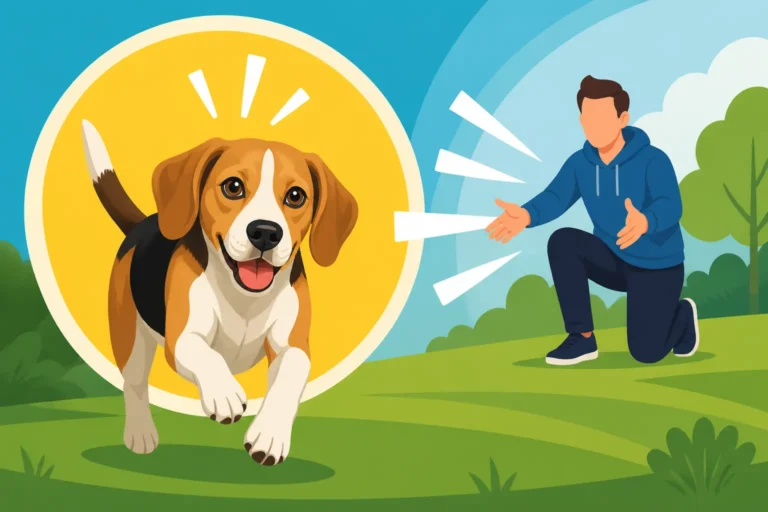
It's a familiar scene for any Beagle owner: you're out for a walk, enjoying the fresh air, and suddenly, your dog's nose hits the ground, and your carefully spoken words seem to vanish into thin air. Beagles are masters of following their noses, which means getting their attention back can feel like an uphill battle. This guide is here to help you understand why rewarding a Beagle every time it checks in—even if it's just a fleeting glance your way—is a cornerstone of successful communication and a happier, safer life together.
Why Check-Ins Are Non-Negotiable for Beagles
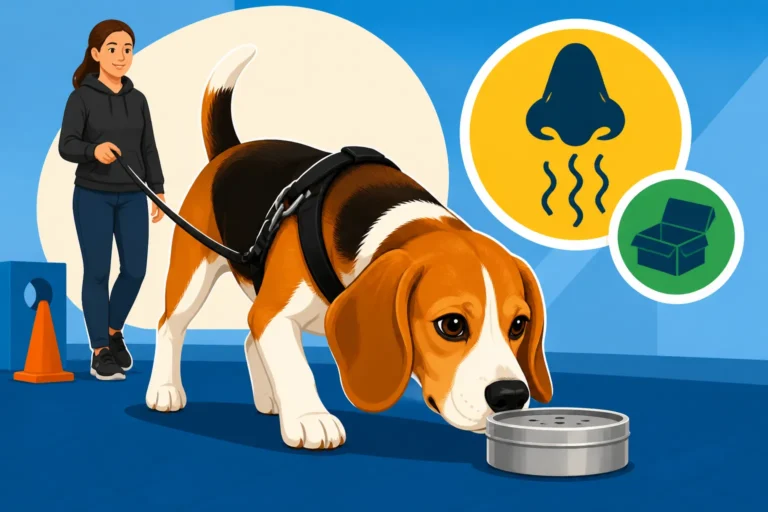
Let's be honest, living with a Beagle means living with a four-legged scent detective. Their world is dictated by odors, a vibrant tapestry of smells that we can only begin to imagine. This incredible olfactory ability, while fascinating, is also the root of many of our training challenges. A Beagle's natural inclination is to follow a scent trail, and once they're "on scent," everything else, including your voice, can become secondary. This isn't stubbornness; it's instinct.
Think about it from their perspective: a rabbit just scurried by, leaving a tantalizing trail. Or maybe a squirrel buried a nut under that oak tree last week, and the ghost of its presence is still calling to them. What Happens in a Beagle's Head on a Scent is a truly immersive experience, shutting out the rest of the world. Because of this powerful drive, a reliable check-in isn't just a nice behavior; it's a safety net. It's the moment they voluntarily re-engage with you amidst all the distractions, reminding themselves that you're part of their pack and the source of all good things. Without a strong check-in habit, a loose Beagle can quickly become a lost Beagle, following its nose miles from home. This is why Why a Beagle Should Never Be Off Leash Unfenced is such crucial advice for this breed.
The Beagle's Independent Streak and Safety
Beagles were bred for centuries to hunt in packs, working cooperatively with other dogs but often at a distance from their human hunters. They were expected to be independent problem-solvers on the trail, relying on their noses to track game and their voices to announce their findings. This historical purpose means they aren't inherently "velcro dogs" in the way some other breeds might be. Their independence, coupled with that phenomenal nose, means that if they don't have a strong reason to stay connected to you, they might simply drift off.
A consistent check-in, where they look at you, even for a second, acknowledges your presence and leadership. It’s a tiny, powerful reaffirmation of your bond. It's not about demanding constant eye contact; it's about fostering an awareness of where you are and what you might be asking of them. In a busy park or even your own backyard, a dog that consistently checks in is a dog that is less likely to bolt through an open gate or wander out of sight. It builds the foundation for everything from a reliable recall to simply walking nicely on a leash.
Building Communication and Trust
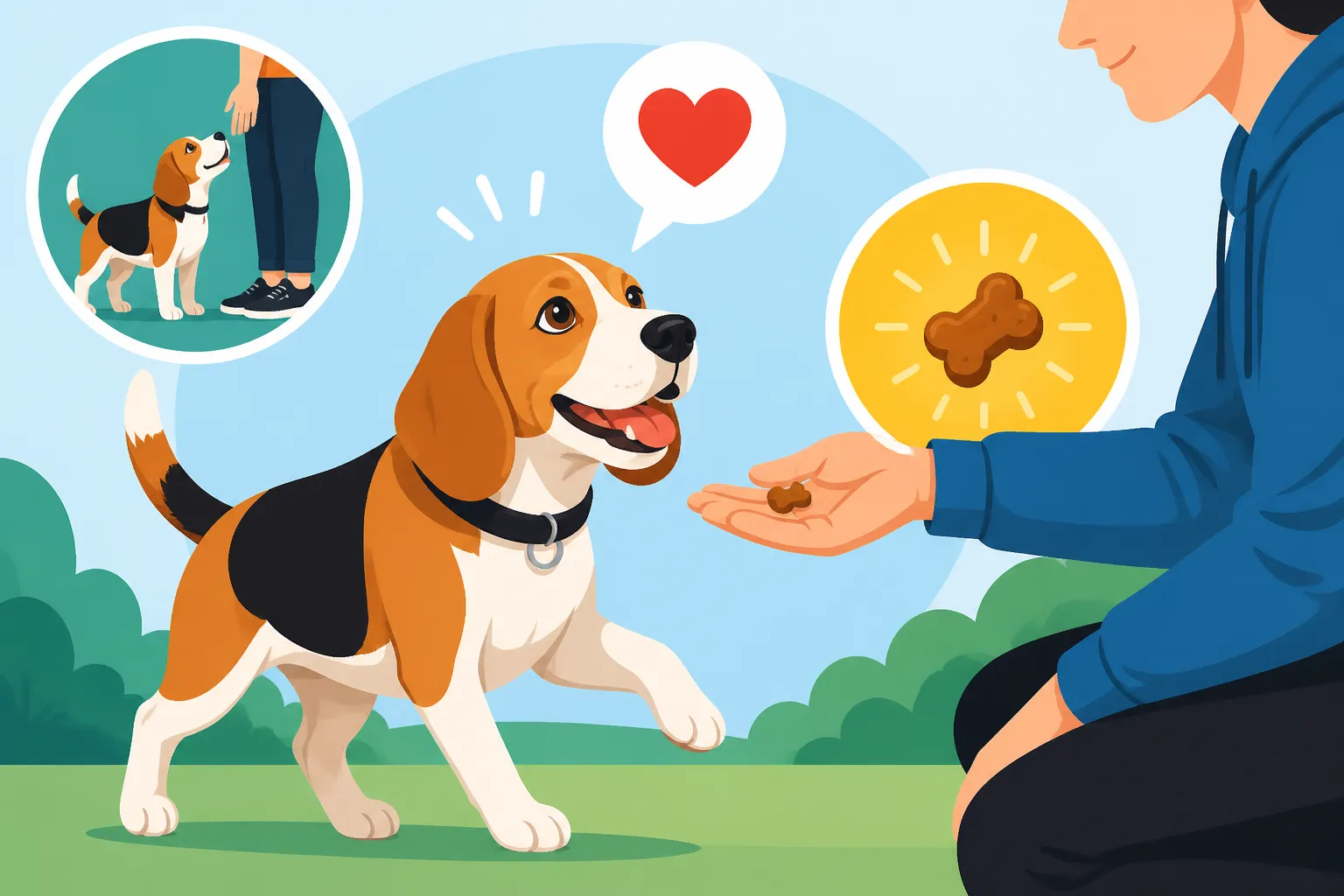
Every time you reward a check-in, you're essentially saying, "Yes! That's it! Good job paying attention to me!" This positive reinforcement builds a powerful association: looking at you equals good things. Over time, this transforms into a dog who wants to check in with you, not just because they expect a treat, but because it feels good to connect. It creates a two-way conversation, even without words.
For a breed often accused of being "stubborn" when their nose takes over, this communication is vital. It’s how you break through the scent-induced trance and remind them that you're the most interesting (and rewarding) thing in their environment. This trust in your consistent positive feedback is what allows you to eventually build Beagle Recall That Works Before the Nose Wins and maintain their attention even when the world is full of tempting smells and sounds.
Laying the Groundwork for a Reliable Check-In
Building a solid check-in behavior starts small, in low-distraction environments, and always with incredibly high-value rewards. Remember, you're competing with a world of smells, so your "prize" for their attention needs to be truly compelling.
Starting in a Quiet Environment
Begin your check-in training indoors, in a quiet room with minimal distractions. The goal here is to teach your Beagle the concept of checking in, without having to fight against the lure of outdoor smells. Have some pea-sized, incredibly delicious treats ready – think bits of cooked chicken, cheese, or hot dogs.
- Get their attention naturally: Just sit quietly and wait. Your Beagle might wander, sniff, or lie down. The moment they glance at you, even for a split second, mark that behavior.
- Mark and Reward: As soon as their eyes meet yours, say a clear, enthusiastic "Yes!" or use a clicker. Immediately follow with a high-value treat delivered right to their nose. This helps them connect their action (looking at you) with your reward. If you're new to using a clicker, many online resources and programs, like those offered by BAXTER & Bella, can guide you through the process effectively.
- Repeat, Repeat, Repeat: Do this many times in short, five-minute sessions throughout the day. Don't demand prolonged eye contact at first; just reward the initial glance. The more repetitions, the stronger the association becomes.
As they start to understand, you can add a verbal cue, like "Look" or "Check In," just as they are about to glance at you. Eventually, you'll say the cue, and they'll offer the behavior. This foundational work is critical before you ever step foot outside.
Utilizing High-Value Rewards
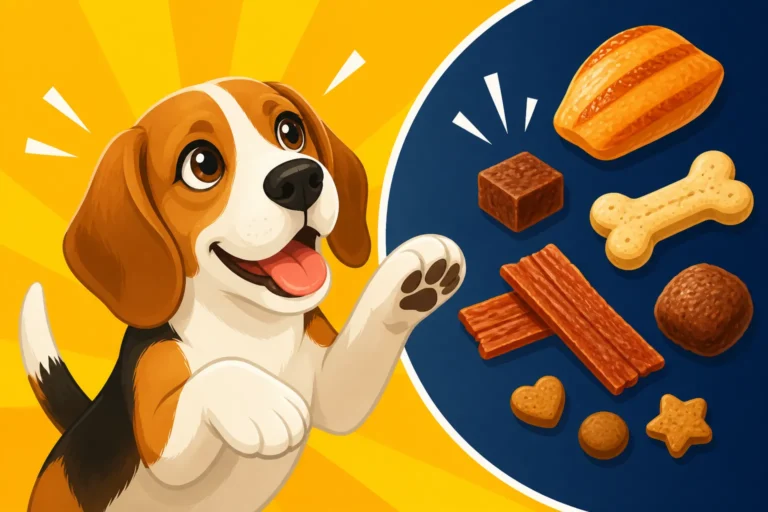
For a Beagle, standard kibble just won't cut it when you're asking them to ignore the call of the wild. You need something they truly drool over. High-Value Food and How Fast a Beagle Learns is a testament to their food drive, which is your biggest asset in training.
| Reward Type | Examples | Ideal Use Case |
|---|---|---|
| Super High-Value | Cooked chicken, cheese, hot dogs, liverwurst | Initial training, high-distraction environments, emergency recall, reinforcing big wins |
| High-Value | Freeze-dried treats, soft chewy treats | General training, building consistency, moderate distractions |
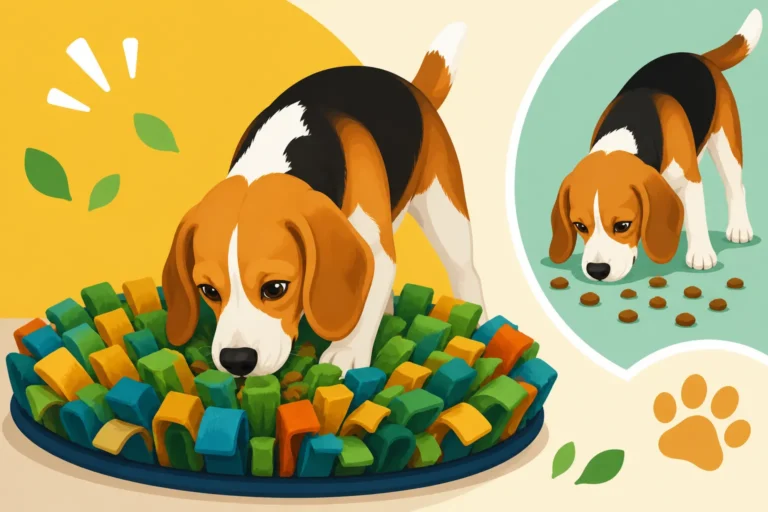
| Medium-Value | Crunchy training treats, favorite kibble | Low-distraction environments, maintaining known behaviors, enrichment puzzles |
| Low-Value/Verbal | "Good boy!", scratches, a quick game | Everyday reinforcement, once behavior is rock-solid and fluent |
Always keep a variety on hand and save your super high-value treats for those moments when you absolutely need their attention, or when they offer an exceptional check-in in a challenging environment. You can find a huge array of different types of treats and training aids on platforms like Amazon, making it easy to experiment and find what your Beagle loves most. Remember to factor these treats into your Beagle's daily calorie intake to prevent unintended weight gain, as Keeping a Beagle Lean While Training With Treats is important for their overall health.
Building Consistency: From Backyard to Busy Park
Once your Beagle understands the concept of checking in indoors, it's time to gradually introduce distractions. This is where many owners get frustrated, but patience and a structured approach are key.
Gradual Introduction of Distractions
Moving from your quiet living room to the bustling world outside can be a shock for a Beagle. Their nose will go into overdrive, and suddenly, you might feel invisible again. The trick is to escalate distractions slowly.
- Backyard Practice: Start in your fenced backyard. There are new smells, but it's a familiar and secure space. Practice your check-ins here, rewarding generously. If they struggle, take a step back and make it easier.
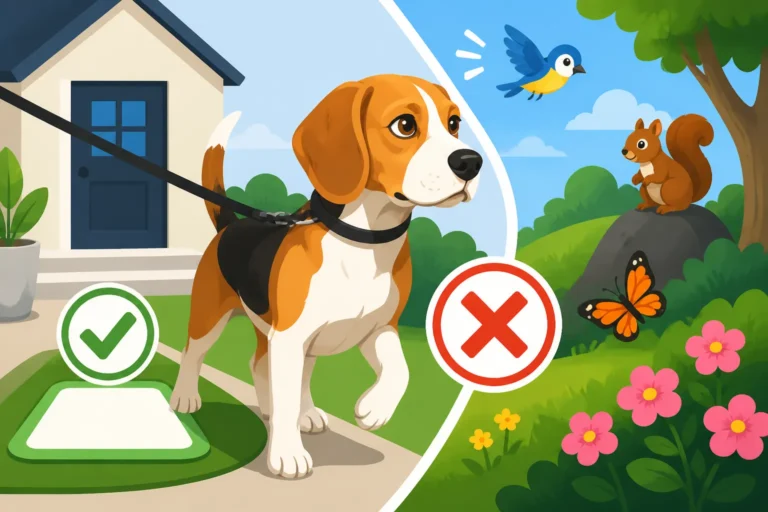
- Quiet Neighborhood Walks: Move to very quiet streets during off-peak hours. Keep your Beagle on a long line for safety. Every few steps, cue a check-in or wait for one, then mark and reward. If a particularly interesting smell comes along and they ignore you, don't nag. Gently redirect their attention, then reward the next successful check-in.
- Increasing Complexity: Gradually move to slightly busier areas, then eventually to places like parks, always using your long line. The goal is to build up their ability to disengage from the environment for a moment to connect with you. This systematic approach ensures they're set up for success, rather than overwhelming them.
Remember, a check-in is a voluntary behavior. You want them to choose to look at you, not feel coerced. The more positive experiences they have, the stronger the behavior will become. Consider how Attention Games to Play Before a Beagle Walk can help prime their focus before you even step outside.
Varying Rewards and Making it Fun
While food rewards are paramount, especially in the early stages, you don't want your Beagle to only check in for a treat. Start to vary your rewards once the behavior is becoming more reliable. Sometimes it's a treat, sometimes it's enthusiastic verbal praise, a quick game of tug, or a favorite toy.
Making check-ins a game can also increase engagement. Try this:
- The "Surprise Treat" Game: While on a walk (on leash!), occasionally stop, call your Beagle's name, and when they look, enthusiastically reward them, even if you weren't actively training. It keeps them guessing and makes you exciting.
- Hide-and-Seek (in a safe, fenced area): Hide briefly behind a tree or bush. When your Beagle notices you're gone and seeks you out, reward them with a big party. This teaches them to keep track of your location. This is also a great exercise for building Impulse Control Exercises That Suit a Beagle.
The key is to keep you the most rewarding and unpredictable element in their environment. A predictable treat dispenser isn't nearly as exciting as a human who might suddenly initiate a fun game or produce an unexpected super-treat.
When the Check-In Falls Apart: Troubleshooting and Support
Even with the best training, there will be days when your Beagle seems to forget everything you've taught them. This is normal, especially for a scent hound. Don't get discouraged!
Dealing with "Selective Hearing"
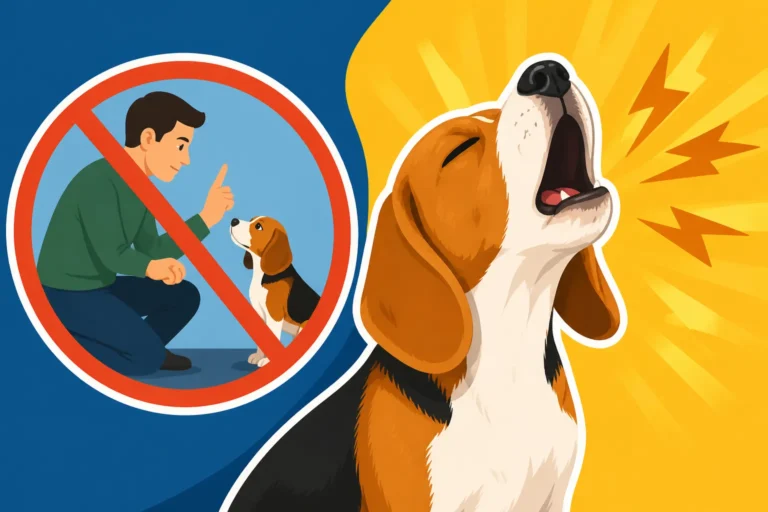
If your Beagle is utterly engrossed in a scent and seems to have "selective hearing," nagging them or repeatedly calling their name will only teach them to tune you out. Instead:
- Re-evaluate the Environment: Are you asking too much of them? If they're failing repeatedly, the environment is too distracting. Move to a quieter area.
- Change Your Reward: Is your treat high-value enough for this level of distraction? If they ignore chicken, maybe try liverwurst. The Treats a Beagle Will Work Hardest For can vary depending on the situation.
- Physical Redirection (on leash): If on a leash or long line, gently change direction. The sudden shift will often break their focus for a second. The moment they look at you in confusion, mark and reward!
- Manage Expectations: Understand that a Beagle will never ignore a fascinating scent trail 100% of the time. The goal is improvement and consistency, not perfection.
If you find yourself constantly battling their nose, remember that Why a Beagle Ignores You Halfway Down a Trail is fundamentally about their powerful instincts. You’re not fighting stubbornness, but biology.
Using Tools and Professional Guidance
Sometimes, managing a Beagle's powerful instincts requires a little help.
- Long Lines: These are invaluable for practicing check-ins and recall in open, unfenced areas. A long line, ranging from 15 to 30 feet, allows your Beagle to explore safely while giving you the ability to gently guide them back to you if they get too engrossed. You can easily find various lengths and materials for long lines on Amazon.
- GPS Collars: For those moments when you're truly concerned about a potential escape, a GPS collar can provide peace of mind. While they don't prevent escape, they can help you locate your Beagle quickly if they do manage to follow a scent too far. GPS Collars as a Backup for Beagle Recall can be a useful tool, but should never replace training.
- Professional Trainers: If you're consistently struggling, don't hesitate to seek help from a certified professional dog trainer who has experience with scent hounds. They can offer personalized advice and help you troubleshoot specific challenges. They can often provide insights into What Nobody Tells You Before Getting a Beagle that only experience can teach. Online platforms like BAXTER & Bella also provide excellent structured courses that cover all aspects of training, from puppyhood through advanced behaviors, including specific modules on recall and engagement, which can be a great resource for Beagle owners.
Rewarding your Beagle every time it checks in is more than just a training technique; it's a way of life that strengthens your bond, enhances communication, and keeps your adventurous companion safe. It requires patience, consistency, and a deep understanding of what makes your Beagle tick (or rather, sniff!). Keep those high-value treats handy, stay positive, and celebrate every glance your way – because each one is a step towards a more connected and harmonious relationship.
Disclaimer
This article is for general informational purposes only and does not constitute professional advice. Laws, prices and regulations vary by location and change over time. Consult a qualified professional for guidance on your specific situation.