Training a Beagle to an Emergency Recall Whistle
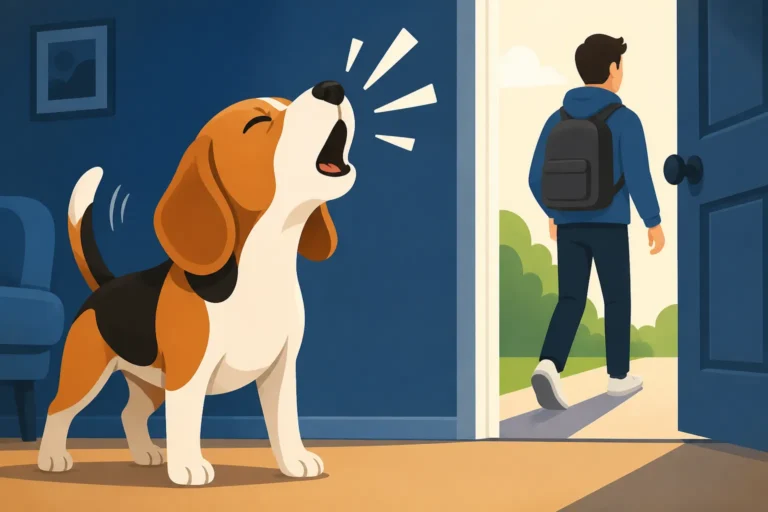
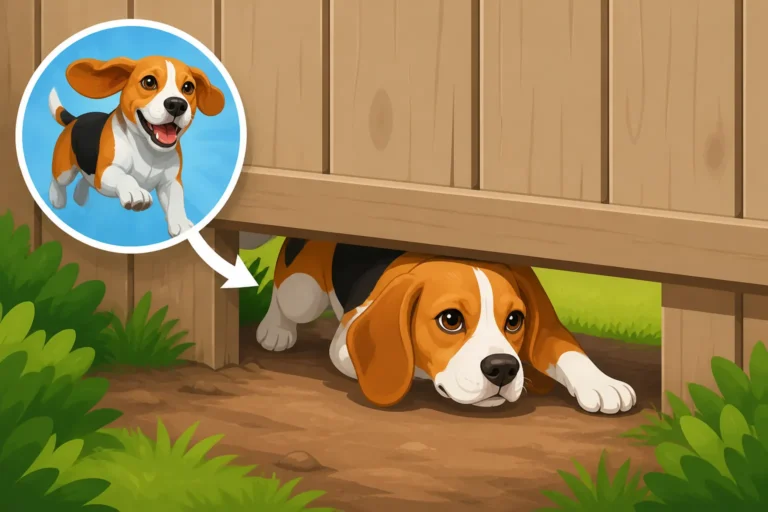
It's a familiar scenario for so many Beagle owners: you're out on a lovely walk, your pup catches a whiff of something incredible, and suddenly, your voice, your pleas, your increasingly desperate shouts simply cease to exist to them. Their nose takes over, and your Beagle transforms into a furry, determined scent-seeking missile. This guide will walk you through training your beloved Beagle to respond to an emergency recall whistle, giving you a reliable tool to cut through that intense scent focus and bring them safely back to your side.
Why a Whistle is Different from Your Voice for a Beagle
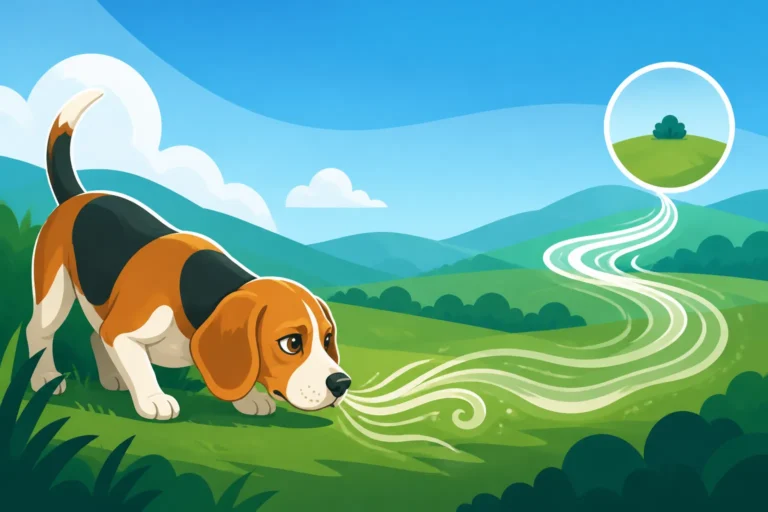
Let's be honest, Beagles are magnificent creatures with an unparalleled sense of smell. It's what they were bred for! But this incredible gift can become a real challenge when it comes to recall. Your voice, no matter how loving or firm, often gets lost in the symphony of smells and internal narratives happening in your Beagle's head. This isn't stubbornness, not really; it's just pure, unadulterated Beagle instinct. That's where a whistle steps in, offering a unique advantage.
The Science Behind a Whistle's Effectiveness
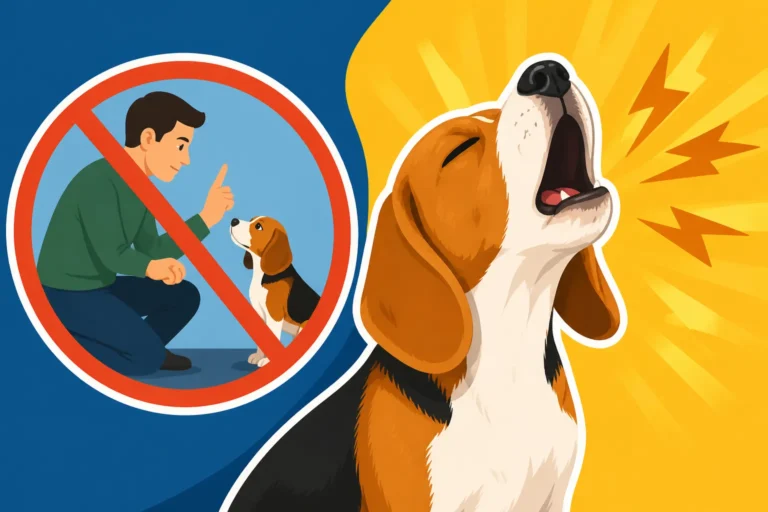
A whistle offers a consistent, distinct sound that cuts through environmental noise and, more importantly, through a Beagle's mental processing of scent. Unlike your voice, which can vary in tone, volume, and emotional inflection, a whistle produces the exact same sound every single time. This consistency is key. Dogs, especially those with such powerful olfactory abilities, are brilliant at pattern recognition. They learn associations with incredible speed. A whistle, because of its unchanging nature, becomes a very clear, unambiguous signal. It's not the excited "come!" when you're playing, or the slightly frustrated "come!" when they're dawdling, or the frantic "COME, NOW!" when they're headed towards something dangerous. It's just the whistle. This precision makes it much easier for your Beagle to form a strong, singular association.
Think about it from your Beagle's perspective. Their world is a rich tapestry of smells, and when they're on a hot trail, every nerve ending is tuned into that scent. Their auditory cortex is working, of course, but your voice is just one thread in that tapestry, easily overwhelmed. A sharp, clear whistle, especially one with a unique frequency, can act like a spotlight, cutting through the background noise and the all-consuming scent information. It's a sound that doesn't blend in; it stands out specifically because it’s always the same.
Overcoming Voice Blindness
Many Beagle owners experience what I call "voice blindness" – that moment when your dog genuinely seems deaf to your commands. This isn't malicious disobedience; it's often a case of Beagle Recall and Why Your Voice Stops Registering. Their brains are simply too occupied by the irresistible pull of a fascinating scent trail. Imagine if you were engrossed in a thrilling book or a complex puzzle, and someone kept asking you mundane questions in the background – you might genuinely not hear them until they raise their voice significantly or use a totally unexpected sound.
A whistle helps overcome this by creating a fresh, untainted command. Your voice, over time, can become diluted if you've had inconsistent recall experiences. If you've called your Beagle 500 times and they've only come back 200 of those times, the value of your voice command diminishes. The whistle, however, starts with a clean slate. It's a "virgin" cue, if you will. Because it's reserved only for emergency, high-value recalls, its meaning remains potent and unambiguous. This allows you to bypass the learned habit of tuning out your voice when something more interesting (like a rabbit trail!) presents itself. It gives your Beagle a clear, urgent signal that demands attention, without the baggage of past ignored commands.
Getting Started: Choosing Your Whistle and Training Environment
Before you even think about blowing that whistle, a little preparation goes a long way. This isn't just about picking any whistle; it's about choosing the right tool for the job and setting your Beagle up for success in the initial training stages. A calm, controlled environment is paramount when introducing a new, critical cue.
Picking the Right Whistle
There are many types of dog whistles out there, from silent (ultrasonic) whistles to traditional pea whistles. For emergency recall, I strongly recommend a traditional, high-frequency whistle that you can hear. Why? Because you need to be sure the sound is actually being produced and that your dog is reacting to that specific sound. Ultrasonic whistles can be tricky; you can't verify if they're working correctly, and the sound can be highly directional.
Look for a whistle that produces a consistent, clear tone with minimal effort. Some popular options are those designed for dog training, often found on platforms like Amazon or through specialty pet retailers. They're usually made of durable plastic or metal, and many come with lanyards so you can wear them around your neck. The goal is a whistle that reliably makes the same sound every time, no matter how stressed or rushed you might be in a real emergency. The brand isn't as critical as the consistency of the sound. Just pick one and stick with it. Avoid pea whistles that can sometimes get clogged with moisture or dirt, leading to inconsistent sounds. A good, solid brass or plastic whistle specifically marketed for dog training is usually your best bet.
Setting Up a Low-Distraction Zone
The absolute golden rule of introducing a new, vital command like emergency recall is to start in an environment where your Beagle literally cannot fail. This means a place with zero distractions. Your living room, a quiet hallway, or a securely fenced backyard free of squirrels, birds, and interesting smells are ideal.
The key here is control. You want to be able to completely manage your Beagle's attention. If you start this training at the local dog park, you're setting yourself up for failure, and that undermines the power of the whistle before you've even begun. A low-distraction zone ensures that the only thing your Beagle is associating with the whistle is what you are pairing it with – which, in this case, will be the most delicious, high-value treats they can imagine.
Consider a space where your Beagle feels comfortable and safe. If your Beagle is used to being crated, perhaps even practice a few repetitions near their open crate, as it's a familiar, safe space. The less competing information there is for their incredible nose or curious eyes, the quicker and stronger the association will form. Once they've mastered it in this "sterile" environment, then – and only then – will you gradually introduce more challenging scenarios. This foundational step is non-negotiable for building truly reliable recall.
Step-by-Step Whistle Recall Training
Now for the fun part: actively teaching your Beagle what that whistle means! This isn't about harsh corrections or endless repetitions; it's about positive reinforcement, clear associations, and making the whistle the absolute best thing that can happen in your Beagle's world.
The Association Phase: Whistle = Treat
This is the most crucial stage. You're building a rock-solid, positive association: whistle equals instant, amazing reward.
- Gather Your Supplies: You'll need your chosen whistle and the absolute highest-value treats your Beagle can imagine. Forget their regular kibble. We're talking cooked chicken, cheese, hot dogs, freeze-dried liver – whatever sends your Beagle into a frenzy. Cut them into tiny, pea-sized pieces so you can give many without overfeeding. You might also want a treat pouch for easy access, like those offered by BAXTER & Bella for their training programs, making sure treats are always at your fingertips.
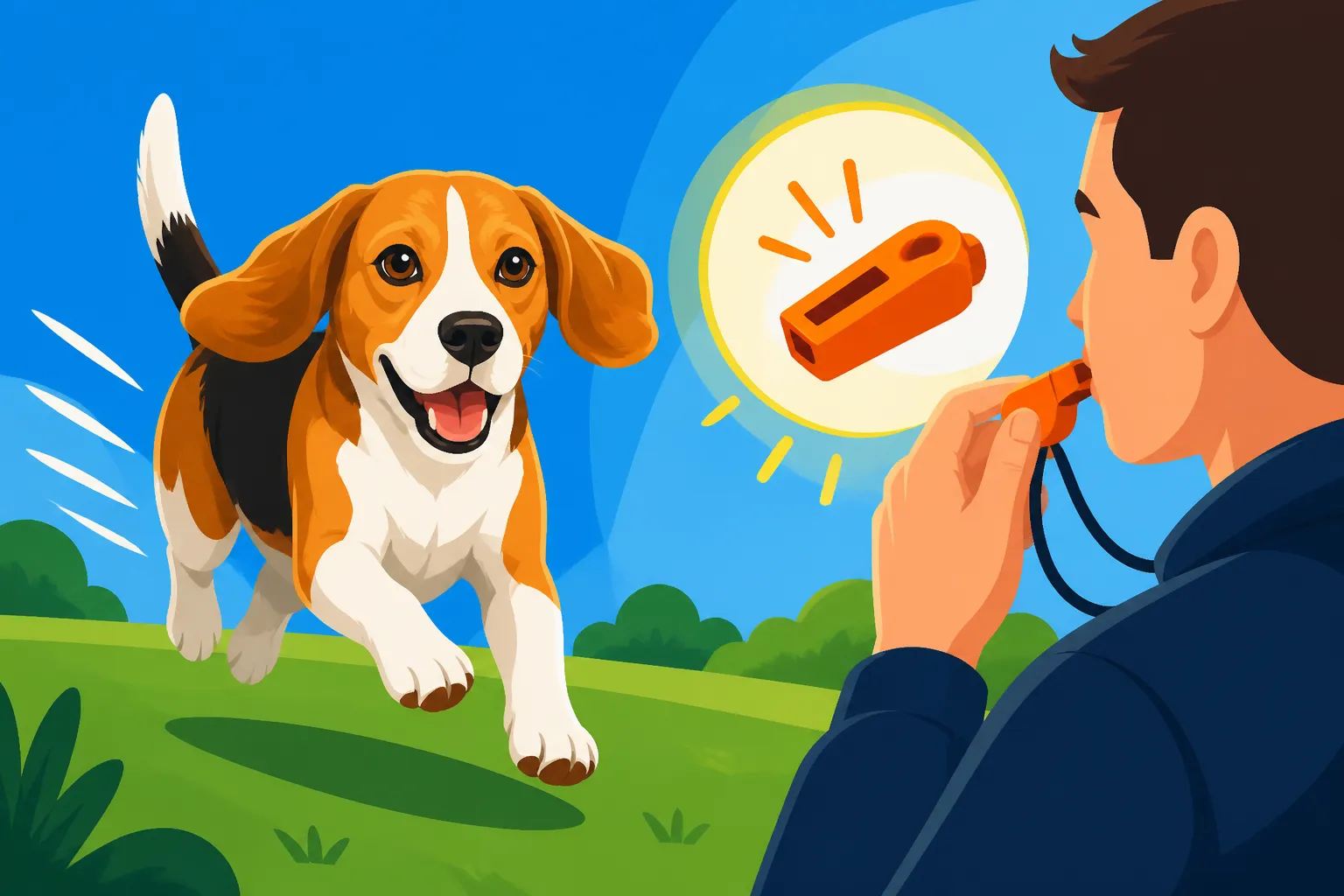
- The "Whistle-Treat" Game: In your low-distraction environment, get your Beagle's attention, but don't call them. Simply blow the whistle once (a short, sharp burst). The instant you blow it, immediately pop a high-value treat into their mouth. Don't wait for them to do anything; just blow, then treat.
- Repeat, Repeat, Repeat: Do this about 10-15 times in a session. Take a break, play a game, and then do another session later. Aim for 3-5 sessions a day for the first few days. The goal is for your Beagle to hear the whistle and immediately look at you, or even start drooling, anticipating the treat. They should think, "Oh! That sound means deliciousness is coming!" You are programming their brain to respond reflexively.
- No Demands, Just Associations: At this stage, you're not asking them to come to you. You're just creating the association. If they happen to turn and look at you, great! But the primary focus is linking the sound directly to the reward. Consistency is paramount. Every whistle blow must be followed by a jackpot treat. This simple, clear equation is what makes the emergency whistle so powerful.
Adding Distance and Distraction
Once your Beagle reliably looks at you or lights up the moment they hear the whistle in a low-distraction environment, it's time to slowly increase the challenge. This is where you start to integrate movement and mild distractions.
- Short Distance Recalls: Still in your low-distraction area (like a quiet, securely fenced yard), let your Beagle wander a few feet away. When they're not actively engaged in something fascinating, blow the whistle. The instant they turn their head or start moving towards you, offer praise ("Good boy/girl!") and then give that jackpot treat when they reach you. Make coming to you a party!
- Gradual Increase in Distance: Slowly increase the distance. Maybe your Beagle is sniffing a plant on the other side of the yard. Blow the whistle. Reward heavily when they come. If they don't respond, go back to a closer distance where they do succeed. Remember, we want success.
- Introducing Mild Distractions: This is where you introduce very minor distractions. Perhaps another family member walks quietly across the yard, or a very familiar, boring toy is left nearby. If your Beagle is on a long line (essential for safety and control, especially when building recall – consider The Long Line Length a Beagle Actually Needs), let them sniff a non-super-exciting spot, then blow the whistle. The moment they disengage and come, reward heavily.
- The High-Value Principle: Always, always use the highest-value treats for whistle recall. Your voice might work for kibble, but the whistle should signify something truly exceptional. This ensures that even when a fascinating scent trail calls, the whistle promises something even better. High-Value Food and How Fast a Beagle Learns is critical here; the reward must justify the interruption of their deep-seated instincts.
Practice, Practice, Practice
Like any skill, whistle recall needs consistent practice to become reliable. But "practice" for a Beagle doesn't mean boring drills. It means making it fun, unpredictable, and always rewarding.
- Keep Sessions Short and Sweet: Beagles thrive on short, engaging training sessions. Five to ten minutes, several times a day, is far more effective than one long, tedious session. End on a high note, always with success.
- Vary Locations (Safely!): Once your Beagle is acing it in the backyard, slowly introduce new, but still secure, environments. This might be a friend's securely fenced yard, or a quiet, contained park area (with your Beagle on a long line, of course). Never practice off-leash in an unfenced area until you are absolutely, 100% certain of their recall, and even then, I advocate that Why a Beagle Should Never Be Off Leash Unfenced. The goal is generalization – for them to understand the whistle means "come" no matter where they are.
- The Element of Surprise: Don't always call them when they're looking at you. Call them when they're sniffing, when they're looking away, when they're engrossed in something harmless. This teaches them that the whistle can happen at any time and they need to respond.
- Never Use the Whistle for Punishment: This is a cardinal rule. The whistle must always be associated with positive things. If you use it to call them for something they don't like (e.g., leaving the park before they're ready, going to the vet), you will poison the cue. It needs to remain pure – "whistle = amazing things happen."
- Maintain Treat Value: Don't let the treat quality drop. Your emergency whistle recall relies on your Beagle's perception that coming to you is the best possible choice. Consider rotating your high-value treats to keep them novel and exciting. Keeping a Beagle Lean While Training With Treats is important here; use tiny pieces or adjust their meal portions accordingly.
When and How to Use Your Emergency Whistle
The distinction between everyday recall and emergency recall is vital. The whistle should be reserved for those critical moments, not for every casual call. Overuse can diminish its power, making it less effective when you truly need it.
Differentiating Emergency from Everyday Recall
Your emergency whistle is not your everyday "come here." It's your "drop everything and get to me now" signal. You still want to work on a reliable verbal recall for daily interactions – calling them in from the yard, getting their attention on a walk, or moving them from one room to another. Use your voice for those situations, and reserve the whistle for higher stakes.
Here's how to think about it:
- Verbal Recall: Used for routine situations. Maybe your Beagle is sniffing an interesting bush on a walk, and you want them to continue moving. You call their name, say "come," and reward with a regular treat or praise when they comply. It’s part of your daily communication.
- Whistle Recall: Used for genuine emergencies. Your Beagle bolts out the gate. They spot a rabbit across a busy road. They're about to eat something dangerous they found on the ground. This is when the whistle comes out. It means "immediate, unquestioning return for the ultimate reward." The power of the whistle comes from its infrequency and the consistently massive reward associated with it. If you use it every time your dog ignores your verbal "come," it will lose its magic.
Having a solid verbal recall as well is incredibly beneficial. You can work on The Recall Word You Should Never Repeat to a Beagle to keep your verbal cues effective without polluting your emergency whistle. By establishing these two distinct types of recall, you maintain the potency of both.
Avoiding Whistle Burnout
Whistle burnout occurs when the whistle loses its "emergency" status because it's been used too often or for non-emergency situations. Each time you blow the whistle, you are spending a bit of its stored value. You want to make sure that value is always topped up and reserved for truly critical moments.
Here are some tips to avoid burnout:
- Only Use It When Absolutely Necessary: This is the golden rule. If your dog is in a perfectly safe, fenced area and just being a typical Beagle, let them Beagle. Don't blow the whistle just to test it or because you're impatient.
- Always Deliver the Jackpot: Every single time you use the whistle for an emergency, make sure your Beagle receives an immediate, incredible, high-value reward upon reaching you. This reinforces the "best thing ever" association. If they come and get a boring piece of kibble, the motivation for next time diminishes.
- Periodically Refresh the Association: Even if you haven't had an emergency, it's wise to "refresh" the whistle's value every few weeks or months in a controlled environment. Go back to your low-distraction zone, blow the whistle, and immediately give that mega-jackpot treat. Just a few repetitions like this can keep the association strong without overusing it in real-world scenarios.
- Consider GPS Collars as a Backup for Beagle Recall: While a whistle is an incredible tool, sometimes, despite your best efforts, a Beagle's nose will win the day, especially when they're following Why a Beagle Will Follow a Scent for Miles. A GPS collar can provide an additional layer of security and peace of mind, allowing you to track your dog if the whistle doesn't work or if they get out of range. It’s a tool for when all else fails, giving you more confidence to let your Beagle enjoy appropriate, safe sniffing opportunities.
By understanding the unique psychological impact of a whistle and using it strategically, you equip yourself with a powerful safeguard. It provides a means to cut through the sensory overload that can grip a Beagle and bring them back to safety, allowing both of you to enjoy walks with a little more confidence and a lot less anxiety.
Disclaimer
This article is for general informational purposes only and does not constitute professional advice. Laws, prices and regulations vary by location and change over time. Consult a qualified professional for guidance on your specific situation.