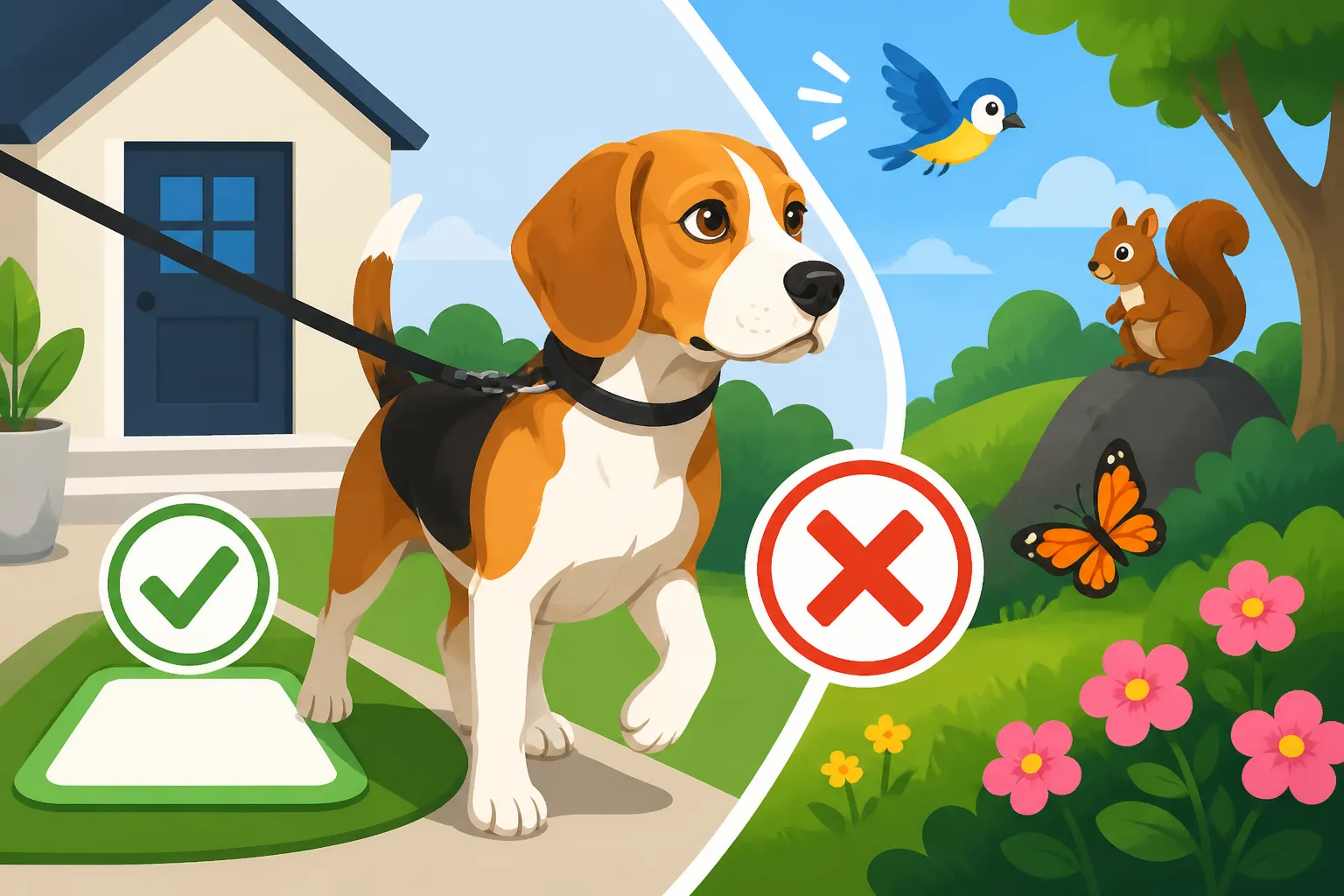
House Training a Beagle Against Outdoor Distraction
Ah, the joys of house training a Beagle! It's a rite of passage for every Beagle parent, and one of the biggest frustrations is often seeing your sweet pup get outside, sniff around like they're on a world-class investigative mission, and then come back inside only to promptly have an accident. This guide is all about tackling that specific challenge: how to effectively house train your Beagle when the entire outdoor world seems to be calling to their incredible nose, distracting them from the very important business at hand.
Understanding the Beagle's Potty Training Challenges
Let's be honest, Beagles are born with a superpower: their nose. It's what makes them so utterly endearing and, at times, incredibly challenging. When it comes to house training, this superpower can feel more like a super-frustration. You open the door, expecting them to do their business, and instead, they embark on a grand olfactory adventure, completely forgetting why they're out there in the first place.
The Overpowering Nose and Outdoor Stimuli
Imagine having 220 million scent receptors, constantly bombarded by an orchestra of smells. That's your Beagle's reality every time they step outside. To them, the front yard isn't just grass; it's a dynamic, ever-changing scent map detailing every squirrel that ran through, every dog that walked by, and every leaf that fell. It's a truly captivating world, far more interesting than simply relieving themselves.
This overwhelming sensory input is precisely why your Beagle might wander off, nose to the ground, pulling you in every direction, completely absorbed in the latest "scent-novel" unfolding before them. You're standing there, freezing, urging them to "go potty," while they're mentally dissecting the intricate history of a discarded chewing gum wrapper. It's not stubbornness, not really. It's pure, unadulterated Beagle instinct in action. It feels like they're deliberately ignoring you, but in their world, the smells are just that much more compelling than your voice. For more on their incredible sense of smell, check out The 220 Million Receptors Behind a Beagle's Nose.
Distraction Versus Potty Urgency
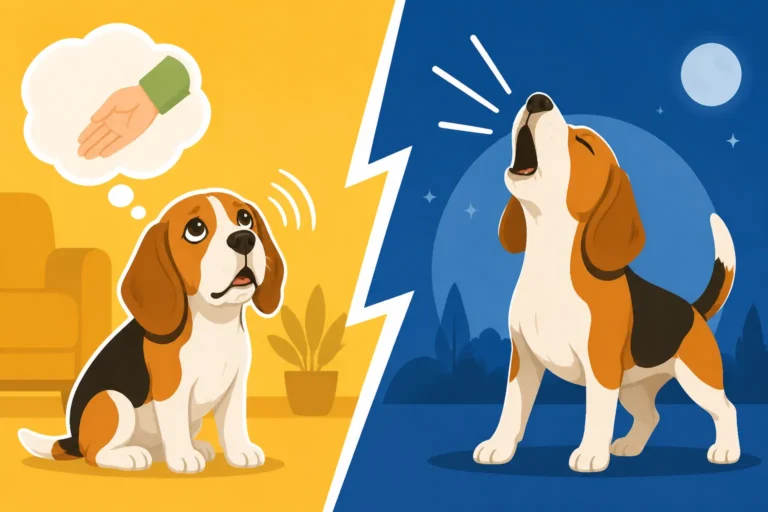
Another common scenario that drives Beagle owners a little crazy: you bring your Beagle outside, they sniff around for what feels like an eternity, do nothing, and then the moment you walk back through the door, splat. Or maybe they do pee a tiny bit, enough to make you think they're done, only to mark or empty their bladder fully inside five minutes later. This often happens because the distractions outside are so potent that they override the physical urge to eliminate.
A Beagle might hold their bladder or bowels for an extra minute or two just to investigate that particularly intriguing patch of grass, or to see if the neighbor's cat scent is fresh enough for a chase. By the time they've thoroughly explored, the immediate urgency might have passed, or they've simply forgotten their primary mission. Then, back in the relatively "boring" confines of the house, with no exciting squirrel trails or fascinating lamppost graffiti to dissect, the urge returns, and they finally let loose. It's a battle between instinct and training, and sometimes, instinct wins.
Breed Tendencies and Learning Styles
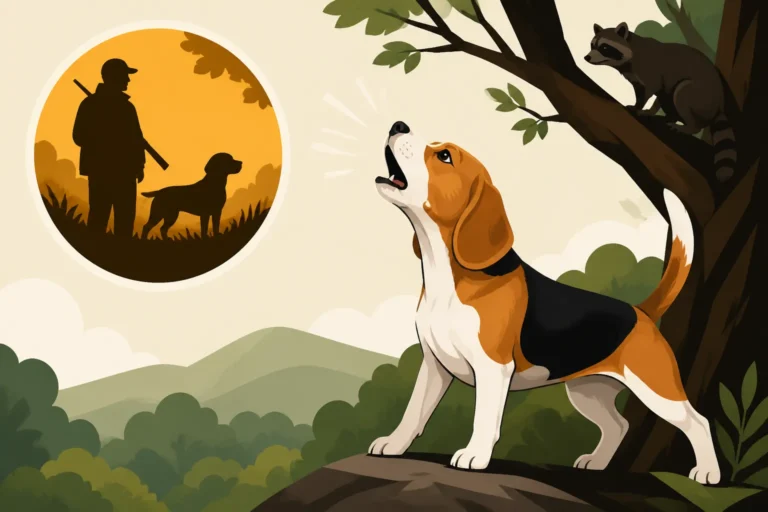
Beagles are intelligent, there's no doubt about it. They can learn commands and tricks, especially if high-value food is involved. However, they also possess a strong independent streak, a legacy of being bred to follow a scent trail for miles without human direction. This independence means that when their nose kicks in, your voice might fade into the background. They're not being disobedient; they're simply following their instincts.
Their learning style often involves repetition and positive reinforcement, particularly with rewards they genuinely value. Punishment for accidents, especially if it happens moments after the fact, is largely ineffective and can actually be counterproductive, making them afraid to eliminate in front of you. This can lead to them hiding their accidents or becoming even more hesitant to go outside when you're watching. Understanding these inherent breed traits helps us approach house training with more patience and more effective strategies. It's about working with their nature, not against it.
Building a Foundation: Indoor Potty Training Success
Before you can effectively combat outdoor distractions, you need a solid foundation for house training indoors. This means establishing routines, recognizing signals, and making sure your Beagle understands that the house is not a bathroom. Without this groundwork, you're constantly fighting an uphill battle, regardless of how many interesting scents are outside.
Crate Training for Consistency
A well-implemented crate training program is arguably the most powerful tool for house training a Beagle. Beagles, like most dogs, have a natural instinct not to soil their sleeping area. By providing a properly sized crate – one just big enough for them to stand up, turn around, and lie down comfortably, but not so big that they can use one end as a bathroom – you leverage this instinct.
Start by making the crate a positive, safe den. Feed meals inside, offer special chews only in the crate, and never use it for punishment. Establish a clear routine: wake up, immediately out to the potty spot; after eating, out to the potty spot; after playing, out to the potty spot; before bed, out to the potty spot. The crate becomes a reliable "hold" mechanism, teaching your Beagle to control their bladder and bowels. For details on choosing the right size and handling initial crying, refer to Beagle Crate Size and Crying Through the Night. Remember, the goal is to make the crate their happy place, not a prison.
Setting a Strict Schedule
Consistency is king when house training a Beagle, especially when they're young. Puppies, in particular, have small bladders and need to go out very frequently. A strict schedule helps you anticipate their needs and reduces the likelihood of accidents. Think about their natural rhythms: they'll need to go after waking up, after eating, after drinking, after playing, and before going to bed.
For a puppy, this might mean potty breaks every 1-2 hours initially, gradually extending as they get older and gain more bladder control. Even adult Beagles benefit from a consistent schedule, as it helps regulate their system. Always take them to the same designated potty area and use a consistent verbal cue like "Go potty!" or "Do your business!" every single time. This strong association between the cue, the location, and the act of elimination is crucial. As a general guide, How Many Weeks Beagle Potty Training Usually Takes provides helpful insights into the typical timeline.
Recognizing Potty Signals
Learning your individual Beagle's "I need to go" signals is a game-changer. While every dog is different, common signs include:
- Sudden sniffing: Especially around a specific area of the house where they've had accidents before, or near the door.
- Circling: Walking in a tight circle, often accompanied by sniffing.
- Restlessness: Pacing, whining, or generally looking uncomfortable.
- Going to the door: This is the ideal signal, but it often needs to be taught. Many Beagles will subtly head towards the door or stand there for a moment.
- Staring at you: Some Beagles will try to make eye contact, looking back and forth between you and the door.
The key is to act immediately. The second you see a signal, calmly but quickly get your Beagle outside to their designated potty spot. Don't scold them or get angry; just facilitate the correct behavior. The more you connect their signal with you taking them out, the faster they'll learn to communicate their needs. If they have an accident inside, interrupt them with a quick clap or "Ah-ah!" and immediately rush them outside. Even if they don't finish outside, the interruption and relocation help build the association.
Conquering Outdoor Distractions
Now, for the core challenge: how do we get a Beagle to focus on pottying when the great outdoors is a symphony of irresistible smells and potential adventures? The trick is to make potty time boring and efficient, reserving the fun and sniffing for after the business is done.
The Designated Potty Spot Strategy
One of the most effective ways to combat outdoor distraction is to establish a very specific, designated potty spot. This isn't just "the backyard"; it's a small, boring patch of grass or dirt that your Beagle only uses for elimination. Avoid letting them roam the entire yard during these dedicated potty breaks.
Here’s how it works: on a leash, take your Beagle directly to this spot. Stand still. Don't talk to them, don't play, don't allow them to sniff around excitedly. The goal is to make this area and this time strictly for business. When they get outside, their mind is already racing with all the smells. By limiting their movement and stimulus, you help them focus on the task. Once they eliminate, then you can say "Good dog!" and immediately reward them with a super high-value treat. After they've gone, you can then release them to a larger area of the yard for some supervised sniffing and playtime, but only after the potty.
Leash-Led Potty Breaks and Minimal Interaction
Even if you have a securely fenced yard, during the initial house training phase and especially when tackling outdoor distractions, always take your Beagle out on a leash for potty breaks. This might seem counterintuitive, but it's vital. The leash allows you to guide them directly to the designated spot and keep them focused. Without it, they're more likely to wander off on a scent trail, forgetting their mission.
When you're out there, be a "boring tree." Stand still, hold the leash, and offer your consistent verbal cue ("Go potty!"). Avoid making eye contact, talking in a high-pitched voice, or playing games. Any engagement from you is a distraction. The moment they finish, however, the party starts! Unleash the praise, offer that amazing treat, and then you can engage in a short play session or a supervised sniff-a-thon around the rest of the yard. This teaches them: "Potty first, fun later." If they start getting distracted and sniffing excessively without going, gently guide them back to the center of the potty spot and wait. Be patient.
High-Value Rewards for Outdoor Success
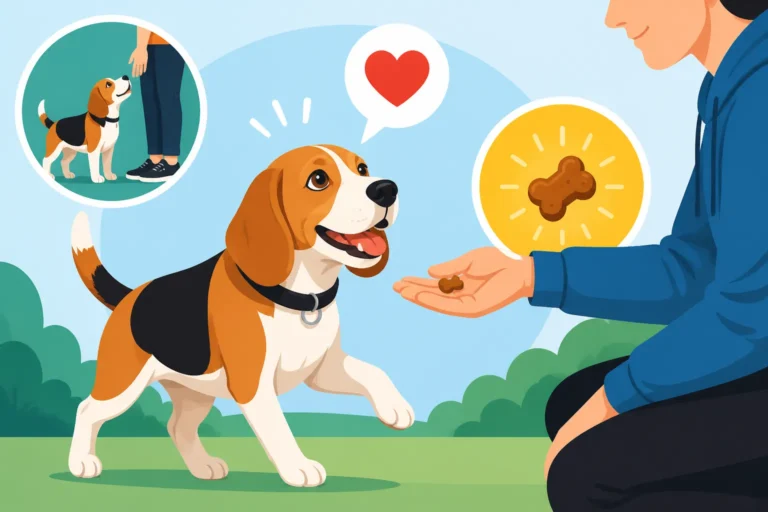
Beagles are incredibly food-motivated. This is both a blessing and a curse. It means they're highly trainable with the right incentives, but also that they'll try to eat anything they find on the ground! We can use this to our advantage in house training. The reward for successfully pottying outside needs to be exceptionally high-value. This isn't just a regular kibble treat; it's the good stuff. Think tiny pieces of cooked chicken, cheese, hot dogs, or whatever your Beagle absolutely goes bonkers for. For more on what treats work best, see High-Value Food and How Fast a Beagle Learns.
The timing of the reward is critical. It must be delivered within 1-3 seconds of them finishing their business. If you wait until you get back inside, they won't connect the reward with the act of going potty outside. So, have those treats ready in your pocket, praise them enthusiastically the second they're done, and give them that delicious reward right there in the potty spot. This powerful positive association strengthens the idea that going potty outside is the most rewarding thing they can do.
Troubleshooting and Advanced Strategies
Even with the best intentions and consistent effort, house training a Beagle against outdoor distractions can have its moments. Don't get discouraged if you hit a few bumps in the road. It's a journey, not a sprint, and there are always ways to refine your approach.
The "Potty First, Play Later" Rule
This isn't just a suggestion; it's a golden rule for Beagles. Their instincts are so strong that if given the option, they will always choose sniffing and exploring over eliminating. By strictly adhering to "potty first, play later," you teach them a clear sequence of events.
When you take your Beagle out, their primary job is to empty their bladder and bowels in the designated spot. Only after they have successfully completed this task should they be allowed to engage in any other fun outdoor activities, such as exploring the yard, playing fetch, or going for a Sniffing Walks and Why They Tire a Beagle Out. If they spend five minutes sniffing, pee a tiny drop, and then immediately want to play, firmly but gently lead them back to the potty spot. If they still don't go, it's back inside to the crate for 10-15 minutes, then repeat the process. This cycle reinforces that access to outdoor fun is contingent upon successful elimination. It might feel tedious at first, but the payoff of a reliably house-trained Beagle is immense.
Dealing with Regression and Accidents
Regression can be incredibly frustrating. You think you've finally got it, and then suddenly, your Beagle is having accidents inside again. First, rule out medical issues. A sudden change in house training behavior could signal a urinary tract infection, worms, or other health problems. A quick vet check can offer peace of mind or identify a treatable cause.
If it's behavioral, don't panic. Revert to basics:
- Increase frequency of potty breaks: Go out more often than you think they need to.
- Supervise religiously: Leash them to you with a house line, or keep them in the same room. Use gates to restrict access to unsupervised areas.
- Clean thoroughly: Use an enzymatic cleaner (like Nature's Miracle or Rocco & Roxie, widely available on Amazon) to completely neutralize the odor from any accidents. If they can still smell their previous mistake, they're more likely to return to that spot.
- No punishment: Scolding or punishing a Beagle for an accident after the fact is not only ineffective but can make them fearful, leading them to hide accidents or avoid going in front of you. Simply clean it up and resolve to be more vigilant. For serious concerns, especially if an accident seems unusual or related to a physical issue, always consider Beagle Emergency Signs That Cannot Wait Until Morning.
Building Focus in Distracting Environments
Once your Beagle is reliably pottying in their designated, boring spot, you can gradually introduce more distractions after they've done their business. For example, after they potty, let them off the leash (if safe and fenced) or use a long line to explore the rest of the yard or a nearby park. This teaches them that the world does open up for fun, but only after they've taken care of business.
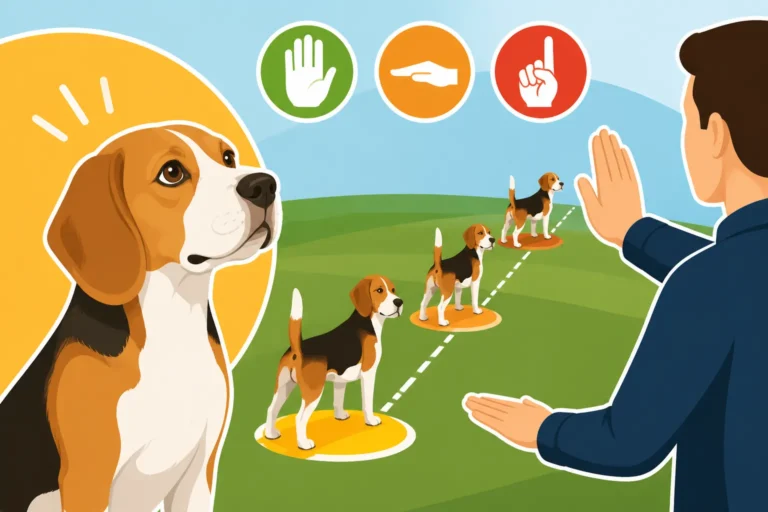
You can also use general obedience training to help them focus better in distracting environments. Commands like "watch me" or "leave it" practiced in various settings can improve their ability to ignore distractions when you need their attention most. Consider enrolling in local dog training classes or exploring online programs. Many platforms, like BAXTER & Bella, offer comprehensive online puppy and dog training programs that include segments on house training and building focus around distractions, providing a structured approach you can follow from home. The more you work on general focus, the better they'll be at tuning into your cues, even when a captivating scent trail calls.
Essential Tools and Aids for House Training
Having the right equipment can make a world of difference in your house training journey. It's not just about what you do, but what tools you have to support your efforts.
Crates, Gates, and Containment
Beyond just the crate for sleeping, consider other containment tools:
- Exercise Pens (Ex-pens): These provide a safe, contained space when you can't actively supervise your Beagle, but don't want them confined to their sleeping crate. You can set them up with a water bowl, a few toys, and a potty pad if needed (though avoiding pads generally speeds up outdoor training). They are great for keeping a puppy safe in the kitchen while you cook, for instance. You can find a wide variety of these on Amazon.
- Baby Gates: Essential for blocking off areas of your home where you don't want your Beagle to roam unsupervised. This helps prevent accidents in carpeted rooms or areas where you might not notice their signals. Using gates effectively creates smaller, manageable "zones" in your home.
- House Line: A lightweight leash (4-6 feet) that your Beagle drags around the house while you're actively supervising. This allows you to quickly and gently guide them away from an impending accident or towards the door without having to physically grab them. It's not for tethering them, but for gentle guidance.
Cleaning Supplies and Odor Eliminators
Accidents will happen, especially early on. How you clean them is paramount to preventing repeat offenses in the same spot.
- Enzymatic Cleaners: These are non-negotiable. Standard household cleaners might remove the visible stain and smell to you, but they don't break down the enzymes in pet urine that dogs are still able to detect. If a Beagle smells old urine, it signals to them that this is an acceptable bathroom spot. Products specifically designed for pet urine, often found under brands like Nature's Miracle or Simple Solution, contain enzymes that neutralize these odors completely.
- Paper Towels and Absorbent Pads: For immediate cleanup, having plenty on hand is key. Blot, don't rub, to absorb as much liquid as possible before applying the enzymatic cleaner.
- Blacklight (Optional but helpful): A UV blacklight can reveal hidden urine stains on carpets or upholstery that you might have missed, ensuring you clean all affected areas thoroughly.
Weather Considerations
Beagles are not always thrilled with inclement weather. Rain, snow, or extreme cold can make them reluctant to go outside and do their business, leading to more indoor accidents.
- Rain Gear: For Beagles who despise getting wet, a lightweight dog raincoat can make a huge difference. It keeps them drier and more comfortable, encouraging them to stay out long enough to eliminate.
- Warmth in Winter: In very cold climates, a dog coat or sweater can help keep them warm during chilly potty breaks. Short-coated breeds like Beagles can get cold quickly.
- Sheltered Potty Area: If possible, consider creating a small, covered area in your yard where your Beagle can go in the rain or snow without getting completely drenched. This could be a section under an overhang or a small pop-up canopy.
- Motivation: On bad weather days, the high-value treats become even more important. Make going out in the rain or snow extra rewarding to counteract their discomfort. Don't let them trick you into thinking they don't need to go just because it's raining – they still do!
By employing these tools and strategies consistently, you'll be well on your way to a reliably house-trained Beagle, even with all the fascinating smells the world has to offer.
Here’s a quick overview of common house training challenges and their Beagle-specific solutions:
| Challenge | Beagle Behavior/Reason | Effective Solution |
|---|---|---|
| Accidents indoors after being outside | Overwhelmed by outdoor scents, forgets to potty; holds it in. | Designated Potty Spot: Leash walk directly to a small, boring spot. "Potty first, play later." |
| Takes forever to potty outside | Sniffing every single detail, losing focus. | "Boring Tree" Method: Stand still, no interaction, consistent cue. Reward immediately upon success. |
| Doesn't signal, just goes | Hasn't learned to associate urgency with communicating to you. | Strict Schedule: Frequent, consistent outings. Supervise indoors with a tether or gates. Learn early signals. |
| Puppy cries in crate at night | Needs to potty, feels lonely (pack animal). | Appropriate Crate Size: Ensure it's not too big. Follow pre-bed potty routine. Address separation anxiety if present. Beagle Puppy Sleep and Waking at Three |
| Eating things found on walks | Strong food drive, excellent scavenger instincts. | "Leave It" Training: Practice indoors, then outdoors with distractions. Use puzzle toys for mental stimulation. Beagle Counter Surfing and Trash Raiding |
| Sudden regression in training | Medical issue (UTI, worms) or inconsistent routine. | Vet Check First: Rule out health problems. Revisit basic schedule, supervision, and crate training. |
| Chewing inappropriate items | Teething (puppy), boredom, anxiety. | Provide Chew Toys: Offer plenty of appropriate chew toys. Redirect to toys when chewing wrong items. Beagle Puppy Teething and Hard Mouthing |
Disclaimer
This article is for general informational purposes only and does not constitute professional advice. Laws, prices and regulations vary by location and change over time. Consult a qualified professional for guidance on your specific situation.