Why Beagle Stubbornness Is Really Absorption
It’s a frustration many Beagle owners know all too well: you call your beloved hound, maybe a dozen times, and they act like you don't even exist. It's easy to throw your hands up and label them "stubborn," believing they're intentionally defying you. But what if that perceived stubbornness isn't defiance at all, but rather an incredibly deep, almost trance-like absorption in the fascinating world of scent? This guide is here to unravel that mystery, helping you understand your Beagle's unique brain and how to work with their powerful instincts, not against them.
The True Nature of Beagle "Stubbornness"
When your Beagle seems to ignore your pleas, it's rarely because they're being deliberately disobedient or trying to assert dominance. Instead, their actions are almost always rooted in their incredibly powerful sense of smell and their breed's ancient purpose. They aren't trying to be difficult; they are simply being Beagles, fully immersed in their most natural and compelling drive.
Misinterpreting Scent Focus as Disobedience
Imagine for a moment that you're an artist completely engrossed in painting, or a musician lost in a complex melody. Your focus is so intense that the world around you fades. Someone might call your name, but it simply doesn't register because your brain is dedicating all its processing power to your current, all-consuming task. This is remarkably similar to what happens with a Beagle when their nose hits a particularly intriguing scent trail.
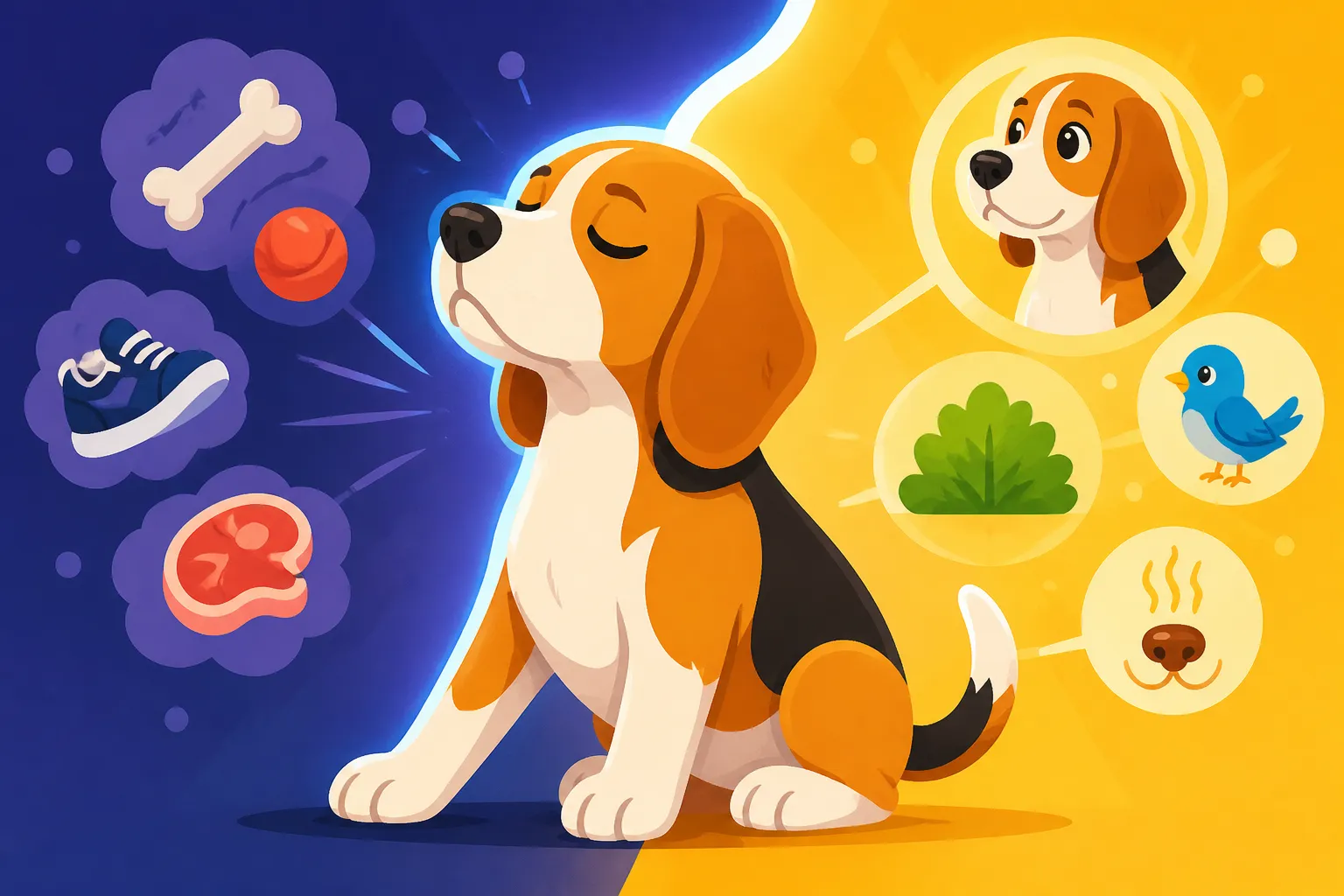
To a Beagle, a compelling scent isn't just a smell; it's a vivid story unfolding, a rich tapestry of information about who was there, when they were there, and where they went. Their brain is designed to lock onto this information and follow it, often to the exclusion of all other stimuli. When you call their name while they're "reading" such a story, it's not that they won't listen, it's often that they genuinely can't in that moment. Their auditory processing essentially takes a backseat to their overwhelming olfactory input. This isn't an act of rebellion; it's a biological imperative.
The Evolutionary Roots of Deep Absorption
Beagles were purpose-bred for centuries to hunt small game, particularly rabbits and hare. Their entire anatomy and temperament are fine-tuned for this job. They have an incredible endurance that allows them to follow a scent trail for miles, a loud, melodious bay to alert hunters to their progress, and crucially, an unparalleled ability to focus on a single scent to the exclusion of almost everything else.
This intense focus, which we now often mislabel as stubbornness, was a survival trait for their ancestors and a highly valued quality for hunters. A Beagle that easily broke off a trail because a human called its name wouldn't have been a very effective hunting dog. This deep absorption is hardwired into their DNA. It allowed them to track prey through dense undergrowth, over varied terrain, and past countless other distractions. Understanding this history helps us appreciate that what looks like defiance is actually the successful execution of an ancient, ingrained skill.
Why Other Dogs Seem Different
If you've owned other breeds, you might wonder why your Beagle seems so uniquely difficult to distract from a scent. The difference lies in breed specialization. While many dogs have a good sense of smell, few possess the Beagle's highly specialized olfactory system and the drive to use it relentlessly. Breeds like Golden Retrievers or Border Collies, for example, were bred for different tasks – retrieving game directly to hand or herding livestock – which required a much higher degree of attentiveness to human commands and visual cues. Their natural inclination is to look to their human for direction.
Beagles, on the other hand, were meant to work independently once they were on a trail. The hunters followed them, listening for their bay, rather than directing them with precise commands. This means their instinct to "check in" with their human is inherently weaker than in some other breeds when a strong scent is present. Their independent nature, combined with their profound scenting ability, creates this perception of "stubbornness" that is simply less pronounced in other dog breeds with different working histories.
The Power of the Beagle Nose: A Deep Dive
To truly grasp why your Beagle gets so "absorbed," you need to understand the incredible instrument that is their nose. It's not just a little better than ours; it's on an entirely different plane of existence. This makes their world a completely different place, one dominated by olfactory information.
An Olfactory System Built for the Trail
Let's talk numbers. While humans have around 5 million olfactory receptors, a Beagle boasts an astonishing 220 million. This difference is like comparing a basic flip phone to a supercomputer. Their olfactory bulb, the part of the brain that processes smell, is proportionally much larger than ours, allowing for intricate analysis of complex scent profiles. The 220 Million Receptors Behind a Beagle's Nose can give you an even deeper look into this fascinating aspect of their biology.
Beyond the number of receptors, their nose is designed for optimal scent collection. Their long, floppy ears sweep scents towards their nostrils, while the unique structure of their nostrils allows air to pass through both in and out simultaneously, creating a continuous flow of scent information. They can effectively "read" a scent trail in stereo, processing different aspects of the smell with each nostril, allowing them to pinpoint direction and age of a scent with incredible accuracy. This isn't just smelling; it's an immersive, 3D experience that utterly consumes them.
Sensory Overload and Single-Mindedness
Imagine walking into a room that's quiet for you, but for your Beagle, it's a cacophony of smells. The remnants of breakfast on the floor, the cat's recent nap on the couch, the neighbor's dog that walked past an hour ago – all are vivid and present. When they encounter an especially potent or interesting scent, it's not just another detail in this already rich environment; it's like a siren going off, demanding their full attention.
This intense sensory input can lead to what appears as single-mindedness. When a Beagle is "on scent," their world shrinks to that trail. Their other senses, while still functional, are deprioritized. A bird flying overhead, a car passing by, even your voice calling their name – these become background noise, almost imperceptible against the overwhelming signal of the scent they're tracking. It’s not that they don’t hear you, but rather that the information from their nose is so much louder and more compelling to their brain. What a Beagle Experiences on a Scent Trail dives further into how this sensory world shapes their behavior.
The Brain's Prioritization of Scent
From a neurological perspective, a Beagle's brain is hardwired to prioritize olfactory information. When a compelling scent enters their system, it triggers a cascade of responses that often override other cognitive functions. This isn't a conscious choice on the Beagle's part; it's an automatic, instinctual process honed over centuries of selective breeding.
Think of it like an emergency override system. For a hunting hound, the ability to follow a trail relentlessly was paramount. Therefore, their brains evolved to give the highest priority to scent data, ensuring they stayed on task. This means that while they can learn to respond to commands, especially through consistent positive reinforcement, those learned behaviors are often in direct competition with a powerful, innate drive when a strong scent is present. It’s a constant battle for their attention, and often, the nose wins simply because it’s their brain’s default primary function.
Training with Absorption, Not Against "Stubbornness"
Recognizing that your Beagle's "stubbornness" is absorption changes everything about how you approach their training. Instead of fighting their nature, you learn to incorporate it, making training a collaborative dance with their powerful instincts.
Leveraging Scent for Engagement
One of the most effective ways to train a Beagle isn't to try and suppress their scent drive, but to integrate it into your training. Scent work, nose work, or even simple "find it" games can be incredibly engaging for a Beagle because they tap directly into their natural talents. This makes training fun and rewarding for them, reinforcing their bond with you.
You can use their love of scent as a reward itself. For example, after a successful recall, allow them a few moments to intensely sniff a particularly interesting patch of grass. Or, during a training session, hide treats around the yard and let them use their nose to find them, praising them as they do. Companies like BAXTER & Bella, known for their online puppy training programs, often incorporate structured play that includes elements of scent games, recognizing how powerful this drive is for many breeds, including Beagles. This helps channel their energy constructively.
Positive Reinforcement and High-Value Rewards
Because Beagles are so food-motivated, positive reinforcement with high-value treats is your secret weapon. Regular kibble often won't cut it when they're captivated by a scent. Think small pieces of cooked chicken, cheese, hot dogs, or commercially available soft, pungent training treats. These rewards need to be enticing enough to pull their attention away from the "novel" of the scent world. High-Value Food and How Fast a Beagle Learns provides more insights into this.
Consistency is also paramount. Every single time your Beagle chooses to engage with you over a scent, even for a split second, reward them generously. This builds a strong association in their mind: "When I choose my human, amazing things happen!" Avoid punishment or harsh corrections, as this can damage your bond and make them less likely to listen when they are absorbed in scent, as they may associate your call with something negative. Instead, focus on making yourself the most rewarding thing in their environment.
Building a Strong "Check-In" Cue
A "check-in" cue is vital for a Beagle. This is a command, sound, or signal that means, "Look at me and re-engage." Start practicing this in low-distraction environments, rewarding heavily when they make eye contact. Gradually introduce more distractions, always ensuring your reward is more compelling than the distraction. Building Beagle Recall Before the Nose Takes Over is a crucial read for any Beagle owner.
This cue isn't just for walks; it's for everyday life. Practice it in the backyard, inside the house, and eventually on walks. The goal is to make "checking in" with you a deeply ingrained habit, a primary response that can sometimes, just sometimes, override the powerful draw of a captivating scent. Consider using a specific whistle or unique sound that cuts through environmental noise, making it easier for them to distinguish your call from other ambient sounds.
Creating an Environment for a "Focused" Beagle
Since Beagles are so prone to scent absorption, part of managing their perceived stubbornness involves proactively shaping their environment to support their natural drives while minimizing undesirable behaviors.
Structured Sniffing Opportunities
Instead of fighting every sniff on a walk, build in structured sniffing time. Dedicate a portion of your walk to allowing your Beagle to indulge their nose fully. This could be a "sniffari" in a safe, fenced area, or even just letting them take their time investigating a particularly interesting tree trunk. These focused sniff sessions actually tire a Beagle out more effectively than a brisk, human-paced walk because they are mentally stimulating. Sniffing Walks and Why They Tire a Beagle Out explains this phenomenon well.
You can even incorporate scent games into your home or yard using readily available items. Hide treats under cups or blankets, or scatter their kibble in the grass and let them "hunt" for it. This validates their natural instincts in a controlled way, reducing the urge to bolt after every random scent they encounter when it's not "sniffing time." A contented Beagle, whose natural needs are met, is often a more attentive and less "stubborn" Beagle.
Enrichment Toys and Puzzle Feeders
Beagles have an insatiable appetite and a keen intellect, both of which can be leveraged with enrichment toys. Puzzle feeders, treat-dispensing toys, and snuffle mats are fantastic tools to keep their minds engaged and their noses working, even when you're not actively training. Many of these products are widely available on platforms like Amazon, offering a variety of options to suit your Beagle's chewing style and problem-solving skills.
These toys serve multiple purposes: they slow down their eating (great for Beagles who inhale their food), provide mental stimulation, and redirect their energy away from potentially destructive behaviors that can arise from boredom. They turn mealtime into a challenging game, allowing your Beagle to use their brain and nose, reducing the likelihood they'll seek out forbidden "scent adventures" like counter surfing or raiding the trash. Puzzle Feeders That Genuinely Slow a Beagle is a must-read if your Beagle eats at warp speed.
Secure Spaces for Exploration
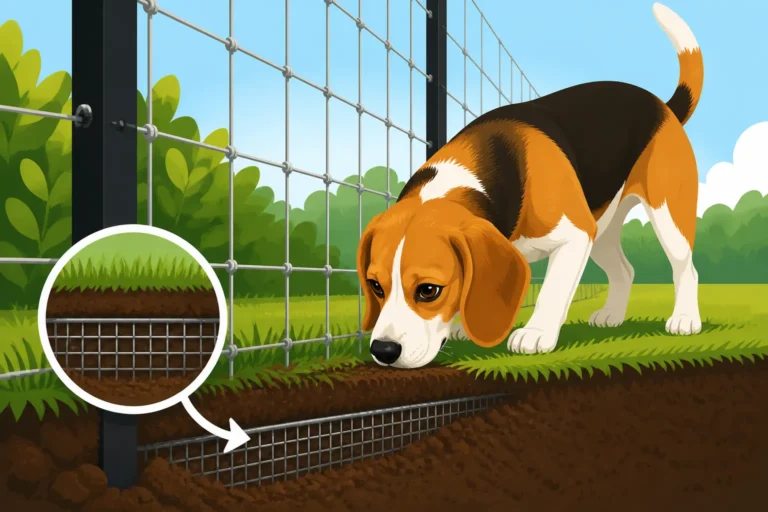
Given a Beagle's powerful scent drive and tendency to become absorbed, a securely fenced yard is non-negotiable. They will follow a captivating scent through, under, or over almost any obstacle. A physical fence provides the security needed for them to explore their immediate environment safely without the risk of them disappearing on a scent quest. Invisible fences are notoriously ineffective for Beagles because the lure of a scent easily overrides the deterrent shock.
When out on walks, always use a leash or a long line. A long line, which can extend up to 30 feet, allows them more freedom to explore scents while still keeping them safely tethered to you. This provides a balance between meeting their sniffing needs and ensuring their safety. Long Lines Instead of Off-Leash for a Beagle is a valuable resource for understanding the proper use of these tools. This way, they can still enjoy their "scent-reading" without you constantly worrying about them getting lost or encountering hazards.
Managing Expectations and Building a Bond
Ultimately, owning a Beagle means embracing their unique qualities. Letting go of the idea that they should behave like a Labrador or a German Shepherd will lead to a much happier relationship for both of you.
Patience and Consistency are Key
Training a Beagle requires immense patience and unwavering consistency. You will have days when they seem to have forgotten everything you've taught them, especially on a particularly "scenty" walk. Don't get discouraged. Remember, you're competing with millions of years of evolutionary programming. Every positive interaction, every successful recall, every moment of engagement you achieve, is a victory.
Think of it as filling a bucket drop by drop. Each treat, each praise, each successful game adds to their understanding and desire to work with you. If you lose your temper, you might undo weeks of progress in a single moment. Stay calm, be persistent, and celebrate the small wins. Their learning curve might not be as steep as some other breeds, but it is steady and rewarding with the right approach.
Understanding the Beagle's Natural Drive
Accepting that your Beagle is a creature of scent is fundamental. This means acknowledging that their nose will often be their primary guide, and that's okay. Instead of seeing it as a flaw, view it as their superpower. This understanding allows you to anticipate their behaviors. If you know a particular area is rich with rabbit scent, you can adjust your expectations, keep them on a shorter leash, or bring extra-high-value treats for maximum engagement.
This acceptance also means that certain activities, like off-leash hiking in unfenced areas, might never be truly safe for a Beagle. Their drive to follow a scent is often stronger than any learned command, especially when adrenaline is involved. Adjusting your lifestyle and activities to suit your Beagle's inherent nature will prevent countless frustrating moments and potential dangers.
Celebrating Small Victories
With a Beagle, even seemingly small accomplishments are huge victories. Did your Beagle look at you for a second when you called their name in a distracting environment? That's a win! Did they choose to drop a fascinating leaf when you said "leave it"? High five! Did they come back to you on a long line even after catching a whiff of something amazing? Throw a party!
Each tiny step forward reinforces the idea that training is working and that your Beagle can learn and does want to engage with you. By focusing on these successes, rather than dwelling on the "failures" (which are often just Beagles being Beagles), you build a more positive training experience and a stronger, more appreciative bond with your wonderfully scent-driven companion.
| Common Misconception (Stubbornness) | Beagle Reality (Absorption) | Implication for Owners |
|---|---|---|
| Ignores commands on walks | Deeply focused on a compelling scent trail | Needs proactive recall training, long lines, and high-value rewards to compete with scent. |
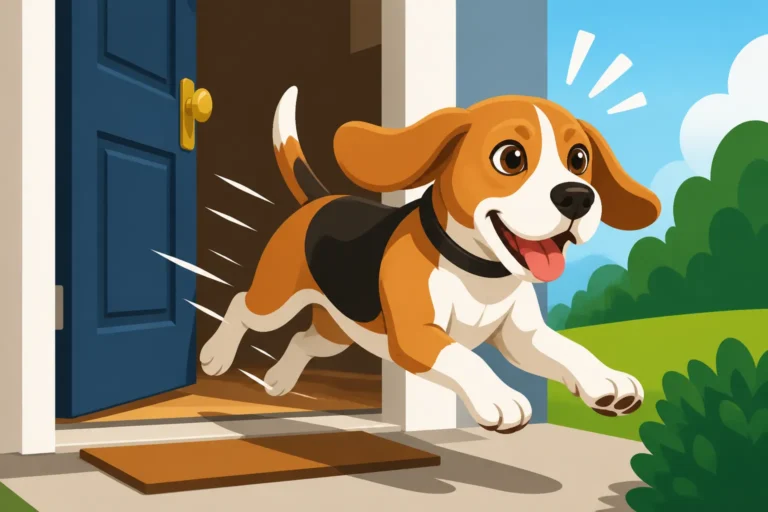
| Refuses to come inside | Engaged in yard exploration via nose, unaware of call | Build positive associations with coming in, use exciting "come" cues and treats. |
| "Selective hearing" | Auditory input secondary to olfactory focus | Needs strong, consistent engagement cues and clear, unambiguous commands. |
| Seems disobedient or defiant | Driven by instinct, not malice or disrespect | Requires understanding of breed traits and tailored training methods that leverage scent. |
| Pulls constantly on leash | Trying to get closer to interesting smells | Use front-clip harnesses, focus on loose-leash training with consistent rewards. |
Disclaimer
This article is for general informational purposes only and does not constitute professional advice. Laws, prices and regulations vary by location and change over time. Consult a qualified professional for guidance on your specific situation.