Beagle Escape Artistry and How to Contain It
It’s a scenario many Beagle owners know all too well: you turn your back for a second, a gate is ajar, or you think your fence is secure, and suddenly your beloved hound is gone, following a scent trail with single-minded determination. Beagles are master escape artists, and their incredible sense of smell combined with a natural wanderlust means they can often find their way out of seemingly impossible situations. This comprehensive guide will delve into why Beagles are so prone to escaping, explore their most common escape tactics, and provide actionable strategies to help you contain your clever companion and keep them safe.
Understanding the Beagle's Drive to Roam
Before you can effectively contain a Beagle, you need to understand the powerful instincts that compel them to explore beyond your yard or home. These are not just naughty behaviors; they are deeply ingrained breed traits.
The Scent-Driven Instinct
A Beagle's nose is legendary, boasting around 220 million scent receptors, vastly outnumbering our mere 5 million. This incredible olfactory prowess means their world is primarily experienced through scent. When a Beagle catches an interesting whiff – perhaps a rabbit that hopped through your yard an hour ago, or the lingering trail of a neighborhood cat – their primal instinct to follow that scent kicks in. For a Beagle, following a scent isn't just a casual stroll; it's a full-body, immersive experience that can completely override any training or desire to stay close to you. Their brain is wired to interpret these scent trails as an urgent mission, making them incredibly difficult to interrupt once they’re locked on. They literally go deaf to your voice when that nose hits the ground and the scent takes over. The 220 Million Receptors Behind a Beagle's Nose can explain just how powerful this drive is.
This intense drive can make even a short walk feel like a never-ending tug-of-war if you don't allow them opportunities to sniff. Imagine if every delicious smell you encountered pulled you irresistibly in its direction, demanding investigation. That's a Beagle's daily life. This singular focus on scent is why they are so easily distracted and why traditional "stay" commands often fail when a tantalizing smell is present. They aren't being disobedient; they are simply fulfilling their genetic destiny.
The Pack Animal's Need for Company
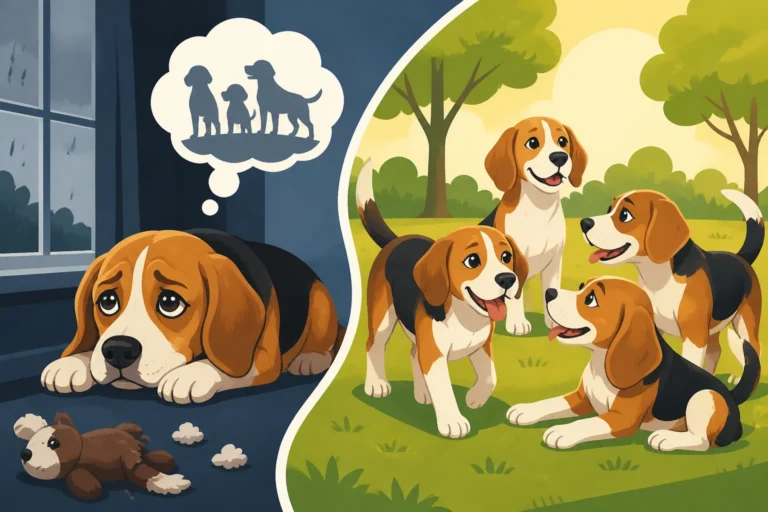
Beagles were originally bred to hunt in packs, which means they are highly social animals. They thrive on companionship, whether it's with their human family or other canine friends. While this makes them wonderful family pets, it also contributes to their escape artistry, especially when left alone. A lonely Beagle is often a bored Beagle, and a bored Beagle will look for entertainment. This entertainment often involves finding a way to rejoin their "pack" – which, in their mind, might be you at work, or simply any other dog or person they can find.
This longing for companionship can manifest as profound distress when separated from their people, commonly known as separation anxiety. A Beagle experiencing separation anxiety isn't just trying to get out for fun; they're trying to escape a stressful situation, driven by a deep-seated need for company. Their efforts to escape can become frantic and destructive, leading them to chew through doors, destroy window sills, or scale fences they wouldn't normally attempt. Understanding Beagle Separation Anxiety in a Pack Breed is crucial for addressing this aspect of their escape behavior.
High Energy and Boredom
Despite their somewhat stocky build, Beagles are surprisingly energetic dogs. They were bred to keep up with hunters on foot for hours, trailing rabbits and hares. This means they have a significant need for physical exercise and mental stimulation. A Beagle that isn't getting enough outlets for its energy and intelligence will quickly become bored, and boredom is the mother of invention – especially when it comes to finding ways to escape.
If a Beagle is cooped up indoors or left in a yard with nothing to do, that excess energy has to go somewhere. For many Beagles, that "somewhere" is over, under, or through a fence. They might start digging just for the sheer joy of it, or begin testing the perimeter of their enclosure. A lack of mental engagement can be just as detrimental as a lack of physical exercise. Their keen minds, so adept at problem-solving scent trails, will turn that intelligence towards finding weaknesses in your containment system.
Common Beagle Escape Tactics
Beagles are not one-trick ponies when it comes to getting out. They employ a variety of methods, often combining them for maximum effectiveness. Knowing these common tactics can help you anticipate and counter their attempts.
Digging Under Fences
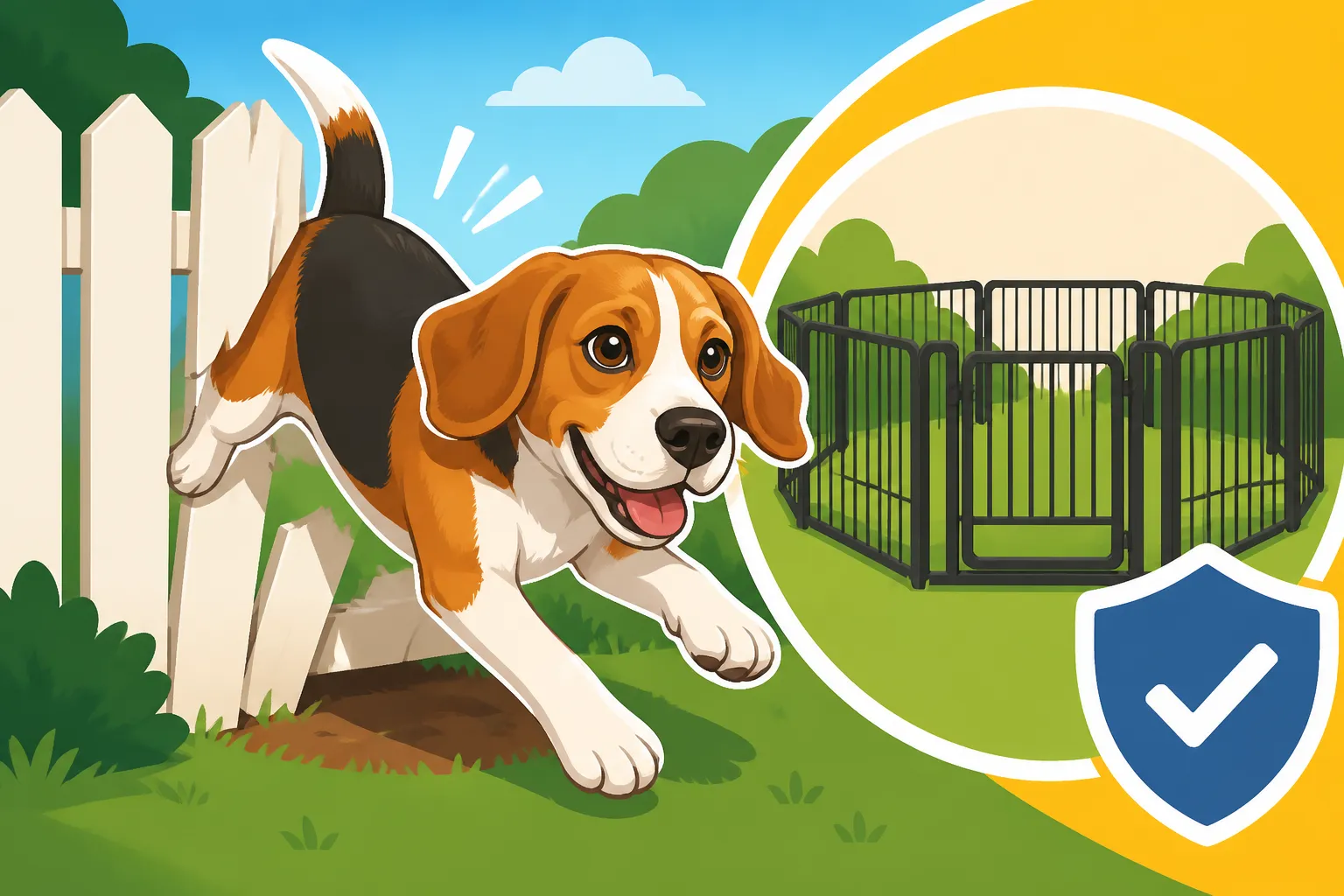
This is perhaps the most classic Beagle escape method. With their sturdy paws and inherent drive to unearth things (whether it's a buried bone or the source of an interesting scent), digging comes naturally to them. They'll often start by exploring the fence line, particularly where the ground is soft or where they've sniffed something compelling on the other side. A small gap that seems insignificant to you can quickly become a tunnel for a determined Beagle. They are incredibly persistent, and once they've started a digging project, they'll return to it day after day, slowly but surely creating their escape route.
Sometimes, they aren't even trying to escape initially; they're just enjoying the act of digging. But once they hit freedom on the other side, the temptation to follow that elusive scent or find new adventures becomes too great to resist. This is particularly true if they're bored or feeling anxious. A Beagle who has successfully dug out once has learned a valuable lesson – that the fence is not an impenetrable barrier – and will likely try it again. You'll want to explore Digging Barriers Along a Beagle Fence Line to help prevent this.
Gate and Door Dashing
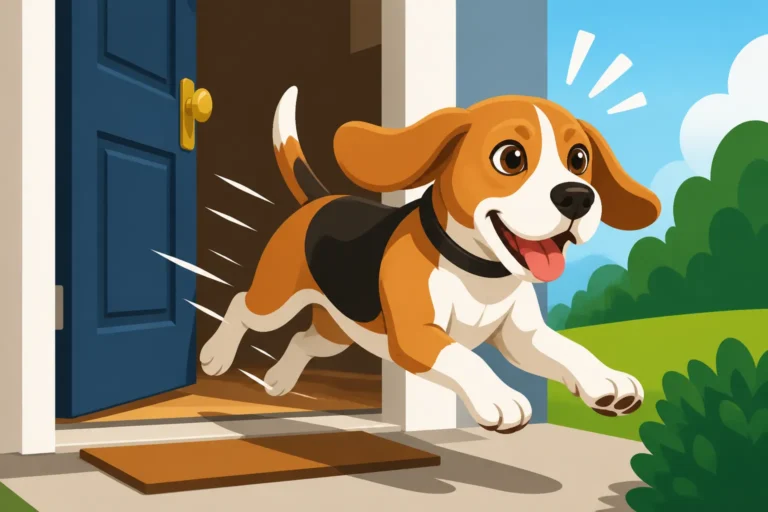
Beagles are opportunistic, and an open door or gate is an irresistible invitation to adventure. They are incredibly quick, often able to dart through a narrow opening before you've even fully processed what's happening. This isn't always a calculated move; sometimes it's pure instinct to follow you or to investigate an exciting sound or smell outside. However, many Beagles learn very quickly that if they wait patiently by the door, or even try to push past you, they might just get lucky.
Gate security is paramount. A simple latch might be no match for a clever Beagle, especially if they can paw at it or if it's flimsy. They will test boundaries, and a gate that isn't fully secured can become their preferred exit. Door dashing is equally concerning, especially for urban Beagles where a quick dash into traffic could be disastrous. Training is key here, but so is physical prevention – making sure there are no accidental openings. Beagle Door Dashing and Gate Safety provides more details on how to manage these quick exits.
Climbing and Jumping
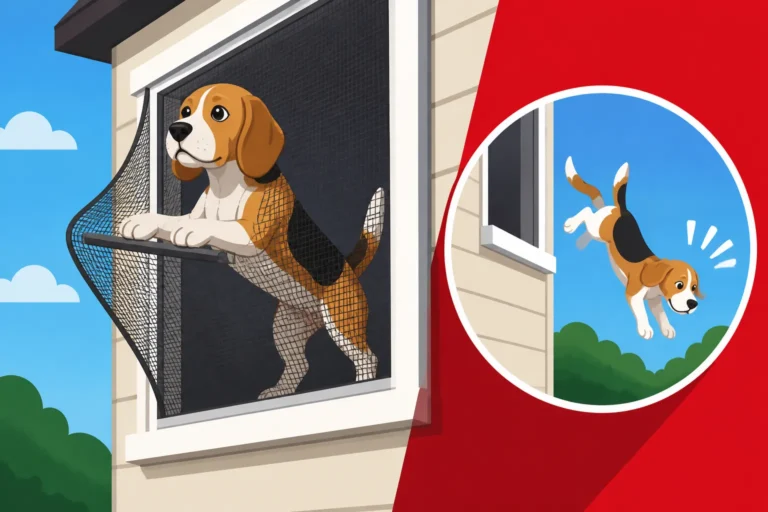
While Beagles aren't known for their vertical leap like some other breeds, many are surprisingly agile and resourceful climbers and jumpers when motivated. A chain-link fence, for instance, can offer purchase for their paws, allowing them to scramble over, especially if there's something tempting on the other side. Smaller Beagles, particularly the 13-inch variety, might find it easier to squeeze through gaps or climb structures. Even a solid fence, if it has horizontal supports or something they can use as a stepping stone, can be scaled.
For example, I once knew a Beagle who used a stack of firewood near the fence as a launchpad to clear a four-foot fence. Others might learn to push against loose fence panels or exploit weak points in construction. They are problem-solvers, and if they can't go under or through, they will certainly explore going over. It's less about raw athletic ability and more about intelligent persistence and resourcefulness.
Securing Your Home Environment
Effective containment for a Beagle requires a multi-faceted approach, starting with making your physical environment as escape-proof as possible. This means thinking like a Beagle and anticipating their potential escape routes.
Evaluating Your Fencing
Your fence is your first line of defense, and it needs to be up to the task of containing a determined Beagle. Standard privacy fences might seem adequate, but a Beagle can find weaknesses. First, check the height: many Beagles can clear a four-foot fence, especially if they have any kind of boost. A six-foot fence is generally recommended for Beagles, but even then, ingenuity can prevail. Look for any loose boards, weak spots, or gaps that a Beagle could squeeze through. Remember, if their head fits, the rest of them probably will too. The Fence Height That Actually Holds a Beagle can give you an idea of what works best.
Next, focus on the bottom of the fence line. This is where diggers will start. Consider installing an "L-footer" – an additional section of fencing or hardware cloth buried horizontally along the base of the fence, extending inwards into your yard by at least 12-18 inches. This makes it impossible for them to dig directly down and under the main fence. Alternatively, you can bury chicken wire or concrete to create an impenetrable barrier. Regularly inspect your fence for any new digging attempts or wear and tear, especially after heavy rains that might loosen the soil.
Reinforcing Gates and Doors
Gates are notorious weak points, often because they are not as robustly built as the fence line or because humans are forgetful. Every gate leading to the outside world needs to be secure. For standard gates, ensure the latch mechanism is strong and Beagle-proof. Many Beagles quickly learn to operate simple thumb latches or push-button handles. Consider adding a padlock or a spring-loaded self-closing gate for extra security. Double-latching systems, where you need to engage two separate latches, can also be very effective.
For the front door, the key is vigilance and training. However, physical barriers can also help. Baby gates placed just inside the entry door can create a buffer zone, preventing a quick dash when someone enters or exits. Even better, consider a double-door entry system if your home allows, creating an airlock effect. When guests are over, explicitly warn them about your Beagle's door-dashing tendencies. Never assume an open door is safe, even for a second, with a Beagle around.
Indoor Containment Strategies
Sometimes, the best way to prevent outdoor escapes is to manage your Beagle's access indoors. This is especially true when you're not home. Crate training is an invaluable tool for Beagles, providing a safe, secure den where they can't get into trouble or practice escape behaviors. A properly sized and secure crate (one they cannot chew through or unlatch themselves) can give you peace of mind while you're away. Introduce the crate slowly and positively, making it a comfortable, inviting space.
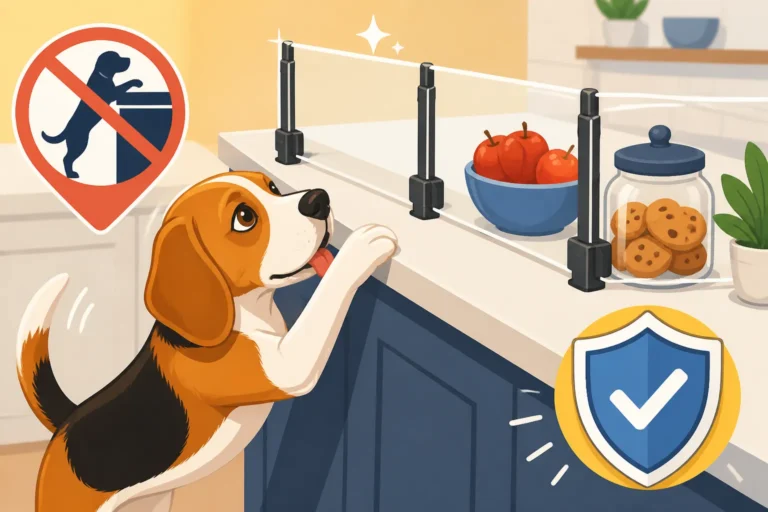
Beyond crating, consider restricting access to certain parts of the house with sturdy baby gates. This can prevent them from counter surfing, raiding the trash, or having access to windows they might try to jump through if they see something exciting outside. Beagle Counter Surfing and Trash Raiding is a common problem that indoor containment can help manage. For many Beagles, boredom or anxiety can lead to destructive indoor behavior that precedes an outdoor escape attempt, so managing their environment when you're not actively supervising is crucial.
Training for Containment and Recall
While physical barriers are essential, training your Beagle is equally important. A well-trained Beagle is less likely to attempt an escape and more likely to return if they do get out.
Foundation Obedience and Impulse Control
Basic obedience commands like "sit," "stay," and "come" are the building blocks of good behavior and containment. Practice these commands frequently in various environments, gradually increasing distractions. For a Beagle, impulse control is particularly important. Their drive to follow a scent or chase a squirrel is incredibly strong, so exercises that teach them to pause and think before acting are invaluable. "Leave It" and "Drop It" commands are critical for preventing them from eating dangerous things they find, whether indoors or out, and can even be life-saving.
Work on teaching your Beagle to wait at thresholds (doors, gates, car doors) before being given an "OK" cue to proceed. This helps prevent door dashing. Consistency is key; every family member must enforce these rules every single time. It takes immense patience to instill these habits in a breed as independent and scent-driven as the Beagle, but it's worth the effort.
Emergency Recall Training
Because Beagles can be so focused on scent, their regular "come" command might fail in high-distraction, off-leash situations. This is where an "emergency recall" comes in. This should be a distinct, high-value cue (a special whistle, a unique word, or a specific hand signal) that you only use for emergencies and always reward with the absolute best treats imaginable. This recall should never be tainted by everyday use or by scolding them if they take too long to respond. You want them to associate this cue with instant, joyous rewards and never with punishment. Beagle Recall and Why Your Voice Stops Registering delves into the challenges and strategies for this vital training.
Practice your emergency recall in a secure, distraction-free environment first, then gradually introduce distractions. The goal is for your Beagle to drop everything and come running the moment they hear that special cue, no matter how enticing the smell or sight that has captured their attention. Remember, this is a skill that needs to be regularly practiced and reinforced throughout their lives.
Leash and Long Line Management
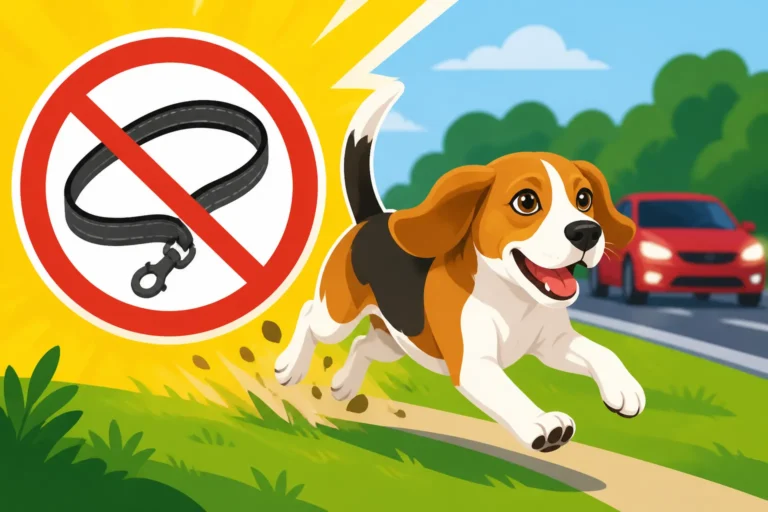
Even with the best training, a Beagle should generally never be trusted off-leash in an unfenced area. Their nose is simply too powerful a motivator. Why a Beagle Should Never Be Off Leash Unfenced is a vital read for any Beagle owner. Instead of off-leash freedom, utilize long lines for safe exploration. A long line (a lightweight leash typically 15 to 30 feet in length) allows your Beagle to roam and sniff safely while you maintain control. This is a wonderful way for them to fulfill their scenting instincts without risking an escape.
When walking your Beagle, use a sturdy harness rather than just a collar. Beagles, with their thick necks, can often slip out of collars or injure their throats if they pull hard. A well-fitting, secure harness (many recommend a front-clip harness to reduce pulling) provides better control and comfort. Always double-check harness and leash security before heading out. Regular walks, providing ample opportunities for sniffing and exploring, can also help satisfy their wanderlust, making them less inclined to try and escape the yard. The Long Line Length a Beagle Actually Needs can guide you on selecting the right equipment.
Tools and Technology for Escape Prevention
Beyond physical barriers and training, there are various tools and technologies that can add extra layers of security and help you manage your Beagle's escape tendencies.
Physical Barriers and Extensions
Sometimes, a standard fence just isn't enough, or you might have areas where building a full six-foot fence isn't feasible. Fence extensions, such as coyote rollers, can be installed on top of existing fences. These are spinning bars that prevent a dog from getting a foothold to climb over. While designed for coyotes, they work just as well for agile dogs. For diggers, burying chicken wire horizontally along the fence line, as mentioned before, creates an effective deterrent. For particularly determined diggers, a concrete footer can be poured at the base of the fence.
For gates, self-closing hinges and sturdy, locking latches are non-negotiable. You can find robust gate hardware on platforms like Amazon that are designed for maximum security. Consider a secondary, lower latch that requires two steps to open. These physical deterrents make it much harder for a Beagle to exploit weaknesses in your perimeter.
GPS Trackers and Monitoring
Even with the best precautions, a truly determined Beagle might still find a way out. This is where technology steps in to provide a crucial safety net. GPS trackers attach to your Beagle's collar and allow you to monitor their location in real-time via a smartphone app. If your Beagle does get out, you can quickly see where they are heading and retrieve them, potentially preventing them from getting lost or injured. Many trackers also offer geofencing features, sending you an alert the moment your dog leaves a designated safe zone (like your yard).
These devices are not a substitute for proper fencing and training, but they are an invaluable backup. When selecting a GPS tracker, consider battery life, range, and subscription costs. Some popular brands offer robust tracking capabilities that are perfect for a wandering Beagle. Beagle GPS Collars and Tracking Tags provides more information on these useful devices.
Enrichment Toys and Puzzle Feeders
A bored Beagle is a Beagle looking for trouble. Providing ample mental stimulation can significantly reduce their desire to escape. Enrichment toys, such as KONGs stuffed with peanut butter or frozen treats, can keep them occupied for extended periods. Puzzle feeders, which require your Beagle to figure out how to extract their food, engage their natural problem-solving abilities and slow down their notoriously fast eating habits. These are great for meal times, turning a quick chow-down into a mentally stimulating activity.
Brands like BAXTER & Bella, while known for their online training, often emphasize the importance of enrichment in preventing behavioral issues. Engaging your Beagle's mind with scent games, like hiding treats around the house for them to find, can be incredibly tiring for them. Remember, a tired Beagle is a good Beagle! Even simple activities like regular rotation of toys can help keep them engaged and less likely to seek excitement elsewhere.
Addressing Behavioral Roots of Escaping
To truly tackle escape artistry, you must also address the underlying behavioral reasons why your Beagle wants to get out in the first place. This often involves more than just physical barriers.
Managing Separation Anxiety
As deeply social pack animals, Beagles are prone to separation anxiety, which can be a huge driver of escape behavior. A Beagle suffering from separation anxiety isn't just bored; they're genuinely distressed when left alone. This distress can lead to destructive chewing, inappropriate urination or defecation, and frantic attempts to escape their confinement. Signs might include incessant Beagle Howling, Baying and Barking Explained the moment you leave, or damage around exit points like doors and windows.
Addressing separation anxiety requires patience and a systematic approach. This might involve desensitization exercises, where you gradually increase the time you leave your Beagle alone, starting with just a few seconds. Counter-conditioning, where you associate your departure with something positive (like a special, high-value toy only given when you leave), can also help. In severe cases, professional veterinary behaviorists or certified dog trainers might be needed, and sometimes medication can be part of a comprehensive treatment plan to help ease their anxiety.
Providing Sufficient Exercise and Mental Stimulation
An under-exercised or under-stimulated Beagle has a surplus of energy and a sharp mind that will seek out activity, often in destructive ways. Daily, vigorous exercise is crucial. This doesn't just mean a quick walk around the block. Beagles need long, scent-rich walks where they can follow their nose, as this is incredibly mentally tiring for them. Consider hiking on a long line, allowing them to explore safely. Regular play sessions, fetch in a secure yard, or even introducing them to dog sports like Scent Work as the Job a Beagle Was Built For can make a huge difference.
Mental stimulation is just as important as physical exercise. Puzzle toys, interactive feeders, and training sessions all challenge their minds. Rotate their toys to keep things fresh. Engage them in short, fun training sessions throughout the day. A Beagle who is mentally and physically satisfied is far less likely to feel the urge to escape to find their own entertainment.
Correcting Resource Guarding and Scavenging
Beagles have a strong food drive, which can lead to behaviors like scavenging on walks or Beagle Counter Surfing and Trash Raiding. While not directly an escape tactic, these behaviors highlight their intense focus on food and scent. If your Beagle is constantly looking for food, they might be more motivated to escape the yard if they smell something delicious (like a neighbor's barbecue) outside. Training a strong "leave it" and "drop it" command is essential here, not just for safety but also for managing their environmental curiosity.
Resource guarding, where a dog becomes possessive over food, toys, or even space, can sometimes contribute to a Beagle's desire to escape if they perceive better resources (like dropped food or interesting smells) outside their secure area. While rarer, addressing any signs of resource guarding with positive reinforcement and management can contribute to a more well-adjusted and less "opportunistic" Beagle.
When to Seek Professional Help
Sometimes, despite your best efforts, your Beagle's escape artistry can persist or even become dangerous. Knowing when to call in the professionals is vital for their safety and your peace of mind.
Persistent or Dangerous Escapes
If your Beagle continues to escape despite reinforced fencing, consistent training, and ample exercise, it's a clear sign that you need expert help. This is especially true if their escapes put them in danger – running into traffic, getting lost for extended periods, or encountering aggressive animals. It's frustrating when you feel like you've tried everything, but a professional can often spot issues or suggest solutions that you might have overlooked.
Don't wait until a serious incident occurs. A pattern of persistent escapes indicates a deep-seated behavioral issue or a significant flaw in your containment strategy that needs immediate attention. These are not minor inconveniences; they are serious safety concerns for a breed so prone to wandering. For those looking for structured guidance, programs like BAXTER & Bella offer comprehensive online training support that can help address complex behavioral challenges, providing step-by-step guidance from experienced trainers.
Behavioral Consultations and Training
A certified professional dog trainer or a veterinary behaviorist can provide invaluable insight. They can assess your Beagle's specific motivations for escaping (e.g., anxiety, boredom, pure prey drive) and tailor a training plan to address those root causes. They might recommend specific counter-conditioning techniques, desensitization protocols, or advanced obedience training that's customized for your dog's personality and your household environment. They can also help you evaluate your containment setup with fresh, expert eyes.
These professionals have experience with a wide range of breeds and behavioral issues, and they understand the unique challenges that come with a scent hound like a Beagle. They can help you implement strategies for impulse control, emergency recall, and managing environmental triggers that contribute to escapes. Investing in professional guidance can ultimately save you countless hours of worry and ensure your Beagle lives a safer, happier life.
Veterinary Check-ups for Underlying Issues
In some cases, seemingly behavioral issues, including persistent attempts to escape, can have underlying medical causes. For example, a dog in pain might try to escape a perceived threat or seek comfort elsewhere. Hyperactivity or increased anxiety could sometimes be linked to thyroid imbalances or other health conditions. If your Beagle's escape behavior has suddenly changed or intensified, a visit to your veterinarian is always a good first step.
Your vet can perform a thorough physical examination and run diagnostic tests to rule out any medical conditions that might be contributing to their behavior. This is a crucial step before embarking on extensive behavioral modification, as treating an underlying health issue could resolve or significantly improve the escape attempts. Once any medical concerns are addressed, then working with a trainer or behaviorist can be even more effective.
| Beagle Escape Tactic | Common Signs | Prevention Strategy | Recommended Tools/Training |
|---|---|---|---|
| Digging Under Fence | Fresh dirt piles, holes near fence line | L-footers, buried chicken wire, concrete footer | Regular fence inspections, strong "leave it" cue |
| Gate/Door Dashing | Darting through openings, waiting by exits | Self-closing hinges, locking latches, baby gates | "Wait" command at thresholds, emergency recall training |
| Climbing/Jumping Fence | Scratches on fence, missing over top | Fence extensions (coyote rollers), taller fences | Adequate exercise, mental stimulation, secure harness |
| Separation Anxiety | Destructive chewing, howling when alone | Crate training, desensitization, counter-conditioning | Puzzle feeders, white noise machine, vet/behaviorist help |
| Scent Following | Nose to ground, deaf to commands | Secure fencing, long line walks, GPS tracker | Emergency recall, Scent Work as the Job a Beagle Was Built For |
| Boredom/Excess Energy | Pacing, destructive behavior, restlessness | Ample exercise (scent walks), interactive toys, training | Puzzle feeders, agility/nose work classes, regular walks |
Disclaimer
This article is for general informational purposes only and does not constitute professional advice. Laws, prices and regulations vary by location and change over time. Consult a qualified professional for guidance on your specific situation.