Building an Emergency Fund for a Beagle
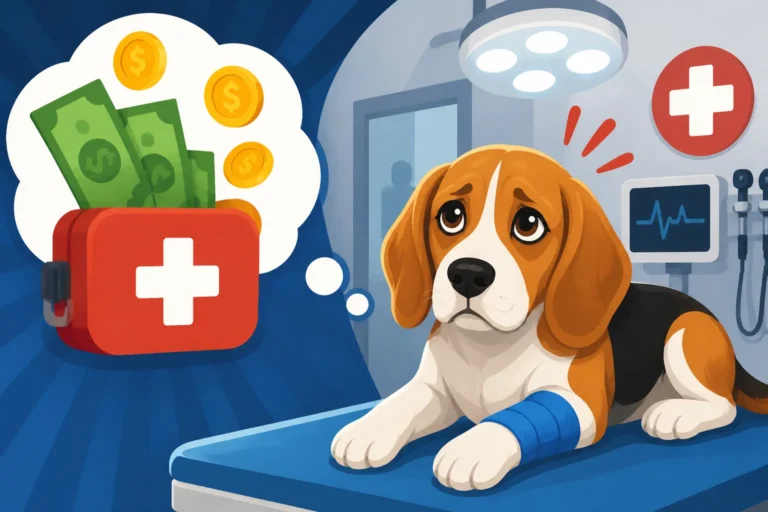
It's a truth universally acknowledged in the Beagle community that these lovable, food-motivated hounds have a knack for finding trouble – and sometimes, that trouble comes with a hefty price tag. You might have your monthly budget all figured out for food, routine vet visits, and those endless chew toys, but what happens when your curious Beagle decides that a discarded chicken bone on a walk is a five-star meal, leading to an emergency clinic visit? Or when a sudden, unexplained limp demands expensive diagnostics? This guide is here to walk you through the often-overlooked necessity of building a dedicated emergency fund specifically for your Beagle, ensuring you're financially prepared for the unexpected twists and turns of their happy, sniffy life.
Why Your Beagle Truly Needs an Emergency Fund
Let's face it, owning a dog, especially a Beagle, is a joyous adventure, but it's also a commitment that comes with financial responsibilities. While we all hope for smooth sailing, life with a dog rarely goes exactly to plan. An emergency fund isn't about being pessimistic; it's about being a responsible, prepared pet parent who can provide the best care when it matters most, without having to make agonizing financial decisions under duress.
The Unexpected Vet Bills That Hit Hardest
Many Beagle owners have experienced that sinking feeling when their usually boisterous dog suddenly seems "off." Maybe they're refusing food, unusually lethargic, or exhibiting some alarming symptoms. These situations often escalate quickly from a mild concern to an urgent vet visit, sometimes even a trip to the emergency animal hospital in the middle of the night. A classic scenario could be your Beagle deciding to investigate something intriguing on a walk – a lost pill, a piece of chocolate, or even just some particularly rich garbage – and now you're rushing to the vet for induced vomiting or emergency surgery. These can turn into significant bills without much warning.
Think about a common Beagle trait: their relentless nose and equally relentless appetite. They're masters of scavenging, and sometimes what they scavenge is far from benign. From a foreign body obstruction requiring immediate surgery to ingesting something toxic, these emergencies are stressful enough without the added worry of how you're going to pay for it. Knowing you have a dedicated fund for situations like these, which might require immediate attention or even overnight stays, provides immense peace of mind. For more on what to look out for, you might want to read our article on Beagle Emergency Signs That Cannot Wait Until Morning. And for those moments when they've swallowed something questionable, knowing about Beagle Gulping Food and the Choking Risk can be vital.
Health Issues Specific to Beagles
While Beagles are generally a robust breed, they are prone to certain health conditions that can manifest unexpectedly and require ongoing or sudden intensive treatment. For instance, epilepsy can begin to show its face in Beagles anywhere from six months of age, and a diagnosis can lead to lifelong medication and regular vet check-ups. Or perhaps your Beagle develops a sudden case of intervertebral disc disease (IVDD), which can lead to agonizing back pain and, in severe cases, require expensive surgery and physical therapy.
These conditions aren't just one-time expenses; they can involve significant upfront diagnostic costs, followed by medication, specialized food, or even equipment like ramps to protect their spine. An emergency fund can bridge the gap before potential pet insurance kicks in fully, or cover deductibles and co-pays. It ensures that treatments can begin promptly without delay, which is often crucial for better outcomes. Understanding Beagle Medical Costs for Epilepsy and Thyroid Disease can help put some of these potential expenses into perspective. Similarly, familiarizing yourself with Beagle Disc Disease and That Slightly Long Back highlights another common area where unexpected costs can arise.
Non-Medical Emergencies and Unforeseen Circumstances
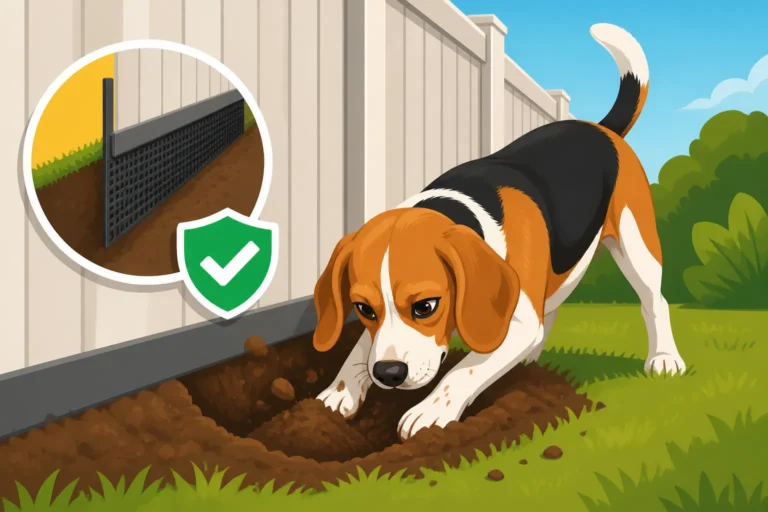
Beyond health, life throws other curveballs that can quickly drain your regular savings. Imagine your Beagle, true to their breed, manages to find a tiny flaw in your fence and makes a daring escape, leading to frantic search efforts, reward posters, and maybe even a stay at animal control. Or perhaps a sudden family emergency requires you to travel out of town, and your usual pet sitter is unavailable, forcing you to find last-minute, expensive boarding.
While you hope these things never happen, being prepared means having resources for immediate needs. Perhaps you need to buy a Beagle GPS Collars and Tracking Tags immediately after an escape, or cover urgent, premium-rate boarding fees. An emergency fund gives you the flexibility to handle these situations without dipping into your rent money or going into debt. Knowing about Beagle Escape Artistry and How to Contain It can certainly help minimize the risk, but having the financial safety net is still crucial. For those unexpected trips, our guide on Beagle Boarding, Sitters and Travel Costs offers further insights.
How Much Should Be In Your Beagle's Safety Net?
This is the big question, and frankly, there's no single, one-size-fits-all answer. The ideal amount in your Beagle's emergency fund depends on a variety of factors, including your dog's age, current health, your local cost of veterinary care, and whether you also have pet insurance. However, establishing a target range can help you get started and feel more secure.
Starting with a Realistic Goal
For many pet owners, a good starting point for a dedicated pet emergency fund is aiming for anywhere from several hundred to a few thousand dollars. This range can typically cover a significant portion of common emergency vet visits, such as a severe ear infection requiring multiple appointments and specific medications, or an initial emergency assessment and stabilization for something more serious. If your Beagle's ear issues are a concern, you might want to read more about Beagle Ear Infections Under Those Long Ears.
Keep in mind that specialty care, like advanced diagnostics (MRI, CT scans) or complex surgeries, can easily run into the high thousands, sometimes even five figures. Therefore, a truly robust fund might be closer to the higher end of that scale, especially if you foresee potential breed-specific issues that run in your Beagle's lineage. The goal is to avoid ever being in a position where you have to choose between your dog's well-being and your financial stability.
Considering Your Beagle's Health Profile
A young, healthy Beagle puppy will likely have different emergency fund needs than a senior Beagle. While puppies can still get into trouble, older Beagles often face a higher risk of developing chronic conditions, cancers, or age-related ailments. For a senior Beagle, routine vet visits become more frequent, and diagnostic tests might be needed to monitor various body systems.
If you have a senior Beagle, particularly one past the age of ten, you should certainly consider increasing your emergency fund target. Conditions like heart disease, kidney issues, or even cancer become more prevalent as they age, and treatments can be ongoing and costly. Our comprehensive guide on Senior Beagle Care After the Age of Ten delves into many of these considerations. Similarly, understanding Beagle Cancer Risks That Rise With Age can help you prepare for these potential future expenses. Having funds set aside allows you to explore all treatment options with your vet, rather than being limited by immediate cash flow.
Balancing Fund Size with Pet Insurance
It's important to understand how an emergency fund works in conjunction with pet insurance, rather than being a replacement for it. Pet insurance, like Healthy Paws, can be an excellent tool for mitigating the financial impact of major medical events, especially those that are unexpected and expensive. However, pet insurance policies come with deductibles, co-pays, and sometimes waiting periods or exclusions for pre-existing conditions. Your emergency fund acts as a crucial buffer for these gaps.
For example, if your pet insurance policy has a $500 deductible and a 90% reimbursement rate, and your Beagle needs a $3,000 emergency surgery, you would pay the first $500 (your deductible), and then 10% of the remaining $2,500 ($250). In this scenario, your out-of-pocket cost would be $750. Your emergency fund is perfectly suited to cover this amount, ensuring you can still afford the care your Beagle needs without delay. You can learn more about this by exploring Beagle Pet Insurance and What It Runs a Month. Some owners find that a combination of robust insurance and a solid emergency fund gives them the most comprehensive protection.
Here's a quick overview of potential emergency vet costs:
| Emergency Scenario | Initial Vet Visit & Diagnostics | Potential Treatment Costs | Total Out-of-Pocket (Estimate Range) |
|---|---|---|---|
| Ingestion of Toxic Substance | Moderate | Moderate to High | $300 – $2,500+ |
| Laceration/Injury | Moderate | Moderate | $200 – $1,000 |
| Severe Ear Infection | Low to Moderate | Moderate | $150 – $500 |
| Sudden Lameness | Moderate | Moderate to High | $400 – $3,000+ |
| Foreign Body Obstruction | Moderate to High | High | $2,000 – $8,000+ |
| Seizure Cluster | Moderate to High | Moderate to High | $500 – $4,000+ |
| IVDD (Disc Injury) | Moderate to High | High | $3,000 – $10,000+ |
Note: These are general estimates and actual costs will vary significantly based on location, severity, and specific veterinary clinic.
Practical Strategies for Building and Maintaining Your Fund
Building an emergency fund might seem daunting, especially if you're already managing a tight household budget. But remember, every little bit helps, and consistency is key. You don't need to stash away thousands overnight; gradual, deliberate steps can lead to a healthy safety net over time.
Setting Up a Dedicated Savings Account
The easiest and most effective way to build a separate emergency fund for your Beagle is to treat it like any other important savings goal. Open a separate savings account, perhaps one that offers a slightly higher interest rate, and label it clearly: "Beagle Emergency Fund." This mental and physical separation from your everyday checking account makes it less tempting to dip into for non-emergencies.
Set up an automatic transfer from your checking account to this new savings account for a set amount each payday. Even if it's just $25 or $50 a week, those small, consistent contributions add up remarkably fast. If you get a bonus at work, or an unexpected gift, consider putting a portion of it directly into this fund. This "out of sight, out of mind" approach ensures steady growth without you having to constantly think about it.
Small Changes, Big Impact
You might be surprised how small adjustments to your daily or weekly spending can free up funds for your Beagle's emergency account. Review your discretionary spending. Do you buy coffee out every day? Could you pack lunch a few times a week? Even just reducing one or two non-essential purchases can add up to a significant contribution over a month. Perhaps you can save a little by switching to a more economical brand of dog food or buying your Beagle's favorite kibble in bulk from a retailer like Chewy. While quality food is paramount, finding smart ways to save on regular expenses can free up funds for the unexpected.
Consider looking for ways to reduce your regular Beagle costs. For instance, instead of costly store-bought treats, you might explore making homemade, healthy treats for training sessions, perhaps using ingredients you already have on hand. If your Beagle is prone to weight gain, which can lead to issues like Beagle Obesity Treated as a Health Problem, investing in a high-quality, perfectly portioned food option from a company like Ollie, or even just being meticulous about measuring out your current food, can save on future vet bills related to obesity-linked conditions. Every dollar saved on the routine can be a dollar added to the emergency fund.
Periodic Reviews and Adjustments
An emergency fund isn't a "set it and forget it" kind of deal. It needs to be reviewed periodically, perhaps once or twice a year, to ensure it still meets your Beagle's evolving needs. As your Beagle ages, or if they receive a new diagnosis, your target amount for the emergency fund might need to increase. For instance, if your Beagle is diagnosed with a chronic condition like hypothyroidism, which might involve lifelong medication costs, you'll want to ensure your fund can cover potential flare-ups or diagnostic re-checks not fully covered by insurance. You can get a better idea of what to expect by reading our article on Beagle Vet Visit Frequency After the Age of Ten.
Similarly, if you've had a particularly expensive year with your Beagle, and you had to tap into the fund, make it a priority to replenish it as quickly as possible. Life with Beagles is dynamic; their needs change, and your financial preparedness should reflect that. Think of it as an ongoing conversation with your budget and your Beagle's well-being.
What Your Emergency Fund Doesn't Cover (and what it should)
It's crucial to distinguish between an emergency fund and your regular budget for routine pet care. Confusing the two can lead to disappointment or depletion of your safety net when a true emergency strikes.
Distinguishing Emergencies from Routine Care
Your Beagle emergency fund is specifically for unexpected and urgent expenses. It is not meant to cover your annual vet check-ups, vaccinations, routine parasite prevention, or scheduled dental cleanings. These are predictable costs that should be factored into your regular monthly or annual pet care budget. You can get a good estimate of these regular costs by looking at Beagle Routine Vet Costs Across a Year.
Using your emergency fund for routine expenses is a slippery slope. It means that when a true emergency, like a sudden illness or accident, does occur, the fund won't be there to provide the critical support it was intended for. Maintain separate mental (and ideally, physical) buckets for these different categories of expenses. This discipline ensures that your emergency fund remains intact for the events that truly necessitate its use.
The Role of Pet Insurance vs. Savings
While a healthy emergency fund is paramount, it’s worth reiterating that it complements, rather than replaces, pet insurance for many owners. As mentioned earlier, pet insurance providers like Healthy Paws can help manage the financial burden of large, unexpected medical bills. However, even with insurance, you'll still have deductibles, co-pays, and potentially services not covered by your specific policy. This is where your emergency fund shines.
For instance, if your Beagle requires a complex procedure, your pet insurance might cover a significant percentage after your deductible. Your emergency fund steps in to cover that deductible and the remaining co-pay percentage. It also covers any treatments or diagnostics that might fall outside your policy's coverage, or perhaps expenses incurred during a waiting period before your policy fully activates. Therefore, thinking of pet insurance and an emergency fund as two layers of financial protection is the most robust approach.
When to Tap Into the Fund
Having clear criteria for when to use your emergency fund can prevent frivolous spending and ensure it's available for critical situations. Generally, you should tap into this fund for:
- Urgent veterinary care: Any sudden illness, injury, or poisoning that requires immediate attention, especially outside of regular vet hours. This includes situations where your Beagle needs diagnostics, hospitalization, or surgery. These are the moments when understanding What a Beagle Emergency Vet Visit Runs becomes a pressing concern.
- Essential, unexpected non-medical costs directly impacting your Beagle's safety or well-being: This could be the cost of emergency boarding due to an unforeseen circumstance, or perhaps a new, more secure fencing solution required immediately if your Beagle has proven to be an escape artist.
- Deductibles and co-pays for pet insurance claims: As discussed, your fund is the perfect buffer for these out-of-pocket expenses when using your insurance.
Before drawing from the fund, take a deep breath and assess if the expense genuinely fits these criteria. This mindful approach helps you keep your Beagle's financial safety net strong and ready for whatever adventures (or misadventures) life throws your way.
Disclaimer
This article is for general informational purposes only and does not constitute professional advice. Laws, prices and regulations vary by location and change over time. Consult a qualified professional for guidance on your specific situation.