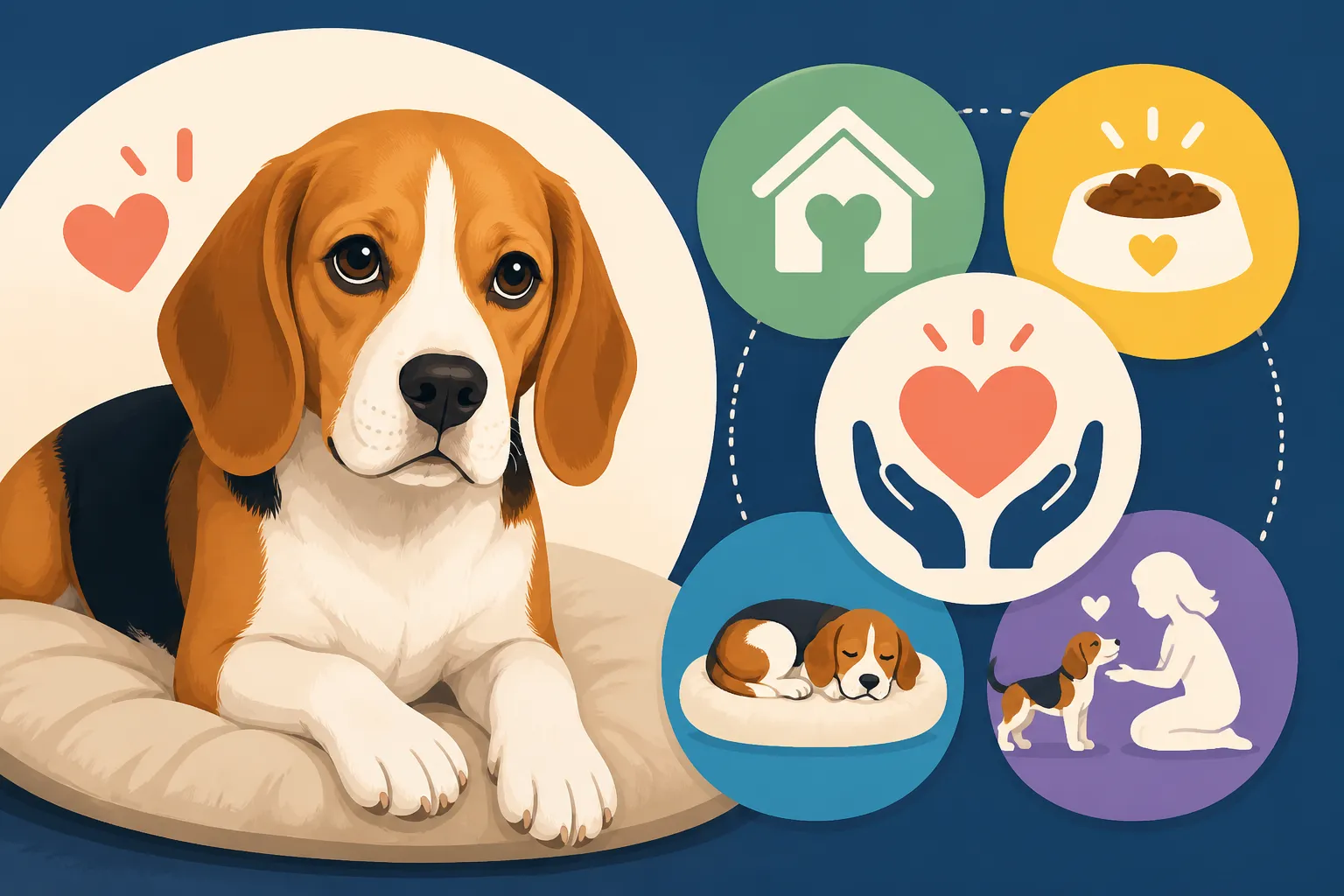
What a Former Research Beagle Needs First
Bringing a former research Beagle into your home is an incredibly compassionate act, but it often comes with unique challenges many new owners don't fully anticipate. These dogs have lived lives devoid of typical home comforts, often experiencing little to no positive human interaction, unfamiliarity with grass, sunlight, or even a soft bed. This guide will walk you through the essential first steps and long-term considerations to help your new Beagle adjust to a loving, normal life.
Initial Vet Care and Health Assessment
When your new Beagle comes home, the very first priority, even before settling them in, needs to be a comprehensive veterinary check-up. These dogs often have medical histories that are either unknown or reflect years of neglect in terms of basic wellness care. It's a daunting task to understand where to begin, but starting with a trusted veterinarian is paramount.
The Critical First Vet Visit
Imagine a life where you've never felt the soft hands of a kind person, never walked on grass, never seen a wide-open sky. Now imagine being poked and prodded in a sterile environment for years. This is often the reality for a former research Beagle, making the initial vet visit a potentially terrifying experience for them. It's crucial to find a veterinarian who understands the specific needs of a dog with a history of research confinement. Many vets are experienced with rescue animals, but a former lab dog brings a different level of anxiety and potential behavioral quirks.
When you schedule that first appointment, be upfront with the clinic about your Beagle's background. Ask if they have quiet exam rooms or can schedule you during off-peak hours to minimize stress. Bring high-value, soft treats that your Beagle can easily eat, and be prepared to spend a lot of time on the floor, gently coaxing them. The goal of this first visit isn't just a physical exam; it's also about establishing a baseline for trust in a clinical setting. Your vet will likely perform a thorough physical, check their teeth – which are often in surprisingly poor condition due to lack of dental care – listen to their heart, check their eyes and, of course, those long, floppy ears. Don't be surprised if your Beagle is initially overwhelmed; it’s a lot to take in. This is also the time to discuss a plan for vaccinations, deworming, and flea and tick prevention, as these vital aspects of health may have been overlooked or administered differently in their previous environment.
Tackling Immediate Medical Needs
Beyond a general wellness check, many former research Beagles arrive with specific medical conditions that need immediate attention. Dental disease is incredibly common, often presenting as severe tartar buildup, gingivitis, and even painful extractions looming. A comprehensive dental cleaning under anesthesia is often one of the first procedures recommended, but it’s a big step for a dog new to a home. You'll want to discuss timing with your vet to ensure your Beagle is stable enough emotionally for such a procedure. Similarly, those long, floppy Beagle ears, while adorable, are highly susceptible to infection. Regular checks are vital, and it’s not uncommon for a new rescue to arrive with an active ear infection already brewing. Check out our guide on Beagle Ear Infections Under Those Long Ears for more in-depth information.
Another common issue is muscle atrophy. These dogs have often lived in small kennels with limited movement, leading to underdeveloped muscles. Your vet might recommend gentle exercise, physical therapy, or even supplements to aid in muscle building. Some Beagles from research facilities may also have had procedures like spaying or neutering done in a less-than-ideal manner, or may still need these procedures. Additionally, certain genetic conditions prevalent in the breed, such as Beagle Hypothyroidism and Sudden Weight Gain or Beagle Pain Syndrome and the Meningitis Behind It, might not have been diagnosed or managed in a research setting. It’s crucial to be vigilant for any unusual symptoms or behaviors and work closely with your vet. Many adopters find pet insurance, like plans from Healthy Paws, to be an invaluable resource to help manage the often-unexpected medical costs associated with these special needs dogs.
Nutritional Support and Healthy Eating Habits
For a Beagle that has only known regimented meal times and possibly low-quality food, introducing a varied, nutritious diet can be a journey. They might be ravenous, having been food-deprived or having to compete for food, or they might be wary of new textures and smells. It's a heartbreaking sight to witness a dog gulping down food as if it's their last meal. Start with a high-quality, easily digestible food and introduce new things slowly. If you're exploring options, services like Ollie offer fresh, human-grade food that can be gentle on sensitive stomachs and enticing for picky eaters.
Portion control is also essential, as Beagles are notoriously food-motivated and prone to obesity. They've likely never had treats or choice in their food, so the concept of different foods can be overwhelming. Some Beagles might guard their food bowl fiercely, a behavior rooted in survival from their past environment. Provide meals in a quiet, undisturbed area. If you have other pets, feed them separately. Gradual introduction to different types of food and treats will help them understand that food security is now a given. Many of the supplies you'll need, from bowls to specialized feeders for fast eaters, can be found conveniently on Chewy, ensuring you have everything on hand.
Building Trust and Addressing Behavioral Challenges
The emotional and behavioral landscape of a former research Beagle is often the most complex aspect of their adoption. These dogs have been deprived of typical canine experiences, and their understanding of the world is vastly different from a pet-bred dog.
Understanding Their Unique Trauma and Fear
Former research Beagles often exhibit profound fear of novel stimuli: stairs, hardwood floors, car rides, loud noises, even open doorways. They may cower at sudden movements or loud voices. They often haven't experienced positive human touch, so they might flinch from petting or shy away from eye contact. It's a deeply emotional experience for you as an owner to witness, and it demands immense patience and empathy. The goal isn't to force them to "get over it," but to slowly, gently, and consistently introduce them to their new world at their pace.
Recognize that their fears are legitimate and rooted in past trauma. Avoid punishment or harsh corrections. Instead, focus on positive reinforcement, creating associations between scary things and good outcomes (like treats!). For instance, if they're afraid of the leash, simply lay it on the floor and give them a treat when they look at it, then when they sniff it. Gradually build up from there. Sometimes, simply sitting quietly in the same room, letting them come to you on their own terms, is the most powerful act of trust-building. This period is a testament to the resilience of the Beagle spirit, and your unwavering patience will be their guiding light.
Gentle Socialization and Leash Training
For many former lab Beagles, the concept of a leash is entirely alien, let alone walking on one in a world full of strange sights, sounds, and smells. They often haven't been exposed to other dogs in a social context outside of a kennel run, or seen people other than lab technicians. This makes Leash Training a Beagle From Eight Weeks a very different experience than with a typical puppy. Start with a comfortable harness (many Beagles will try to back out of a collar) and let them wear it around the house for short periods, associating it with treats. Then, attach a lightweight leash and let them drag it around indoors, again, with positive reinforcement.
When you finally venture outside, choose a quiet, low-traffic area, like your backyard or a secluded park path. Don't expect a walk; expect a slow exploration. They might freeze, refuse to move, or try to bolt. Patience is key. Let them sniff, take breaks, and reward any forward movement. Exposure to new people and friendly, calm dogs should also be done slowly and carefully. Avoid dog parks initially, as the overstimulation can be terrifying. Instead, arrange controlled, positive introductions with one or two well-socialized dogs belonging to friends. These experiences, though challenging, are vital for their development.
House Training and Potty Routines
One of the biggest hurdles for former research Beagles is house training. They've likely spent their entire lives eliminating within their kennel, often on concrete or specific bedding, without any concept of "outside" being the designated bathroom area. This means you're starting from scratch, just like with a young puppy, sometimes with added layers of anxiety. Consistency is your best friend here. Take them outside frequently – every hour or two, after waking up, after eating, and before bed. Always go to the same spot if possible, and reward heavily with praise and high-value treats the instant they relieve themselves.
They might not even understand what grass is for, so it's not uncommon for them to prefer to relieve themselves on pavement or even a carpet inside rather than a grassy patch. Celebrate every success, no matter how small. Accidental indoor eliminations should be cleaned thoroughly with an enzymatic cleaner to remove all scent, but never punished. They aren't being "naughty"; they simply haven't learned the rules of your home. Patience and repetition are crucial. For more general guidance on House Training a Beagle That Gets Distracted Outside, you might find some crossover tips, but remember the unique context of a lab Beagle's learning curve.
| Immediate Needs | Long-Term Goals | Common Challenges | Solutions & Strategies |
|---|---|---|---|
| Comprehensive Vet Exam | Ongoing Preventive Care | Unknown Medical History | Partner with a vet experienced with rescues; pet insurance. |
| Basic Nutrition & Hydration | Balanced, Appropriate Diet | Food Guarding, Picky Eating | Controlled feeding, high-quality food, slow feeders. |
| Safe, Quiet Space | Confidence in Home Environment | Fear of New Stimuli | Desensitization, positive reinforcement, safe den. |
| House Training Initiation | Consistent Potty Routines | Lack of Outdoor Concept | Frequent potty breaks, high-value rewards, enzymatic cleaners. |
| Gentle Leash Introduction | Comfortable Walks | Fear of Leash/Outdoors | Harness training, quiet walks, positive association. |
| Trust Building | Secure Attachment | Human Avoidance, Fear | Patience, quiet interaction, hands-off approach. |
| Enrichment | Mental & Physical Stimulation | Boredom, Destructive Behavior | Puzzle toys, scent work, controlled play. |
Creating a Safe and Enriching Home Environment
Your home is an alien world to a former research Beagle. Every object, sound, and smell is new and potentially terrifying. Creating a secure, predictable, and enriching environment is vital for their emotional well-being and successful integration.
Setting Up Their Safe Space
One of the most important things you can provide is a designated safe space, a den where your Beagle can retreat when overwhelmed. This could be a crate (covered with a blanket to make it cave-like), a cozy bed in a quiet corner, or even a small room with their food and water bowls. The key is that this space belongs entirely to them, and they should never be bothered while in it. Start by making the crate or bed incredibly appealing with soft blankets, tasty treats, and quiet positive associations. Never use the crate as punishment; it must always be a place of safety and comfort. Our guide on Beagle Crate Training From the First Day offers excellent techniques for positive introduction.
Many Beagles from labs have never had a soft bed, so they might initially prefer sleeping on hard surfaces. Over time, they will likely discover the joy of plush comfort. Place their food and water bowls in this area, away from high-traffic zones. Consistency helps immensely; having a predictable place to eat, sleep, and feel safe will provide a sense of control in their new, confusing world. This secure retreat can be their anchor as they slowly brave the mysteries of your home.
Beagle-Proofing Your Home and Yard
Beagles are naturally curious, driven by their incredible sense of smell. For a former research Beagle, everything in your home is a novel scent waiting to be explored, and they have no concept of what is safe or unsafe. This means a thorough "Beagle-proofing" is essential. Secure all trash cans, keep medications and cleaning supplies locked away, and ensure toxic houseplants are out of reach. Remember, they may not have encountered these dangers before, so their instinct to sniff and potentially ingest anything new will be strong.
If you have a yard, securing it is paramount. Beagles are escape artists, driven by scent and a desire to explore. They are also adept at digging. Fencing Costs That Actually Contain a Beagle details the considerations for creating a secure outdoor space. A six-foot solid fence is generally recommended, and you might need to add a "dig guard" along the bottom. Invisible fences are typically ineffective for Beagles because their prey drive and scent focus will override any negative reinforcement. If your Beagle bolts, it’s not because they don’t love you; it’s their primal instinct taking over. Microchipping and a secure ID tag are non-negotiable backups, and familiarizing yourself with The First Hour After a Beagle Goes Missing is a good preparedness measure.
Mental and Physical Enrichment
A research Beagle's life often lacked any form of meaningful enrichment. They might not know how to play with toys or interact with puzzles. Introducing these slowly can be incredibly beneficial for their mental stimulation and physical well-being. Start with simple, soft toys that don't make loud noises. Show them how to play gently, rolling a ball or dragging a rope. Don't expect immediate engagement; some may initially ignore toys entirely.
Food puzzles are a fantastic way to engage their famous nose and provide a constructive outlet for their food drive. Scatter feeding their kibble in a snuffle mat or across the floor can also mimic natural foraging behavior. While How Much Daily Exercise a Beagle Really Needs might seem like a lot, focus initially on mental exercise through scent games rather than strenuous physical activity. Short, positive "sniff walks" in a secure area, allowing them to explore scents at their own pace, will tire them out more effectively than forced walks. As they gain confidence, you can gradually introduce more physical exercise, but always prioritize their emotional comfort.
Long-Term Patience and Continued Support
Adopting a former research Beagle is not a short-term project; it's a commitment to a lifelong journey of healing and growth. Their progress might be slow, with setbacks, but with consistent love and understanding, they can blossom into wonderful companions.
The Importance of a Consistent Routine
Dogs thrive on routine and predictability, and this is especially true for Beagles who have lived in highly regimented, yet ultimately unpredictable and stressful, environments. Establishing a consistent daily schedule for feeding, potty breaks, walks, and playtime helps them understand what to expect from their new life. Knowing when meals are coming, when they'll go outside, and when they'll have quiet time builds a sense of security that was previously absent.
Even small changes to the routine can be unsettling initially, so try to keep things as consistent as possible in the early weeks and months. This predictability reduces anxiety and helps them learn the "rules" of their new home. Think of it as providing a stable framework upon which they can build their new understanding of the world. As they become more comfortable, you can gradually introduce minor variations, but always observe their reactions and be prepared to revert to what they know best if they become stressed.
Ongoing Training and Desensitization
The learning journey for a former research Beagle is continuous. Beyond basic house and leash training, ongoing desensitization to everyday sights and sounds will be necessary. Things we take for granted – a doorbell ringing, the vacuum cleaner, children playing, traffic noises – can be overwhelming. Continue to introduce these stimuli gradually and pair them with positive reinforcement. For instance, play sounds of traffic quietly while giving treats, slowly increasing the volume over time.
Consider enrolling in a positive reinforcement basic obedience class once your Beagle is comfortable enough with new environments. This not only provides structured learning but also strengthens your bond and helps them generalize their skills to different settings. Look for trainers who specialize in fearful or rescue dogs. Remember that What a Rescue Tells You Before a Beagle Adoption often emphasizes the need for ongoing support and training. Beagles are intelligent and eager to please, especially when food is involved, so they can learn a great deal with the right approach.
Monitoring for Lifelong Issues
Even after settling into their new home, former research Beagles may carry certain predispositions or develop conditions related to their early life. Keep a close eye on their physical health, as stress can manifest in various ways. They might have chronic ear issues, dental problems that require regular monitoring, or even exhibit subtle signs of underlying pain or discomfort that they've learned to mask. Regular vet check-ups are essential, and don't hesitate to seek veterinary advice if you notice any changes in appetite, activity level, or demeanor.
Emotionally, some Beagles may always retain a degree of wariness or anxiety, especially around strangers or in novel situations. This is not a failure on your part, but a lasting impact of their past. Be their advocate, protect them from situations that overwhelm them, and continue to offer reassurance and a safe haven. The joy of watching a former research Beagle discover grass, feel the sun, play with a toy, or lean into a loving touch for the very first time is immeasurable. It's a testament to their incredible spirit and the transformative power of a patient, loving home.
Disclaimer
The information provided in this guide is for general informational purposes only and does not constitute professional veterinary advice. Always consult with a qualified veterinarian or professional dog trainer for any health concerns or behavioral issues specific to your Beagle.